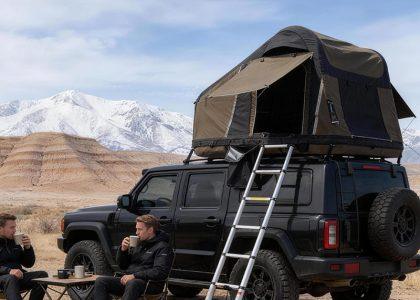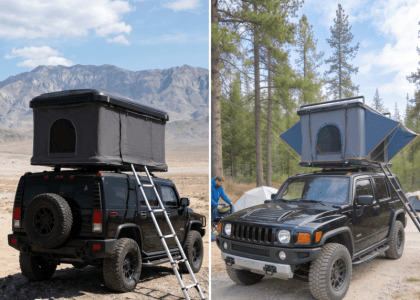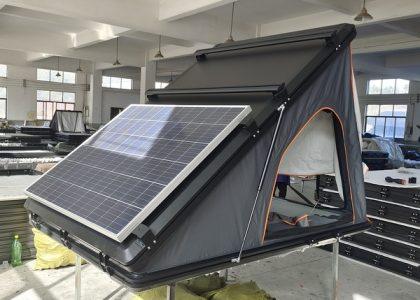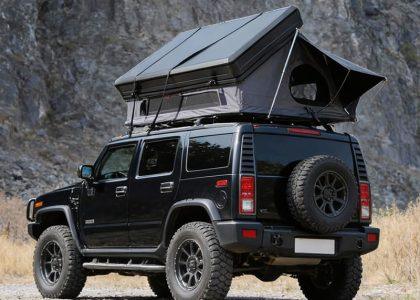
Transitioning from ground camping to a rooftop tent (RTT) is an exciting upgrade, but it often brings up a specific set of anxieties. Many campers worry about the structural integrity of their vehicle’s roof, the stability of the ladder, or how a 150-pound box will affect their car’s handling at highway speeds. These concerns are valid; safety in the overlanding world isn’t just about personal comfort—it’s about physics, engineering, and proper preparation.
This guide is designed to bridge the gap between “enthusiast advice” and “manufacturer standards.” We will break down the essential mechanics of weight limits, the critical role of your roof rack, and the environmental factors that dictate a safe night’s sleep. Whether you are a solo traveler or a family of four, you will learn how to calculate your gear’s footprint and maintain your setup for years of worry-free adventure. By the end of this article, you will have a professional-level understanding of how to mitigate risks and maximize the security of your mobile basecamp.
Quick Answer
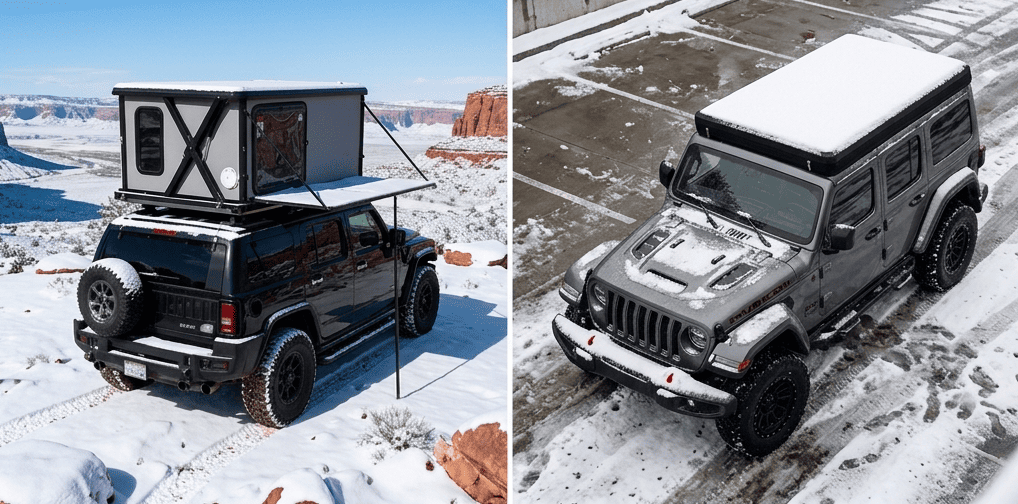
Rooftop tents are exceptionally safe when installed correctly. Safety hinges on three factors: adhering to your vehicle’s dynamic weight limits, using a structural roof rack (not clamp-on bars), and ensuring the ladder is locked at a 70-degree angle to provide structural support. Proper maintenance and reduced driving speeds are essential for long-term safety.
Key Takeaways
- Know Your Limits: Never exceed your vehicle manufacturer’s dynamic weight rating, which is significantly lower than the static (parked) rating.
- Hardware Matters: Use a dedicated platform or heavy-duty crossbar system; avoid factory-installed “decorative” or clamp-style roof racks.
- The 70-Degree Rule: The ladder is a load-bearing pillar. An improper angle can lead to ladder failure or tent floor damage.
- Center of Gravity: An RTT raises your vehicle’s tip-over risk; adjust your driving habits by reducing speed and increasing braking distance.
- Routine Checks: Vibrations from off-roading loosen bolts. Inspect all mounting hardware every 500 miles or after any rough trail.
1. Understanding Vehicle Limits: Dynamic vs. Static Loads
The most common safety error begins before the tent is even purchased. Many users see a “weight limit” in their owner’s manual and assume it applies to the tent and the people inside. This is a dangerous misunderstanding of vehicle physics.
Dynamic Load is the weight your roof can safely support while the vehicle is in motion. When you hit a pothole at 60 mph, the downward force of the tent is multiplied. Most SUVs and trucks have a dynamic limit between 150 lbs and 200 lbs. Your tent and rack combined must stay under this number.
Static Load is the weight the roof can support when the vehicle is parked. Modern vehicles are designed to withstand rollovers, meaning their pillars can often support 500 lbs to 800 lbs or more. This is the weight that accounts for the tent, the mattress, your bedding, and the occupants.
| Term | State | What it Includes | Safety Rule |
| Dynamic | Moving | Tent + Roof Rack weight | Stay under the manual’s limit. |
| Static | Parked | Tent + Rack + People + Gear | Usually 3-4x the dynamic limit. |
Practical Tip: To find your “Useful Payload,” use this formula: (Vehicle Dynamic Limit) – (Weight of Roof Rack) = Maximum Safe Tent Weight. If your rack weighs 30 lbs and your limit is 165 lbs, your tent must weigh 135 lbs or less. For more details, see our guide on how much weight a roof rack can hold.
2. Choosing the Right Roof Rack System
Your safety is only as good as the hardware connecting the tent to the car. A common mistake is mounting a heavy RTT to “clamp-on” or “door-jamb” style crossbars. These are designed for kayaks or bikes, not the lateral forces of a heavy tent.
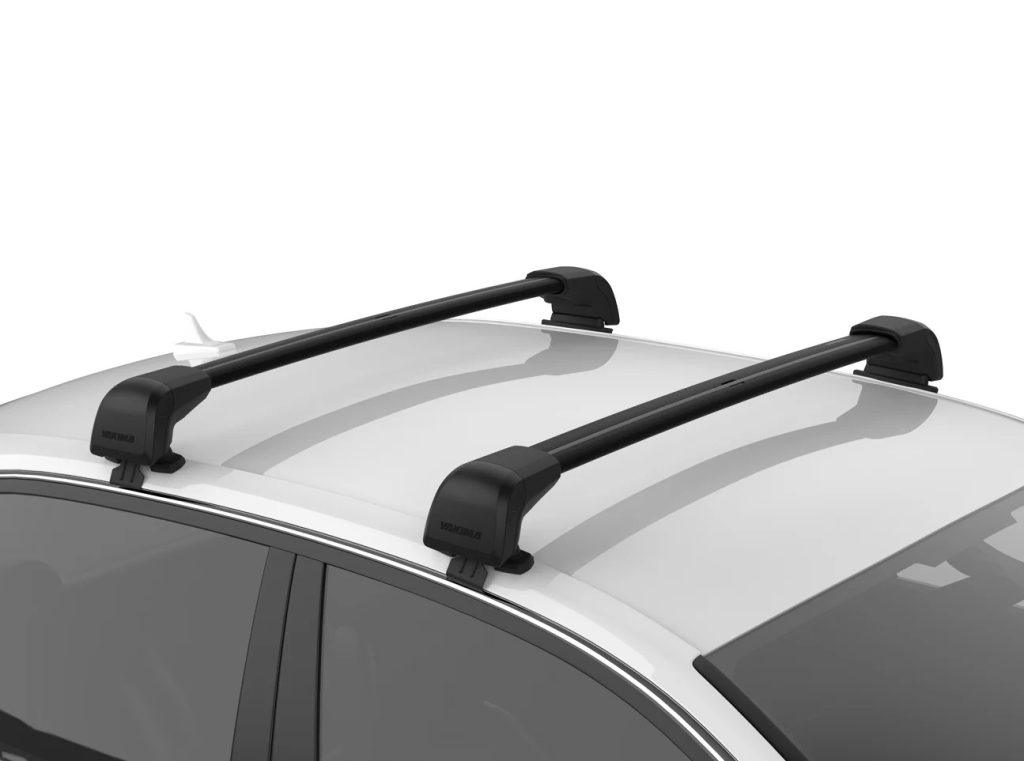
For maximum safety, you should utilize a fixed-point mounting system, T-track rails, or a platform rack. These systems distribute the weight across the strongest parts of the vehicle’s frame—the pillars.
- Avoid Factory Crossbars: Many stock crossbars are made of thin plastic or light-duty aluminum and are rated for only 100 lbs.
- Platform Racks: These offer the most contact points and the highest safety margins, especially for hard shell rooftop tents which have a larger footprint.
- Torque Specifications: Always use a torque wrench to tighten mounting brackets to the manufacturer’s spec. Over-tightening can crush the rack bar, while under-tightening leads to the tent sliding during sudden braking.
3. Ladder Safety and Structural Support
In many soft shell roof top tent designs, the ladder is not just an entrance; it is a structural “leg.” If the ladder slips, the tent floor can fold or snap, leading to serious injury.
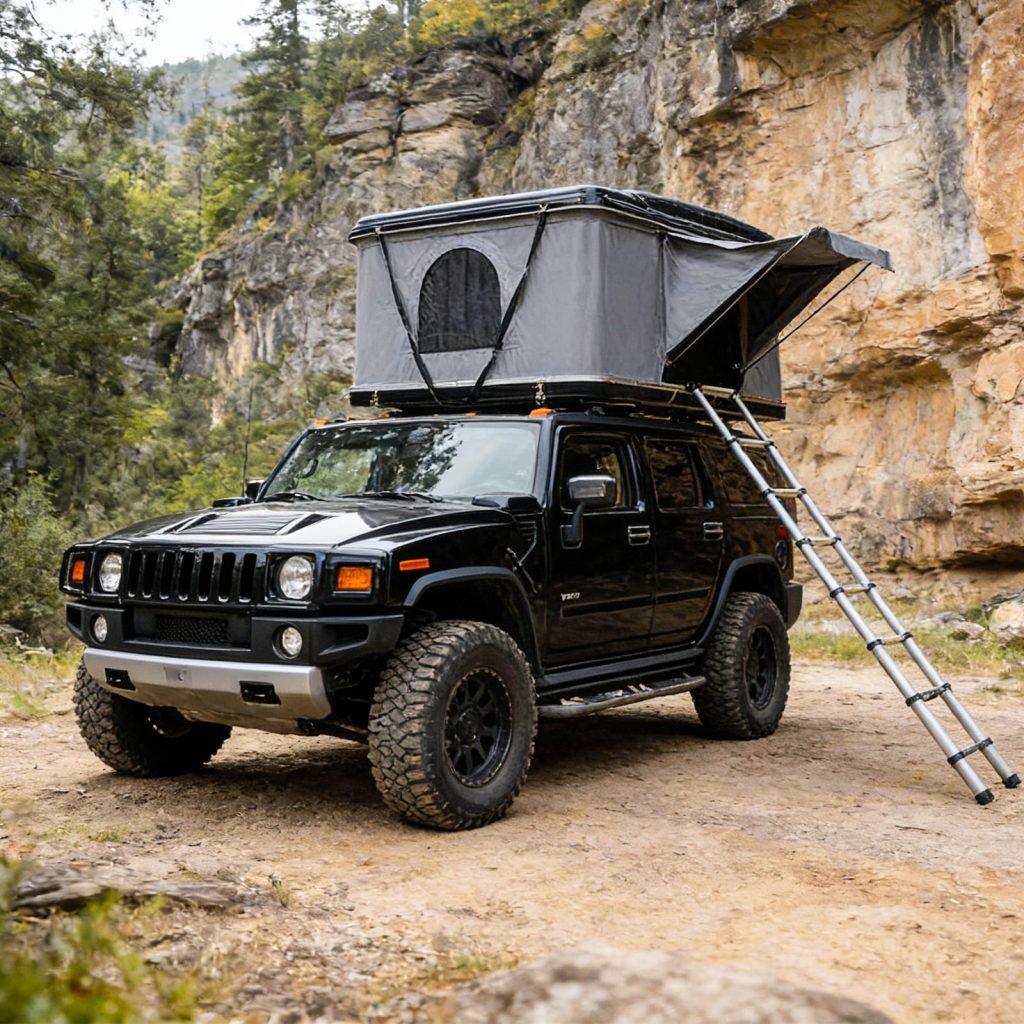
The 70-Degree Rule: Your ladder should be positioned at roughly a 70 to 75-degree angle.
- If it’s too vertical, the tent lacks support and the ladder is prone to tipping backward.
- If it’s too slanted, the weight of the occupants puts excessive “shear” force on the rungs and the hinge points of the tent.
Setup Steps for Success:
- Firm Grounding: Ensure the base of the ladder is on solid, level ground. Use a “ladder plate” or a flat piece of wood if camping on sand or soft mud to prevent sinking.
- The “Click” Test: Always listen for the audible click of the locking pins on telescopic ladders. Give the ladder a firm shake before climbing.
- Nighttime Safety: Always use a headlamp when descending at night. Most RTT accidents occur when users misjudge the top rung in the dark.
4. Safe Driving with a Rooftop Tent
Adding 150 lbs to the highest point of your vehicle fundamentally changes how that vehicle behaves. This “high-center” weight increases body roll during cornering and extends your braking distance.
The Physics of Wind Resistance: An RTT acts like a brick in the wind. This creates “lift” at high speeds, putting upward stress on your roof rack.
- Speed Limits: It is highly recommended to stay at or below 70 mph (110 kph). Faster speeds significantly increase the risk of hardware fatigue.
- Cornering: Slow down more than usual for highway off-ramps. The added weight up top makes the vehicle want to lean, which can trigger electronic stability control or, in extreme cases, a rollover.
- Clearance Awareness: You are now 8 to 12 inches taller. Be wary of low-hanging branches, parking garages, and drive-thrus. It is helpful to stick a small note on your dashboard with your vehicle’s new total height.
If you are still deciding on a tent for a smaller vehicle, check out our best roof top tent for SUV guide to find lower-profile, aerodynamic options.
5. Weather Resilience: Wind, Rain, and Lightning
A rooftop tent is a lightning rod on wheels—or at least it can feel like one. However, modern RTTs are engineered with high-grade materials to handle most weather conditions safely.
High Winds: If you anticipate high winds, park your vehicle so the narrowest/sturdiest part of the tent (usually the hinge side or the “wedge” of a hard shell) faces the wind. This reduces the surface area for the wind to catch.
- Tip: Most RTTs are rated for winds up to 40-50 mph. If gusts exceed this, it is safer to pack the tent and sleep inside the vehicle.
Lightning Safety: While being off the ground feels vulnerable, your vehicle still provides a “Faraday Cage” effect to some extent. However, if a severe electrical storm is directly overhead, the safest place is inside the car with the tent stowed.
Rain and Condensation: Safety also includes health. Use a mounting system that allows for airflow under the tent to prevent mold. Ensure your fabric is high-denier (like 600D) with a high waterproof rating to prevent leaks that can lead to hypothermia in cold climates.
6. Campsite Safety and Wildlife Protection
One of the primary safety benefits of an RTT is being “up and away” from ground-level threats. However, elevation is not an excuse for carelessness.
- Wildlife: While you are safe from snakes and most scorpions, bears are excellent climbers. Never keep food, trash, or scented toiletries (like toothpaste) inside your rooftop tent. Use bear-proof canisters and store them away from your vehicle.
- The “Ground Truth”: Before deploying your tent, check the area for “widowmakers”—dead tree branches that could fall on your vehicle during the night.
- Leveling: Sleeping at an angle isn’t just uncomfortable; it puts uneven stress on the tent frame and your roof rack. Use leveling blocks under your tires to ensure your vehicle is as flat as possible before unfolding the tent.
7. The Pre-Trip RTT Safety Checklist
Safety is a habit, not a one-time setup. Before every trip, and periodically during long expeditions, perform this 5-minute audit:
- Bolt Torque: Check the 4 to 8 bolts mounting the tent to the rack. Do they move when turned by hand? Tighten them.
- Fabric Integrity: Look for small tears or UV degradation. A small rip can become a massive failure in a windstorm.
- Hinges and Pins: Lubricate moving parts and ensure all safety pins or latches engage fully.
- Rack Towers: Ensure the points where the rack connects to the car aren’t showing signs of stress or movement.
- Zipper Check: Ensure all doors can be zipped fully. An unzipped door in an RTT can lead to an accidental fall during sleep.
For more installation advice, visit our guide on how to install a roof top tent.
FAQ
Can a rooftop tent damage my car’s roof?
If you stay within the manufacturer’s weight limits and use a high-quality rack, it will not damage the roof. Damage usually occurs from using “universal” clip-on bars that rub the paint or exceed the concentrated weight limit of the roof gutter.
Is it safe to use a heater inside a roof top tent?
Electric blankets are the safest option. If using a propane heater (like a “Mr. Buddy”), you must have a carbon monoxide detector inside the tent and ensure a window is cracked for ventilation. Never leave a combustion heater running while you sleep.
Are roof top tents safe from bears?
They are safer than ground tents because they are out of the immediate line of sight and harder to stumble upon. However, a bear can easily reach or climb to an RTT if it smells food. Elevation is a deterrent, not a fortress.
What is the safest wind speed for an RTT?
Most well-built tents can handle 30-40 mph gusts easily. Beyond 50 mph, the noise and movement make sleep impossible, and the risk of structural damage to the tent’s internal poles or fabric increases significantly.
Can two adults and a child sleep safely in a roof top tent?
Yes, provided the total weight of the occupants and the tent does not exceed the vehicle’s static weight limit. Most 3-person tents are specifically engineered for this load distribution.
Do I need to remove my roof top tent in the winter?
If you aren’t using it, removing it prevents salt corrosion on the hardware and UV damage to the cover. If you leave it on, ensure you open it periodically in a dry garage to let any trapped moisture evaporate and prevent mold.
Conclusion
Rooftop tent safety isn’t about luck; it’s about understanding the equipment and respecting the physics of your vehicle. By choosing a high-quality rooftop tent buying guide to find the right model and following the dynamic weight rules, you eliminate 90% of the risks associated with elevated camping.
Remember that your ladder is your lifeline—treat it as a structural support and always double-check your mounting hardware. With these precautions in place, you can stop worrying about the “what-ifs” and start enjoying the unparalleled views and comfort that only an RTT can provide. Safe travels and happy camping!
About Everlead Outdoor
At Everlead Outdoor, we believe that safety starts at the manufacturing level. As a premier ISO 9001-certified manufacturer with over 10 years of industry experience, we don’t just build tents; we engineer them to withstand the rigors of the global outdoors. From our factory in Dongguan City, we oversee every step of the process—from the selection of aviation-grade T6 aluminum to 100% quality control inspections of every unit. Whether you are looking for a complete roof top tent guide or a manufacturing partner for your outdoor brand, we provide the expertise and reliability you need to explore with confidence.