A good rooftop tent is a serious investment — often $1,500 to $4,000 or more. Many owners discover too late that skipping regular maintenance leads to mold, failed waterproofing, stuck zippers, and premature replacement. The good news is that consistent care dramatically extends service life and keeps your tent performing like new.
Proper rooftop tent maintenance starts with full drying after every trip, gentle cleaning with mild soap, seasonal zipper lubrication, and annual waterproofing touch-ups. Hard-shell models need less fabric care but regular hardware checks, while soft-shell tents demand more attention to fabric and seams. Follow a simple routine and your tent can easily last 10–15 years.
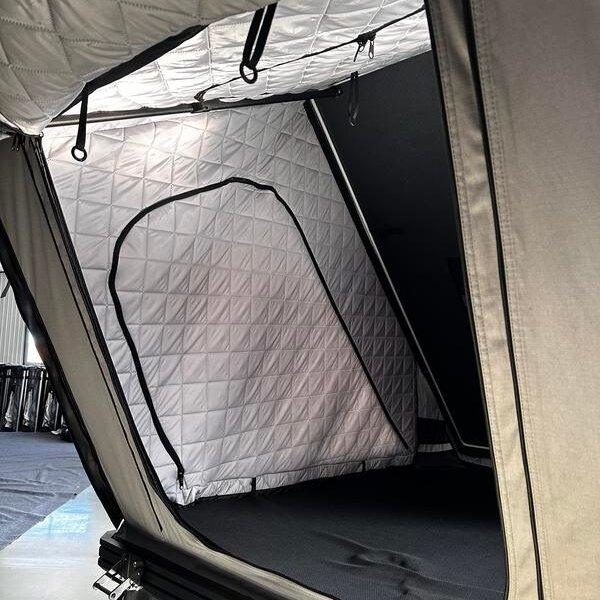
This guide gives you practical, experience-based schedules, fabric-specific techniques, and troubleshooting steps so you protect your investment and avoid costly repairs.
Key Takeaways
- Trapped moisture is the #1 enemy — always dry the tent completely before packing or storing.
- Use only mild, non-detergent cleaners to avoid stripping factory waterproof coatings.
- Hard-shell RTTs require less frequent fabric maintenance but more attention to hinges, gas struts, and seals.
- Re-apply DWR treatment when water no longer beads on the fabric — typically annually or after heavy use.
- Lubricate zippers and check mounting hardware seasonally to prevent mechanical failure.
- Proper off-season storage in a cool, dry, breathable environment prevents UV damage and mildew.
Why Regular Roof Top Tent Maintenance Matters
Rooftop tents endure constant exposure to UV rays, road dust, rain, snow, and temperature swings. Without care, PU or silicone coatings break down, fabrics lose waterproofing, and seams weaken. Many owners replace tents after 4–6 years simply because they skipped basic routines.
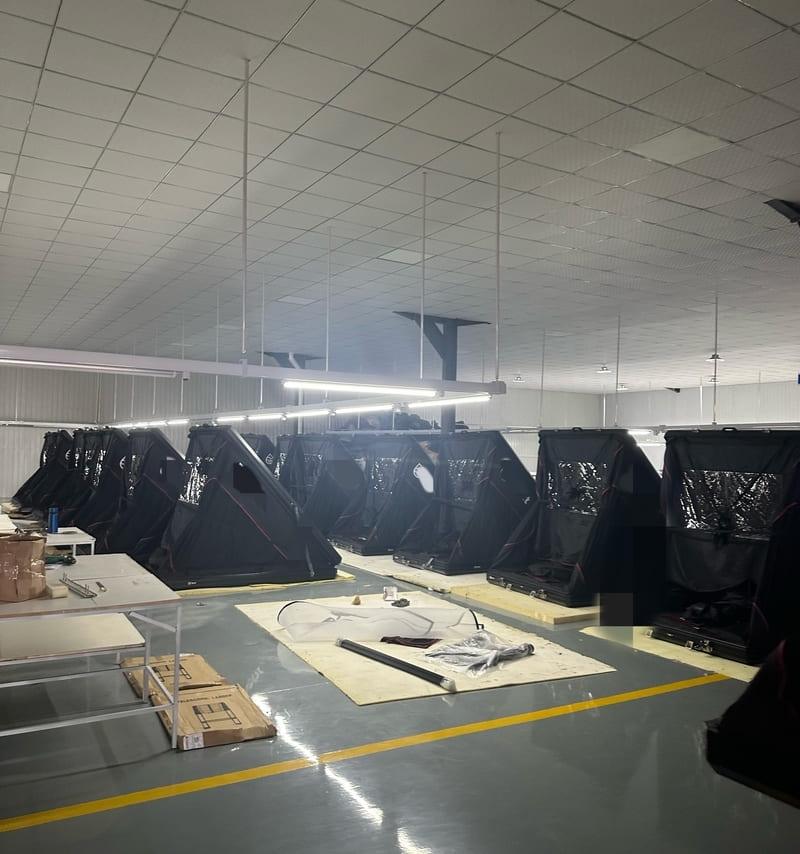
Proper maintenance is straightforward and pays off. Real-world data from long-term users shows well-cared-for tents routinely reach 10–15 years with minimal issues. It also preserves resale value and prevents mid-trip failures.
For a complete overview of choosing the right tent in the first place, read The Ultimate Roof Top Tent Guide.
Post-Trip Maintenance Routine (After Every Use)
The single most important step in rooftop tent maintenance is fully drying the tent after every trip. Even a few hours of trapped moisture can start mildew growth that weakens fabric and creates odors.
Step-by-step post-trip routine:
- Set up the tent fully in a dry, breezy area as soon as you return home.
- Open all windows, doors, and vents for maximum airflow.
- Wipe interior surfaces with a microfiber cloth to remove condensation or dirt.
- Brush or vacuum loose debris from the floor and walls.
- Allow the tent to air dry completely — usually 4–24 hours depending on weather and humidity.
- Once fully dry, inspect for damage before packing.
In humid or rainy climates, many owners add a small fan or dehumidifier during drying. Skipping this step is the leading cause of early tent failure.
Deep Cleaning: Interior and Exterior
Clean your rooftop tent gently with mild soap and water to remove dirt without damaging coatings. Harsh detergents, bleach, or pressure washers strip protective layers and accelerate wear.
Interior cleaning tips:
- Vacuum or sweep the floor first.
- Wipe walls and ceiling with a solution of mild soap and warm water.
- Spot clean stains immediately — dried mud or sap is much harder to remove later.
- Never machine wash any part of the tent.
Exterior cleaning tips:
- Rinse with a garden hose on low pressure.
- Use a soft brush or sponge with mild soap for stubborn spots.
- For hard-shell exteriors, a gentle automotive cleaner works well on ABS or aluminum surfaces.
- Rinse thoroughly and allow full drying.
One overlander in the Pacific Northwest reported doubling fabric life by switching from harsh cleaners to tent-specific mild formulas. Avoid abrasive pads that scratch coatings.
Waterproofing and UV Protection
Re-apply DWR (Durable Water Repellent) treatment when water stops beading on the fabric — usually once or twice per year. Factory coatings degrade from UV exposure and abrasion, reducing hydrostatic pressure over time.
Step-by-step waterproofing process:
- Clean and fully dry the tent.
- Set it up and spray a quality DWR product (such as Nikwax Tent & Gear SolarProof) evenly on the exterior.
- Wipe off excess with a damp cloth.
- Allow to cure according to product instructions — often 24 hours.
- Test by spraying water; it should bead and roll off.
Recommended frequency:
- Light recreational use: Once per year
- Frequent or harsh conditions: Twice per year
- After heavy rain exposure or visible wetting through
Seam sealing is also important. Apply seam sealer to high-stress areas every 1–2 years. Proper waterproofing maintains ratings of 3,000 mm or higher and keeps you dry in heavy storms.
Hardware, Zippers, and Mechanical Care
Lubricate zippers and inspect hardware every 3–6 months to prevent sticking and wear. Moving parts see constant stress from folding, vibration, and temperature changes.
Hardware maintenance checklist:
- Lubricate all zippers with silicone spray or zipper lubricant (avoid oil-based products that attract dirt).
- Check and tighten mounting bolts and crossbar connections.
- Inspect gas struts or scissor mechanisms for smooth operation and leaks.
- Clean and lubricate hinges on hard-shell models.
- Examine ladder rungs and straps for fraying or weakness.
A simple annual inspection catches most issues early. One user avoided a $300 repair by catching a loose gas strut before it failed on a remote trip.
Hard Shell vs Soft Shell Maintenance Differences
Hard-shell and soft-shell rooftop tents have distinct maintenance needs due to their construction. Hard shells emphasize mechanical care, while soft shells focus on fabric protection.

Hard Shell vs Soft Shell Maintenance Comparison
| Area | Hard Shell RTT | Soft Shell RTT |
| Fabric Care | Minimal — mainly exterior shell cleaning | Frequent gentle cleaning and waterproofing |
| Hardware Focus | High — hinges, struts, latches | Moderate — zippers and poles |
| Drying Time | Faster due to rigid shell | Longer — larger fabric surface |
| UV Protection | Shell protects fabric when closed | Needs regular DWR and UV protectant |
| Storage | Easier to cover or store closed | Requires more space and careful folding |
Hard shells are generally lower maintenance for fabric but demand regular mechanical checks. Soft shells reward diligent fabric care with longer life. Choose your routine based on your tent type.
Compare the two designs in more detail with Hard Shell vs Soft Shell Roof Top Tent.
Long-Term Storage and Seasonal Preparation
Proper off-season storage prevents UV damage, mildew, and mechanical fatigue. Never store a tent damp or compressed for long periods.
Storage best practices:
- Clean and fully dry the tent before storing.
- Store indoors if possible, or use a breathable, waterproof cover outdoors.
- Avoid direct sunlight and extreme temperature swings.
- For hard shells, keep the tent closed with latches secured but not overtightened.
- Loosen or remove heavy gear to reduce stress on fabric and mechanisms.
- Inspect and re-lubricate before the next season.
In desert climates, focus on dust protection. In humid areas, prioritize airflow and mildew inhibitors. Many owners remove the tent for winter storage to reduce constant roof load and UV exposure.
For guidance on choosing a tent that’s easier to maintain from the start, see the Roof Top Tent Buying Guide.
FAQ
Can I pressure wash my rooftop tent?
No. High-pressure washers damage coatings and force water into seams. Use a garden hose on low pressure or a soft brush instead.
How do I remove stubborn mold or mildew stains?
Mix a solution of white vinegar and water (1:1), apply gently, let sit 10–15 minutes, then rinse thoroughly. Dry completely and treat with a mildew inhibitor. Avoid bleach.
Does leaving the tent mounted on the car year-round require different maintenance?
Yes. Increase inspection frequency for mounting hardware and add UV protectant more often. Consider a quality cover to reduce sun and dust exposure.
What’s the best way to clean the mattress and bedding?
Spot clean with mild soap. Remove and air out regularly. Most mattresses are not machine washable — vacuum and use a protective cover instead.
How often should I replace zippers or repair seams?
Zippers rarely need full replacement if lubricated regularly. Repair small seam issues immediately with seam sealer or tape. Major repairs are best done by professionals.
Will using certain cleaners void my tent warranty?
Possibly. Check your manufacturer’s guidelines. Harsh chemicals or pressure washing often void coverage.
How does maintenance differ in coastal, desert, or humid climates?
Coastal: Rinse salt regularly and use extra corrosion protection on hardware. Desert: Focus on dust removal and UV protection. Humid: Emphasize thorough drying and mildew prevention after every use.
Conclusion
Consistent rooftop tent maintenance is simple but makes the difference between a tent that lasts 5 years and one that serves reliably for 12–15 years. Focus on complete drying after every trip, gentle cleaning, timely waterproofing, and hardware checks. These habits prevent the majority of common failures and keep your tent ready whenever adventure calls.
Start today with a post-trip drying routine and seasonal deep clean. Track what works for your climate and usage. A little effort now saves significant money and frustration later.
Stay proactive, and your rooftop tent will continue delivering dry, comfortable nights for many seasons ahead.
About Everlead Outdoor
Everlead Outdoor is a specialized China-based manufacturer of professional-grade rooftop tents and vehicle-mounted shelters. With over a decade of experience and ISO 9001:2015 certification, the company builds tents using durable materials engineered for long-term performance when maintained properly. As a direct OEM/ODM partner with flexible minimum order quantities and U.S. inventory options, Everlead Outdoor supports buyers seeking quality equipment designed to withstand real-world use with routine care.