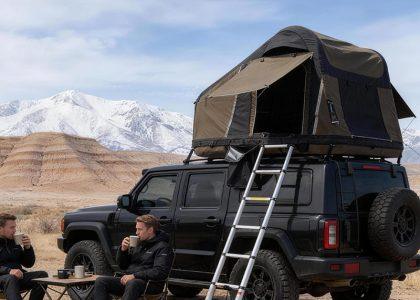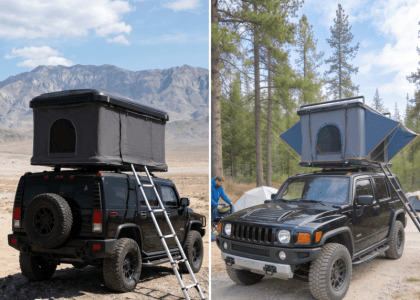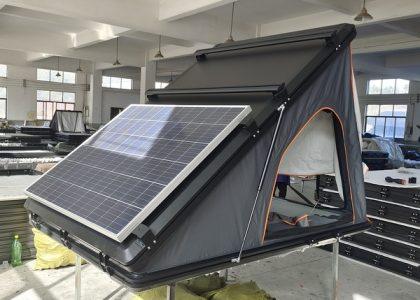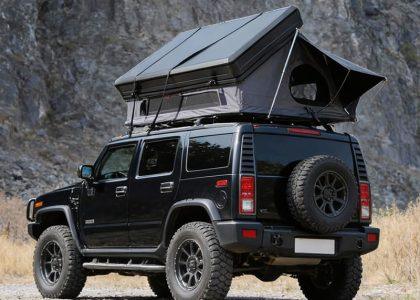
Many vehicle owners hesitate before adding a rooftop tent (RTT). They worry about dents in the roof, scratched paint, strained suspension, or long-term structural issues. These concerns are valid—improper setups have caused real damage in some cases. Yet thousands of overlanders use RTTs for years without problems.
No, roof top tents do not inherently damage your car. Most reported issues stem from exceeding roof load limits, poor mounting practices, or repeated careless installation and removal. When matched to a compatible vehicle, installed on a properly rated roof rack system, and used within limits, the risk remains minimal even after hundreds of nights of use.
This guide explains exactly how damage occurs, what factors matter most, and how to set up and maintain your RTT safely for years of reliable service.
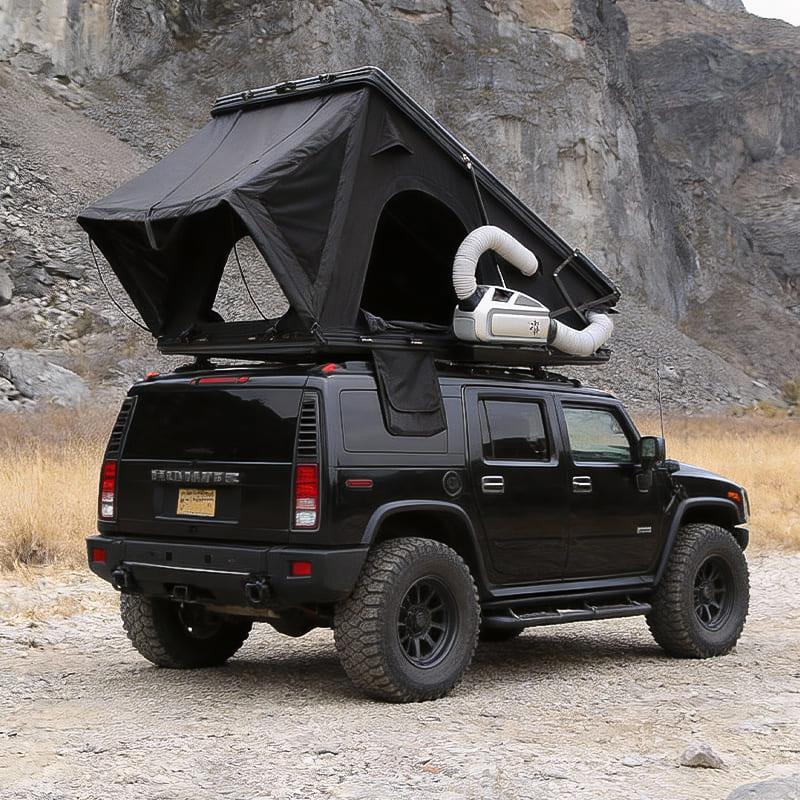
Key Takeaways
- Damage is rarely caused by the tent itself but by exceeding static or dynamic roof load ratings.
- Hard-shell RTTs often distribute weight more evenly and create less vibration than soft-shell models.
- Most paint scratches and small dents happen during mounting or removal, not normal driving or camping.
- Suspension and handling changes are noticeable long before roof damage occurs.
- Modern vehicles with reinforced mounting points and quality roof racks handle RTTs far better than older unibody designs.
- Regular torque checks and proper storage prevent the majority of long-term wear.
Why Roof Top Tents Raise Damage Concerns
Rooftop tents add significant weight and height to any vehicle. A typical hard-shell model weighs 120–180 lbs (55–82 kg) before gear, while soft-shell versions range from 80–130 lbs. That extra mass sits high up, shifting the center of gravity and placing constant pressure on the roof.
Owners frequently ask whether the tent will dent the roof panels, stress the suspension, or affect resale value. Real-world experience shows that damage is preventable in most cases, but it does happen when basic rules are ignored.
For a broader foundation on choosing and using rooftop tents safely, read The Ultimate Roof Top Tent Guide.
Do Roof Top Tents Damage Car Roofs?
Roof top tents damage car roofs only when weight limits are exceeded or mounting is done incorrectly. The roof itself rarely fails under normal static loads if the vehicle was designed with roof rails or reinforced mounting points.
Modern vehicles often feature reinforced roof structures with specific mounting locations. Older unibody cars without dedicated roof rails are more vulnerable to localized pressure that can cause dents over time.
Common causes of roof damage:
- Using universal clamps that concentrate force on thin sheet metal instead of factory mounting points.
- Overtightening bolts or using incorrect torque specs.
- Leaving the tent on for years without periodic inspection and re-torquing.
- Driving under low clearances that scrape the tent and transmit force to the roof.
In practice, careful owners who follow manufacturer torque recommendations and use vehicle-specific racks report zero roof damage after 5+ years.
Weight Limits and Load Capacity Explained
Static and dynamic roof load ratings determine whether a rooftop tent is safe for your vehicle. Ignoring these numbers is the leading cause of actual damage.
Static load is the maximum weight the roof can support when the vehicle is parked and stationary. This is usually 3–6 times higher than the dynamic rating because there are no road forces.
Dynamic load is the limit while driving. This accounts for bumps, wind, and vibration that multiply the effective force on the roof.
Static vs Dynamic Load Comparison
| Load Type | Definition | Typical Range (many SUVs) | What It Includes | Risk if Exceeded |
| Static | Parked / stationary | 200–400+ kg (440–880+ lbs) | Tent + occupants + gear | Roof deformation, mounting failure |
| Dynamic | Driving / in motion | 75–150 kg (165–330 lbs) | Rack + tent only (no occupants) | Handling issues, fatigue damage |
Always use the lower of the vehicle or roof rack rating. Add the weight of the rack, tent, and any stored gear. A 150 lb tent on a 50 lb rack already uses most of a 200 lb dynamic limit.
For detailed guidance on calculating safe loads, see How Much Weight Can a Roof Rack Hold?.
Hard Shell vs Soft Shell: Which Is Safer for Your Car?
Hard-shell rooftop tents generally pose lower risk of long-term damage due to better weight distribution and reduced vibration. Soft-shell models are lighter but can flap or create more wind resistance.
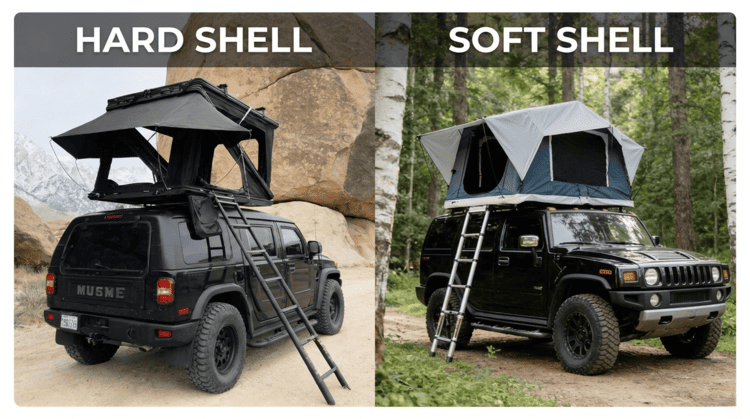
Hard shells have a rigid structure that spreads load across mounting points more evenly. Their lower closed profile reduces aerodynamic drag and wind-induced stress on the roof. Soft shells, when packed, often have more fabric and poles that can shift slightly during driving.
Hard Shell vs Soft Shell Impact on Vehicle
| Aspect | Hard Shell | Soft Shell |
| Typical Weight | 120–180 lbs | 80–130 lbs |
| Weight Distribution | More even across mounting points | Can concentrate on fewer points |
| Vibration & Noise | Lower | Higher (fabric movement) |
| Aerodynamic Stress | Better (lower profile) | Increased drag when packed |
| Long-Term Roof Strain | Generally lower | Moderate if not tensioned properly |
Choose based on your vehicle and typical driving conditions. For most SUVs and trucks, a well-designed hard shell creates less cumulative stress.
Compare options in detail with Hard Shell vs Soft Shell Roof Top Tent.
Suspension, Handling, and Long-Term Vehicle Wear
The most noticeable effects of a rooftop tent appear in suspension and handling long before the roof shows damage. Added height and weight increase body roll, raise the center of gravity, and make the vehicle feel less planted in corners or wind.
Braking distances lengthen slightly. Fuel economy typically drops 10–20% at highway speeds due to added drag. Off-road, the higher center of gravity demands more cautious driving to avoid tip-over risk.
Real-world example: Owners of mid-size SUVs often report a firmer ride and more sway on highway exits after installing a 150 lb hard shell. The suspension compresses more under load, but permanent damage is rare unless the vehicle is frequently overloaded or driven aggressively off-road.
Monitor for new noises, uneven tire wear, or excessive sway—these are early warnings to check mounting and possibly remove gear.
Common Installation and Removal Mistakes to Avoid
Most paint scratches, small dents, and loose mounting issues occur during installation or removal. Rushing the process or using the wrong tools turns a simple job into an expensive repair.
Safe mounting step-by-step:
- Park on level ground and confirm all roof load ratings.
- Use vehicle-specific or high-quality crossbars rated for your tent’s weight.
- Position the tent according to manufacturer guidelines—usually centered or slightly rearward for better balance.
- Tighten bolts to the exact torque spec (usually 15–25 Nm—use a torque wrench).
- Double-check all clamps and straps before driving.
- When removing, support the tent fully to avoid dragging it across the paint.
Apply protective tape or rubber pads under clamps if needed. Never drag the tent across the roof.
For detailed instructions, follow How to Install a Roof Top Tent.
Vehicle Compatibility: Which Cars Handle RTTs Best?
Not every vehicle is equally suited for a rooftop tent. Trucks, body-on-frame SUVs, and vehicles with factory roof rails or reinforced mounting points handle the load best.

Unibody sedans and smaller crossovers often have lower dynamic ratings and thinner roof panels, making them riskier. Look for vehicles with published roof load ratings above 150 lbs dynamic and dedicated mounting points.
Red flags include: plastic roof rails only, very low dynamic ratings (under 75 kg), or older vehicles without updated structural reinforcements.
Many owners successfully run RTTs on Toyota 4Runners, Ford Broncos, Jeep Wranglers, and similar models for 5–10 years with zero roof issues when limits are respected.
To find the right tent for your vehicle, check Best Roof Top Tent for SUV or the Roof Top Tent Buying Guide.
Maintenance and Monitoring to Prevent Damage Over Time
Consistent inspection prevents small issues from becoming expensive repairs. Treat the roof rack and tent mounting points like any critical safety component.
Seasonal maintenance checklist:
- Re-torque all mounting bolts every 3–6 months or after rough roads.
- Inspect clamps, straps, and brackets for wear or loosening.
- Clean contact points to prevent trapped dirt from causing scratches.
- Remove the tent for long-term storage or extended highway trips to reduce constant stress.
- Check for new paint marks, dents, or unusual noises after every trip.
Early detection allows simple fixes. Many owners who follow this routine report no visible roof wear after thousands of miles.
Conclusion
Roof top tents do not have to damage your car. When you respect static and dynamic load limits, choose a compatible vehicle and quality rack, install carefully, and perform regular maintenance, most owners enjoy years of trouble-free use with no roof or structural issues.
Start by checking your vehicle’s exact ratings in the owner’s manual. Invest in a properly rated rack system and take time with the first installation. Monitor handling and mounting points during the first few trips.
A well-matched rooftop tent setup adds tremendous capability without compromising your vehicle’s integrity or safety.
About Everlead Outdoor
Everlead Outdoor is a specialized China-based manufacturer of professional-grade rooftop tents and vehicle-mounted shelters. As a direct OEM/ODM partner, the company focuses on durable designs using high-quality materials and precise engineering that support safe, long-term vehicle compatibility. With flexible minimum order quantities and in-stock U.S. inventory options, Everlead Outdoor helps buyers and brands source tents built to minimize common mounting and load-related concerns.
FAQ
Does leaving a roof top tent mounted year-round cause more damage?
Yes, constant exposure increases UV degradation on the tent and adds ongoing stress to mounting points. Periodic removal for deep cleaning and inspection is recommended for maximum longevity.
Will adding a roof top tent void my vehicle warranty?
It rarely voids the entire warranty, but damage directly caused by overloading or improper installation may not be covered. Check your owner’s manual and consult the dealer before fitting.
How does insurance typically handle rooftop tent-related damage?
Most comprehensive policies cover accidental damage, but you may need to add the tent as an accessory. Document proper installation and load compliance to strengthen any claim.
Can a roof top tent damage my car during off-road driving?
Yes, if the dynamic load is exceeded on rough trails or if the tent shifts. Use a safety margin below ratings and secure all straps tightly for off-road use.
What should I do if I notice new dents or noises after installing an RTT?
Stop driving immediately if safety is compromised. Inspect all mounting points, re-torque bolts, and consult a professional. Small dents can sometimes be repaired without removing the rack.
Are there specific roof rack systems that reduce damage risk the most?
Vehicle-specific racks with integrated mounting points and high load ratings (from Thule, Yakima, or similar) generally perform best. Avoid cheap universal clamps on vehicles without reinforced roofs.
How much does professional installation cost compared to DIY?
Professional installation typically runs $200–500 depending on location and rack type. DIY saves money but requires a torque wrench and careful measurement to avoid damage.