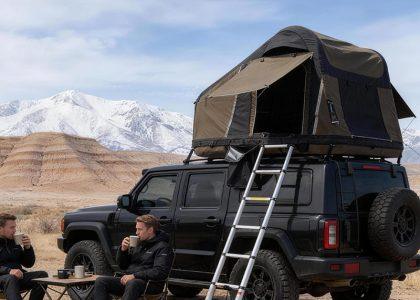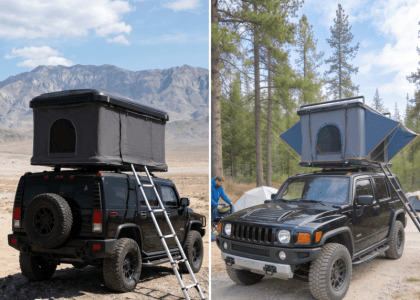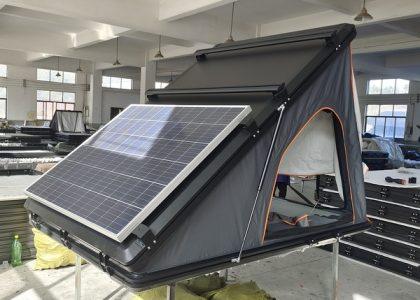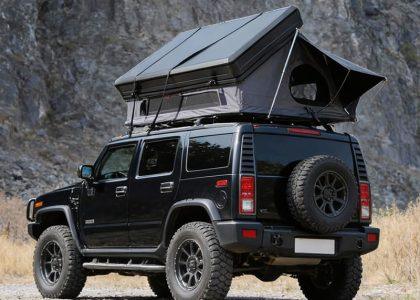
Roof top tents represent a significant investment for overlanders, weekend adventurers, and full-time travelers. A well-chosen RTT can transform vehicle-based camping into a reliable, elevated shelter that withstands years of use.
Roof top tents typically last 8–15 years with proper care. Hard-shell models often reach 10–15 years, while soft-shell designs average 5–10 years. Lifespan depends heavily on materials, climate exposure, usage frequency, and maintenance habits. Premium builds using aviation-grade aluminum and high-denier PU-coated fabrics consistently outperform budget options.
This definitive guide breaks down real-world data, material science, and proven maintenance protocols to help you maximize every year of service from your investment.
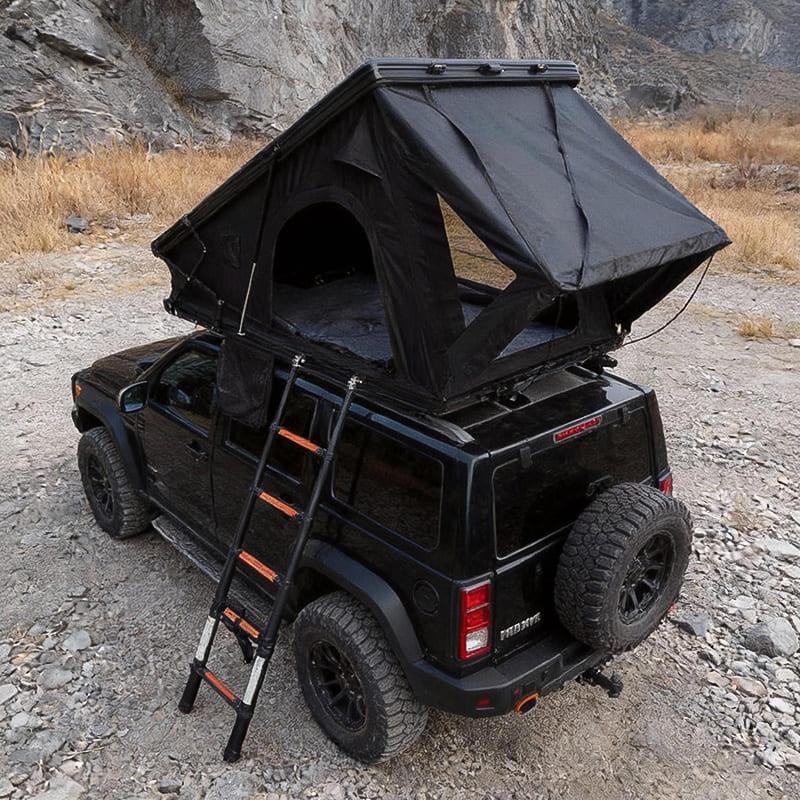
Table of Contents
- What Is the Average Lifespan of a Roof Top Tent?
- How Do Hard Shell and Soft Shell Roof Top Tents Compare in Longevity?
- What Factors Most Impact How Long Your Roof Top Tent Lasts?
- How Does Material Quality Influence Roof Top Tent Durability?
- What Maintenance Routine Maximizes Roof Top Tent Lifespan?
- How Can You Tell When Your Roof Top Tent Is Reaching the End of Its Life?
- How to Choose a Roof Top Tent Designed for Maximum Longevity
What Is the Average Lifespan of a Roof Top Tent?
Roof top tents last an average of 8–12 years under normal recreational use. Heavy users who camp 30+ nights per year often see 5–8 years before noticeable degradation begins.
Real-world reports from long-term owners confirm this range. A 15-year-old Maggiolina hard-shell still performs reliably after hundreds of nights, while many soft-shell models show fabric wear after 6–7 seasons in harsh sun or coastal environments.
The difference comes down to design intent. Hard-shell tents protect fabric when closed and reduce UV exposure. Soft-shell tents expose more surface area year-round, accelerating wear.
Key lifespan benchmarks by usage level:
- Weekend warriors (10–20 nights/year): 10–15 years
- Frequent travelers (30–60 nights/year): 7–10 years
- Full-time overlanders (100+ nights/year): 4–7 years with diligent maintenance
How Do Hard Shell and Soft Shell Roof Top Tents Compare in Longevity?
Hard shell roof top tents last 10–15 years on average, while soft shell models last 5–10 years. The rigid outer shell provides superior protection against UV rays, weather, and mechanical stress.
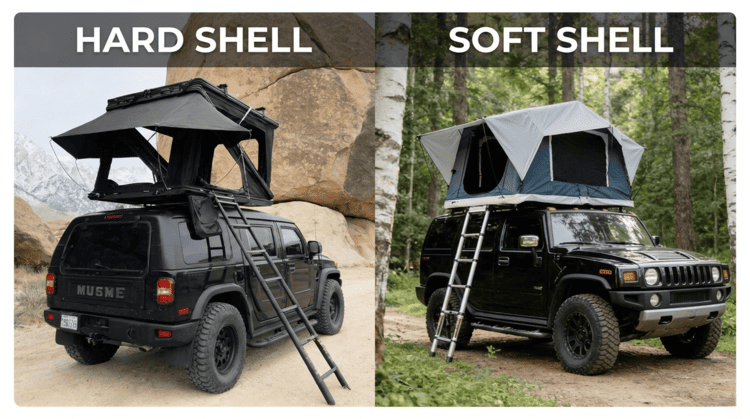
Hard shells use ABS composites or aluminum that resist dents, cracking, and fading far better than fabric rain covers. When closed, the shell shields the tent body completely. Soft shells rely on a PVC or Oxford cover that degrades faster under constant exposure.
Hard Shell vs Soft Shell Longevity Comparison
| Factor | Hard Shell RTT | Soft Shell RTT |
| Typical Lifespan | 10–15 years | 5–10 years |
| UV & Weather Resistance | Excellent (shell protects fabric) | Good (fabric exposed year-round) |
| Fabric Wear | Minimal | Moderate to high |
| Hardware Durability | High (fewer moving parts exposed) | Moderate (more zippers & straps) |
| Resale Value After 5 Years | Retains 60–75% | Retains 40–55% |
Hard shells also shed snow and resist wind better, reducing structural stress over time.
What Factors Most Impact How Long Your Roof Top Tent Lasts?
Three primary factors determine roof top tent lifespan: environmental exposure, usage intensity, and installation quality. Neglect any one and service life drops sharply.
Constant UV exposure breaks down polyurethane coatings within 3–5 years in sunny climates. Coastal salt air or desert dust accelerates hardware corrosion. Frequent setup in rain without proper drying invites mildew that weakens seams.
Vehicle vibration and improper mounting add mechanical stress. A poorly balanced load or loose crossbars can fatigue hinges and mounting points prematurely.
Critical risk factors ranked by impact:
- UV and weather exposure (biggest single killer)
- Incomplete drying after use (leads to mold and seam failure)
- Overloading beyond static roof rating
- Infrequent inspection of zippers and stitching
How Does Material Quality Influence Roof Top Tent Durability?
Material quality directly dictates how long a roof top tent lasts. Aviation-grade T6 aluminum frames and 600D+ ripstop fabrics with double PU or silicone coatings routinely outlast budget alternatives by 5+ years.

Lower-grade steel frames rust quickly. Thin polyester fabrics lose waterproofing after 2–3 seasons. Premium tents use ripstop canvas with taped seams and reinforced stress points that maintain integrity through repeated folding.
Material comparison for longevity:
- Frame: T6 aluminum (light, corrosion-resistant, 12+ years) vs mild steel (heavier, rust-prone, 6–8 years)
- Shell/Fabric: ABS composite or high-denier Oxford with silicone coating (10–15 years) vs basic PVC (4–7 years)
- Zippers & Hardware: Marine-grade stainless or coated brass (minimal failure) vs standard zippers (common point of failure after 5 years)
Investing in verified high-spec materials pays off in fewer repairs and higher resale value.
What Maintenance Routine Maximizes Roof Top Tent Lifespan?
A consistent 4-step seasonal maintenance routine can extend roof top tent life by 30–50%. Treat it like any high-value outdoor investment.
After every trip: fully open and air-dry the tent for at least 24 hours before packing. Wipe interior surfaces and inspect for tears. Reapply waterproofing spray to fabric and seams every 12–18 months or after heavy rain exposure.
Annual deep maintenance checklist:
- Inspect and lubricate all zippers and hinges
- Check mounting bolts and crossbar torque
- Clean aluminum surfaces with mild detergent (never abrasive)
- Apply UV protectant to fabric and rubber seals
- Store indoors or under a breathable cover when not in use
Never store a damp tent. Even one season of improper storage can halve expected lifespan.
How Can You Tell When Your Roof Top Tent Is Reaching the End of Its Life?
Visible fabric thinning, repeated seam leaks, and hardware failure signal the end of reliable service. Most tents give clear warnings 1–2 seasons before total failure.
Look for pinhole leaks that waterproofing spray no longer seals, excessive sagging in the floor, or zippers that jam repeatedly. Cracked hinges or rattling during travel indicate structural fatigue.
Replacement indicators:
- Waterproof rating drops below 2000 mm after re-treatment
- Visible mold that returns after cleaning
- Frame or shell cracks that compromise aerodynamics or safety
- Setup time increases dramatically due to stiff or damaged mechanisms
When three or more signs appear simultaneously, plan for replacement rather than repeated repairs.
How to Choose a Roof Top Tent Designed for Maximum Longevity?
Select roof top tents built with documented high-spec materials and rigorous quality control. Prioritize manufacturers that publish material data sheets and offer extended warranties.
Look for 600D+ ripstop fabrics with verified PU or silicone coatings, T6 aluminum frames, and 100% in-house inspection processes. Avoid tents with vague “weatherproof” claims and no third-party testing data.
Buying checklist for long-term durability:
- Request fabric denier, coating type, and hydrostatic rating
- Confirm frame alloy grade and corrosion treatment
- Verify warranty coverage on fabric and hardware
- Choose brands with proven field longevity reports
A tent that costs 20–30% more upfront often delivers twice the service life and better resale value.
Conclusion
Roof top tents deliver 8–15 years of reliable service when built right and maintained properly. Hard-shell designs with premium materials consistently outperform soft-shell options in longevity, while diligent care—especially complete drying and seasonal re-waterproofing—extends any model’s lifespan significantly.
The data is clear: quality materials and proactive maintenance are the two controllable variables that separate tents lasting a decade from those failing in half that time.
Partnering with Everlead Outdoor
Everlead Outdoor engineers professional-grade rooftop tents using aviation-grade T6 aluminum and high-performance PU-coated fabrics specifically chosen for long-term durability. With over a decade of focused manufacturing experience, ISO 9001:2015 certification, and a non-negotiable 100% in-house inspection on every unit, the company delivers tents built to reach the upper end of the 10–15 year lifespan range. Whether you need a single unit for personal use or scaled production for your brand, Everlead Outdoor provides direct OEM/ODM solutions that solve the common durability challenges faced in real-world overlanding conditions.