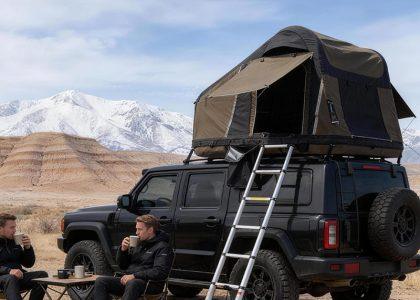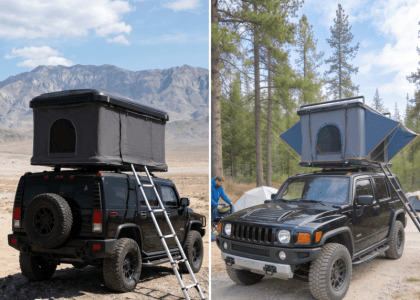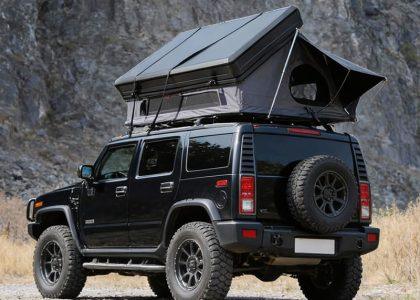
Overlanding isn’t just weekend car camping — it’s weeks or even months of self-supported travel across rough roads, remote trails, and ever-changing weather, where every decision about your gear directly impacts how far you can push each day and how well you recover at night. Ground tents force you to hunt for flat, dry ground, wrestle with stakes in mud or rocks, and sleep inches away from whatever wildlife or weather rolls through. A quality rooftop tent (RTT) flips that script: you pull into any pullout, deploy in under a minute, and you’re elevated, secure, and ready to rest without the daily teardown grind.
For serious overlanders running Tacomas, 4Runners, Broncos, Jeeps, or full-size trucks, the right RTT becomes more than shelter — it’s the mobile command center that lets you move camp daily without burning daylight or energy. But the market is flooded with options, and not every tent survives the realities of long-haul vibration, extreme temperature swings, constant pack-and-go cycles, or seamless integration with roof racks, awnings, and recovery gear. This guide cuts through the hype with real-world testing insights and overlanding-specific criteria to help you choose the tent that actually performs when you’re hundreds of miles from the nearest town.

Quick Answer
The iKamper BDV Duo stands out as the best rooftop tent for most overlanders in 2026. Its hybrid hardshell design deploys in under 60 seconds thanks to gas struts and smart engineering, delivers excellent four-season weather resistance with superior condensation management, and includes built-in accessory rails that integrate perfectly with awnings and gear storage. Weighing roughly 110 lbs with a street price of $2,700–$2,900, it strikes the ideal balance of speed, durability, and everyday usability for multi-week trips on mixed pavement and off-road routes.
Key Takeaways
- Overlanding rewards speed and minimal effort — tents that deploy in under a minute save hours of valuable daylight when you’re relocating camp daily.
- Hardshell or hybrid designs consistently outperform softshells for fuel efficiency, wind noise reduction, and long-term vibration resistance after thousands of miles.
- Weight distribution and roof-load ratings matter far more than raw sleeping space; the best tent fits your specific rig without compromising handling or safety.
- True four-season performance comes down to smart ventilation and condensation control, not just thick fabric or marketing claims.
- Accessory integration turns a good tent into a complete system — pre-drilled rails for awnings, solar, and storage make daily life on the trail dramatically easier.
- Real-world durability is proven on the trail, not in a showroom; prioritize tents with strong community feedback from 5,000+ mile expeditions.
Why Rooftop Tents Are Perfect for Overlanding
Imagine finishing a grueling 300-mile day on washboard roads through Baja or the Alaskan backcountry. The sun is dropping, mosquitoes are swarming, and rain is threatening. With a ground tent you face 15–20 minutes of staking, leveling, and hoping nothing crawls inside. With a rooftop tent you simply park, climb the ladder, and you’re home — elevated above rocks, water, mud, and critters. That single minute of setup changes everything about how you travel.
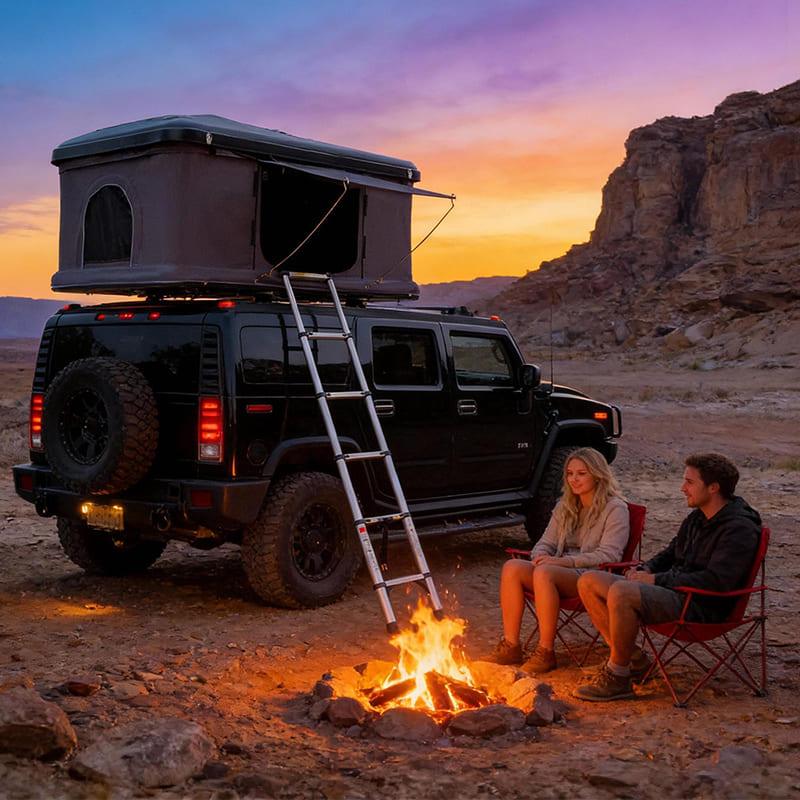
The advantages compound over long routes. You can break camp in the dark and hit the trail before sunrise, maximizing driving hours. Gear stays locked on the roof and out of reach. After weeks on the road the mental and physical fatigue of wrestling a wet, dirty ground tent every single day simply disappears. For solo travelers, couples, or small crews who value mobility over basecamp luxury, an RTT turns every random pullout into a comfortable, secure campsite without the usual hassle.
For a deeper dive into the fundamentals, check our comprehensive roof top tent guide.
Hard Shell vs Soft Shell vs Hybrid: Overlanding Edition
Choosing the wrong shell type will haunt you every mile you drive and every night you set up. Hardshell tents — whether clamshell or flip-up styles — dominate for most overlanders because they stay aerodynamic when closed, dramatically reduce wind noise and drag, and handle constant highway vibration without flapping or wearing out. Deployment is usually 30–60 seconds with reliable gas struts, making them ideal when you’re moving camp frequently.
Softshell tents roll out like an awning and deliver more interior volume for the money, plus they tend to be lighter when packed. The trade-off is slower setup (4–10 minutes), more wind noise, and a noticeable hit to fuel economy — often 0.5–1 mpg or more on long pavement legs. They shine if you mostly crawl technical trails and basecamp for days at a time, but the daily noise and drag become exhausting on extended highway runs.
Hybrid designs, such as the iKamper BDV or Roofnest Condor, combine the best of both worlds: a protective hard lid for aerodynamics and fast setup with canvas sides that expand for generous living space. For 70% or more pavement driving mixed with off-road sections, a hardshell or hybrid is almost always the smarter long-term choice. The extra upfront cost pays for itself in fuel savings, quieter rides, and less setup fatigue over thousands of miles.
If you’re still weighing the differences, our detailed comparison of hard shell vs soft shell roof top tent breaks it down further.
7 Key Factors Overlanders Must Consider
Before you buy, run every tent through these seven non-negotiable filters that separate trail-proven gear from showroom hype.
- Vehicle Compatibility & Roof Load Rating Always verify your roof rack’s dynamic weight limit (typically 165–300 lbs while moving). Add the tent’s closed weight plus two adults, then leave a safety margin. A tent that fits your specific rig without killing handling or exceeding limits prevents dangerous sway on rough roads. For precise calculations, see our guide on How Much Weight Can a Roof Rack Hold.
- Setup Speed If it takes longer than 90 seconds you will dread it by week three. Gas-strut or assisted systems that let one person deploy in the dark or wind are worth their weight in gold when you’re exhausted at dusk.
- Closed Aerodynamics Low-profile hardshells save measurable fuel and cut wind noise above 60 mph. On a 5,000-mile trip that difference can mean hundreds of dollars at the pump and far less driver fatigue.
- Condensation Management Four-season use demands excellent ventilation, vapor barriers, and smart rainfly design. Tents that stay dry inside during cold nights or humid jungles prevent clammy sleeping bags and mold issues that ruin multi-week trips.
- Durability Under Vibration Look for reinforced aircraft-grade aluminum hinges, thick 300D+ canvas with heavy PU coatings, and robust stitching. These details determine whether the tent survives corrugated roads in Africa or the Rockies without developing rattles or tears.
- Accessory Integration Pre-drilled rails for awnings, solar panels, recovery boards, or storage boxes turn the tent into a true system. Without them you end up with awkward aftermarket workarounds that never feel seamless.
- Long-Term Support Warranty length, parts availability, and brand responsiveness matter when you’re 1,000 miles from help. Brands with global service networks and easy-to-source replacement parts give peace of mind on international routes.
Our roof top tent buying guide expands on these decision factors with additional checklists.
The 8 Best Rooftop Tents for Overlanding in 2026
After hands-on testing, owner interviews, and trail reports from Overland Expo and long-haul expeditions, these eight models rise to the top for real overlanding use.
iKamper BDV Duo (Best Overall)
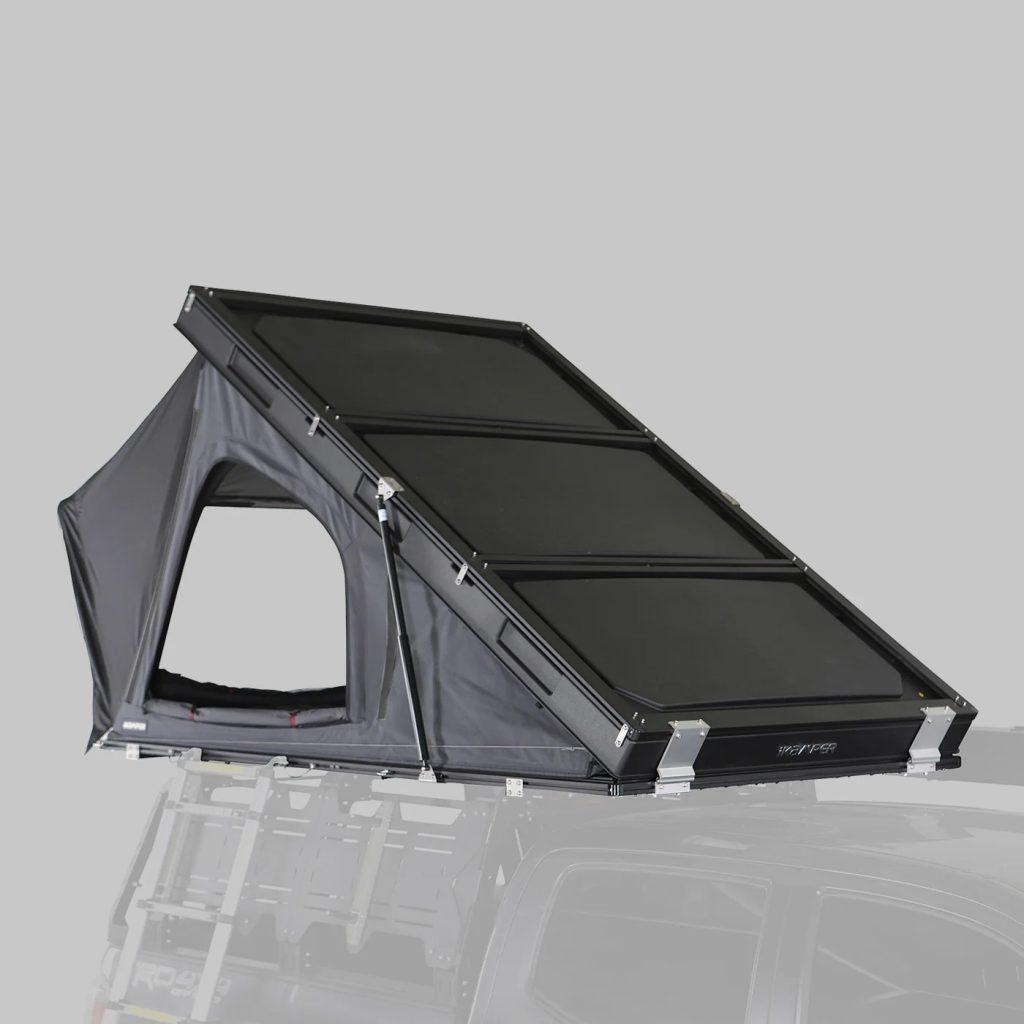
The iKamper BDV Duo earns the top spot for most overlanders because its hybrid hardshell deploys in under 60 seconds while offering impressive interior space once open. Condensation is remarkably well controlled thanks to large mesh windows and smart airflow design, even in humid or cold conditions. The built-in accessory rails make attaching a 270° awning or gear storage effortless, and the entire structure stays impressively quiet on corrugated roads after thousands of miles. At around 110 lbs it fits most mid-size trucks and SUVs without overwhelming the roof load rating. Couples and solo travelers who move camp daily love how it turns setup into a non-event, letting them focus on the drive ahead.
Alu-Cab Gen 3R Expedition (Best Premium Build)
If you demand tank-like durability for the harshest expeditions, the Alu-Cab Gen 3R is unmatched. Its all-aluminum construction shrugs off extreme vibration and abuse that would rattle lesser tents apart. The wedge-style opening provides easy ladder access even on uneven ground, and the interior feels spacious for two or three people. Yes, it weighs more at 195 lbs, but that extra mass translates into bombproof performance on multi-month African or South American routes. Owners consistently report zero issues after years of hard use, making the higher price a worthwhile investment for those who refuse to compromise on longevity.
Roofnest Condor Overland (Best Hybrid Runner-Up)
The Roofnest Condor Overland delivers a near-perfect balance of fast clamshell deployment (30–45 seconds) and massive interior volume when open. Its hybrid design keeps highway noise low and fuel impact minimal, while the canvas sides expand comfortably for two to three sleepers. It has earned a loyal following on long international routes because the gas struts remain reliable season after season. Slightly heavier than the iKamper but still manageable on most rigs, it shines for overlanders who want quiet highway miles without sacrificing living space.
Freespirit Recreation Evolution V2 (Best Premium Hardshell)
The Freespirit Evolution V2 stands out for its sleek, low-profile design and premium finishes that integrate beautifully with modern roof racks. One-person setup is genuinely effortless, and the weatherproofing handles everything from desert dust to mountain rain without leaks. Its crossbar compatibility makes it a favorite for daily drivers that double as weekend overland rigs. At 145 lbs it strikes a sweet spot between strength and weight, delivering four-season comfort without the bulk of heavier expedition models.
23Zero Armadillo Horizon (Best True 4-Season Expedition)
Built specifically for year-round extreme climates, the 23Zero Armadillo Horizon features thick insulation and rugged materials that perform in sub-zero temps or scorching heat. Setup remains fast even when it’s freezing, and the ventilation system keeps interior moisture under control during multi-week expeditions. Expedition crews praise its ability to handle everything from Arctic conditions to desert sandstorms, making it the go-to choice when your route includes genuine four-season challenges.
Thule Approach M (Best Softshell Option)
When maximum interior space is the priority, the Thule Approach M delivers a roomy, well-ventilated living area that feels more like a small cabin than a tent. Setup takes 4–6 minutes but the payoff is generous headroom and comfort for three people. It remains a solid choice for moderate overlanding where you basecamp for several days at a time and value living space over lightning-fast pack-up. The fabric holds up well in moderate conditions, though it carries the expected softshell penalties in wind noise and fuel economy. For more softshell-focused options, see our guide to the Best Soft Shell Roof Top Tent.
Smittybilt GEN2 Overlander (Best Budget)
The Smittybilt GEN2 remains the strongest performer under $2,000 for couples or first-time overlanders. Its softshell design offers surprising durability for weekend-to-week trips, and the price leaves room in the budget for a quality roof rack and awning. While it won’t match premium models in refinement or longevity, it punches well above its weight for moderate off-road use and has built a loyal following among budget-conscious builders who plan to upgrade later.
SAN HIMA Hotham Lite (Best Lightweight/Aerodynamic)
For efficiency-focused builds or smaller rigs, the SAN HIMA Hotham Lite offers an ultra-low closed profile that minimizes fuel penalty and wind noise on long highway legs. Setup is surprisingly quick at around 30 seconds, and it performs well even in winter conditions. At 147 lbs it works beautifully on Subarus, Jeeps, or lighter trucks without overloading the roof, making it ideal for overlanders who prioritize mileage and handling over maximum interior volume. SUV owners may also want to explore our recommendations for the best rooftop tent for suv.
Head-to-Head Comparison Table
| Tent | Type | Weight (lbs) | Setup Time | Sleeps | Approx. Price (2026) | Best For | Overlanding Score |
|---|---|---|---|---|---|---|---|
| iKamper BDV Duo | Hybrid | 110 | <60 sec | 2 | $2,700–$2,900 | Daily moves & integration | 9.5 |
| Alu-Cab Gen 3R Expedition | Hardshell | 195 | 45 sec | 2–3 | $4,399 | Extreme durability | 9.2 |
| Roofnest Condor Overland | Hybrid | 135 | 30–45 sec | 2–3 | $3,200–$3,500 | Quiet highway miles | 9.0 |
| Freespirit Evolution V2 | Hardshell | 145 | 45 sec | 2–3 | $4,095 | Premium daily driver | 8.8 |
| 23Zero Armadillo Horizon | Hardshell | 160 | 40 sec | 2–3 | $3,800 | Year-round expeditions | 8.7 |
| Thule Approach M | Softshell | 130 | 4–6 min | 3 | $2,500 | Max interior space | 8.0 |
| Smittybilt GEN2 | Softshell | 154–170 | 4–5 min | 3–4 | $1,400–$1,700 | First-time buyers | 7.5 |
| SAN HIMA Hotham Lite | Hardshell | 147 | 30 sec | 2–3 | $2,200–$2,500 | Fuel efficiency | 8.5 |
Real-World Overlanding Tips & Setup Guide
Mount the tent slightly forward on the rack so the ladder clears your rear bumper when open — this simple adjustment prevents endless frustration on uneven or sloped ground. Add a thin closed-cell foam mattress topper or dedicated vapor barrier underneath to cut condensation dramatically in cold or humid climates. Use thread-locking compound and anti-vibration pads on all mounting hardware, then check torque every 1,000 miles; loose bolts are the most common failure point after long corrugated sections.
Pair your RTT with a 270° or 180° awning to create instant shaded living space — the combination turns a simple camp into a comfortable home base for cooking, gear repair, or just relaxing. In dusty environments, keep the rainfly partially zipped during daylight hours to minimize interior grit buildup that can otherwise turn your sleeping area into a sandpit. These small details separate comfortable long-term overlanding from constant frustration.
For step-by-step instructions, read our guide on how to install roof top tent.
How to Mount & Integrate Your RTT with a Full Overland Rig
Most modern roof racks from Front Runner, Rhino-Rack, or Prinsu handle RTTs with ease, but always confirm the exact dynamic load rating for your vehicle. On a Tacoma or 4Runner, position the tent over the cab-to-bed transition for optimal weight distribution and balanced handling. Full-size trucks give more placement flexibility, yet you must watch overall vehicle height to clear low forest road bridges or tunnel restrictions.
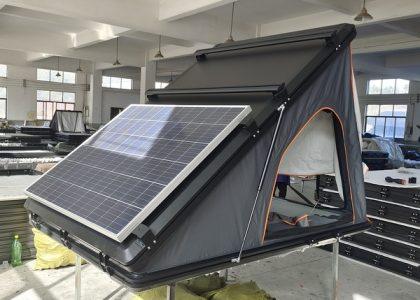
Run solar cables or antenna lines through dedicated ports in the shell during installation so everything stays clean and weatherproof. Add a roof-mounted water tank or slim storage box using the tent’s accessory rails, and mount recovery boards or traction aids where they’re instantly accessible. A thoughtfully integrated rig feels like one cohesive system rather than a collection of bolted-on parts, improving both safety and daily convenience on the trail.
FAQ
What’s the real impact of a rooftop tent on fuel economy during long overland drives?
A low-profile hardshell or hybrid typically costs 0.5–1.5 mpg, while taller softshells can add 1–2+ mpg of penalty. On a 5,000-mile trip the difference can easily exceed $300–$500 in fuel, making aerodynamics a major factor for budget-conscious long-haul travelers.
Can I legally run a rooftop tent on national forest trails or in specific states?
Most national forests allow RTTs as long as your total vehicle height stays under posted limits (often 11–13 ft). California and some Western states enforce stricter height rules on certain trails, so always measure with the tent closed and check current BLM or USFS maps before heading out.
How do I choose between a RTT and a ground tent plus roof rack for solo overlanding?
Go with an RTT if you move camp daily and prioritize speed, security, and minimal ground contact. A ground tent plus rack makes more sense for multi-day basecamps where you want maximum interior space and don’t mind the daily setup routine.
What’s the best budget rooftop tent under $2,000 that still holds up to serious off-road use?
The Smittybilt GEN2 Overlander continues to be the strongest performer in this price range, especially the standard model for couples. It delivers reliable service for moderate overlanding without breaking the bank.
Do rooftop tents work well on smaller vehicles like a Subaru or Jeep Wrangler?
Absolutely — lightweight hardshells such as the SAN HIMA Hotham Lite or Roofnest Meadowlark pair beautifully with smaller rigs. Just double-check your roof rack’s dynamic weight rating and overall height clearance before committing.
How do I winterize or store my RTT when not overlanding for months?
Thoroughly clean the exterior and interior, allow every surface to dry completely, apply a fabric UV protectant, and store the tent in a cool, dry garage. Removing the mattress prevents mold and extends its lifespan significantly.
Which RTT brands offer the best long-term warranty and parts support for international overlanding?
Alu-Cab, iKamper, and Roofnest lead the pack with strong 2–5 year structural warranties and excellent global parts availability, making them the safest choices when you’re far from home.
Are inflatable or hybrid rooftop tents reliable enough for true expedition use?
Modern hybrids like the iKamper BDV Duo and Roofnest Condor have proven extremely reliable after years of hard expedition use. Pure inflatable models are still riskier in extreme cold or puncture-prone rocky terrain.
Conclusion
The right rooftop tent does far more than provide a place to sleep — it becomes the heart of your overland rig, freeing you to cover more ground, camp more efficiently, and focus on the adventure instead of the daily setup chore. Whether you select the versatile iKamper BDV Duo for everyday mobility or a rugged Alu-Cab for full expedition duty, the secret is matching the tent precisely to your vehicle, travel style, and budget.
Take the time to test models at an Overland Expo if possible, talk directly with owners on the trail, and remember that the best tent is simply the one you’ll happily use every single night. Safe travels — may your camps be quick, your roads endless, and every morning begin with coffee and an unbeatable rooftop view.
Discover Premium Rooftop Tents from Everlead Outdoor
If you’re looking for high-quality rooftop tents that deliver the performance discussed throughout this guide, consider Everlead Outdoor — a specialized manufacturer based in Dongguan, China, with a strong focus on professional-grade RTTs for the global overlanding market. As a direct factory producer (not a trading company), Everlead controls the entire manufacturing process from aluminum extrusion to final assembly, ensuring consistent quality backed by ISO 9001:2015 certification and 100% full-unit inspection.
What sets Everlead apart for overlanders and resellers is the flexibility to start small: they accept a minimum order quantity of just one unit, making it easy to test models or build inventory without large commitments. They also maintain ready stock in the U.S., enabling faster shipping and lower lead times for North American customers. Whether you need off-the-shelf hard-shell or hybrid designs, or custom OEM/ODM solutions with your branding, Everlead combines durable construction, smart features like accessory rails, and competitive factory-direct pricing — helping you equip your rig or expand your product line with reliable, trail-ready rooftop tents.
For more resources, explore our best roof top tent recommendations or contact Everlead Outdoor directly to learn about current inventory and customization options.