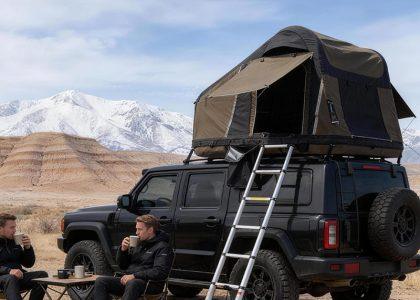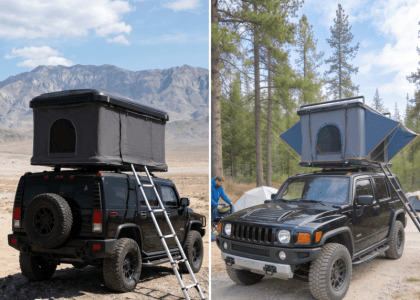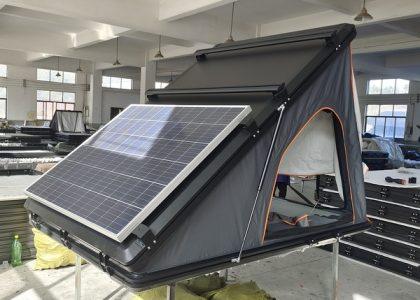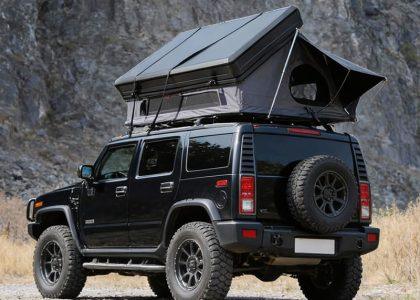
A stargazing rooftop tent replaces standard opaque roof panels with either a zippered mesh skylight or a fully transparent hard shell, delivering an unobstructed view of the night sky from your mattress. Choosing the right clear roof tent requires balancing maximum nighttime visibility against severe daytime heat retention and material durability. Many buyers quickly realize that sleeping under the stars introduces massive condensation and privacy challenges. This guide breaks down the exact material science behind acrylic and polycarbonate roofs, exposes the reality of the greenhouse effect, and teaches you how to manage thermal retention effectively.

Quick-Reference Summary
- Transparent shells trap heat: Solid acrylic roofs act like a magnifying glass, requiring thick internal blackout curtains to prevent daytime greenhouse temperatures.
- Condensation requires active management: Breathing under cold, solid plastic creates heavy condensation, demanding cross-ventilation or 12V exhaust fans.
- Polycarbonate outperforms acrylic: Select polycarbonate shells for superior impact resistance against trail branches compared to brittle acrylic.
- Mesh skylights offer superior airflow: Traditional canvas tents with roll-back rainflies provide excellent stargazing while maintaining natural breathability.
- UV yellowing is inevitable without coatings: Insist on factory-applied anti-UV hard coatings to prevent your clear roof from hazing after two summers.
What to Know Before You Decide
Before investing in an acrylic roof top tent, you must address thermal retention, privacy, and material degradation. Solid transparent roofs trap heat rapidly, creating an unlivable greenhouse effect by 8:00 AM unless the manufacturer includes heavy-duty blackout panels. Second, a clear roof eliminates privacy in crowded campsites and guarantees the morning sun will wake you at dawn. Finally, trail branches easily scratch untreated clear plastics, and harsh sunlight causes severe UV yellowing.
| Feature | Mesh Skylight (Canvas Tent) | Transparent Hard Shell |
| Roof Material | 280g–400g Poly-cotton & Bug Mesh | Solid Acrylic or Polycarbonate |
| Daytime Heat Retention | Low (highly breathable) | Extreme (greenhouse effect) |
| Morning Light Blocking | Excellent (zippered canvas flap) | Good (requires internal blackout curtains) |
| Condensation Risk | Low (moisture escapes through mesh) | High (moisture hits cold plastic) |
| Scratch Resistance | N/A (fabric yields to branches) | Poor (requires anti-scratch hard coatings) |
| Stargazing Field of View | Restricted (limited to window size) | Expansive (full ceiling visibility) |
The Mechanics of Stargazing Tents
Understanding exactly what a stargazing rooftop tent is requires separating traditional canvas engineering from modern plastic manufacturing. Each design approaches nighttime visibility through entirely different mechanical pathways.
The Traditional Mesh Skylight Approach
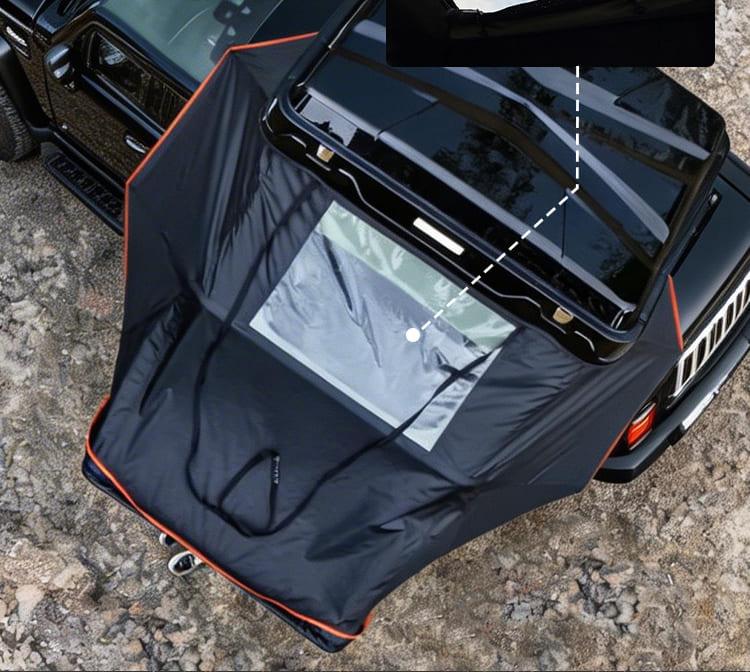
Classic soft-shell tents achieve stargazing capabilities by cutting large rectangular windows into the ceiling, sealing them with no-see-um mesh, and covering them with a roll-back rainfly. To stargaze, you simply unclip the rainfly and roll it back. This design successfully maintains the tent’s natural breathability. In practice, what most buyers discover after their first season is that unrolling a wet rainfly in the middle of a midnight rainstorm is incredibly frustrating and often soaks the mattress.
The Modern Transparent Shell Approach
The newest generation utilizes a fully transparent dome or flat panel made from extruded plastics. This offers a panoramic view without exposing the camper to outside air or sudden rain. However, the material science matters immensely. Polycarbonate shells offer 250 times the impact resistance of standard glass, surviving hail and heavy branches. Cheaper acrylic models crack easily under physical stress.
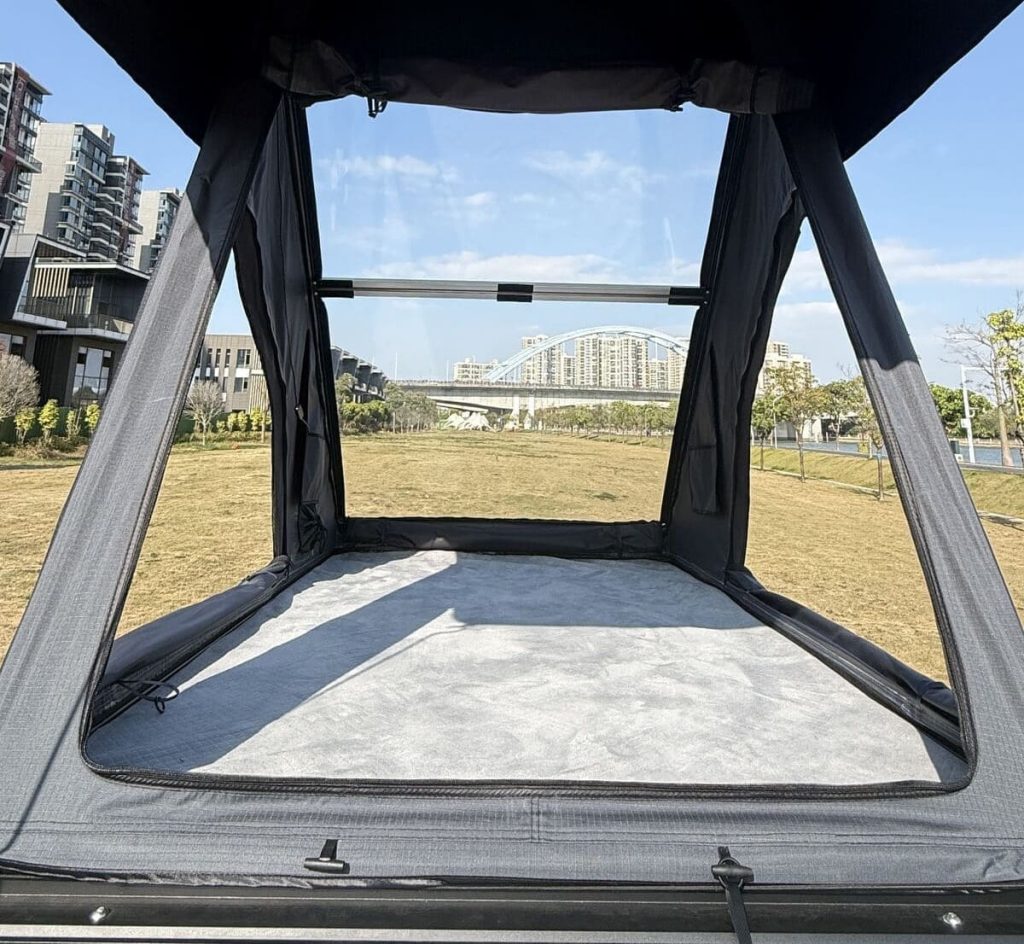
To combat the severe greenhouse effect thermal retention, premium models utilize sliding internal blackout curtains on an aluminum track system. These curtains block morning light and insulate the tent. A common regret that only surfaces after purchase is failing to account for winter condensation. Two adults exhale a liter of water vapor overnight; when that warm vapor hits a 30-degree polycarbonate roof, it rains inside the tent. You must run a 12V ventilation fan constantly to extract moisture.
Common Stargazing Tent Mistakes
- Ignoring UV Protection Specs: Buyers purchase cheap transparent shells without verifying UV treatments. Cause: Trying to save money. Consequence: The plastic undergoes rapid UV yellowing, turning cloudy and brittle within 18 months. Correction: Only buy transparent tents featuring factory-applied UV-resistant hard coatings.
- Leaving Blackout Panels Open During the Day: Campers leave camp at 9:00 AM with the clear roof exposed. Cause: Forgetting the greenhouse effect. Consequence: Interior temperatures exceed 130 degrees, melting electronics and degrading mattress foam. Correction: Always deploy the blackout curtains before leaving the campsite.
- Scraping Ice Off the Roof: Owners use plastic ice scrapers on their transparent dome in winter. Cause: Treating the tent like a car windshield. Consequence: Deep, permanent gouges ruin the stargazing visibility. Correction: Use a soft silicone squeegee and warm water to melt frost safely.
- Closing the Tent with Wet Curtains: Users pack down the tent while the internal blackout panels are soaked with condensation. Cause: Rushing the morning camp teardown. Consequence: Trapped moisture breeds black mold inside the shell within 48 hours. Correction: Wipe the clear roof and curtains with a microfiber towel before closing.
Troubleshooting
| Problem | Likely Cause | Solution |
| Heavy condensation dripping on mattress | Warm breath hitting cold solid plastic roof. | Open side windows two inches and run a 12V exhaust fan all night. |
| Clear roof turning hazy or yellow | UV degradation of cheap acrylic plastic. | Apply a marine-grade plastic polish and UV protectant wax every three months. |
| Blackout curtains snagging on tracks | Dust and trail grit building up in the aluminum sliders. | Clean the tracks with a dry brush and apply a dry PTFE silicone spray. |
| Tent interior is unbearably hot | Greenhouse effect from exposed transparent roof. | Close the internal privacy panels and position a reflective sun shade over the exterior. |
| Water leaking through mesh skylight | Rainfly not fully secured or tensioned properly. | Deploy all spring rods and ensure the rainfly covers the mesh completely. |
Frequently Asked Questions
What is a stargazing rooftop tent?
A stargazing rooftop tent features either large zippered mesh windows in the ceiling or a solid, transparent plastic roof. This design allows campers to view the night sky from inside the tent while remaining completely protected from insects and severe weather.
Won’t a clear roof tent turn into a suffocating greenhouse?
Yes, solid transparent roofs trap massive amounts of heat. Premium manufacturers solve this greenhouse effect thermal retention by installing thick, sliding blackout curtains inside the shell. You must keep these curtains closed during the day to block incoming solar radiation.
How do I get privacy in a transparent rooftop tent?
To maintain privacy in a crowded campsite, you simply pull the internal blackout panels shut. These opaque fabric curtains run along integrated tracks, completely blocking outside views and preventing early morning sunlight from waking you at dawn.
Does an acrylic roof top tent scratch easily?
Standard acrylic scratches very easily when brushed against tree branches on the trail. If you frequently drive tight, wooded trails, you must seek out polycarbonate shells treated with specialized anti-scratch hard coatings to maintain visual clarity.
How do you handle condensation in a clear roof tent?
Condensation management on acrylic or polycarbonate requires active cross-ventilation. Because the solid plastic roof does not breathe, you must crack two opposing side windows to create airflow or install a powered 12V exhaust fan to pull humid air out continuously.
About Everlead Outdoor
Engineering a flawless transparent roof requires mastering complex material science and precise thermal dynamics. Everlead Outdoor is your reliable partner in manufacturing excellence. Based in China, we are an ISO 9001-certified OEM/ODM partner providing end-to-end production solutions for premium outdoor brands worldwide. With over 10 years of dedicated experience and a strict 100% full-unit in-house QC inspection pledge, we engineer high-performance roof top tents and vehicle awnings that your customers can trust in the harshest conditions.
Conclusion
A stargazing rooftop tent fundamentally elevates the outdoor experience by connecting you directly to the night sky. You must proactively manage the greenhouse effect and inevitable condensation by utilizing blackout curtains and continuous cross-ventilation. Evaluate your local camping environment and confidently choose between a highly breathable mesh skylight or a high-impact polycarbonate shell. Browse our complete OEM manufacturing catalog today to source innovative, heavy-duty overland shelters tailored for your global retail audience.