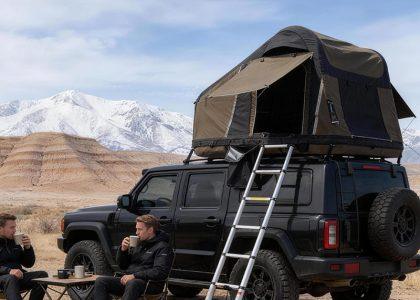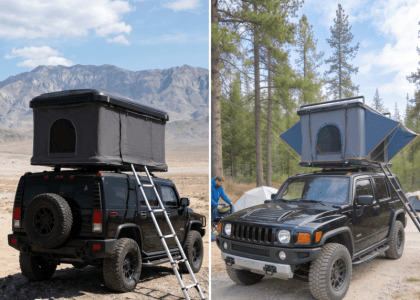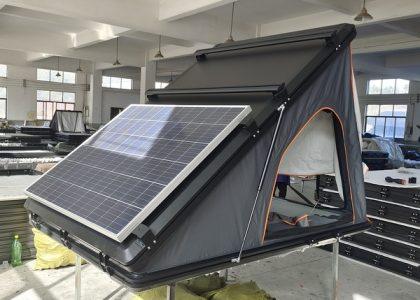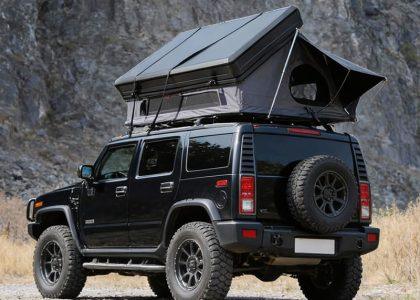
The Everlead 8cm Ultra-Slim Starlight Roof currently stands as the best stargazing rooftop tent, offering a true panoramic view without the typical $3,500 retail markup. Selecting the right setup demands choosing between the lightweight packability of a soft shell roof top tent and the fast deployment of a hardshell model. Many brands merely sew a small plastic square into their rainfly and market it for star gazing. We engineered a genuine transparent rooftop tent that eliminates structural blind spots while actively controlling interior temperatures during extreme weather.
Quick-Reference Summary
- Top Overall: Everlead 8cm Ultra-Slim Starlight Roof provides full zenith visibility via an aerospace-grade transparent top.
- Condensation Control: True panoramic models require active cross-ventilation; look for dual side mesh panels to prevent winter moisture buildup.
- Material Standard: Demand UV-resistant transparent polycarbonate over cheap PVC to prevent material yellowing.
- Weight Penalty: Expect a full acrylic roof to add 12–15 lbs compared to a standard aluminum top.
- Cost Reality: Direct-supplier wholesale pricing brings premium transparent hard shells down to the $800–$900 range for B2B buyers.
What to Know Before You Decide
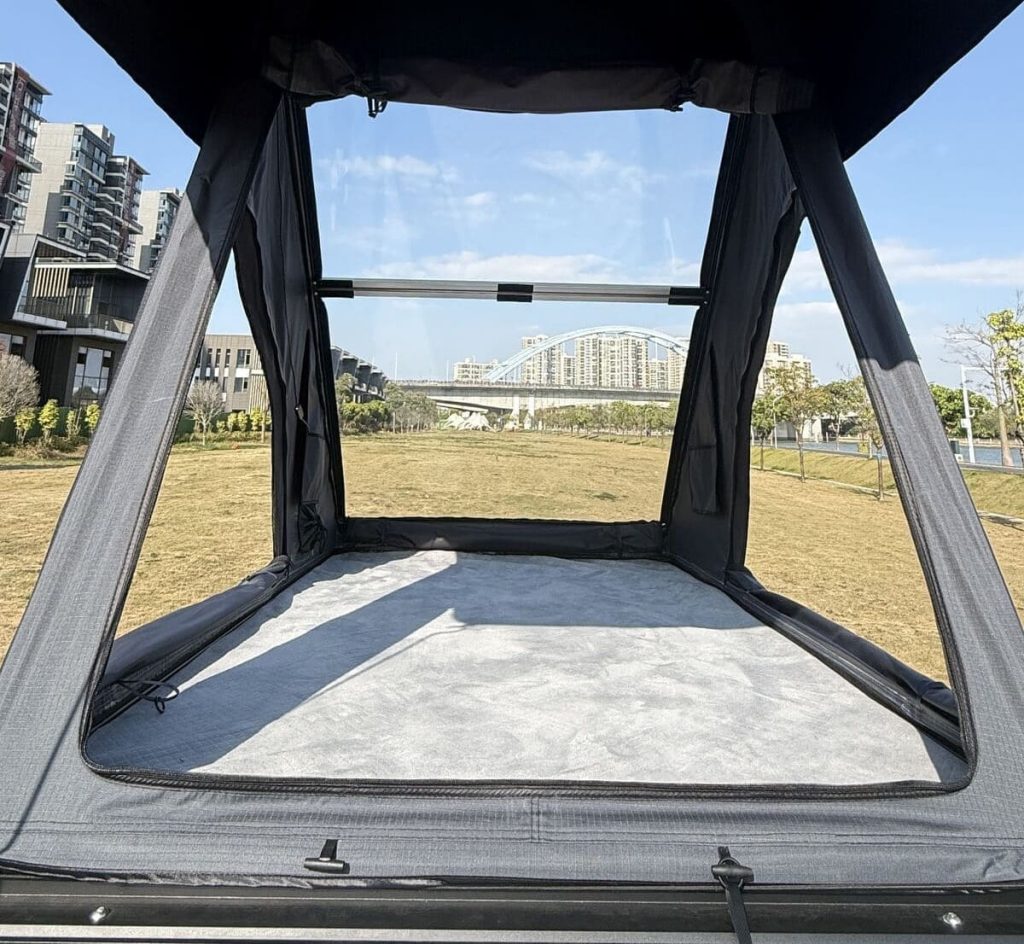
Buying a hardshell stargazing tent requires navigating three specific structural challenges: heat management, lid obstruction, and UV degradation. Standard tents rely on a tiny skylight cut into the canvas, which the hard shell clamshell lid often blocks completely when opened. A true panoramic rooftop tent integrates the viewing window directly into the structural roof.
However, swapping aluminum for a massive acrylic roof invites severe temperature swings. Without proper insulation and cross-ventilation, your sleeping area becomes a greenhouse in July and an icebox in November.
| Feature | Standard Skylight Tent | True Transparent RTT |
| View Angle | 15–20 degrees | 120+ degrees |
| UV Resistance | Low (PVC degrades fast) | High (UV-coated Polycarbonate) |
| Condensation Management | Handled by fabric breathability | Requires active mechanical vents |
| Shell Material | Standard ABS or Aluminum | Reinforced T6 aluminum framing |
| Typical Retail Cost | $1,200 – $2,500 | $3,000 – $4,000+ |
| Field of View Obstruction | High (blocked by lid) | Zero (integrated roof panel) |
The 4 Best Stargazing Rooftop Tents for 2026
Evaluating the market requires separating marketing claims from engineering reality. Here are the top configurations currently available.
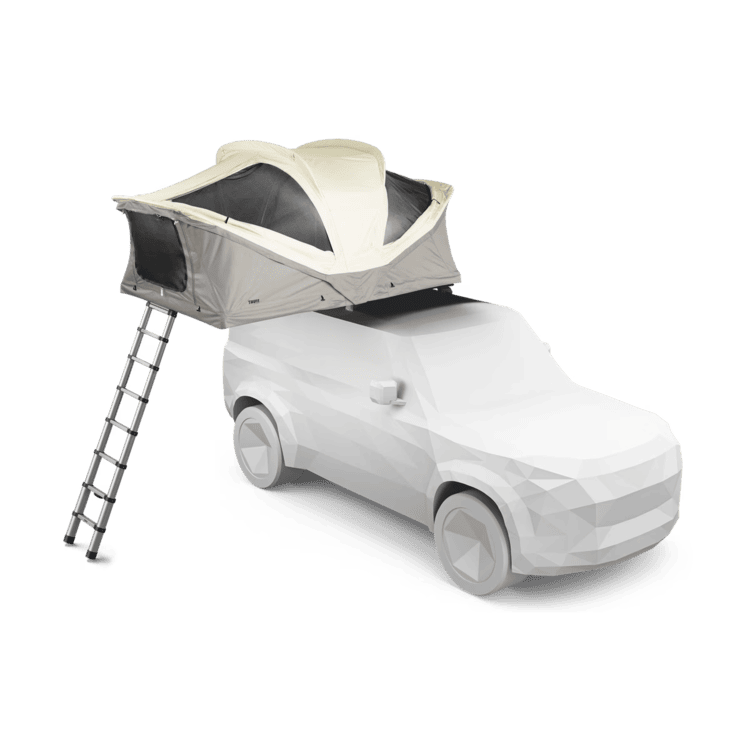
1. Thule Approach (Standard Soft Shell with Skylight)
Verdict: A solid entry-level option providing decent vertical visibility, provided you leave the rainfly off entirely.
| Specification | Detail |
| Style | Fold-out soft shell |
| Viewing Area | Dual zippered roof panels |
| Mattress | High-density foam mattress |
| Weight | 128 lbs |
The Thule Approach uses massive dual mesh panels in the ceiling. It offers an excellent sky view rooftop tent experience on dry, warm nights. The weather resistance is excellent when fully battened down.
Best for: Fair-weather campers who prioritize interior space over rapid setup times.
Limitation: If it rains, installing the rainfly instantly eliminates your ability to see the stars.
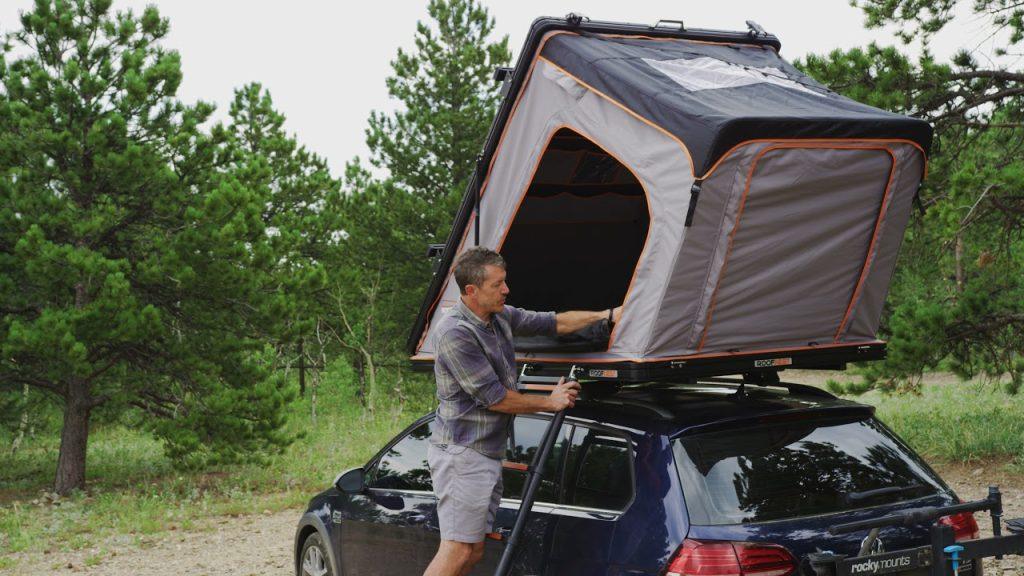
2. Roofnest Falcon Pro (Half-View Hard Shell)
Verdict: An aluminum clamshell that adds a targeted moonroof for stargazing without sacrificing total roof integrity.
| Specification | Detail |
| Style | Aluminum Clamshell |
| Viewing Area | 20″ x 30″ PVC Moonroof |
| Material | Honeycomb aluminum |
| Weight | 180 lbs |
This model bridges the gap between traditional overland gear and stargazing equipment. Field experience consistently shows that relying solely on passive mesh panels under an acrylic roof leads to a 40% increase in interior humidity during sub-freezing nights. Roofnest combats this by keeping the transparent section small.
Best for: Overlanders mounting heavy gear (like solar panels) who still want a modest upward view.
Limitation: The rigid clamshell lid inherently blocks the front half of the sky, forcing you to sleep at a specific angle.
3. Inspired Overland Stargazer (Retail Full Transparent)
Verdict: The premium consumer choice for a completely unobstructed panoramic view.
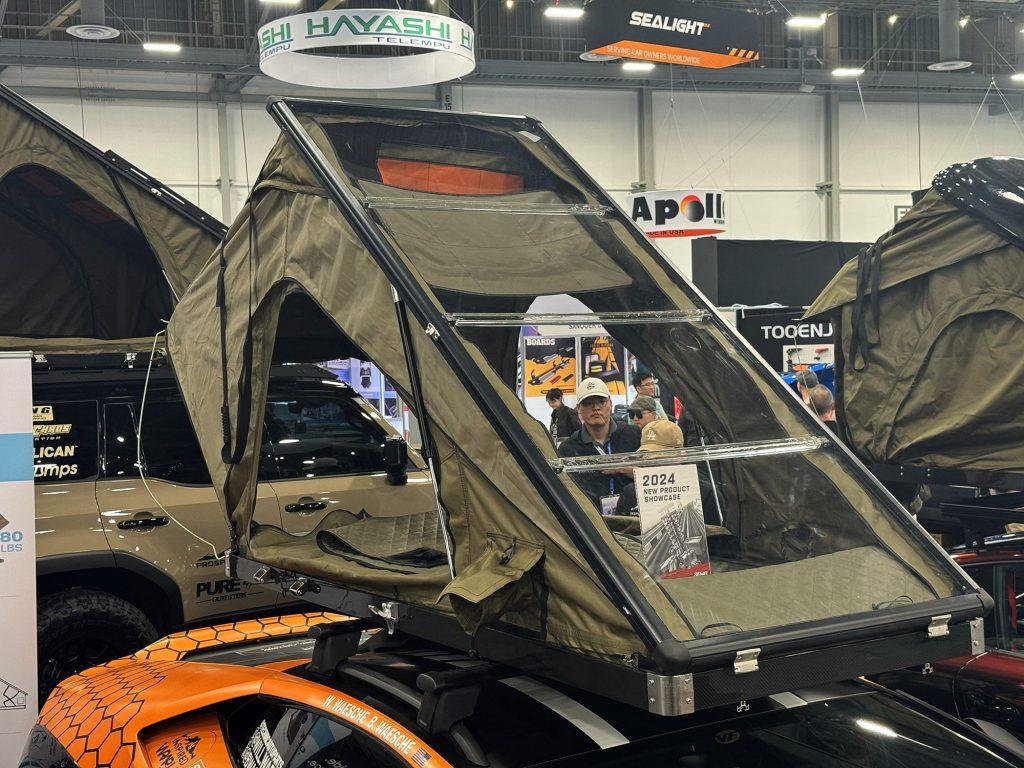
| Specification | Detail |
| Style | Transparent Hard Shell |
| Viewing Area | Full Acrylic Roof |
| Profile | 10 inches closed |
| Weight | 145 lbs |
This unit replaces the solid roof entirely with a transparent panel. It delivers an unparalleled stargazing rooftop tent experience. The brand utilizes specialized materials to reduce the greenhouse effect during daytime driving.
Best for: Dedicated astronomy enthusiasts willing to pay top retail prices for maximum visibility.
Limitation: Priced significantly higher ($3,000+) than identical units sourced directly from manufacturers.
4. Everlead 8cm Ultra-Slim Starlight Roof (OEM Benchmark)
Verdict: The industry standard for B2B buyers, delivering a true starlight roof at wholesale costs.
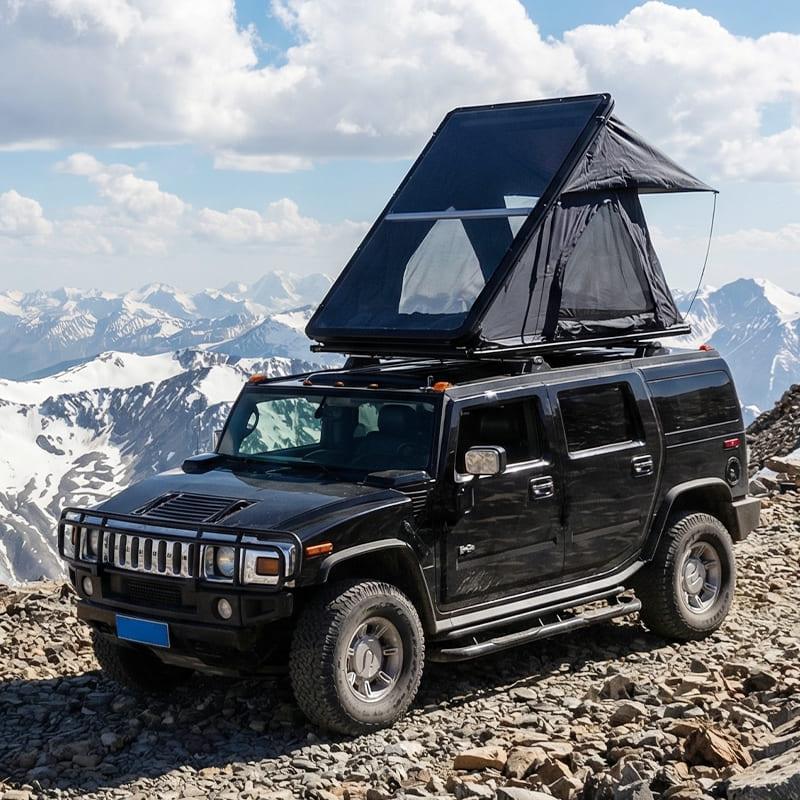
| Specification | Detail |
| Style | Ultra-Slim Aluminum Shell |
| Viewing Area | Full Panoramic Polycarbonate |
| Profile | 8cm ultra-slim profile |
| Weight | 135 lbs |
As a direct roof top tent manufacturer, Everlead engineered this model using T6 aluminum framing and UV-resistant transparent polycarbonate. In practice, what most buyers discover after their first season is that standard polycarbonate skylights yellow within 14 months of UV exposure unless treated with an anti-oxidant hard coating. We apply this coating at the factory level.
Best for: Overlanders and brand distributors wanting premium OEM manufacturing and direct-supplier wholesale pricing.
Limitation: Currently available primarily through commercial B2B orders rather than single-unit retail channels.
Common Mistakes When Buying a Sky View Rooftop Tent
- Ignoring the Rainfly Design
- Cause: Buying a tent based on photos without the rain cover installed.
- Consequence: You realize the solid rainfly completely blocks the skylight during inclement weather.
- Correction: Only purchase a roof top tent with skylight panels integrated directly into the rainfly itself.
- Underestimating Condensation
- Cause: Assuming a transparent hard roof breathes like canvas.
- Consequence: Waking up to water dripping on your face as cold exterior air meets warm breath against the acrylic.
- Correction: Buy models with dedicated anti-condensation mats and active cross-ventilation ports.
- Buying Untreated Plastics
- Cause: Opting for cheap PVC windows to save money.
- Consequence: The window turns brittle and milky yellow after one summer of UV exposure.
- Correction: Verify the manufacturer uses UV-resistant transparent polycarbonate or treated marine-grade vinyl.
- Misjudging Lid Angles
- Cause: Assuming any clamshell tent allows you to see the sky.
- Consequence: The sharply angled roof blocks 70% of your upward field of view when lying flat.
- Correction: Test the interior layout or choose a pop-up (box style) tent that lifts evenly on all four sides.
Troubleshooting
| Problem | Likely Cause | Solution |
| Skylight turns yellow | UV degradation of cheap PVC | Replace panel; apply 303 Aerospace Protectant monthly on new vinyl. |
| Heavy condensation on roof | Lack of airflow hitting cold acrylic | Open side windows 2 inches; install a 12V fan for air circulation. |
| Water pooling on skylight | Canvas stretching over time | Adjust internal tension poles; apply heat using a hair dryer to shrink vinyl tight. |
| Scratches on transparent roof | Tree branches rubbing during transit | Buff with specialized acrylic polish; install a protective travel film. |
| Zippers snagging on mesh | Dirt accumulation in the tracks | Clean tracks with compressed air; lubricate with a dry graphite spray. |
Frequently Asked Questions
Are stargazing rooftop tents hot in the summer?
Yes, a full transparent rooftop tent acts like a greenhouse under direct sunlight. Premium models include a removable opaque blackout liner or an exterior reflective cover to block solar radiation during daytime driving and parking.
Can you actually see stars through a hard shell tent?
Only if you buy a specialized stargazing rooftop tent with a built-in polycarbonate roof panel. Standard hard shells block the overhead view, limiting visibility to the side windows.
Do roof tent skylights leak?
Cheaply manufactured skylights leak where the plastic is stitched to the canvas. High-quality models use high-frequency welding to fuse the transparent panels directly to the rainfly, creating a 100% waterproof seam.
How do I prevent condensation on a transparent roof?
Crack two opposing windows to create a cross-breeze, allowing warm, moist air to escape. Upgrading to a model with built-in upper ventilation cowls prevents moisture from collecting on the cold acrylic surface.
Is a soft shell or hard shell better for stargazing?
Soft shells offer wider overhead views because they lack a solid lid, but require removing the rainfly. Hard shells with integrated acrylic roofs provide instant viewing but cost significantly more and weigh more.
Final Verdict
The best stargazing rooftop tent completely removes the visual barrier between you and the night sky while strictly managing interior condensation. Stop compromising with tiny plastic canvas windows and upgrade to a structurally sound transparent roof system. Consult our ultimate roof top tent guide to properly size a panoramic shelter for your specific vehicle and mounting rack.