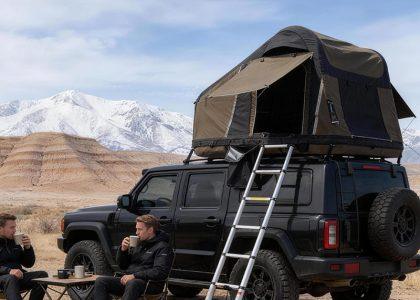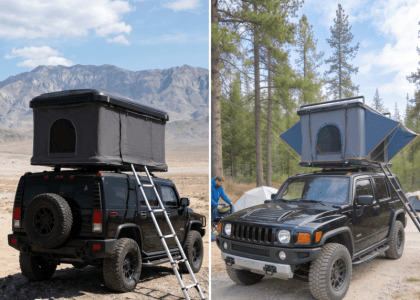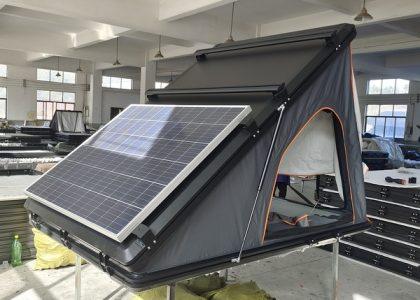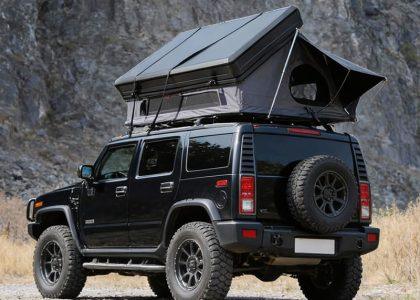
The 7 best dark sky destinations for rooftop tent stargazing are remote, off-grid tracts of BLM land adjacent to International Dark Sky Parks like Big Bend, Death Valley, and Great Basin. Your success in finding optimal stargazing rooftop tent locations relies entirely on two factors: escaping crowded, light-polluted paved campgrounds, and managing the drastic high-altitude thermal drops unique to elevated 4×4 setups. While standard campers flock to crowded RV sites, overlanders must leverage 4×4 trails for true isolation.
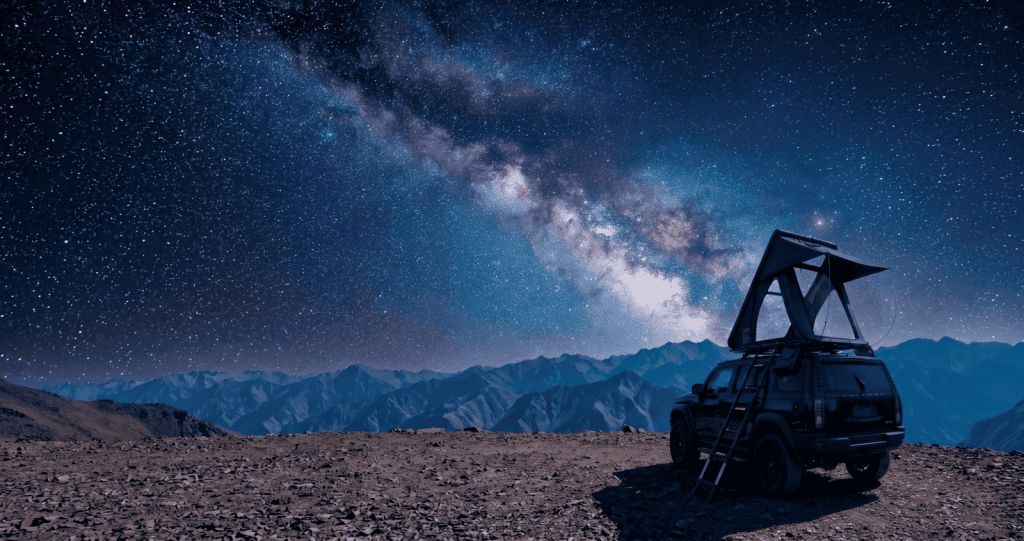
Quick-Reference Summary
- Big Bend National Park (Texas): Offers peak winter Milky Way visibility; dispersed camp along Old Ore Road.
- Great Basin National Park (Nevada): Delivers intense high-altitude clarity at 10,000 feet; mandates extreme cold-weather preparation.
- Death Valley National Park (California): Features massive, unobstructed desert horizons; Saline Valley provides Bortle Class 1 skies.
- Grand Canyon-Parashant (Arizona): Accessible only by 4×4, offering absolute zero light pollution on the canyon rim.
- Owyhee Canyonlands (Idaho/Oregon/Nevada): Deeply remote sagebrush steppe requiring total off-grid self-sufficiency.
- Cherry Springs State Park (Pennsylvania): The premier East Coast gold-tier park; requires strategic vehicle positioning to block neighboring headlights.
- Chaco Culture National Historical Park (New Mexico): Combines ancient archaeoastronomy with excellent adjacent BLM access roads.
Preparing Your Rig for Astrophotography and Stargazing
Many buyers purchase elevated shelters specifically for celestial viewing, only to face unexpected physical realities. Freezing desert temperatures, inadequate mesh windows, and vehicle movement can quickly ruin an off-grid excursion. Preparing your rig requires specific gear modifications before you leave the pavement.
| Specification | Standard Setup | Optimal Stargazing Setup |
| View Access | Tiny mesh roof vents | Transparent acrylic roof RTTs |
| Camera Placement | Tripod inside the tent | Tripod on solid ground |
| Thermal Protection | Thin nylon rainfly | Aluminum hardshell thermal retention |
| Condensation | Standard mattress | Anti-condensation mats (10mm thick) |
| Vehicle Stance | Parked on natural slope | Leveled via vehicle leveling blocks |
| Location | Paved RV hookup site | Remote BLM land (dispersed camping) |
7 Best Dark Sky Destinations for Rooftop Tent Stargazing
To truly experience a pristine night sky, you must bypass the developed campgrounds within an International Dark Sky Park. Those areas suffer from constant headlight sweeps and flashlight use. Instead, utilize your vehicle’s capability to reach adjacent, unpaved public lands.
1. Big Bend National Park, Texas
The Chihuahuan Desert offers some of the driest, clearest atmospheres in North America. Big Bend holds gold-tier status, meaning artificial light pollution is practically non-existent.
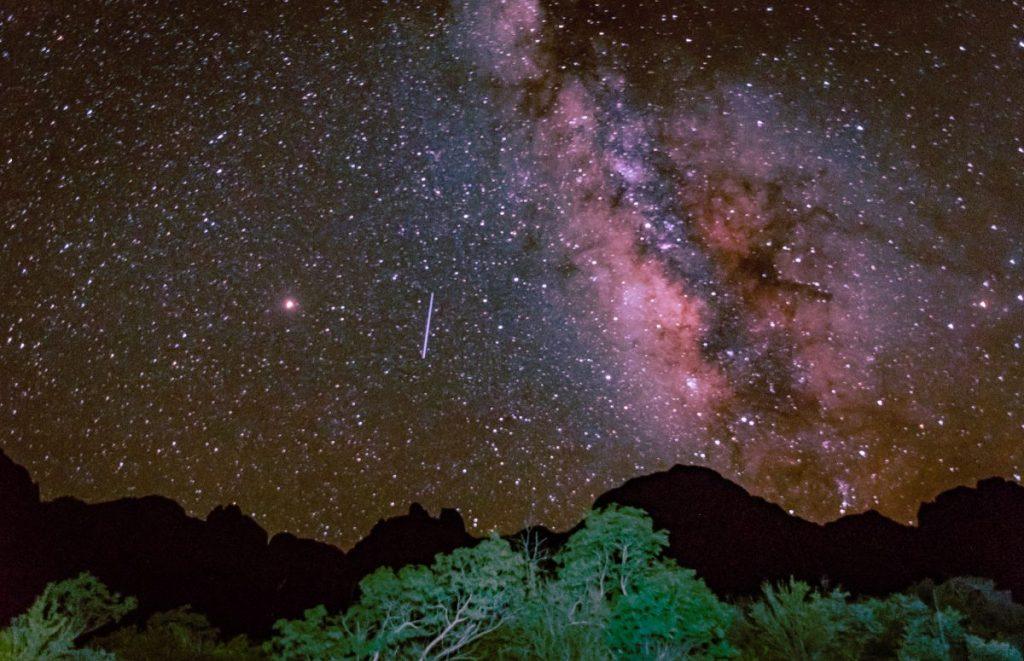
- Location: Southwest Texas, along the Rio Grande.
- Bortle Class: Class 1 (Excellent Dark-Sky site).
- Best Nearby 4×4/BLM Camping: Elephant Tusk or Old Ore Road primitive roadside sites.
- RTT Stargazing Tip: Park your vehicle facing north. This orientation allows the large rear windows of most hard shell roof top tents to face south, capturing the galactic core of the Milky Way during summer months.
2. Great Basin National Park, Nevada
Great Basin is legendary for absolute silence and exceptionally dark skies. However, camping above 8,000 feet introduces brutal radiational cooling immediately after sunset.
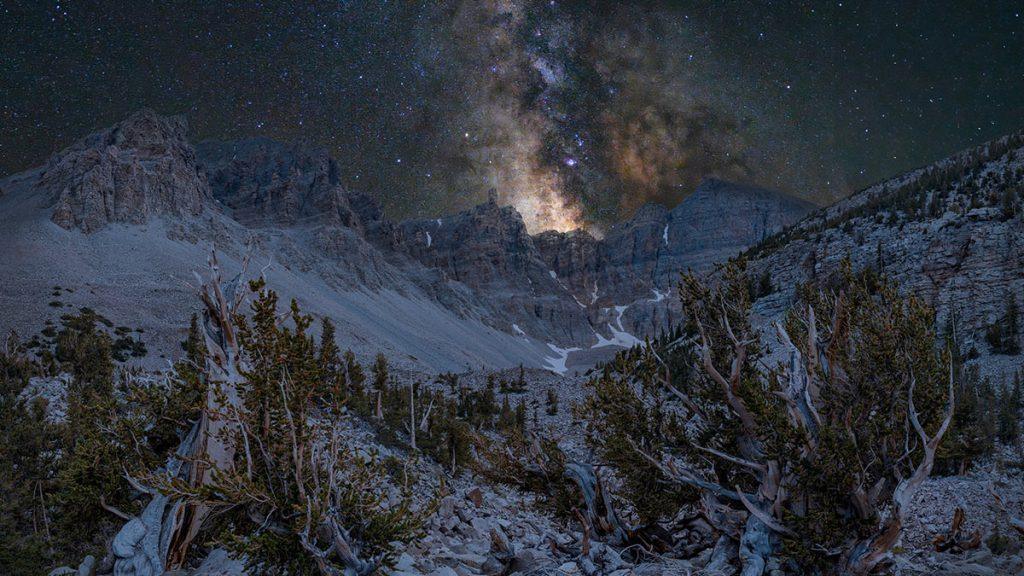
- Location: Eastern Nevada, near the Utah border.
- Bortle Class: Class 1.
- Best Nearby 4×4/BLM Camping: Dispersed dirt tracks off Sacramento Pass.
- RTT Stargazing Tip: Field experience consistently shows that standard mesh skylights will rapidly ice over from your breath at this elevation. You must crack a side window slightly to vent moisture, even in freezing temperatures, to prevent condensation buildup blocking your view.
3. Death Valley National Park, California
Death Valley National Park provides vast, flat horizons perfect for tracking meteor showers. The lack of atmospheric moisture creates incredibly crisp viewing conditions, provided you avoid the summer heat.
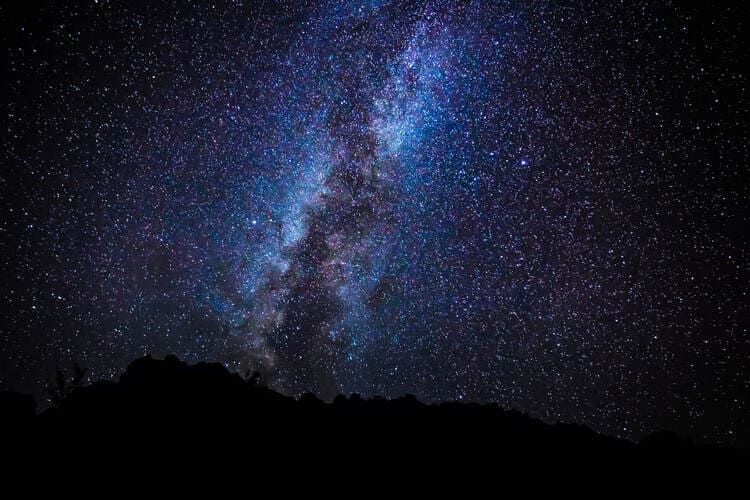
- Location: Eastern California/Nevada border.
- Bortle Class: Class 1 to 2.
- Best Nearby 4×4/BLM Camping: Saline Valley or Echo Canyon.
- RTT Stargazing Tip: High desert winds howl through these canyons. Face the hard shell hinge into the prevailing wind to prevent the fabric sides from flapping violently and disrupting your astrophotography focus.
4. Grand Canyon-Parashant National Monument, Arizona
This is raw, undeveloped terrain. There are no paved roads, no visitor centers, and zero light pollution. It is the ultimate test for OEM overland shelters and remote vehicle reliability.
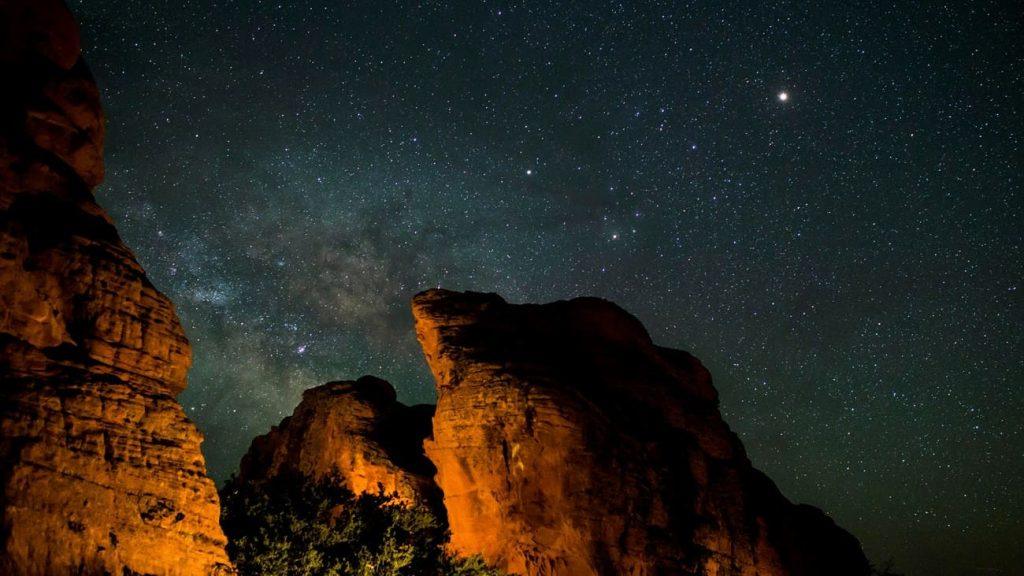
- Location: North of the Grand Canyon, Arizona.
- Bortle Class: Class 1.
- Best Nearby 4×4/BLM Camping: Kelly Point (requires high clearance 4×4 and recovery gear).
- RTT Stargazing Tip: Bring specific vehicle leveling blocks. The rim terrain is heavily sloped. If your vehicle leans, you will slide down your mattress all night, and your field of view out the skylight will be permanently angled away from the zenith.
5. Owyhee Canyonlands, Idaho/Oregon/Nevada
Often called the “Grand Canyon of the Owyhee,” this massive expanse of BLM land offers staggering isolation. You will likely not see another vehicle for days.
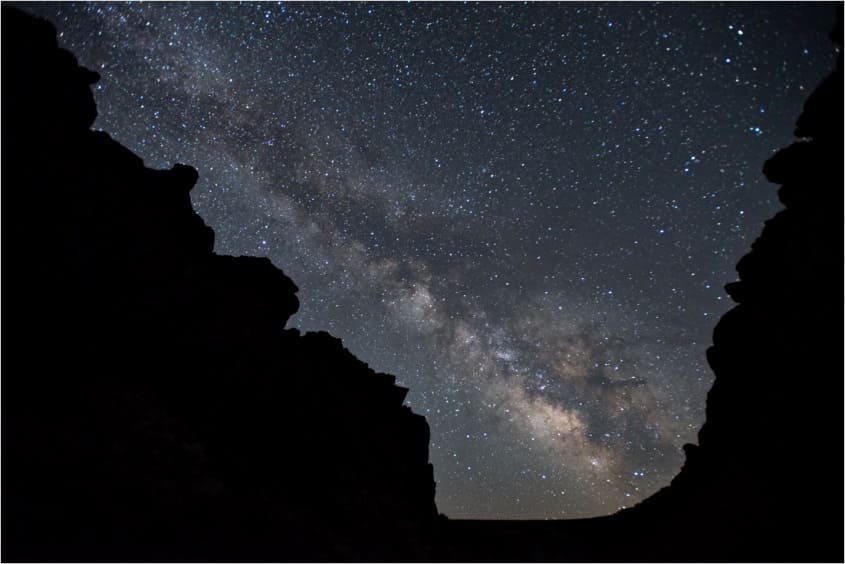
- Location: Tri-state border region.
- Bortle Class: Class 1.
- Best Nearby 4×4/BLM Camping: Succor Creek or Leslie Gulch area (dispersed).
- RTT Stargazing Tip: In practice, what most buyers discover after their first season is that true stargazing requires extended battery power. Run a dual-battery setup or a 1000W portable power station to run a 12V heated blanket, allowing you to watch the stars with the canvas open without freezing.
6. Cherry Springs State Park, Pennsylvania
Cherry Springs is an anomaly—a perfectly preserved dark sky pocket on the heavily populated East Coast. Because of its popularity among astronomers, strict light rules apply.
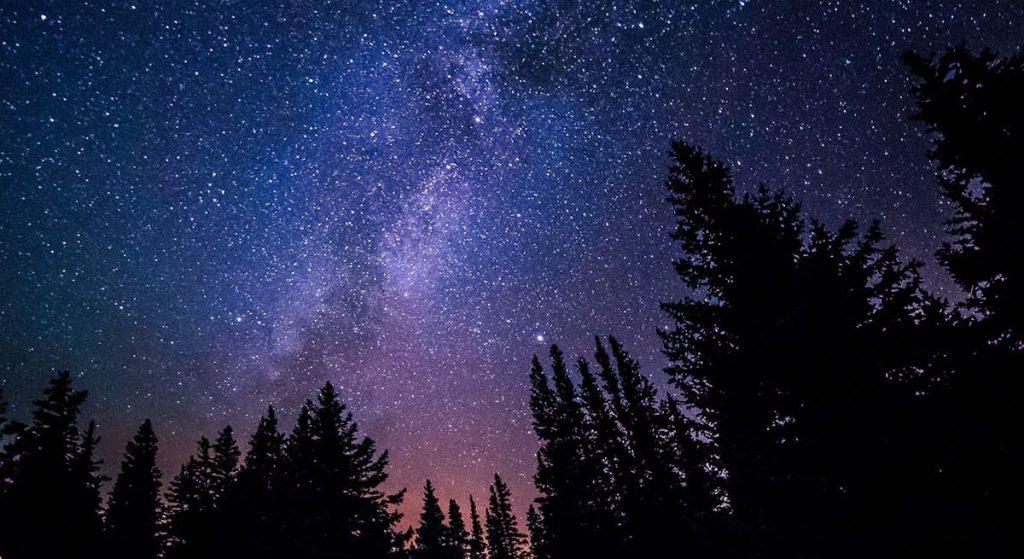
- Location: Potter County, Pennsylvania.
- Bortle Class: Class 2.
- Best Nearby 4×4/BLM Camping: Susquehannock State Forest (requires dispersed camping permit).
- RTT Stargazing Tip: Apply red-tinted film to all vehicle interior lights. Opening your car door to grab gear will flood your camp with white light, ruining your night vision for 30 minutes and angering nearby photographers.
7. Chaco Culture National Historical Park, New Mexico
Chaco Canyon is sacred ground, featuring ancient architecture aligned with solar and lunar cycles. The surrounding high desert offers exceptional celestial visibility.
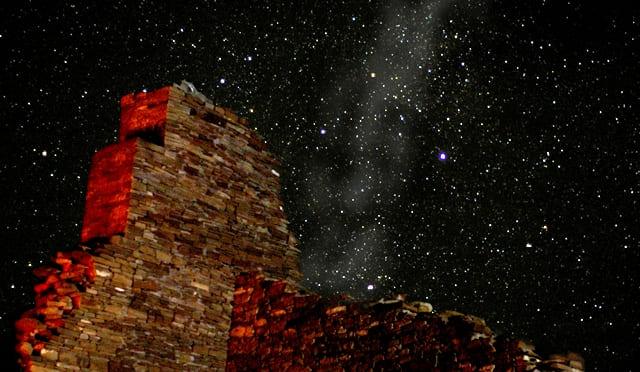
- Location: Northwestern New Mexico.
- Bortle Class: Class 1 to 2.
- Best Nearby 4×4/BLM Camping: Ah-Shi-Sle-Pah Wilderness Study Area access roads.
- RTT Stargazing Tip: Dust is a major factor here. Ensure your tent utilizes high-GSM canvas (280g+) that zips tightly shut. Fine alkaline dust will infiltrate cheap zippers during the day, coating your sleeping bag before you even begin stargazing.
Common Rooftop Tent Stargazing Mistakes
- Mounting Cameras Inside the Tent:
- Cause: Trying to shoot the Milky Way through the skylight from your mattress.
- Consequence: Suspension shake ruins the shot. Your breathing and shifting weight transfer directly to the vehicle chassis.
- Correction: Always plant your tripod on solid dirt outside the vehicle and use a remote shutter release.
- Ignoring Condensation Management:
- Cause: Fully zipping the tent closed to trap heat in sub-freezing desert environments.
- Consequence: Moisture from your breath freezes against the roof, dripping icy water onto your face by 3:00 AM.
- Correction: Install a 10mm anti-condensation mat under the mattress and leave two upper vents open.
- Parking Without Leveling:
- Cause: Pulling into a dispersed camp spot in the dark and instantly deploying the tent.
- Consequence: An angled bed creates severe back pain and restricts your view of the sky.
- Correction: Carry specific 4×4 leveling blocks and use a bubble level on your roof rack before shutting off the engine.
- Using White Flashlights:
- Cause: Searching for gear during the night.
- Consequence: Instantly destroys the rhodopsin in your eyes, blinding you to the stars for up to 45 minutes.
- Correction: Hardwire dedicated red LED strip lights into your tent’s interior frame.
Troubleshooting Stargazing Setup Issues
| Problem | Likely Cause | Solution |
| Tent shakes excessively in the wind | Improper vehicle orientation | Repark the truck so the narrowest, most aerodynamic profile of the hard shell faces the wind. |
| Skylight is foggy or opaque | Heavy condensation freezing | Wipe down with a microfiber towel and open opposing windows 2 inches to create cross-ventilation. |
| Freezing inside the tent | Lack of bottom insulation | Add an R-value rated sleeping pad on top of the factory mattress and use a 0-degree down bag. |
| Blurry long-exposure photos | Wind vibrating the vehicle chassis | Remove the tripod from the roof rack; place it firmly on the ground shielded by the truck’s tires. |
| Cannot see stars through roof | Standard mesh blocking light | Seek out specialized transparent acrylic roof RTTs designed specifically for unobstructed viewing. |
Frequently Asked Questions About RTT Stargazing
Will I freeze in a rooftop tent while stargazing in the desert?
You will lose body heat rapidly if unprepared, as elevated tents lack ground insulation and face higher wind exposure. To stay warm without blocking your view, utilize a 12V heated blanket powered by a portable lithium battery, and upgrade to an aluminum hardshell thermal retention model with a quilted internal liner.
Are rooftop tents actually good for astrophotography?
They provide an excellent elevated vantage point for scouting, but you cannot mount your camera to the tent itself. Vehicle suspension movement and human weight shifting create severe suspension shake. For sharp long-exposure astrophotography, your tripod must be placed on solid ground outside the vehicle.
Which rooftop tents let you see the stars with the roof closed?
Most standard tents only offer basic mesh skylights that require the rainfly to be removed, exposing you to the cold. For optimal enclosed viewing, you need specialized overlanding shelters featuring integrated transparent acrylic roofs, which block wind and retain heat while offering 100% optical clarity.
What is the Bortle scale, and why does it matter?
The Bortle scale measures night sky brightness on a scale from 1 (pristine, darkest skies) to 9 (inner-city sky glow). To see the Milky Way structure clearly, you must navigate your vehicle to locations rated Class 3 or lower.
Can I legally camp anywhere near Dark Sky Parks?
No. You cannot arbitrarily pull off the road within National Park boundaries. You must locate adjacent BLM land or National Forest territory, which allows for legal dispersed camping. Use off-grid mapping software to ensure you are outside the restricted park boundaries before deploying your tent.
The Final Word on Off-Grid Astrophotography
Executing a successful stargazing trip requires abandoning crowded campgrounds for remote BLM land and mastering your vehicle’s thermal management. You must proactively level your rig, isolate your camera from suspension shake, and utilize high-quality shelters designed to handle extreme radiational cooling. Equip your vehicle with a proven roof top tent manufacturer capable of keeping you warm while chasing the darkest skies in North America. Review our complete catalog to find the exact overlanding shelter required for your next deep-desert expedition.