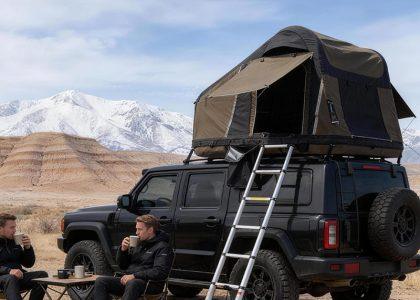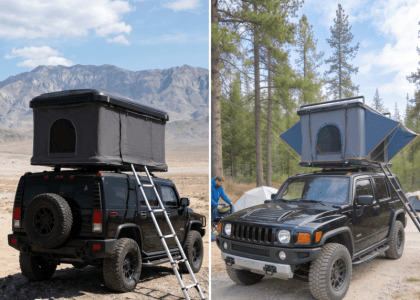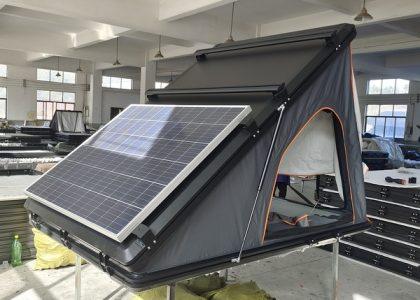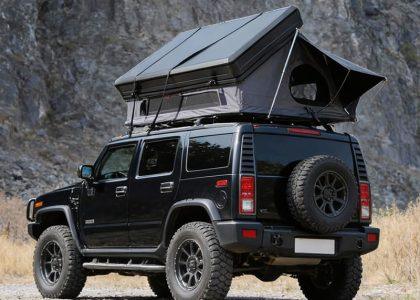
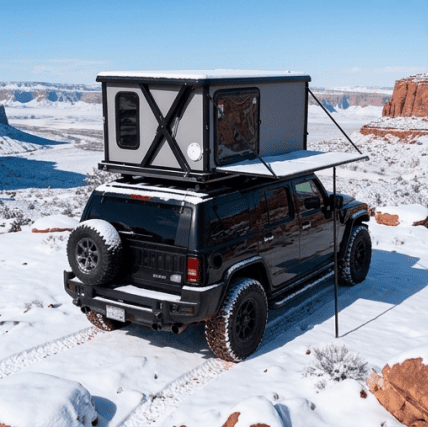
You can master winter stargazing: how to stay warm & prevent tent condensation by combining forced dry heat with dedicated under-mattress ventilation. Success in sub-freezing astronomy depends entirely on balancing two opposing variables: achieving sufficient cross-ventilation to exhaust your 98.6°F breath vapor while retaining enough thermal energy to lie motionless. Escaping winter camping tent condensation requires abandoning passive sleeping bags in favor of ducted 2KW diesel heaters, 12V electric blankets, and specialized 10mm anti-condensation mats installed beneath your mattress.
Quick-Reference Summary
- Install a 10mm anti-condensation mat: Creates a vital air gap to block aluminum floor thermal bridging.
- Run a 2KW ducted diesel heater: Injects 150°F dry air into the cabin to actively lower relative humidity.
- Maintain a 2-inch cross-ventilation gap: Exhausts breath moisture at the highest points of the tent before it freezes.
- Upgrade your roof viewing panel: Ditch standard mesh vents for a Stargazing Rooftop Tent with a sealed transparent acrylic roof.
- Utilize active 12V heating: Power a 60-watt electric heated blanket via a 1000Wh portable lithium power station.
Crucial Pre-Trip Thermal and Moisture Considerations
Many campers fear that opening vents to prevent condensation in cold weather will inevitably cause them to freeze. Others worry their RTT mattress will rot from trapped under-bed moisture, or that mesh skylights will ice over from breath vapor, ruining the celestial view. You must address the physics of the dew point before heading off-grid. A double-wall tent structure only remains dry if the interior air holds less moisture than the external surface temperature dictates.
| Component | Standard Summer Setup | Winter Stargazing Setup |
| Under-Mattress Airflow | Bare aluminum floor | 10mm woven anti-condensation mat |
| Heat Source | 20°F down sleeping bag | 2KW ducted dry-heat diesel heater |
| Roof Visibility | Open mesh (loses ambient heat) | Sealed transparent acrylic roof |
| Power Supply | Flashlight AA batteries | 1000Wh portable lithium power station |
| Ventilation Strategy | Windows fully zipped shut | Top vents cracked exactly 2 inches |
| Blanket Tech | Static fleece base layers | 12V, 60W electric heated blanket |
6 Steps to Prep Your RTT for Sub-Freezing Astronomy
1. Defeat Floor Condensation With Mats
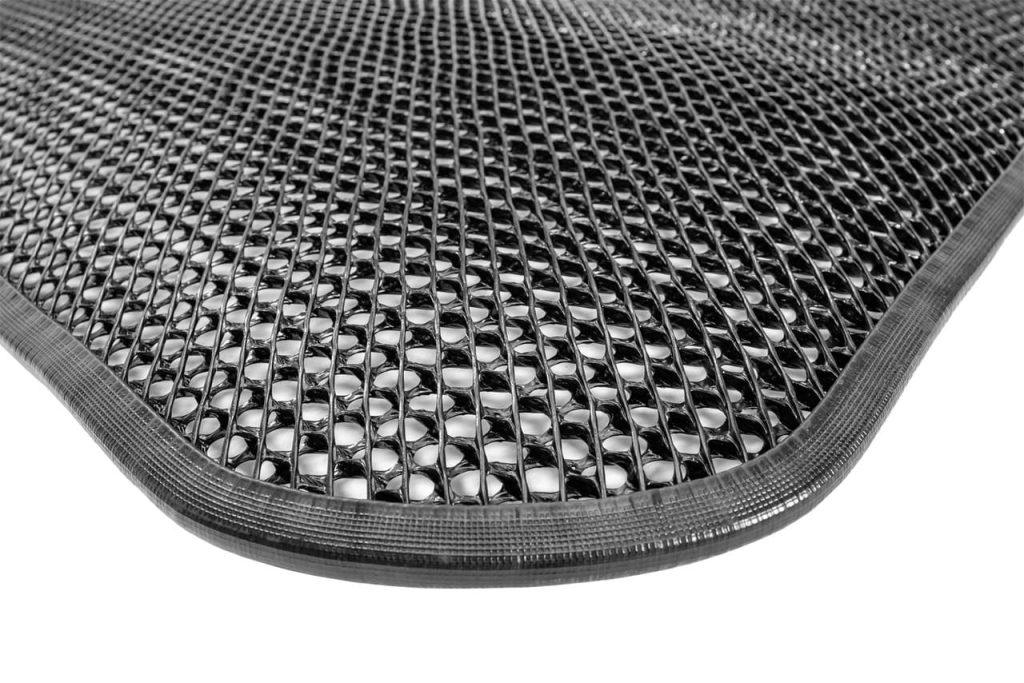
Your body produces heat that meets the freezing aluminum base of your Hard Shell Roof Top Tents, creating severe thermal bridging. Water pools instantly under standard foam. Install a 10mm woven spacer mesh anti-condensation mat directly beneath the mattress. As an ISO 9001-certified OEM manufacturer of extreme-weather rooftop tents, field experience consistently shows that buyers who skip this essential layer routinely destroy their $300 memory foam mattresses with black mold after just one winter season.
2. Establish Micro-Ventilation
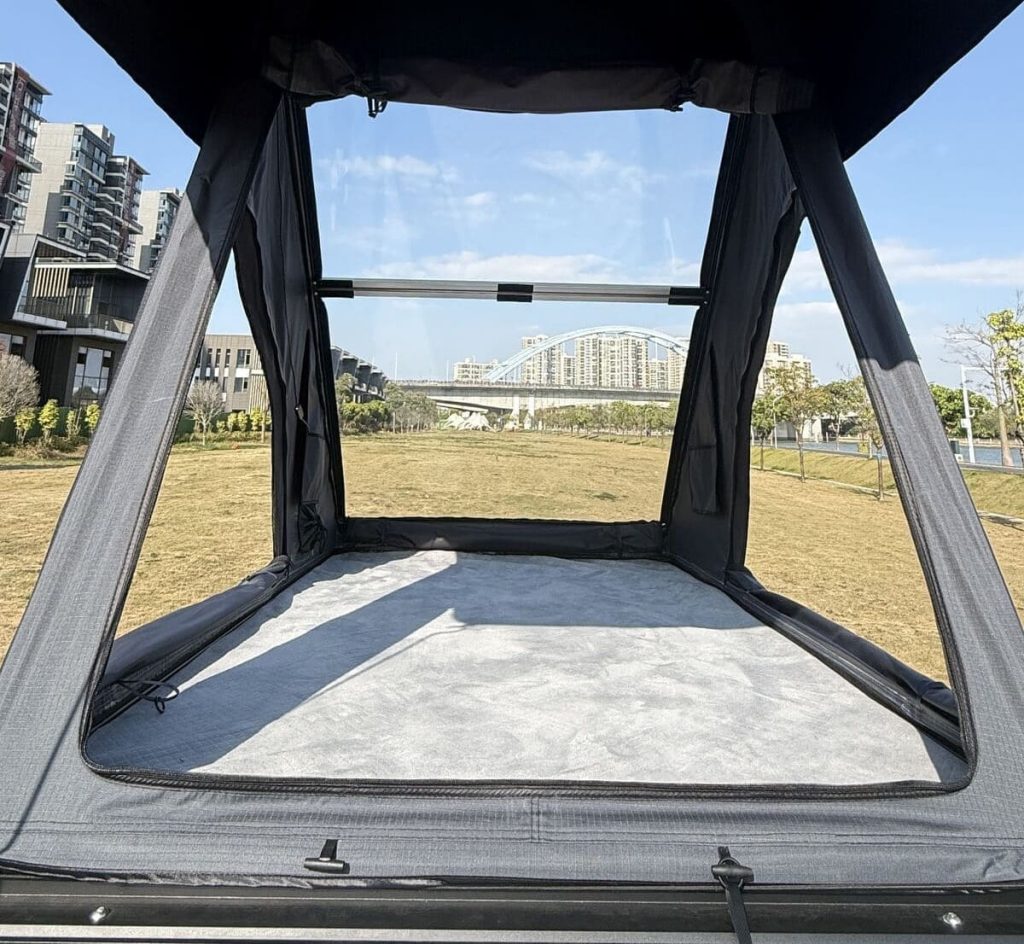
You must physically exhaust warm, moist breath vapor before it hits the cold rainfly and reaches its dew point. Crack two opposing upper windows exactly two inches to create structural cross-ventilation. Because hot air rises, placing these exhaust points near the roofline pushes moisture out naturally. PRO TIP: Keep the lower doors fully zipped. You only want draft currents moving above your head, completely bypassing your sleeping area to maintain ambient heat.
3. Implement Dry Heat Via Diesel Heaters
Propane heaters output heavy moisture (1 pound of water per pound of fuel), guaranteeing severe rooftop tent condensation winter issues. Instead, route a 2KW portable diesel heater duct through your tent’s side portal. This injects 150°F dry air directly into the cabin, actively lowering relative humidity. Set the controller to a low 1.5Hz pump frequency to maintain a steady 65°F interior, baking the canvas dry while you watch the stars.
4. Upgrade to 12V Sleep Systems
Relying solely on a thick R-value sleeping bag proves inadequate when lying completely still for hours. Introduce active thermal management by running a 60-watt, 12V electric heated blanket under your primary quilt. Plug this system into your portable power station. The blanket provides continuous 110°F core heat against your body, allowing you to easily tolerate the cold air drafted in by your micro-ventilation setup.
5. Manage Wet Gear Externally
Bringing snow-covered boots, damp jackets, or wet gloves inside your shelter instantly spikes the interior humidity, making condensation impossible to control. Leave all wet gear inside the heated cabin of your truck or secure it under an external vehicle awning. WARNING: Never drape damp clothing over your sleeping bag to dry overnight; the evaporating moisture will soak your down insulation, destroying its loft and freezing you by morning.
6. Optimize Skylight Visibility
Stargazing through standard mesh vents requires removing the rainfly, which instantly dumps all trapped heat. To stargaze effectively, locate the best RTT for winter stargazing featuring a sealed transparent acrylic roof. In practice, what we discover testing our materials at 15°F is that human breath vapor freezes solid against single-pane plastics within 20 minutes. Keep a microfiber towel handy to wipe away interior fog, or aim your heater duct slightly upward toward the acrylic panel.
Common Winter Stargazing Mistakes
- Using unvented propane heaters inside the tent.
- Cause: Seeking a cheap, fast off-grid heat source.
- Consequence: Dumps massive amounts of water vapor into the air, creating a literal rainstorm inside the tent, while risking fatal carbon monoxide poisoning.
- Correction: Switch to an externally mounted, ducted dry-heat diesel heater.
- Fully sealing the tent against the cold.
- Cause: Trying to trap 100% of body heat inside the canopy.
- Consequence: Breath vapor saturates the air, reaching the dew point and coating the walls in frost that eventually melts onto your face.
- Correction: Always maintain a minimum 2-inch cross-ventilation gap at the highest structural points.
- Placing the mattress directly on the aluminum floor.
- Cause: Relying solely on factory default setups without modification.
- Consequence: Extreme thermal bridging causes condensation to pool under the mattress, leading to mold and freezing bottom temperatures.
- Correction: Install a specialized 10mm anti-condensation mat to create a physical air barrier.
- Breathing directly into the sleeping bag.
- Cause: Hiding your face to escape the cold ambient air.
- Consequence: Exhaled moisture wets the down insulation from the inside out, dropping its effective R-value to zero.
- Correction: Wear a thermal balaclava and breathe freely into the ventilated cabin space.
Troubleshooting Moisture and Temperature Issues
| Problem | Likely Cause | Solution |
| Water pooling under mattress | Thermal bridging against cold floor | Install a 10mm woven anti-condensation mat. |
| Frost buildup on inside walls | Insufficient cross-ventilation | Open opposing top vents by exactly 2 inches. |
| Skylight opaque with ice | Breath vapor freezing on contact | Wipe with a microfiber towel; direct heater duct toward roof. |
| Sleeping bag feels damp | High interior relative humidity | Swap propane heaters for a ducted dry diesel heater. |
| Freezing despite thick bag | Laying completely still for hours | Add a 12V electric heated blanket powered by a portable lithium battery. |
Frequently Asked Questions About Winter Condensation
Will opening vents to prevent condensation cause me to freeze while stargazing?
Opening vents is mandatory to exhaust breath vapor, but it will let cold air in. To avoid freezing, counteract the cold draft by using active heating. Employ a 12V electric blanket under your sleeping bag and run a ducted diesel heater to surround your body with continuous, dry heat.
How do I stop my stargazing tent’s skylight from icing over?
Standard mesh skylights lose heat instantly, while plastic windows trap moisture that freezes into ice. To keep visibility clear, wipe the acrylic panel periodically with a dry microfiber cloth and aim the flow of a dry diesel heater directly upward to manage the overall relative humidity.
Will winter camping in a rooftop tent ruin the mattress?
Yes, if you fail to manage under-bed moisture. Your body heat clashes with the freezing aluminum base plate, causing heavy condensation that will rot the foam. Always place a 10mm woven anti-condensation mat beneath the mattress to create an isolating air gap that prevents thermal bridging.
Why can’t I just use a propane heater inside my tent?
Propane combustion produces one pound of water vapor for every pound of fuel burned. While it creates heat, it drastically increases interior moisture, leading to severe condensation. Furthermore, running unvented propane indoors poses a lethal carbon monoxide threat. Always use externally ducted diesel heaters for safe airflow.
What is the best RTT for winter stargazing?
The best models feature insulated aluminum hardshells, heavy 280g poly-cotton canvas, and sealed transparent acrylic roofs. These allow you to view the stars while fully enclosed. Double-wall tents with dedicated heater duct ports offer the most efficient way to manage freezing temperatures while tracking the night sky.
About Everlead Outdoor
Engineering advanced Roof Top Tent Manufacturer solutions capable of surviving extreme sub-freezing temperatures requires precision materials and rigorous thermal testing. Everlead Outdoor is your reliable partner in manufacturing excellence. Based in China, we are an ISO 9001-certified OEM/ODM partner providing end-to-end production solutions for premium outdoor brands worldwide. With over 10 years of dedicated experience and a strict 100% full-unit in-house QC inspection pledge, we engineer high-performance roof top tents and vehicle awnings that your customers can trust in the harshest conditions.
Mastering Cold Weather Astronomy
Defeating winter tent condensation while remaining warm requires a calculated approach to airflow and dry heating technology. You must exhaust your breath vapor through structural cross-ventilation while combating the ambient cold with ducted diesel heaters and insulated acrylic viewing panels. Mastering this precise balance guarantees crystal-clear astrophotography without the misery of a frozen sleeping bag. Equip your vehicle with extreme-weather shelters built to handle deep winter environments. Read The Ultimate Roof Top Tent Guide to select a four-season setup engineered specifically for your off-grid stargazing demands.