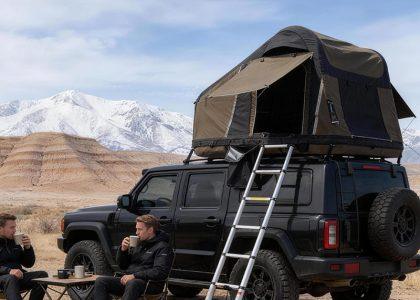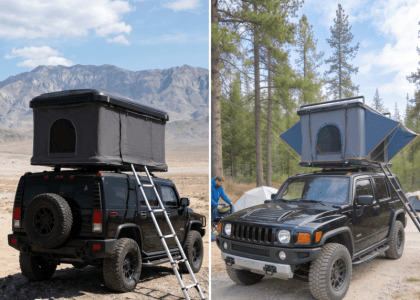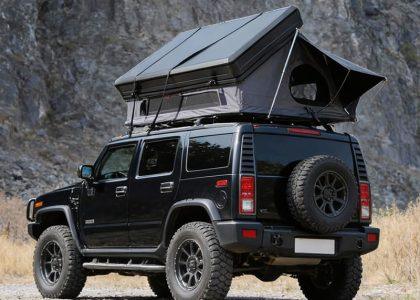
Are you tired of sleeping on rocky, uneven ground and waking up to damp sleeping bags? Investing in a rooftop tent is highly worthwhile because it elevates you above cold, rugged terrain, drastically reduces camp setup time to under three minutes, and provides a thick, built-in mattress for superior outdoor sleep comfort. This comprehensive guide will explore exactly why these elevated vehicle shelters have transformed the overlanding industry. We will cover their core definitions, market popularity, primary advantages and disadvantages, cost evaluations, and whether they are the right fit for your specific camping style.
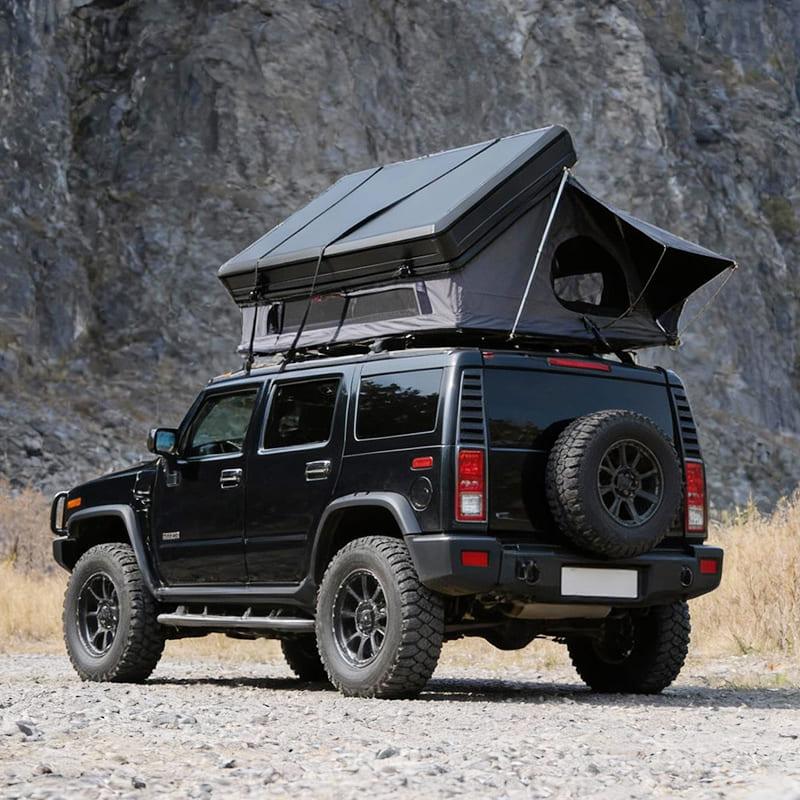
Table of Contents
- What exactly is a rooftop tent?
- Why are rooftop tents so popular right now?
- What are the main pros and cons of rooftop tents?
- Who is the ideal target audience for a rooftop tent?
- How much do rooftop tents cost compared to alternatives?
- Are rooftop tents genuinely worth the investment?
What exactly is a rooftop tent?
A rooftop tent (RTT) is a heavy-duty, vehicle-mounted camping shelter that attaches directly to a car’s roof rack or aftermarket bed bars. Instead of pitching a tent on the ground, campers climb a collapsible aluminum ladder to sleep in an elevated, weather-resistant structural box containing a built-in mattress.
Originally developed for rigorous Australian and African outback expeditions, these tents were designed to keep campers safely above apex predators, flash flooding, and jagged terrain. Today, they have evolved into highly engineered shelters utilized globally by weekend campers and remote travelers alike.
Modern designs typically fall into two main categories:
- Hard Shell Roof Top Tents: These utilize gas struts to pop open instantly, featuring a rigid top (usually aluminum or ABS plastic) that provides excellent aerodynamics and severe weather deflection.
- Soft Shell Roof Top Tents: These rely on a heavy-duty PVC travel cover and fold out like a book, doubling their footprint to comfortably sleep larger families.
Why are rooftop tents so popular right now?
Rooftop tents are surging in popularity because they reduce camp setup and teardown times from thirty minutes to under three minutes. This rapid deployment allows overlanders and weekend campers to spend more time enjoying the outdoors and less time fighting with fiberglass poles in the dark.
According to outdoor industry sales reports, the overlanding and off-grid camping market has experienced explosive growth over the last five years. Campers are increasingly seeking equipment that bridges the gap between traditional ground camping and expensive, bulky recreational vehicles (RVs).
Rooftop tents fulfill this exact market positioning. They provide the ruggedness needed for off-road trails where towing a trailer is impossible, while still delivering the high-density foam mattress comfort associated with premium glamping.
What are the main pros and cons of rooftop tents?
The primary advantage of a rooftop tent is its unparalleled comfort and fast setup, keeping you elevated, dry, and safe. However, the main disadvantages include a high upfront cost, decreased vehicle fuel economy due to aerodynamic drag, and the inability to drive away without packing up camp.
Before purchasing, it is critical to weigh these factors against your typical camping habits. If you prefer a stationary basecamp, losing your vehicle’s mobility might be frustrating. However, if you are a nomadic traveler, the benefits drastically outweigh the drawbacks.
| Aspect | Rooftop Tents | Traditional Ground Tents |
| Setup Time | 1 to 3 minutes | 15 to 30+ minutes |
| Sleep Comfort | Built-in high-density foam mattress | Requires air pads or inflatable cots |
| Weather Resistance | Heavy polycotton canvas; immune to ground flooding | Thin polyester; susceptible to ground moisture |
| Vehicle Impact | Reduces fuel economy; adds top-heavy weight | Packs inside trunk; no fuel economy impact |
| Mobility | Must pack up the tent to drive the vehicle | Can leave the tent set up at the campsite |
Who is the ideal target audience for a rooftop tent?
The ideal target audience for a rooftop tent includes dedicated overlanders, frequent road-trippers, and weekend warriors who prioritize mobility and sleep comfort. They are specifically designed for campers who move locations daily and want a durable, off-the-ground shelter rather than a stationary basecamp.
If you typically set up camp in one spot for a week and drive to nearby trailheads every day, a traditional tent or an unattached roof top tent guide system might be better suited for you.
However, rooftop tents shine for specific user profiles:
- The Overlander: Traversing long, rugged trails daily and needing a reliable shelter that deploys instantly on uneven rocky surfaces.
- The Surfer/Climber: Arriving at destinations late at night and needing a quick, secure place to sleep without clearing ground debris.
- The Comfort Camper: Users with back pain who can no longer tolerate sleeping on thin, deflating ground pads.
How much do rooftop tents cost compared to alternatives?
A high-quality rooftop tent costs between $1,000 and $4,000, depending on materials, shell construction, and size. While standard ground tents cost only $100 to $500, a rooftop tent replaces the need for expensive sleeping pads, cots, and heavy ground tarps, bridging the gap toward RVs.
When evaluating the cost, it is helpful to look at the market pricing tiers established by premier roof top tent manufacturers:
- Entry-Level Soft Shells ($1,000 – $1,500): Budget-friendly, fold-out designs utilizing lighter fabrics and standard aluminum tube framing. Great for fair-weather campers.
- Mid-Tier Hard Shells ($2,000 – $3,000): Constructed with ABS plastic or fiberglass, offering aerodynamic travel profiles and lightning-fast gas-strut deployment.
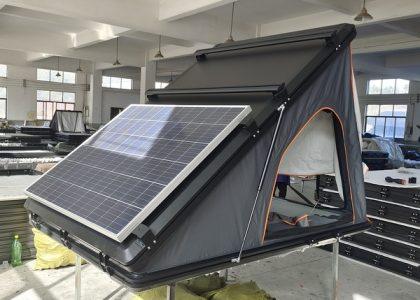
- Premium Aluminum Clamshells ($3,000+): Built with aviation-grade T6 aluminum, heavy 320G polycotton canvas, and integrated accessory channels for mounting solar panels and heavy-duty car awnings.
Are rooftop tents genuinely worth the investment?
Yes, a rooftop tent is genuinely worth the investment if you camp frequently and prioritize mobility, comfort, and weather protection. The time saved during setup and the superior sleep quality completely transform the outdoor experience, easily justifying the premium price tag for dedicated outdoor enthusiasts.
Industry data shows exceptionally high retention and satisfaction rates among buyers. Once users experience the convenience of leaving their sleeping bags and pillows packed flat inside a closed hard-shell tent, they rarely return to traditional ground camping.
Looking forward, as material sciences improve, we can expect rooftop tents to become even lighter and more aerodynamically efficient. By elevating your sleep setup off the cold, wet ground and heavily streamlining your camp logistics, a rooftop tent stands as one of the most impactful upgrades you can make to your outdoor vehicle.