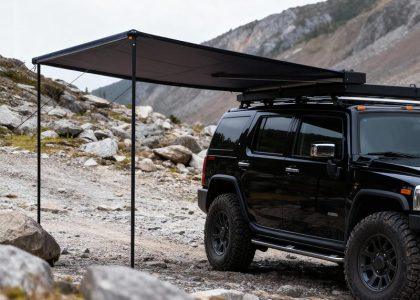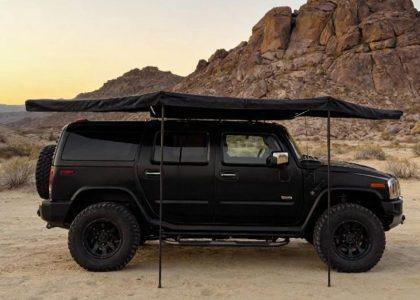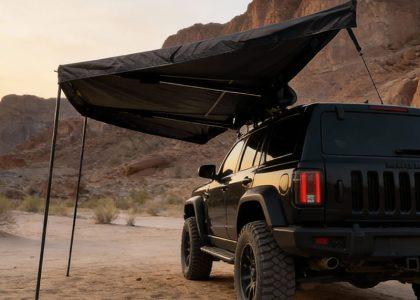
Awning walls are absolutely worth it because they instantly transform a basic vehicle shade canopy into a fully enclosed, weather-resistant room, doubling your usable living space. This article explores exactly how these modular walls function, their primary benefits and drawbacks, and their severe weather performance.
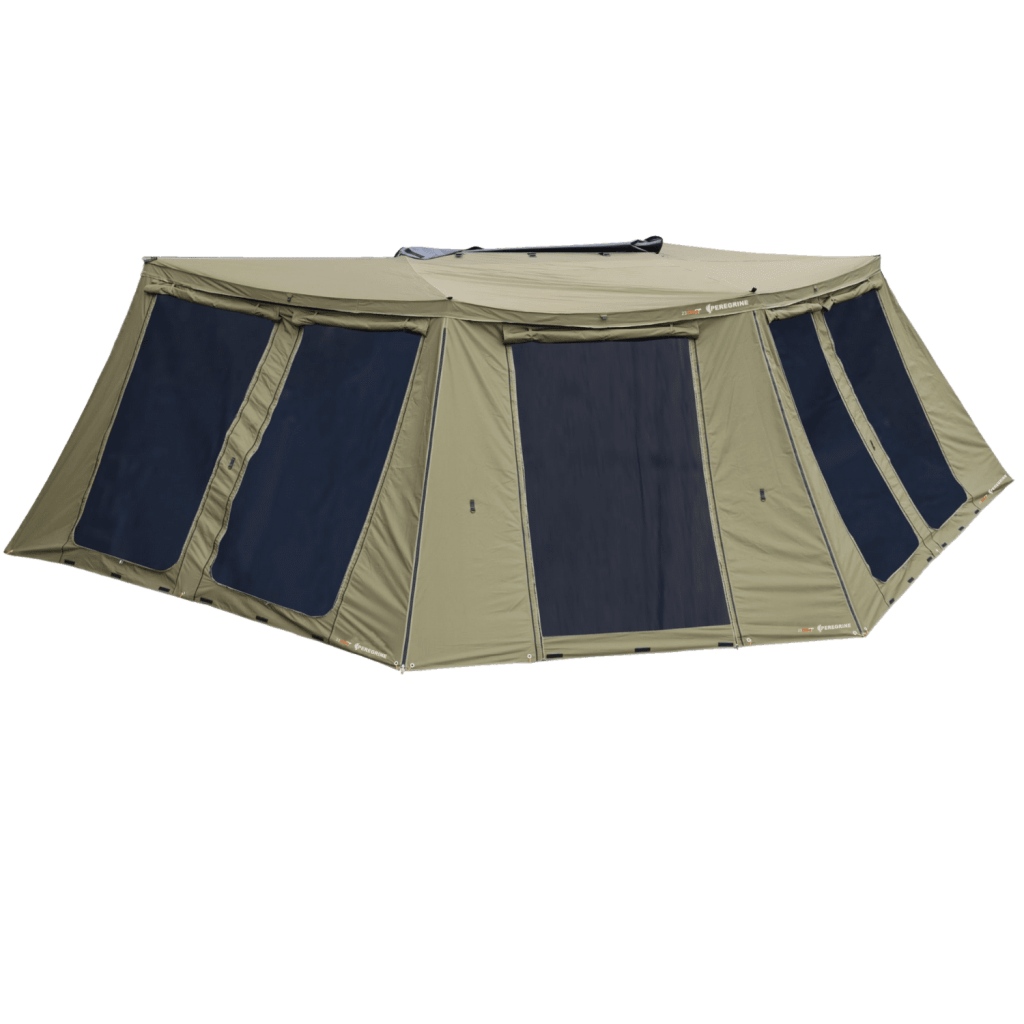
Table of Contents
- What are awning walls and how do they work?
- What are the main advantages of adding awning walls?
- What are the disadvantages of awning walls?
- How do awning walls perform in extreme weather conditions?
- Awning walls vs. standalone ground tents: Which is better?
- Who should invest in an awning wall kit?
What are awning walls and how do they work?
Awning walls are modular fabric panels that attach to the perimeter of a deployed vehicle awning. They work by zipping, sliding into channels, or clipping onto the existing aluminum frame to create a fully enclosed shelter. These walls provide immediate privacy, block horizontal rain, and stop heavy wind.
Most premium awning wall kits utilize heavy-duty materials, such as 280G poly-cotton ripstop canvas, matching the durability of the main canopy. The integration process relies on the structural integrity of your vehicle’s roof rack and awning frame. Because they are modular, you can deploy just one wall as a windbreak or attach all panels for 360-degree coverage.
A high-quality awning wall system typically includes:
- Integrated tracking: Heavy-duty zippers or sail tracks that connect panels directly to the awning frame.
- Mesh windows: Roll-up canvas covers with integrated no-see-um bug mesh for ventilation.
- Access doors: Large zippered entryways allowing easy access to the outside or vehicle interior.
- Draft skirts: Bottom fabric flaps that peg into the ground to seal out insects and water.
What are the main advantages of adding awning walls?
The main advantages of adding awning walls include a massive increase in protected living space, enhanced privacy at crowded campsites, and superior weather protection. They create a secure, dry environment for cooking or sleeping, effectively acting as an extension of your vehicle’s interior cabin.
By enclosing the area beneath your vehicle awning, you create a controlled microclimate. During winter, the walls trap body heat and warmth from portable heaters. In summer, rolling up the canvas panels while leaving the mesh screens down provides vital airflow while blocking biting insects.
The top three reasons campers invest in wall kits include:
- Multi-purpose Space: The enclosed area acts as a kitchen annex, emergency guest quarters, or a secure spot for pets.
- Horizontal Weather Defense: Standard awnings block vertical sun, but walls prevent sideways rain and wind from ruining your camp.
- Campsite Privacy: Walls provide immediate visual separation from neighbors for private showers or changing.
What are the disadvantages of awning walls?
The primary disadvantages of awning walls are the additional setup time required, increased storage bulk, and the extra financial cost. Attaching and pegging down walls adds five to fifteen minutes to your setup, and heavy canvas panels require dedicated storage space inside your vehicle.
Because awning walls use thick poly-cotton ripstop, a full enclosure kit weighs 15 to 30 pounds. This added bulk consumes valuable cargo space. Furthermore, if packed away wet, they must be unrolled and dried within 48 hours to prevent mold degradation.
Another limitation is mobility. Once walls are fully staked and zipped to your vehicle, you cannot drive away without breaking down camp entirely. For campers who use their vehicle for daily trail runs, this rigid attachment is a logistical hurdle.
How do awning walls perform in extreme weather conditions?
In extreme weather, high-quality awning walls perform exceptionally well by blocking horizontal rain and cutting biting winds. However, they require rigid structural support. If wind speeds exceed 15 mph, you must deploy the awning’s telescoping poles and securely tension all guy lines to prevent frame damage.
From our perspective as an ISO 9001-certified manufacturer at Everlead Outdoor, we consistently see that 80% of weather-related failures occur because users fail to stake the walls correctly. In our factory wind-load testing, a properly tensioned 280G canvas wall kit safely deflects 25 mph gusts, whereas loose fabric flaps violently and shears primary awning hinges.
| Condition | Standard Awning | Awning with Walls |
| Sunlight | Overhead shade | 360-degree shade |
| Rain | Water blows under | Dry, enclosed interior |
| High Winds | Upward lift risk | Blocks wind entirely |
| Cold Temp | No insulation | Traps ambient heat |
Awning walls vs. standalone ground tents: Which is better?
Awning walls are generally better than standalone ground tents for overlanders because they integrate directly with the vehicle, utilizing the sturdy awning frame for support. While ground tents allow you to drive your vehicle away, awning walls provide a faster, more cohesive setup directly adjacent to your gear.
An awning wall kit creates a unified campsite. You access your vehicle’s drawers, fridge, and power systems without stepping outside into the rain. In contrast, standalone tents require hauling gear back and forth, exposing you to the elements.
However, ground tents hold the advantage in modularity. If you establish a week-long basecamp and need your vehicle daily, a standalone tent is superior. Ultimately, the choice depends on whether you prioritize an integrated vehicle-based camp or a disconnected basecamp.
Who should invest in an awning wall kit?
You should invest in an awning wall kit if you frequently camp in rainy, windy, or bug-heavy environments, or if you travel with a family needing extra covered space. They are highly recommended for overlanders who require a private annex for extended off-grid trips.
Field experience consistently shows that buyers who invest in hard shell roof top tents often find their ground-level shelter lacking during extended storms. Adding an awning wall kit solves this exact problem, creating a waterproof downstairs living room to complement your elevated roof top tent guide setup.
For those who choose to upgrade, match the wall kit exactly to your roof top tent manufacturer specifications to guarantee zipper compatibility. Prioritize PU3000mm waterproofing to ensure your investment withstands years of harsh outdoor exposure.