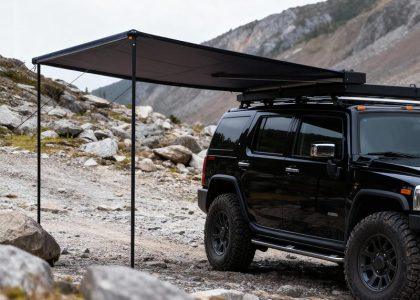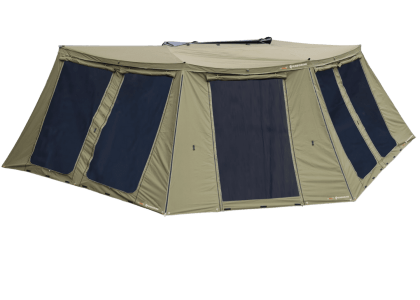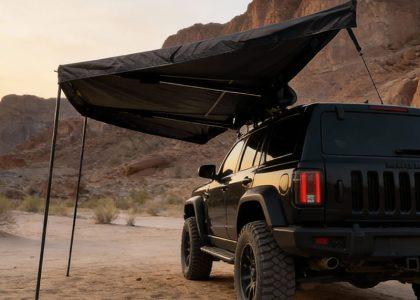
The best material for a vehicle awning is 280G poly-cotton ripstop canvas because it delivers the optimal balance of heavy-duty wind resistance, breathable mold prevention, and long-term UV protection. While weekend campers often settle for cheap synthetic fabrics, serious outdoor enthusiasts require materials engineered for sustained abuse.
This article analyzes the technical differences between popular awning fabrics, explains the importance of denier and GSM weight ratings, decodes waterproofing standards, and helps you select the exact textile you need for your specific camping environment.
Table of Contents
- What is the best material for an awning?
- What are the differences between polyester and poly-cotton canvas?
- How does fabric weight (denier and GSM) affect awning durability?
- What waterproofing standards should an awning material meet?
- How do you prevent mold and UV degradation on awning fabrics?
- Which awning material is best for your specific camping style?
What is the best material for an awning?
The best overall material for a high-quality outdoor awning is 280G poly-cotton ripstop canvas. This hybrid fabric securely combines the breathable, UV-resistant properties of natural cotton with the tear strength and fast-drying capabilities of synthetic polyester.
From our perspective as an ISO 9001-certified roof top tent manufacturer, factory weather-chamber testing consistently shows that 280G poly-cotton outlasts standard 420D polyester by up to three years under continuous UV exposure. It prevents heat from trapping underneath the canopy while providing a thick, structural barrier against driving rain and heavy wind gusts.
What are the differences between polyester and poly-cotton canvas?
Polyester is a lightweight, purely synthetic fabric that is highly water-resistant and affordable, but it degrades quickly in direct sunlight. Poly-cotton canvas is a heavier hybrid blend that breathes naturally, resisting mold and preventing tears under severe wind loads.
Standard polyester excels in quick-deployment scenarios where weight is the primary concern. However, it feels hot underneath because synthetic threads trap ambient heat. Poly-cotton canvas breathes, venting hot air upward while providing deep, cooling shade.
| Feature | Standard Polyester (420D) | Poly-Cotton Ripstop (280G) |
| Material Weight | Very light | Heavy |
| Breathability | Poor (traps heat) | Excellent (vents heat) |
| UV Lifespan | 1–2 seasons | 5+ seasons |
| Tear Resistance | Moderate | High (Reinforced grid) |
| Price Point | Budget | Premium |
How does fabric weight (denier and GSM) affect awning durability?
Fabric weight directly determines an awning’s structural integrity and wind resistance. Higher Denier (D) or Grams per Square Meter (GSM) values indicate thicker, denser thread counts, resulting in materials that will not stretch, flap violently, or tear during severe storms.
Polyester is measured in Denier; a 420D rating is the absolute minimum for outdoor vehicle shades. Canvas is measured in GSM. A 280G rating offers the perfect sweet spot for overlanding. Upgrading to 320G canvas offers extreme protection but adds significant weight to your roof. You must consult your roof top tent guide to ensure your vehicle’s crossbars can support the added dynamic load.
What waterproofing standards should an awning material meet?
A reliable vehicle awning material should feature a minimum Polyurethane (PU) waterproof rating of PU3000mm. This technical standard guarantees the fabric can support a 3,000-millimeter vertical column of water before a single drop leaks through the canvas weave.
Beyond the raw fabric rating, you must verify the construction methods. High waterproofing metrics mean nothing if water seeps through the needle holes. Always specify awnings built with heat-sealed, tape-taped seams to ensure complete heavy rain protection.
How do you prevent mold and UV degradation on awning fabrics?
To prevent mold and UV degradation, you must deploy the awning to air dry within 48 hours of packing it away wet. Furthermore, selecting a fabric treated with anti-fungal agents and UV50+ blockers during manufacturing drastically extends its operational lifespan.
A common regret that only surfaces after purchase is irreversible fabric rot. Field experience consistently shows that buyers who leave wet budget awnings sealed inside heavy PVC travel covers for weeks return to find severe mildew destroying the fabric seams. Routine cleaning with mild, non-detergent soap keeps the canvas pores clear and functional.
Which awning material is best for your specific camping style?
Weekend campers prioritizing fast setups in mild weather should choose lightweight 420D polyester. Conversely, dedicated overlanders facing harsh winds, snow, or torrential rain must invest in 280G poly-cotton ripstop for guaranteed, year-round shelter survival.
To finalize your decision, match the fabric to your shelter ecosystem:
- Casual Beach Trips: 420D polyester offers fast drying times and minimal vehicle weight.
- Four-Season Overlanding: 280G poly-cotton ripstop pairs perfectly with heavy-duty hard shell roof top tents to create a weatherproof basecamp.
- Commercial Outfitting: Hospitality fleets require 320G canvas for maximum daily abuse.
Selecting the right textile prevents mid-trip gear failures. If you require custom fabric engineering or bulk commercial manufacturing, Everlead Outdoor provides ISO-certified production tailored to your exact climate requirements. Upgrade your vehicle’s shade system by prioritizing genuine 280G poly-cotton ripstop for your next adventure.