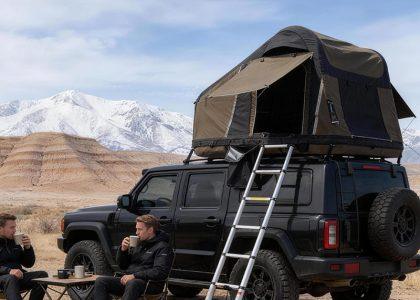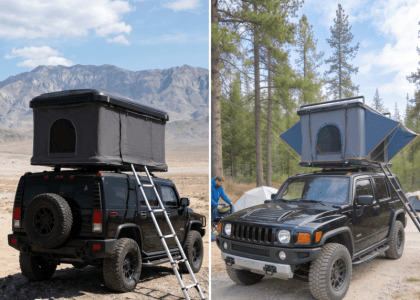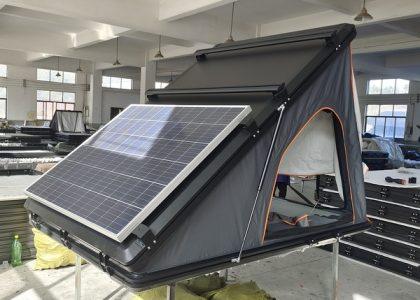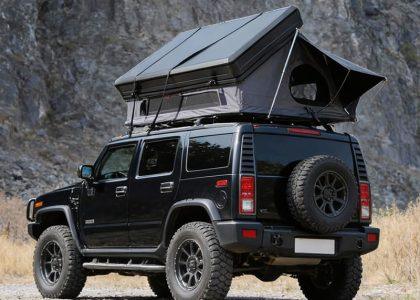
To choose a rooftop tent OEM factory for your brand, you must evaluate their internal quality control infrastructure by demanding 100% full-unit in-house assembly inspections rather than statistical batch sampling, while verifying their official ISO 9001:2015 certification status. Selecting a reliable roof top tent manufacturer relies directly on two non-negotiable manufacturing variables: the factory’s structural tooling capabilities for aviation-grade T6 aluminum profiles and their direct supply chain access to high-performance, weather-ready technical textiles. Sourcing custom rooftop tents through a properly audited partner protects your proprietary intellectual property and ensures long-term operational profitability.
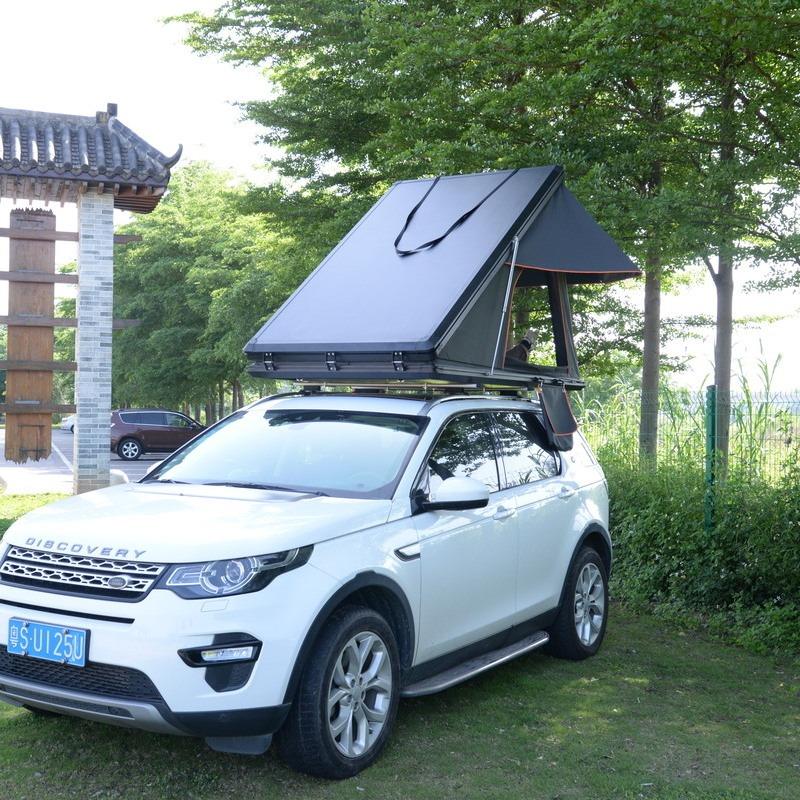
Strategic Sourcing Blueprint
- QC Protocol Baseline: Reject standard 10% Acceptable Quality Limit (AQL) spot checks to prevent container-wide textile or frame assembly defects from reaching your domestic end-users.
- 100% In-House Inspection: Mandate that the rooftop tent OEM factory physically erects and pressure-tests every single production unit on the factory floor before final packaging.
- Tooling Capital Clarity: Require a complete financial amortization breakdown for custom aerodynamic hard shell molding toolings or adaptable pre-existing factory frameworks up front.
- Material Traceability Verification: Demand certified technical data sheets for all raw materials to confirm real aviation-grade T6 aluminum profiles and UPF 50+ canvas consistency.
- Logistics Containerization Math: Optimize structural protective packaging to maximize the internal cubic space of a standard 40ft HQ container without breaching regional payload weight limits.
- Scalable Order Volumes: Choose an ODM partner offering flexible, tiered Minimum Order Quantities (MOQs) that support low-volume pilot testing before scaling up to global distribution volumes.
Operational Realities and Procurement Trade-offs
A successful B2B rooftop tent supplier selection strategy depends on analyzing production realities long before signing an initial manufacturing contract. Many private-label buyers mistake hidden trading company intermediaries for authentic source factories, leaving their supply chain vulnerable to unverified material substitution and unmanaged sub-contracting risks.
The structural and logistical parameters of your product line change significantly based on your raw material choices. For example, upgrading your main tent body fabric from thin polyester to premium 320G polycotton canvas alters frame load requirements and logistics costs. Heavy canvas increases the physical payload weight per tent by 4 to 6 kilograms. This added mass pivots your containerization strategy from volume-limited (cubing out) to weight-limited (weighing out), scaling your ocean freight overhead.
The table below outlines the precise technical and financial trade-offs involved when auditing outdoor equipment factories across primary procurement criteria:
| Sourcing Parameter | White-Label / Catalog Selection | Proprietary Custom Tooling (OEM) | Deep Co-Development (ODM) |
| Upfront Tooling Investment | $0 (Uses pre-existing internal factory frameworks) | $15,000 – $45,000 (Proprietary aerodynamic extrusion molds) | Shared R&D capitalization based on structural patents |
| Typical Prototype Lead Time | 1 – 2 weeks for visual logo printing | 4 – 6 weeks from Tech Pack feasibility report approval | 8 – 12 weeks for complex electrical or structural integrations |
| Minimum Order Quantity (MOQ) | 10 – 20 units for entry-level market testing | 50 units minimum to offset custom manufacturing setups | 1 full 40ft HQ container per specialized model line |
| Quality Control Architecture | Standard 10% AQL random spot-check batch sampling | Mandated 100% full-unit assembly floor inspection | Multi-stage 6S operational methodology floor audit |
| Material Traceability Data | Off-the-shelf, non-certified spot market components | Verified material sheets (T6 alloy, UPF 50+ fabrics) | Full chemical validation (Non-brominated FR formulations) |
| Logistics and Shipping Terms | Standard FOB port collection via third-party forwarder | Flexible Incoterms (FOB, CIF, or direct DDP to dock) | Integrated regional warehousing with US local stock support |
Five-Step Factory Selection Framework
Step 1: Execute a Rigorous Technical Feasibility Audit
Never rely solely on a pristine, hand-crafted golden sample unit provided during initial trade negotiations. Request a formal Tech Pack feasibility report during your Request for Quotation (RFQ) sequence to evaluate how the engineering team intends to execute your blueprints. Verify the exact machinery active on the production floor, ensuring they utilize specialized industrial walking-foot sewing machines and high-frequency hot pressing gear. Inconsistent needle penetration from standard machines creates uneven stitch tension, causing catastrophic seam leaks during heavy field storms.
Step 2: Validate Material Traceability and Chemical Specifications
Demand certified mill sheets and independent laboratory validation reports for all primary structural and textile components. Frame assemblies must utilize true aviation-grade T6 aluminum profiles or robust aluminum honeycomb panels rather than uncertified, recycled alloys to prevent bucking under dynamic wind loads. For the tent body, mandate fabrics with a verified 2000mm to 3000mm hydrostatic head waterproof rating. Ensure your factory utilizes advanced, non-brominated fire-retardant (FR) formulations that achieve strict regional CPAI-84 compliance without accelerating the chemical degradation of your internal Polyurethane (PU) waterproof coatings.
Step 3: Enforce a 100% Full-Unit Floor Assembly Protocol
Field Sourcing Note: In practice, what most buyers discover after their first season is that random batch sampling is entirely insufficient for complex outdoor hardware. If your supplier utilizes generic 10% AQL sampling criteria, minor alignment deviations in internal frame bows or micro-tears in weatherproofing seams remain completely hidden until the consumer deploys the tent in the field. Mandate an operational clause requiring the factory floor team to physically erect, zip-test, and inspect every final unit under load before boxing.
Step 4: Audit Factory Floor Efficiency and Quality Systems
Operational Reality: Field experience consistently shows that a factory’s structural output mirrors its floor-level operational discipline. Audit the production lines to verify active enforcement of a documented 6S operational methodology (Sort, Set in order, Shine, Standardize, Sustain, Safety). A factory with chaotic material handling or uncalibrated tooling jigs cannot maintain tight engineering tolerances across a high-volume manufacturing run. Ensure their quality systems are fully anchored under a verified ISO 9001:2015 management framework to guarantee predictable production lead times.
Step 5: Engineer Structural Packaging for Container Optimization
Rooftop tents are heavy, highly bulky consumer goods that can easily suffer transit damage if packaged incorrectly. Instruct the factory’s logistics team to design custom, reinforced structural packaging featuring heavy-duty edge protectors and dedicated pallet straps. The packaging must perfectly match the internal dimensions of a standard 40ft HQ container. Proper spatial engineering ensures you maximize unit counts per container while protecting fragile components like hydraulic gas struts and ABS shells from crushing forces.
Critical Supply Chain Mistakes
- Accepting Batch Sampling Policies: Relying on statistical spot checks means inheriting hidden manufacturing defects. The factory must execute 100% full-unit quality control validation to catch erratic manual sewing errors before cargo loading.
- Overlooking Tooling IP Rights: Failing to contractually secure ownership of custom molding designs allows factories to repurpose your proprietary aerodynamic hard shell profiles for competing private-label brands.
- Ignoring Heavy Fabric Logistics Overhead: Upgrading material density without calculating physical cargo mass shifts your shipping calculation from volume-limited parameters to weight-limited constraints, damaging your landed cost margins.
- Omitting Post-Creasing Hydrostatic Tests: Reviewing canvas waterproof ratings only on flat fabric sheets overlooks inferior PU coating adhesion that delaminates rapidly after a hard shell roof top tent is repeatedly folded.
- Vetting Without On-Site 6S Audits: Choosing a partner based purely on digital product samples risks onboarding an unorganized assembly house that sub-contracts textile work to unverified local spot markets.
Manufacturing Troubleshooting Matrix
| Symptoms on Arrival | Probable Floor-Level Root Cause | Corrective Factory Action |
| Micro-leaks along geometric canvas seam paths. | Inconsistent needle penetration or incorrect operator tension on manual sewing stations. | Mandate Japanese advanced walking-foot sewing machines and deploy factory-applied polyurethane seam tape. |
| Premature canvas tearing at structural bow sleeves. | Lack of material traceability or omission of critical UV-inhibiting chemical stabilizers. | Require verified technical data sheets proving UPF 50+ performance and pass standard ISO 13937-2 trouser tear testing. |
| Crushed ABS outer shells or bent aluminum tracks. | Inefficient containerization design combined with fragile, non-reinforced commercial packaging. | Implement heavy-duty protective corner caps and build rigid wood-reinforced pallet stabilization arrays. |
| Slow or uncalibrated hydraulic shell deployment. | Installation of low-tier, uncertified gas struts that face hydraulic freezing in cold climates. | Source precision-tuned, heavy-duty gas struts explicitly rated for sub-zero industrial applications. |
| Structural frame flexing under moderate wind loads. | Substitution of standard, recycled aluminum alloys instead of high-grade raw materials. | Enforce strict material sourcing rules mandating certified, virgin aviation-grade T6 aluminum profiles. |
Sourcing Frequently Asked Questions
How do you verify if a rooftop tent supplier is a true factory or a trading company?
A true source manufacturer will have dedicated, on-site industrial tooling lines, raw material alloy inventory, and extensive floor space reserved for structural assembly. When auditing outdoor equipment factories, request their official ISO 9001:2015 certification registration number and verify that the factory name matches their export business license. Trading companies typically rely on random batch sampling and refuse to provide direct material traceability sheets or detailed tech pack feasibility reports.
What is the standard production lead time for an offshore custom rooftop tent order?
A reliable roof top tent manufacturer typically requires 4 to 6 weeks to develop and refine a physical custom prototype from a technical drawing or Tech Pack submission. Once prototype approval occurs, mass production requires an additional 8 to 12 weeks depending on seasonal container volume and material sourcing timelines. Private-label brands must map out a predictable 5-to-6-month total supply chain window to accommodate marine ocean freight and domestic fulfillment processing.
Why does a 10% AQL spot check policy cause high warranty rates for rooftop tents?
Rooftop tents depend on extensive manual craftsmanship, precise textile tensioning, and complex mechanical hardware combinations. A generic 10% Acceptable Quality Limit (AQL) spot check misses operator-specific assembly errors, localized seam leaks, or faulty hydraulic gas struts across the uninspected 90% of your order. To protect your brand from costly domestic warranty claims, your manufacturing partner must physically erect and validate every unit on the production floor.
What upfront tooling capital is required for custom aerodynamic hard shell designs?
Developing a proprietary aerodynamic profile for a hard shell rooftop tent requires custom aluminum extrusion molds or heavy-duty fiberglass, ABS, or aluminum honeycomb panel toolings. These custom molds demand an upfront capital allocation ranging from $15,000 to $45,000 depending on design geometry. Startup brands can reduce initial financial strains by selecting an OEM partner that possesses pre-existing, adaptable frame toolings.
How does choosing a heavy canvas impact global shipping and logistics costs?
Upgrading fabric density to premium 320G polycotton canvas improves weather insulation but adds 4 to 6 kilograms of physical mass per unit. For large wholesale container shipments, this added weight shifts your containerization model from volume-limited parameters to strict maritime payload weight restrictions. Sourcing managers must model these logistics realities upfront, as weighing out a standard container decreases total unit volume per shipment and increases your landed cost per unit.
Industrial Production Integration with Everlead Outdoor
Partnering with a manufacturer that possesses deep technical outdoor textile expertise and rigorous floor control mechanisms allows your brand to eliminate quality risks before bulk shipment dispatch. Everlead Outdoor is an ISO 9001:2015 certified OEM/ODM partner with over 10 years of dedicated experience in the high-volume production of premium camping gear. We manage everything from sourcing aviation-grade T6 aluminum profiles to engineering custom proprietary shell structures.
Most importantly, we operate under a strict 6S operational methodology and mandate a non-negotiable 100% full-unit in-house inspection for every single tent dispatched globally. Whether your brand is looking into soft shell roof top tents for initial pilot lines or scaling up complex hard shells for international distribution, our seasoned production team delivers predictable lead times and reliable engineering consistency. For a complete understanding of model mechanics, consult our comprehensive roof top tent guide.
Maximizing Supply Chain Security
Selecting the correct rooftop tent OEM factory requires looking past baseline unit pricing and evaluating the supplier’s actual quality infrastructure. Prioritizing material traceability data and demanding 100% final-unit inspection clauses prevents brand-eroding field failures. Connect directly with the technical engineering experts at Everlead Outdoor today to submit your Tech Pack, secure your production schedule, and receive a non-binding quotation for your next manufacturing run.