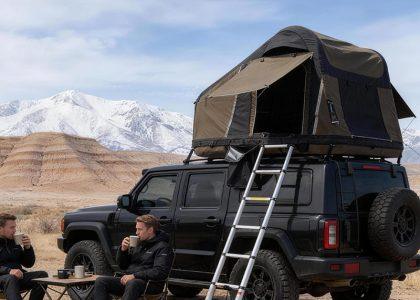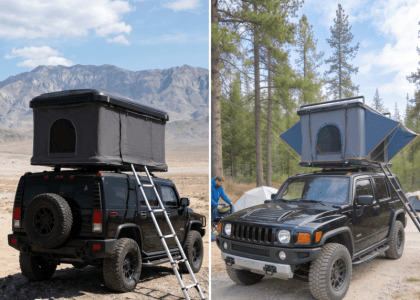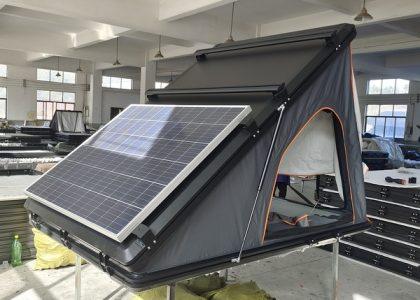
To achieve global market access and protect your brand from product liability claims, rooftop tent manufacturers must possess facility-level management audits consisting of ISO 9001:2015 and a Sedex SMETA report or BSCI audit, paired with product-specific safety certificates including TÜV SÜD type validation, REACH chemical compliance, and CPAI-84 fabric flammability verification. Determining exactly what certifications should rooftop tent manufacturers have requires separating corporate compliance from vehicle road safety mandates. Sourcing custom models through a certified, elite roof top tent manufacturer ensures that your hardware complies with international transport safety and chemical importing laws.
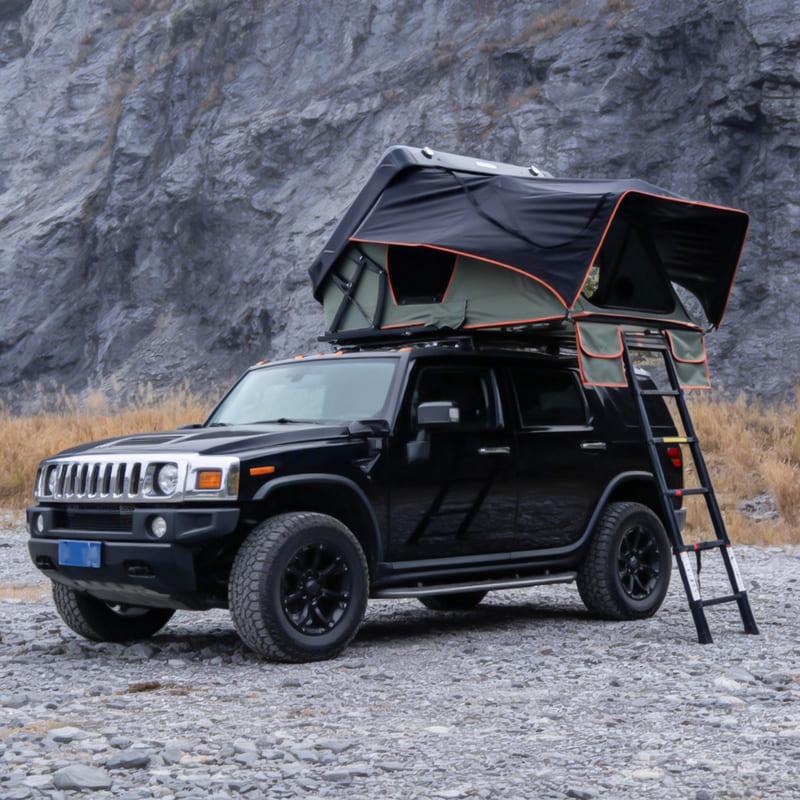
Global Compliance Quick-Reference
- ISO 9001:2015 Certification: Fulfills corporate manufacturing quality standards by ensuring repetitive manufacturing processes match your initial technical specifications.
- TÜV SÜD Safety Mark: Validates mechanical structural safety and dynamic roof-load limits under high-speed freeway travel conditions up to 130 km/h.
- CPAI-84 Fire Standard: Guarantees fabric flammability compliance using strict carbon char length metrics under specific lab vertical flame propagation tests.
- REACH Chemical Compliance: Prevents border customs seizures by certifying that internal coatings use alternative formulations completely free of banned brominated flame retardants.
- amfori BSCI / Sedex SMETA Audits: Confirms workplace social compliance, ensuring ethical labor practices throughout the raw material processing lines.
- SGS / Intertek Waterproof Verification: Verifies hydrostatic head metrics up to a minimum of 3000mm to guarantee wet-weather consumer safety.
Organizational Audits vs. Product-Level Marks
Navigating outdoor equipment compliance standards requires distinguishing factory organizational frameworks from individual product safety stamps. B2B buyers frequently mistake a factory-wide operational certificate for a product-specific safety validation. If a facility maintains an active ISO 9001 quality mark, it merely proves they possess standardized business procedures. It does not certify that an individual rooftop tent will survive physical stress tests or comply with local vehicular highway safety rules.
Furthermore, importing textiles and heavy hardware into premium retail regions creates immediate legal exposures if the fabric coatings contain hazardous compounds. International borders enforce rigid environmental safety limits on consumer goods. Failing to check your manufacturer’s specific raw material traceability sheets leaves your brand vulnerable to costly customs confiscations and consumer product recalls.
The table below outlines the core differences between primary organizational audits and explicit product-level certifications:
| Compliance Dimension | Organizational Facility Audits | Product-Level Safety Certifications |
| Primary Examples | ISO 9001:2015, amfori BSCI, Sedex SMETA report | TÜV SÜD type mark, CE Marking, CPAI-84 fabric standard |
| Audit Scope | Factory floor management, administrative documentation, and labor welfare | Physical testing of textile chemical composition and frame mechanics |
| Legal Mandate | Voluntary commercial verification requested by corporate procurement | Mandatory legal requirement for importing and customs entry clearance |
| Testing Mechanism | On-site inspections of 6S operational methodology and plant records | Laboratory destructive testing, wind tunnel analysis, and chemical extraction |
| Verification Authority | Third-party registrars (TÜV Rheinland, SGS, Intertek) | Nationally Accredited Testing Laboratories (SGS, CNAS, Intertek) |
| Core Brand Protection | Guarantees lead time stability and predictable supply chain execution | Protects against dynamic product liability lawsuits and border seizures |
Six-Step Certification Selection and Document Auditing Protocol
Step 1: Request and Map Global Market Certification Requirements
Identify your primary geographical retail zones before engaging an offshore supplier. If you distribute across North America, prioritize a factory that holds verified CPAI-84 flame-retardant documents. For European expansion, you must secure official CE Marking and REACH chemical compliance verifications. Mapping these variables ensures your product configuration passes regulatory checkpoints without requiring expensive post-production textile modifications or chemical treatments.
Step 2: Validate Facility Quality Systems and Social Responsibility
Verify that the production facility maintains an active ISO 9001:2015 infrastructure to ensure long-term manufacturing uniformity. Ask for their latest amfori BSCI or Sedex SMETA report to confirm ethical labor practices across the assembly floor. Supply chain safety audits guarantee that your partner operates stable, human-rights-compliant facilities, protecting your brand from modern labor exploitation scandals.
Step 3: Enforce TÜV SÜD Structural and Dynamic Safety Marks
Rooftop tents are subjected to aggressive dynamic forces when traveling at freeway speeds. Ensure your chosen facility possesses a voluntary TÜV SÜD type certification based on modified DIN 75302 roof rack testing protocols. This engineering process exposes the tent shell, mounting brackets, and internal frame to simulated high-speed wind resistance profiles and city crash simulations. This validation proves that the hardware will not detach from a vehicle during an emergency braking maneuver.
Step 4: Audit Fabric Chemical Composition and Flammability Standard
Compliance Specialist Insight: In practice, what most buyers discover after their first season is that simple marketing claims like “fire-resistant canvas” offer zero legal protection. If your product lacks an unexpired, laboratory-issued CPAI-84 or NFPA-701 vertical flammability certificate, you face massive exposure if an accident occurs. Ensure your manufacturer utilizes safe, modern chemical formulations instead of hazardous brominated FR alternatives. This methodology safeguards your fabric compliance while ensuring the polycotton shell retains its long-term hydrostatic waterproof rating.
Step 5: Execute Certificate Verification Tracking Against Lab Databases
Supply Chain Warning: Field experience consistently shows that a shocking percentage of factory-provided PDFs are either expired, altered, or borrowed from secondary sub-contracted mills. Never accept a low-resolution scan at face value. Extract the unique certificate registration ID number and cross-reference it directly inside public third-party databases like the SGS, Intertek, or TÜV SÜD verification portals. Confirm that the corporate name, factory address, and product description exactly align with your prospective supplier.
Step 6: Validate Textile Environmental Health via OEKO-TEX Standard 100
Confirm whether the manufacturer sources raw textiles certified under OEKO-TEX Standard 100. This independent textile testing regime guarantees that every component—from the heavy polycotton canvas down to the sewing threads and zippers—is entirely free from harmful levels of over 300 toxic chemicals. Implementing this high-tier environmental standard enhances consumer trust, positions your product line as a premium wellness option, and eliminates regulatory challenges regarding direct skin contact safety.
Critical Compliance and Certification Mistakes
- Confusing Static Load Metrics with Dynamic Vehicle Safety: Relying on static weight capacities (e.g., a tent holding 300 kg while parked) does not guarantee structural integrity during dynamic highway speeds. Ensure your factory undergoes wind tunnel testing up to 130 km/h.
- Accepting Factory Declarations in Place of Third-Party Lab Reports: Self-issued factory compliance sheets hold no legal value at customs. Demand independent test results stamped by accredited organizations like SGS or Intertek.
- Utilizing Expired Flammability Certifications: Fire safety standards mutate regularly. If your factory provides an outdated CPAI-84 document from several years ago, US border protection agents can halt your entire container at the port.
- Ignoring Chemical Coating Material Traceability: Importing canvas treated with banned chemical compounds violates global environmental laws. Ensure the textile mill provides comprehensive REACH compliance sheets for all polyurethane formulations.
- Overlooking Country-Specific Mounting Bracket Laws: Failing to verify that your hard shell roof top tent mounting channels meet regional transport safety rules can result in immediate retail stop-sale orders.
Compliance and Quality Troubleshooting Matrix
| Symptoms on Arrival | Probable Compliance Root Cause | Corrective Factory Action |
| Cargo container detained at international port customs. | Lack of formal REACH declaration sheets or presence of restricted heavy metal chemical stabilizers. | Provide certified chemical analysis documentation from accredited laboratories detailing non-brominated FR formulations. |
| Wholesale fabric fails domestic flammability checks. | Fabric lot sourced from unverified spot mills without CPAI-84 or NFPA-701 verification tracking. | Mandate that the manufacturing facility source fabrics that carry verifiable, unexpired laboratory test numbers. |
| Mounting track bolts deform under torque during installation. | Substitution of uncertified low-grade steel instead of high-tensile 304 stainless hardware. | Implement strict material traceability rules mandating certified mill sheets for all structural steel components. |
| Shell fractures or deforms during high-speed transit. | Omission of dynamic wind tunnel analysis and lack of structural TÜV SÜD certification. | Redesign aerodynamic casing geometry based on real-world mCREST simulated road environmental simulation tests. |
| Canopy canvas leaks along stitching paths during storms. | Hydrostatic head parameters fall below regional outdoor equipment compliance standards. | Upgrade fabric selection to a minimum 3000mm water column rating verified by official SGS test reports. |
Manufacturing Compliance Frequently Asked Questions
What certifications should rooftop tent manufacturers have for the US market?
For the North American market, a premium manufacturer should possess an ISO 9001:2015 management certificate, accompanied by independent SGS test reports confirming CPAI-84 or NFPA-701 compliance for fabric flammability. Additionally, hardware components should undergo strict mechanical loading tests to satisfy vehicle safety expectations, and fabrics must comply with local environmental regulations regarding chemical processing.
How do I check if a rooftop tent factory’s TÜV SÜD certification is authentic?
To verify a TÜV SÜD certificate, locate the unique registration identification number printed on the document. Visit the official TÜV SÜD Certificate Explorer public database online and input the code. The system must display matching records for the factory name, manufacturing site address, and specific product categories like roof racks or automotive components.
Is an ISO 9001 certificate enough to guarantee rooftop tent safety?
No, an ISO 9001 certificate is an organizational asset that simply confirms the facility follows structured, documented procedures for business management. It does not evaluate specific engineering tolerances, fabric waterproof ratings, or vehicular aerodynamics. True product safety requires combining an ISO audit with explicit product-level certifications like REACH, CE, and TÜV SÜD.
What are the financial risks of importing non-REACH compliant outdoor tents?
Importing a soft shell roof top tent batch that fails REACH chemical compliance can result in immediate border confiscation, total container destruction, and significant financial penalties from environmental agencies. Furthermore, your brand faces immense exposure to corporate product liability lawsuits if end-users suffer health complications from toxic textile finishes.
Why do European customs require CE marking for integrated tent systems?
CE marking serves as a mandatory declaration proving that a product complies with essential European health, safety, and environmental protection legislation. If your rooftop tent features integrated electronic parts—such as internal 12V LED lighting strips or USB power ports—it must hold CE and RoHS clearances to legally enter European commerce.
Industrial Compliance Integration with Everlead Outdoor
Partnering with an experienced manufacturer that prioritizes transparent international documentation eliminates supply chain bottlenecks before your cargo ever reaches the port. Everlead Outdoor is an ISO 9001:2015 certified OEM/ODM manufacturer with over a decade of verified experience navigating global outdoor equipment compliance standards. We control every phase of manufacturing, from structural extrusion of aviation-grade T6 aluminum profiles to precision chemical formulation of our extreme-weather fabrics.
Our advanced manufacturing plants strictly enforce an amfori BSCI audited social compliance environment and execute a comprehensive 6S operational methodology across every production line. We provide uncompromised material traceability data sheets, authentic CPAI-84 fire-retardant documents, and rigorous hydrostatic head certifications verified by elite laboratories like SGS and Intertek. To understand the complete layout of our specialized testing systems, read our comprehensive roof top tent guide.
Securing Your Compliance Framework
Mitigating international regulatory risks requires moving past high-level vendor promises and enforcing strict, verifiable laboratory validation milestones. Partnering with a manufacturing plant that provides traceable certification records protects your brand from structural product liability issues and complex customs delays. Contact the regulatory compliance directors at Everlead Outdoor today to review our complete certificate database and establish a secure, fully certified manufacturing partnership.