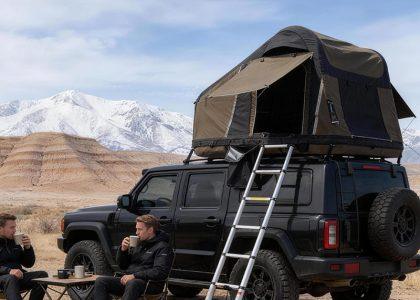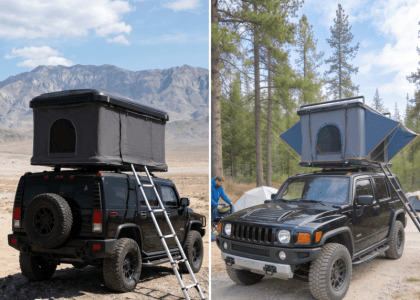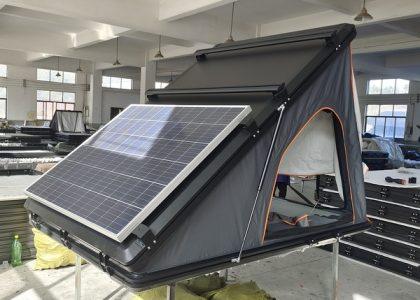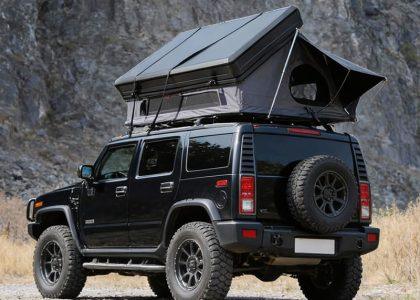
To prevent structural failure and water damage, wholesale buyers must identify common quality problems in cheap rooftop tents, such as un-stabilized ABS polymer cracking, rotting marine plywood bases, and leaking stitch lines, by verifying component specifications directly on the factory floor. Mitigating these budget rooftop tent failures relies on two fundamental variables: enforcing a 100% full-unit inspection framework and demanding documented material traceability for structural frames and polycotton canvases. Sourcing directly from an elite, quality-controlled roof top tent manufacturer protects your product portfolio from high warranty claims and brand-eroding field returns.
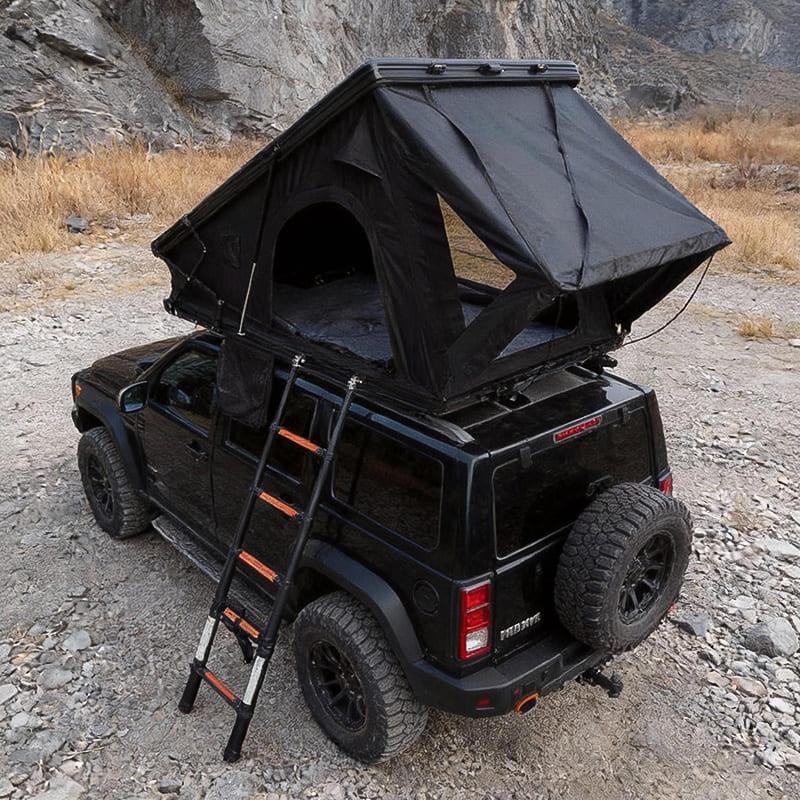
Component Diagnostics Summary
- Hard Shell Polymer Stability: Reject un-stabilized ABS formulations because solar UV exposure degrades the molecular chain, causing micro-fractures within 12 months.
- Canvas Needle Path Infrastructure: Prevent capillary leakage by utilizing a water-activated swelling thread that expands inside needle holes when exposed to rain.
- Gas Strut Hydraulic Formulas: Avoid generic lifters that freeze and lock at cold high-altitude trailheads by demanding low-temperature mineral hydraulic fluid.
- Baseplate Material Chemistry: Transition away from camouflaged marine plywood decks to aluminum honeycomb bases to completely eliminate rot, delamination, and water retention.
- Latches and Fasteners: Replace brittle pot-metal hardware with high-tensile 304 stainless steel closures to resist road vibrations and structural stress.
- Quality Assurance Protocols: Bypass standard 10% Acceptable Quality Limit (AQL) spot checks and require a complete 100% full-unit setup inspection.
Technical Realities of Budget Manufacturing Shortcuts
Wholesale procurement agents often discover that budget rooftop tent failures are intentionally hidden beneath polished exterior finishes. Low-cost factories routinely camouflage structural marine plywood and weak frames inside thin aluminum skin coatings, resulting in hidden rot or sudden flex collapse. This structural degradation occurs when trapped interior moisture initiates wood delamination, completely destroying the flat mattress support foundation.
Furthermore, low-tier synthetic polycotton fabrics use cheap PFAS or un-stabilized Polyurethane (PU) backing formulations that degrade rapidly under solar UV exposure. Substandard hardware components, like pot-metal latches and temperature-sensitive gas struts, systematically fail during freezing alpine travel or under high-velocity freeway wind vibrations.
The comparison matrix below highlights the precise engineering and chemical trade-offs between cheap manufacturing setups and high-tier certified standards:
| Engineering Parameter | Cheap Manufacturing Setups (<$400 FOB) | Premium Engineering Standards (>$800 FOB) |
| Casing Material Chemistry | Un-stabilized recycled ABS plastic polymers | UV-inhibited virgin ABS/Polycarbonate or pure aluminum |
| Base Support Construction | Sealed marine plywood with aluminum framing skin | Marine-grade aluminum honeycomb panels |
| Seam Sealing Methodology | Generic clear heat tape over standard polyester thread | Water-activated swelling thread with double PU tape |
| Lifting Mechanism Fluid | Standard high-viscosity mineral hydraulic oil | Low-temperature hydraulic fluid rated to -40°C |
| Structural Fasteners | Cast pot-metals or zinc-plated carbon steels | Die-stamped 304 marine-grade stainless steel hardware |
| Inspection Architecture | Standard 10% AQL random batch sampling | Rigorous, documented 100% full-unit floor inspection |
Forensic Analysis of Structural and Textile Failure Modes
Casing Polymer Embrittlement and UV Degradation
Cheap hard shell casing models rely heavily on un-stabilized ABS polymer configurations. Solar UV radiation initiates photo-oxidative degradation, breaking down the polymer’s molecular bonds and causing rapid color fading, yellowing, and severe structural brittleness. Over time, road vibrations at highway speeds transform these microscopic structural weaknesses into deep outer shell cracks that completely compromise water seal integrity.
Capillary Water Intrusion via Needle Path Tracks
Rain protection relies on stitch line integrity. Cheap factory lines use high-speed sewing machines equipped with basic synthetic threads that slice static holes through polycotton canvas. When the tent expands under structural stress, these stitch lines gap open, allowing external moisture to travel directly along the thread paths, bypassing thin interior heat seam tapes. Premium builders solve this by deploying water-activated swelling thread that expands when wet to seal the stitch track completely.
Alpine Hydraulic Failure and Gas Strut Freezing
Standard gas struts sourced by low-cost suppliers utilize economy mineral hydraulic oil optimized exclusively for indoor or ambient conditions. When temperatures drop below freezing during high-altitude overland camping journeys, the fluid viscosity spikes rapidly, turning thick and locking up internal valving systems. This change prevents the gas struts from compressing or extending, rendering the opening mechanism useless or warping internal mounting channels under forced pressure.
Recycled Alloy Grain Boundary Failures
Cheap structural frames are extruded using low-grade recycled aluminum scrap rather than virgin aviation-grade T6 profiles. These recycled components suffer from elevated iron and silicon trace impurities, creating localized stress concentrations along internal crystalline boundaries. When subjected to dynamic buffeting forces during a heavy rainstorm, these micro-impurities expand, causing permanent frame bending or sudden structural snap fractures at critical corner joints.
Mechanical Shear Failure in Pot-Metal Latches
Budget hardware relies on cheap zinc-alloy die castings, commonly known as pot metal, to manufacture critical shell closure latches. These fasteners lack the necessary tensile strength and impact resistance to survive the continuous vibrations transmitted through a vehicle’s roof rack. Continuous highway turbulence induces microscopic fatigue cracks within the brittle alloy, culminating in complete latch shearing that can allow a hard shell casing to catch wind and fly open at freeway speeds.
Structural Baseplate Sag and Moisture Retention
Quality Assurance Engineer Insight: In practice, what most buyers discover after their first season is that the internal support structures of cheap tents form a permanent moisture trap. Economy platforms utilizing sheet wood hidden between aluminum sheeting look solid during initial factory showroom vetting, but field usage quickly tells a different story. Internal human respiration condenses up to 1 liter of moisture per night onto the cold floor, soaking into the frame core, causing fungal rot and wood softening that permanently warps the mattress baseplate.
Critical Sourcing Defects and Factory Countermeasures
- Accepting Statistical AQL Batch Sampling Protocols: Relying on statistical spot checks means inheriting undetected manufacturing anomalies. Brands must enforce non-negotiable 100% full-unit inspection procedures on the factory floor to identify irregular manual sewing work before container loading.
- Ignoring Factory Floor Cleanliness Audits: Sourcing from disorganized assembly houses often introduces metal filings or abrasive dust into raw canvas rolls. Dust particles wear away at internal soft shell roof top tent coatings, causing early water leakage.
- Accepting Generic Unverified SBS Waterproof Zippers: Cheap alternative zippers jam instantly when exposed to fine trail dust or sand grains. Demand authentic SBS or YKK brand hardware featuring double-sided polyurethane weather flaps.
- Failing to Verify Chemical PU Coating Material Traceability: Low-tier factories cut product costs by applying toxic, unstable polyurethane chemical compounds. These formulas release heavy chemical odors inside enclosed tent canopies and flake off after minimal exposure to moisture.
- Overlooking Latch Shock-Absorption Elements: Rigid closure configurations without integrated rubber dampeners pass harsh road vibrations directly into the main frame.
Auditor Reality Check: A common regret that only surfaces after purchase is realizing that without flexible, tension-adjustable latch mechanisms, your outer shell casing is constantly fatiguing its own rivets. Over thousands of miles of rough washboard trails, these rigid anchor points tear straight out of plastic hulls, turning a minor oversight into a complete structural product failure.
Manufacturing Quality Troubleshooting Matrix
| Symptoms on Arrival | Probable Floor-Level Root Cause | Corrective Factory Action |
| Surface cracks appearing on outer polymer hard shells. | Use of un-stabilized, highly recycled ABS plastics vulnerable to solar UV breakdown. | Mandate virgin ABS/Polycarbonate engineering pellets containing chemical UV inhibitors. |
| Damp spots forming along interior canvas stitch paths. | Omission of swelling threads and incorrect needle sizes on the industrial sewing line. | Deploy water-activated swelling thread paired with precision automated seam taping equipment. |
| Hard shell lid refuses to lift or close in winter. | Selection of cheap mineral hydraulic oils that freeze in sub-zero alpine conditions. | Source premium gas struts filled with specialized low-temperature synthetic hydraulic oils. |
| Mattress frame base sags or smells of mildew. | Delamination of cheap marine plywood hidden inside the outer aluminum shell. | Transition to premium all-metal marine-grade aluminum honeycomb panels. |
| Main frame bars permanently bend after high winds. | Extrusion of low-grade recycled alloys featuring crystalline boundary impurities. | Enforce strict material sourcing metrics mandating certified aviation-grade T6 aluminum profiles. |
Sourcing Frequently Asked Questions
How do you identify hidden marine plywood inside an aluminum rooftop tent base?
Unscrew an internal mounting track or ladder bracket to expose the raw cross-section of the floor core. If you notice wood fibers or multi-layered veneers instead of an all-aluminum core, the factory has camouflaged economy plywood inside thin outer metal sheets. This structural layout retains moisture and eventually rots, making it a critical risk factor for global brands.
Why do cheap polyurethane (PU) canvas coatings flake off so quickly?
Low-cost manufacturing plants utilize unstable PU chemical formulas mixed with heavy solvents to reduce compound drying times on the textile line. These unstable chemical compositions degrade rapidly when exposed to heat and moisture, leading to peeling, flaking, and loss of hydrostatic water protection. Brands should specify premium polycotton canvas materials detailed in our roof top tent guide.
Can a 10% AQL spot check catch erratic sewing anomalies across bulk runs?
No, statistical spot checking is completely inadequate for complex outdoor hardware. Manual sewing variances, out-of-calibration needle tension, and micro-tears in weatherproofing seam tapes occur randomly across individual production lines. Catching these common quality problems in cheap rooftop tents requires implementing a strict 100% full-unit setup protocol before final packaging.
What causes pot-metal latches to shear off during standard highway travel?
Pot metal or low-grade zinc alloys have low tensile strength and cannot withstand continuous fatigue forces. When a vehicle travels at highway speeds, headwind resistance creates a strong upward pulling force on the tent cover. This continuous force shears weak pot-metal latches at their narrowest load-bearing points.
What are the financial impacts of high warranty rates on outdoor startup brands?
High field defect rates can quickly drain a startup’s operational capital due to expensive domestic shipping fees, warehouse storage costs, and replacement part logistics. Returning a defective unit to an offshore factory is financially impractical. Therefore, your brand must bear the entire financial burden of product liability and customer returns unless you address quality control directly on the factory floor.
Industrial Quality Engineering with Everlead Outdoor
Partnering with a manufacturer that combines premium technical textiles with strict engineering controls allows your brand to eliminate quality risks before bulk shipment dispatch. Everlead Outdoor is an ISO 9001:2015 certified OEM/ODM partner with over 10 years of experience producing premium overlanding equipment. We control every phase of production, from sourcing certified aviation-grade T6 aluminum profiles to manufacturing advanced aluminum honeycomb bases.
Most importantly, we manage our factory floor under a strict 6S operational methodology and mandate a non-negotiable 100% full-unit inspection for every tent dispatched globally. Whether your brand is developing custom hard shells or lightweight soft shell variants, our engineering team delivers predictable lead times and reliable manufacturing consistency.
Securing Long-Term Product Integrity
Protecting your brand from costly field failures requires looking past low baseline pricing and analyzing your supplier’s actual material standards. Prioritizing certified components and enforcing factory-floor testing protocols eliminates costly warranty claims and secures your distribution margins. Connect directly with the quality assurance engineers at Everlead Outdoor today to submit your Tech Pack, secure your production schedule, and receive an obligation-free manufacturing quotation.