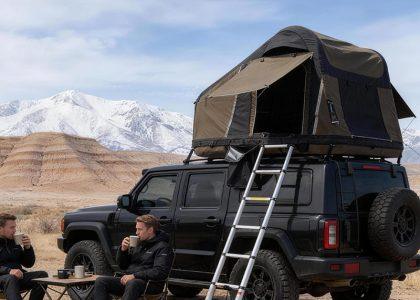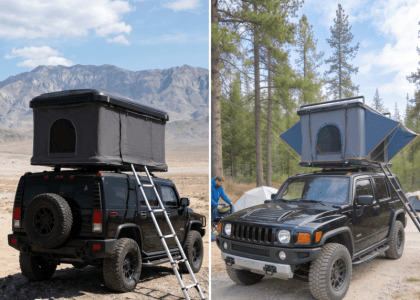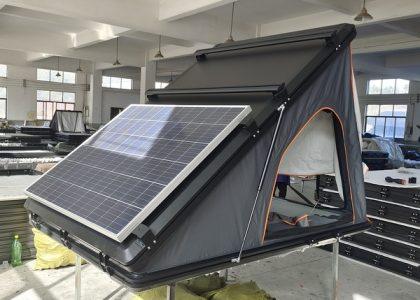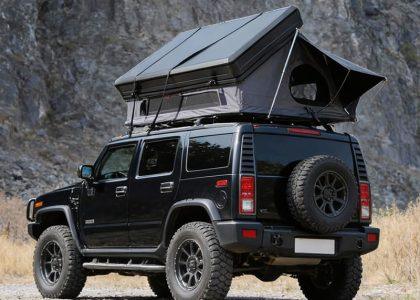
Trucks like the Toyota Tacoma, Ford F-150, Chevy Silverado, Ram 1500, and Jeep Gladiator dominate the overlanding and truck camping scene. But mounting a rooftop tent (RTT) on a truck brings unique challenges that generic recommendations often ignore: short beds that block tailgate access, cab height differences, towing and hauling needs, off-road departure angles, and the daily reality of using your truck as an actual truck.
Many owners buy the “best overall” RTT only to discover it’s too long for their short bed, raises the center of gravity dangerously, or turns highway driving into a noisy, inefficient slog. This guide focuses exclusively on rooftop tents for trucks. It delivers practical, vehicle-specific advice on mounting locations, compatibility by truck type, real-world performance, and honest recommendations so you can choose a tent that works with how you actually use your truck in 2026.

Quick Answer
The iKamper BDV Duo or Roofnest Condor Overland (hybrid/hardshell designs) are the best rooftop tents for most truck owners in 2026. For midsize trucks with short beds like the Tacoma, prioritize compact low-profile models to preserve tailgate access and garageability. Full-size truck owners have more flexibility for larger tents. Always mount on a properly rated bed rack or cab rack and verify your truck’s dynamic load limits.
Key Takeaways
- Bed length and mounting location (cab roof vs. bed rack) are the biggest factors when choosing an RTT for a truck.
- Low-profile hardshell or hybrid tents usually deliver better aerodynamics, less wind noise, and easier daily driving on trucks.
- Mounting over the bed on a dedicated bed rack often provides better weight distribution and rear access than cab-roof mounting.
- Dynamic load ratings matter more than static ratings — trucks see constant vibration and movement off-road.
- A quality RTT adds meaningful convenience for frequent campers but comes with real trade-offs in fuel economy and handling.
- The best tent matches your truck type, bed length, and primary use case (weekend camping vs. long-haul overlanding).
Why Trucks Need Special RTT Consideration
Trucks are not SUVs or cars. Their bed length, cab height, and intended work/trail use create constraints that many rooftop tent buyers overlook until after purchase. A tent that fits perfectly on a 4Runner may block your tailgate on a 5-foot Tacoma bed or create dangerous sway when towing on a full-size F-150.
Mounting location changes everything. Cab-roof mounting keeps the bed fully usable but can increase wind drag and raise the center of gravity higher. Bed-rack mounting often feels more balanced and allows easier ladder access, but it may limit tall cargo or require a specialized rack. Off-road, added height affects approach/departure angles and increases the chance of snagging branches.
Real-world example: Tacoma owners with 5-foot beds frequently report that longer tents force them to choose between no tailgate access or awkward partial-over-cab mounting. Full-size truck owners have more room but still deal with increased wind buffeting at highway speeds and the need to maintain towing capacity.
For a deeper understanding of rooftop tent fundamentals, see our roof top tent guide.

Key Factors When Choosing a Rooftop Tent for Your Truck
Before looking at specific models, evaluate these truck-specific criteria:
- Bed Length Compatibility — Short beds (5–5.5 ft on Tacoma, Colorado, Ranger) need compact tents (typically under 80–85 inches closed) to avoid blocking the tailgate. Long beds (6.5–8 ft) offer more flexibility.
- Dynamic Load Rating — Check your truck’s roof or bed rack dynamic rating (usually 150–300 lbs while moving). Factor in tent weight plus two adults. Midsize trucks are often more limited than full-size.
- Aerodynamics & Fuel Economy — Low-profile hardshells create less drag than tall softshells. Expect 1–3 mpg loss on trucks at highway speeds; the penalty is more noticeable on midsize trucks with smaller engines.
- Ladder Access & Daily Use — Consider how easy it is to climb in/out at night and whether the tent interferes with bed access, tonneau covers, or hauling lumber/tools.
- Vibration & Durability — Trucks transmit more road shock. Look for reinforced hinges, thick aluminum, and robust fabric that can handle thousands of miles of corrugation.
- Accessory Integration — Pre-drilled rails for awnings, solar, or recovery boards matter when your truck is your basecamp.
Popular truck examples: Tacoma short-bed owners often prefer compact models. F-150 or Ram owners can comfortably run larger tents.
For help calculating load limits, read our guide: How Much Weight Can a Roof Rack Hold.
Best Rooftop Tents for Trucks in 2026
Here are the standout models for truck use based on real-world compatibility, durability under vibration, and owner feedback from truck-heavy overlanding communities.
iKamper BDV Duo (Best Overall for Most Trucks) Hybrid hardshell with fast gas-strut deployment (under 60 seconds) and excellent condensation control. Compact enough for many midsize trucks yet spacious inside. Smart accessory rails make it easy to add awnings. Ideal for Tacoma, Colorado, and full-size trucks used for mixed highway/trail driving.
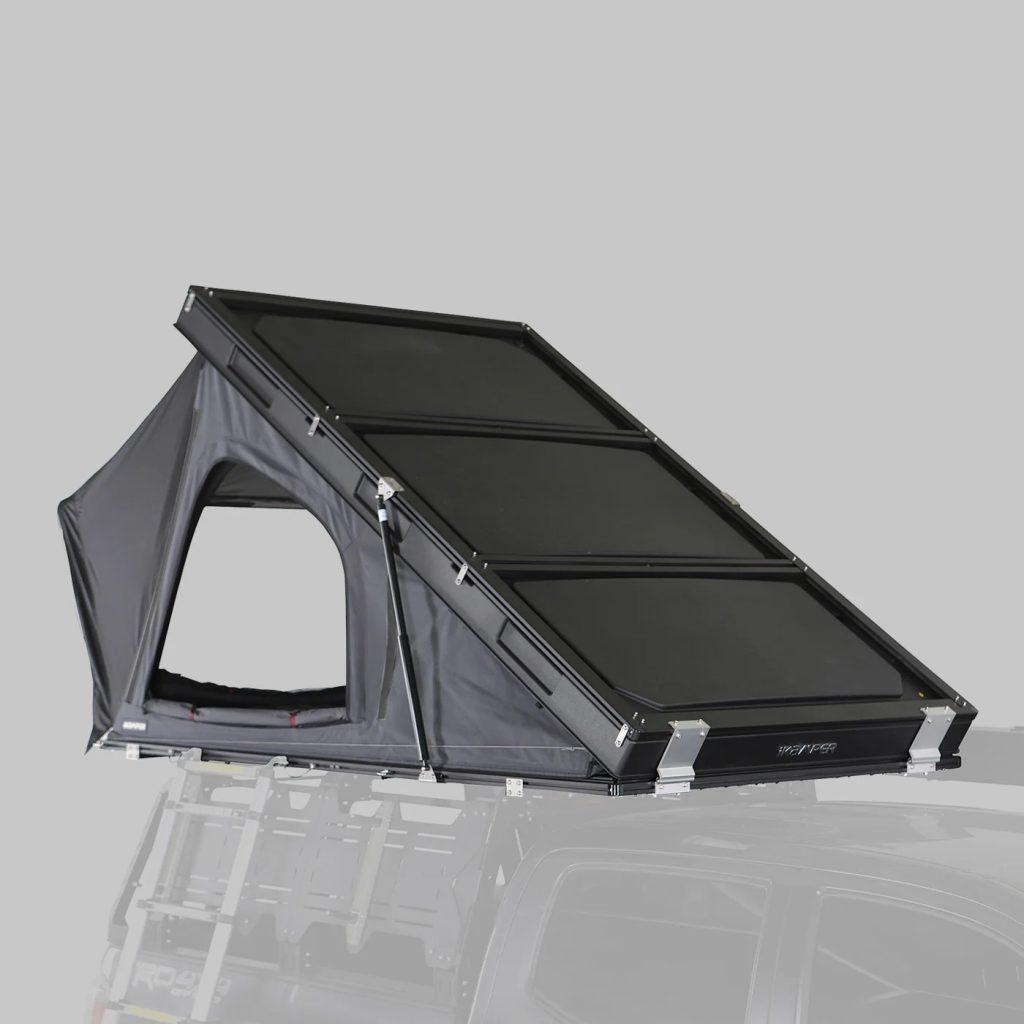
Roofnest Condor Overland (Best Hybrid Runner-Up) Rugged hybrid with a strong aluminum shell option. Shorter footprint versions work well on short beds. Quiet on the highway and proven on long truck-based expeditions. Slightly heavier but extremely reliable under constant vibration.
Alu-Cab Gen 3R Expedition (Best Premium Expedition Choice) All-aluminum wedge-style tent built like a tank. Excellent for full-size trucks and serious overlanders who want bombproof durability. Heavier (around 195 lbs), so best suited for trucks with higher load ratings and long beds.
Freespirit Recreation Evolution V2 (Best Premium Hardshell) Sleek, low-profile design with premium weatherproofing. Crossbar compatible and relatively easy for one person to set up. Great for daily drivers that double as weekend overland trucks.
SAN HIMA Hotham Lite (Best Lightweight/Aerodynamic Option) Ultra-low closed profile minimizes fuel penalty and wind noise. Surprisingly quick setup even in cold weather. Excellent choice for midsize trucks or owners prioritizing efficiency and garageability.
Smittybilt GEN2 Overlander (Best Budget Option) Affordable softshell that still holds up for moderate truck use. Larger interior volume makes it appealing for families, though setup takes longer and it carries more wind noise.
Head-to-Head Comparison Table
| Tent | Type | Closed Length | Weight (lbs) | Setup Time | Best Truck Type | Approx. Price (2026) | Truck Score |
|---|---|---|---|---|---|---|---|
| iKamper BDV Duo | Hybrid | Compact | 110 | <60 sec | Midsize + Full-Size | $2,700–$2,900 | 9.4 |
| Roofnest Condor Overland | Hybrid | Short-Medium | 135 | 30–45 sec | All Trucks | $3,200–$3,500 | 9.2 |
| Alu-Cab Gen 3R Expedition | Hardshell | Medium | 195 | 45 sec | Full-Size + Serious Builds | $4,399 | 9.0 |
| Freespirit Evolution V2 | Hardshell | Medium | 145 | 45 sec | Midsize + Daily Driver | $4,095 | 8.7 |
| SAN HIMA Hotham Lite | Hardshell | Low Profile | 147 | 30 sec | Midsize Efficiency | $2,200–$2,500 | 8.6 |
| Smittybilt GEN2 | Softshell | Medium-Large | 154–170 | 4–5 min | Budget Full-Size | $1,400–$1,700 | 7.6 |
Mounting a Rooftop Tent on Your Truck – Cab vs Bed Rack
Cab Roof Mounting Pros: Keeps bed completely open for hauling or gear. Often more aerodynamic if the tent sits low. Cons: Higher center of gravity, potential wind deflection issues, harder ladder access on some trucks.
Bed Rack Mounting Pros: Better weight distribution over the rear axle, easier ladder reach, more level platform on many trucks. Allows full use of cab roof for other gear. Cons: May limit tall cargo in the bed, requires a dedicated heavy-duty bed rack. Can affect departure angle slightly.
Practical advice: For short-bed midsize trucks, many owners prefer a low bed rack setup to keep the tent closer to cab height and reduce sway. Full-size truck owners often mount over the bed for balance, especially when towing. Always use anti-vibration hardware and check torque regularly after rough roads.
For step-by-step instructions, see our guide on install roof top tent.
Real-World Truck Owner Experiences & Tips
Truck owners who use their RTT 20+ nights per year consistently praise the convenience of quick setup after long drives. However, common complaints include increased wind noise on full-size trucks at 70+ mph and the need for frequent hardware checks due to vibration.
Tips from experienced users:
- Add a wind deflector if mounting over the cab to reduce buffeting.
- Use closed-cell foam or a vapor barrier under the mattress to control condensation.
- Mount slightly forward on bed racks so the ladder clears the tailgate when open.
- On short-bed trucks, test ladder clearance before final installation.
How to Choose the Right RTT for Your Specific Truck
- Measure your bed length and note whether you need tailgate access.
- Check your truck’s dynamic load rating for roof or bed.
- Decide primary use: frequent camp moves favor fast hardshells; basecamp-style favors roomier options.
- Factor in daily driving: towing, hauling, garage parking, or highway commuting.
- Budget for the full system (tent + rack + mounting hardware + accessories).
Midsize truck owners usually benefit most from compact low-profile models. Full-size truck owners can choose larger tents but should still prioritize aerodynamics if they do significant highway miles.
FAQ
Does adding a rooftop tent void my truck’s warranty or affect towing capacity?
It rarely voids the warranty if installed properly and within load limits, but always confirm with your dealer. Towing capacity may be indirectly affected by added weight and changed aerodynamics.
How much does a rooftop tent realistically impact fuel economy on a full-size truck?
Expect 1–3 mpg loss at highway speeds, with low-profile hardshells causing less penalty than tall softshells.
Can I still use my truck bed for hauling or camping gear with an RTT installed?
Yes, especially with cab-roof mounting or adjustable bed rack systems. Bed-rack mounting often limits tall items but still allows gear storage underneath.
What’s the best way to winterize or store a rooftop tent on a truck?
Clean thoroughly, dry completely, apply UV protectant, and store in a garage if possible. Remove the mattress to prevent mold.
Are rooftop tents legal on truck trails with height restrictions?
Many trails have vehicle height limits (often 11–13 ft total). Measure with the tent closed and check local regulations.
How do I prevent condensation inside a rooftop tent when truck camping in cold weather?
Use excellent ventilation, add a vapor barrier or closed-cell foam under the mattress, and avoid breathing directly into the tent fabric.
Which roof racks or bed racks are strongest for heavy rooftop tents on trucks?
Heavy-duty systems from Front Runner, Leitner ACS, Prinsu, or RCI are popular. Choose options rated well above your tent + occupants weight.
Conclusion
The right rooftop tent can transform your truck into a highly capable mobile basecamp, offering quick setup, elevated comfort, and protection that ground tents struggle to match on rough terrain. Success depends on matching the tent to your specific truck model, bed length, mounting style, and actual usage patterns.
Take time to measure, check load ratings, and consider real-world trade-offs in fuel, handling, and daily drivability. When chosen wisely, a quality RTT becomes one of the best upgrades you can make to your truck-based adventures.
Safe travels — may your camps be quick to set up and your roads smooth (or at least interesting).
About Everlead Outdoor – Your Trusted Rooftop Tent Supplier
At Everlead Outdoor, we specialize in manufacturing high-quality vehicle rooftop tents designed specifically for trucks, SUVs, and serious overlanders. As a dedicated factory-direct producer based in Dongguan, China, we control every step of production — from aluminum extrusion to final assembly — to deliver durable, trail-ready rooftop tents that perform reliably in real-world conditions.
What makes us different is our customer-first flexibility: we offer a minimum order quantity of just one unit, making it easy for individual truck owners, small retailers, or first-time buyers to get exactly what they need without large commitments. We also maintain ready in-stock inventory in the U.S., which means faster shipping, lower lead times, and greater convenience for North American customers.
Whether you’re outfitting your Tacoma, F-150, or building a complete overland rig, Everlead Outdoor provides reliable, well-engineered rooftop tents backed by strict quality control. Explore our full range and helpful resources, including our roof top tent guide and best roof top tent recommendations.