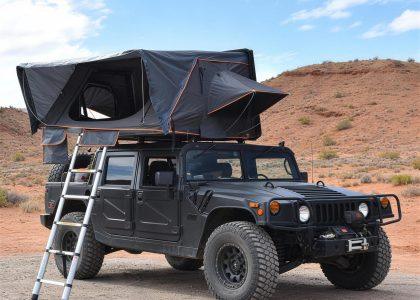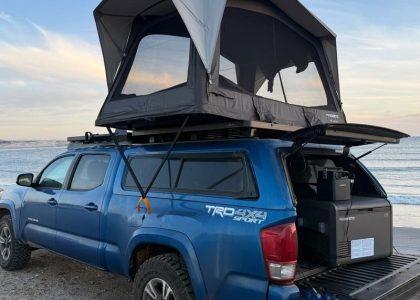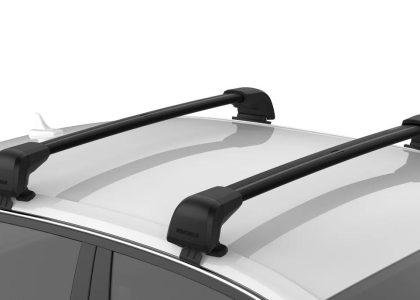
Nothing ruins a peaceful night of overlanding quite like a rooftop tent that rattles, shakes, and howls with every gust of wind. Rooftop tents shake and make noise primarily due to loose mounting brackets, inadequate factory roof racks, or improperly tensioned canvas awnings catching the wind. Understanding the mechanical limits of your vehicle’s roof setup and learning how to properly batten down your tent will instantly transform a noisy, unstable shelter into a rock-solid basecamp. This guide explores the exact causes of tent movement, establishes what level of swaying is normal, and provides actionable steps to eliminate structural shaking and fabric noise.
Table of Contents
- Why does my rooftop tent shake?
- Is it normal for rooftop tents to move?
- How to stop rooftop tent noise?
- Are rooftop tents stable at highway speeds?
- Can wind cause rooftop tent movement?
Why does my rooftop tent shake?
Your rooftop tent shakes primarily due to improperly tensioned mounting hardware, inadequate vehicle crossbars, or an incorrectly positioned ladder. When the base brackets loosen over time or the crossbars flex under static weight, the entire tent structure becomes susceptible to movement during wind gusts or when occupants shift inside.
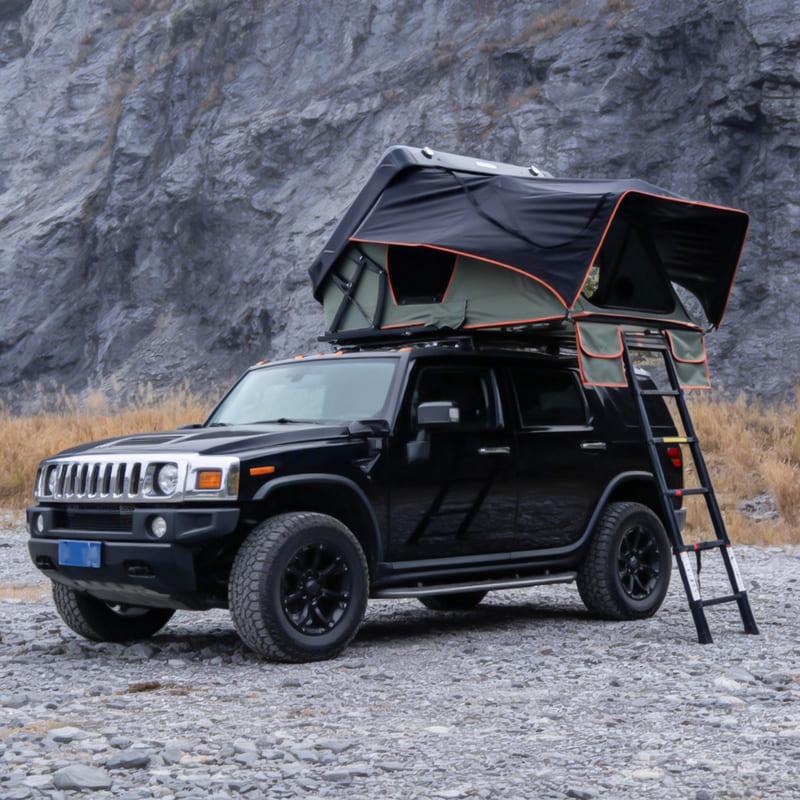
Beyond loose hardware, the foundation of your tent plays a massive role in its stability. Many buyers mistakenly mount heavy rooftop tents directly to thin factory roof rails. These factory rails are designed for light cargo, not the dynamic and static stress of a 150-pound tent plus two adults. When weight is applied, the thin metal or plastic flexes, causing the entire structure to vibrate.
Another frequent culprit is the telescoping ladder. In a fold-out hybrid or soft-shell tent, the ladder acts as a critical load-bearing pillar for the overhanging floor. If the ladder is positioned at an angle steeper or shallower than the recommended 75 degrees, it fails to support the floor adequately, leading to a bouncing, shaking sensation every time you move.
Common Causes of Tent Shaking
| Problem Area | Specific Cause | Structural Consequence |
| Mounting Hardware | Loose 13mm nylon lock nuts. | Tent base slides and rattles against the crossbars. |
| Roof Racks | Using weak factory crossbars. | Crossbars bow under static weight, causing trampoline-like bouncing. |
| Ladder Angle | Ladder set too vertically or improperly locked. | Fold-out floor lacks support, causing a see-saw effect. |
| Hinges | Warped internal base hinges. | The two floor halves fail to lock rigidly, creating a soft middle. |
Is it normal for rooftop tents to move?
Yes, a slight degree of movement in a rooftop tent is completely normal. Because the tent is elevated high on a vehicle’s suspension system and rubber tires, minor swaying will naturally occur when occupants shift their weight. However, severe rocking or metal-on-metal clunking indicates a dangerous structural issue.
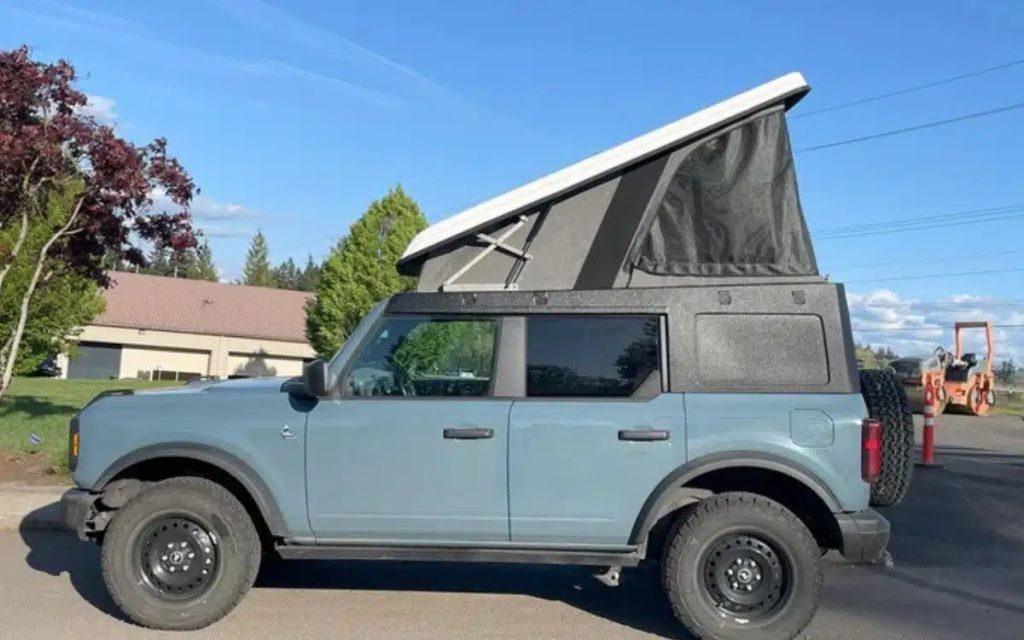
It is important to separate vehicle suspension movement from actual tent instability. If you roll over in your sleep and feel a gentle, fluid sway, you are simply feeling your car’s suspension absorbing the kinetic energy. This is entirely safe and expected. Taller vehicles with off-road suspension lifts will experience more of this natural sway than lower-profile hatchbacks.
However, abnormal movement feels distinct. If you feel a sharp jolt, hear a metallic knocking sound, or notice the floor plates bowing beneath your knees, the tent itself is moving independently of the vehicle. This requires immediate intervention.
- Normal Movement: Gentle, rhythmic swaying caused by the vehicle’s shock absorbers; minor canvas fluttering in a breeze.
- Abnormal Movement: Clunking noises from the base; the ladder sinking or shifting; visible gaps between the tent rails and the crossbars.
How to stop rooftop tent noise?
To stop rooftop tent noise, remove the window spring rods and tightly roll down the canvas awnings during high winds. Additionally, applying dry silicone lubricant to the zippers, securing loose guy lines, and installing a 3D mesh anti-condensation mat will significantly reduce canvas flapping and internal squeaking.
Noise in a rooftop tent generally falls into two categories: aerodynamic fabric noise and mechanical friction. Soft-shell tents are notorious for wind flap. The heavy 600D canvas and overhanging rainflies act like sails. By tying down loose fabrics and minimizing the surface area exposed to the wind, you can eliminate the dreaded “machine-gun” flapping sound that keeps campers awake.
Mechanical noises, such as squeaking hinges or grinding zippers, occur as dust and grit work their way into the moving parts of the tent during off-road travel. Routine maintenance is the only way to silence these issues permanently.
Step-by-Step Noise Reduction Guide
- Batten Down the Hatches: In winds exceeding 15 mph, remove the metal tension rods holding up the window awnings. Roll the canvas down and zip it completely shut to eliminate wind-catching pockets.
- Lubricate Hardware: Spray a dry silicone lubricant (never wet grease, which attracts dirt) onto the main travel cover zippers and internal floor hinges to stop high-pitched squeaking.
- Tension the Rainfly: Utilize aftermarket bungee cords or heavy-duty guy lines to pull the rainfly incredibly taut. A tight rainfly cannot flap.
- Silence the Floor: Place a 10mm 3D mesh anti-condensation mat between your mattress and the aluminum floor. This not only prevents moisture buildup but acts as a sound-dampening layer against floor creaks.
Are rooftop tents stable at highway speeds?
Rooftop tents are highly stable at highway speeds as long as they are securely mounted to aftermarket crossbars that exceed the tent’s dynamic roof load rating. Properly installed tents will not shake, shift, or detach while driving, though boxier soft-shell models will naturally generate aerodynamic wind noise.
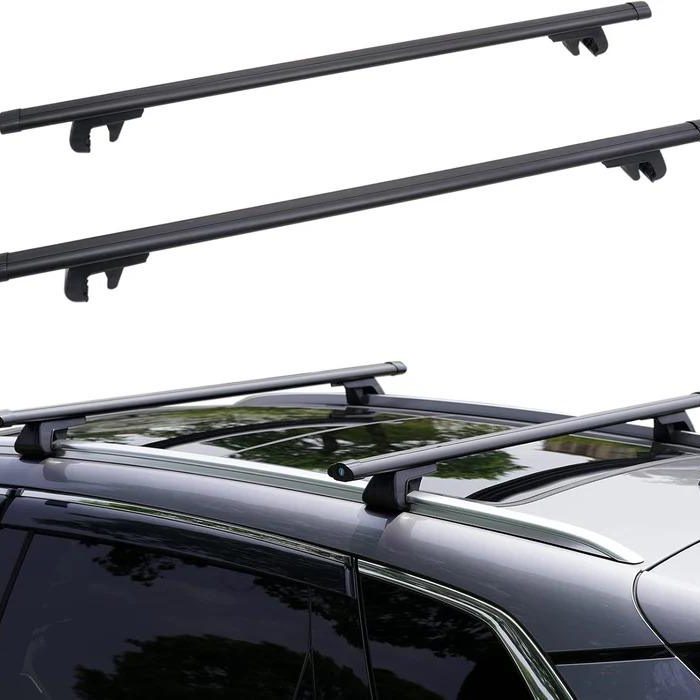
Driving at 70 mph generates immense aerodynamic lift and drag forces against the front profile of your tent. Stability at these speeds relies entirely on your mounting hardware. You must use high-quality, aftermarket crossbars with a dynamic load rating (the weight the roof can hold while moving) that exceeds your tent’s packed weight by at least 20%.
If your hardware is torqued to specification, the tent will act as a single, solid unit with your vehicle. You will not feel the tent shaking while driving. If you do hear rattling from the roof while on the highway, pull over immediately; this is a primary indicator that a mounting bolt has vibrated loose.
For maximum highway stability and minimal noise, hard-shell wedge tents are superior. Their ultra-slim, aerodynamic profiles cut through the wind efficiently, whereas thick PVC-covered soft-shell tents act like a brick, reducing fuel efficiency and generating noticeable wind roar.
Can wind cause rooftop tent movement?
Yes, high winds can cause significant rooftop tent movement by catching the deployed window awnings and vertical canvas walls like a sail. Wind speeds exceeding 25 mph will create noticeable swaying and structural noise, requiring you to batten down the rainfly and park your vehicle facing the wind.
Wind is the greatest environmental factor affecting rooftop tent stability. Because the tent is essentially a large fabric box positioned six feet in the air, broadside wind gusts apply massive lateral pressure to your vehicle’s suspension. This can cause the entire vehicle to rock aggressively.
To mitigate wind-induced movement, environmental positioning is critical. Always assess the wind direction before turning off your engine. Park your vehicle so the narrowest, most aerodynamic part of the tent (typically the hard-shell hinge or the front wedge) points directly into the oncoming wind.
- Under 15 mph: Safe to leave all window awnings deployed and spring rods inserted.
- 15 – 25 mph: Remove spring rods, zip down side windows, and pull the rainfly taut to stop shaking.
- Over 30 mph: Park facing the wind, close all external awnings, and consider dropping the tent if lateral gusts threaten to unbalance the vehicle.
Conclusion
Rooftop tents offer an unparalleled camping experience, but they demand proper installation and environmental awareness to function quietly. Loose hardware, inadequate factory roof racks, and poorly tensioned canvas are the primary culprits behind annoying shakes and squeaks. By upgrading to dynamic-rated crossbars, properly locking your ladder at a 75-degree angle, and battening down your awnings during heavy winds, you can eliminate structural movement and enjoy a peaceful night’s sleep. Remember, a slight sway from your vehicle’s suspension is normal, but a rock-solid mounting foundation is non-negotiable.
About Everlead Outdoor: Engineering True Stability
Eliminating tent shake begins on the manufacturing floor. At Everlead Outdoor, we know that cheap plastics and weak baseboards lead directly to unstable, noisy tents. As an ISO 9001-certified OEM/ODM manufacturer with over a decade of dedicated experience, we engineer our rooftop tents using aviation-grade T6 aluminum extrusions and 4×4 honeycomb aluminum plates.
Our strict 100% full-unit in-house QC inspection pledge ensures that every hinge, strut, and mounting bracket is built to withstand extreme off-road vibrations without loosening. Whether it is our lightning-fast Aluminum Wedge RTT or our spacious Z-Fold designs, we provide outdoor brands worldwide with premium, rock-solid shelters that perform flawlessly in high winds and harsh conditions. Partner with us to deliver uncompromising quality to your customers.