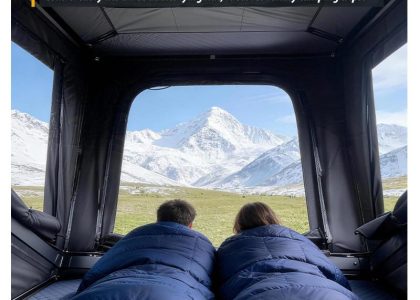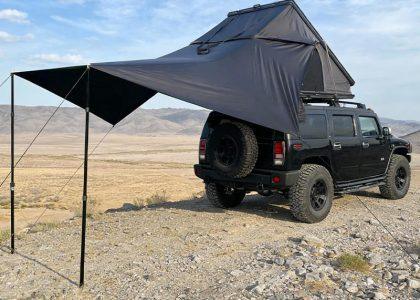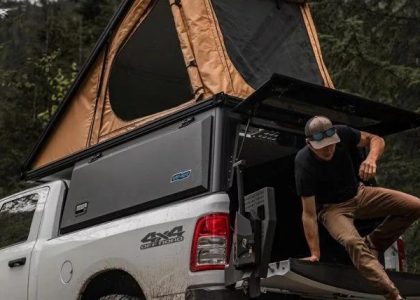
Winter camping brings serene snow-covered landscapes, peaceful solitude, and unforgettable adventures. Yet many overlanders hesitate when considering roof top tent winter camping. Common concerns include bone-chilling cold, persistent condensation, snow buildup, and safely staying warm through the night.
Fortunately, rooftop tents (RTTs) often outperform traditional ground tents in winter. Their elevated position keeps sleepers above snow and frozen ground while enabling faster setup. With smart insulation, effective ventilation, and proper safety measures, many campers enjoy comfortable nights even at -20°C (-4°F) or lower.
This guide delivers practical, experience-based advice to help you prepare with confidence. You will learn proven strategies for insulation, condensation control, gear selection, safe heating, and real-world setup tips that turn winter RTT camping into a rewarding experience.
Quick Answer
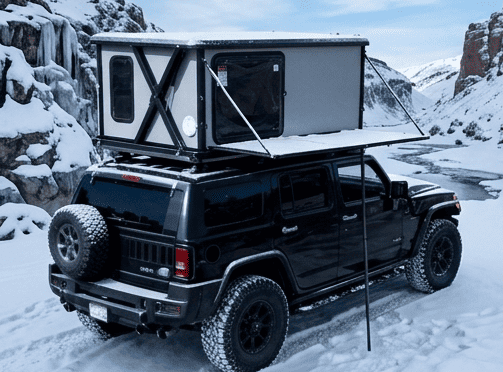
Yes, roof top tents work effectively for winter camping when properly equipped. Hard-shell models generally perform best thanks to superior snow shedding, wind resistance, and insulation potential. Focus on high-R-value floor insulation, a 0°F (-18°C) or lower sleeping bag, controlled ventilation for condensation management, and safe heating options. Well-prepared setups routinely deliver comfortable sleep down to -20°C (-4°F) or colder.
Key Takeaways
- Hard-shell roof top tents usually outperform soft-shell models in snow, wind, and overall cold-weather performance.
- The floor is the biggest source of heat loss — prioritize layered base insulation before other upgrades.
- Condensation is inevitable in winter but manageable with strategic airflow and moisture barriers.
- Safe supplemental heating requires carbon monoxide awareness and proper ventilation — never run unventilated fuel-burning heaters while sleeping.
- Always test your complete winter setup on a short local trip before remote expeditions.
- Respect vehicle roof load limits and clear snow accumulation regularly for safety and structural integrity.
Why Roof Top Tents Excel in Winter Camping
Rooftop tents offer clear advantages when temperatures drop. Sleeping elevated above snow and frozen ground significantly reduces conductive cold from below. Setup is often quicker since you avoid clearing large areas or fighting deep snow for stakes.
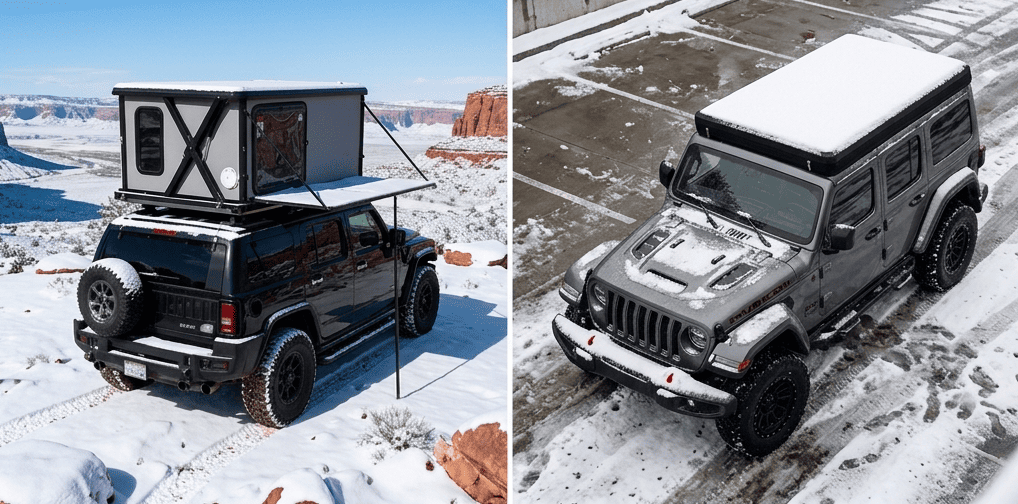
Many hard-shell designs naturally shed snow thanks to their rigid, sloped profiles. Direct integration with your vehicle also provides convenient access to power and storage.
Limitations exist. Higher wind exposure can increase heat loss, and thin floors and walls lose heat rapidly without adequate insulation. Soft-shell models with large fabric surfaces may collect more snow and feel draftier in strong winds.
Experienced winter campers frequently describe a well-insulated RTT as a “cozy elevated shelter” — far more comfortable than wrestling a collapsing ground tent in powder snow.
For a complete overview of rooftop tents, including seasonal considerations and four-season features, read The Ultimate Roof Top Tent Guide.
Hard Shell vs Soft Shell Roof Top Tents for Winter Use
The distinction between hard-shell and soft-shell roof top tents becomes especially important in cold conditions. Hard shells typically hold the advantage for winter reliability.
Hard-shell strengths in winter:
- Rigid construction offers excellent wind resistance and snow shedding.
- Lower closed profile improves aerodynamics and reduces driving noise.
- Fixed structure simplifies adding internal insulation panels or liners.
- Faster deployment when conditions are freezing and hands are gloved.
Soft-shell considerations:
- Larger interior volume when open, which can feel more spacious for longer stays.
- Generally lighter and more affordable, but greater fabric area increases heat loss and snow loading risk.
- Require careful guying in windy conditions; additional storm covers may help.
Hard Shell vs Soft Shell Comparison for Winter
| Aspect | Hard Shell RTT | Soft Shell RTT |
| Snow Shedding | Excellent (rigid sloped design) | Moderate (depends on tension) |
| Wind Resistance | Superior | Good with strong guylines |
| Heat Retention | Easier to insulate effectively | Larger volume can feel draftier |
| Cold-Weather Setup | Faster, minimal fabric handling | More zippers and fabric to manage |
| Insulation Options | Simple to add custom liners | Possible but often bulkier |
| Storm Durability | Higher overall | Needs extra attention |
In exposed alpine areas or heavy snow regions, hard shells are often preferred. Soft shells can still perform well in milder winters or sheltered sites when paired with quality liners.
For a deeper comparison of performance across weather conditions, see Hard Shell vs Soft Shell Roof Top Tent.
Essential Gear for Staying Warm and Comfortable in a Roof Top Tent
A solid sleep system forms the foundation of comfortable roof top tent winter camping.
Choose a sleeping bag rated 0°F (-18°C) or lower with quality down or synthetic fill. Pair it with a high-R-value sleeping pad or mattress. Many stock RTT mattresses rate only R-2 to R-3, which is often insufficient in serious cold. Add closed-cell foam or a reflective barrier underneath.
Layering is key: moisture-wicking base layers, fleece mid-layers, and a warm puffy jacket. Wool socks and a beanie help retain heat in extremities.
Gear Recommendations by Temperature Range:
- Mild winter (0°C to -10°C): 20°F-rated bag + mattress topper + light liner.
- Moderate cold (-10°C to -20°C): 0°F or -20°F bag + 4-season mattress or added foam + full insulated liner.
- Extreme conditions (-20°C and below): Expedition bag, multiple insulation layers, and safe supplemental heat.
Include a red-light headlamp, portable power station, and moisture-wicking fabrics. Test the full combination in a cold environment at home beforehand.
To avoid common purchasing mistakes and understand key features like insulation and seasonal suitability, consult the Roof Top Tent Buying Guide.
Proven Insulation Strategies for Roof Top Tents in Cold Weather
Most heat loss in a rooftop tent occurs through the floor. Cold from the vehicle roof conducts upward rapidly, making base insulation the highest-impact upgrade.
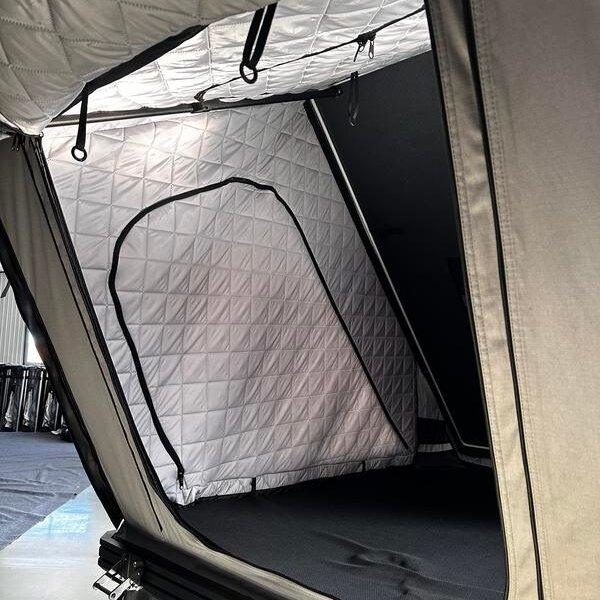
Effective layered insulation approach (bottom to top):
- Reflective foil or anti-condensation mat directly on the tent floor.
- One or more closed-cell foam pads (R-3 or higher).
- Your primary sleeping mattress.
- Optional wool blanket or additional reflective layer.
Wall and ceiling liners (commercial or DIY using Reflectix-style materials) can raise interior temperatures by 8–12°C (15–20°F) in moderate conditions. Secure them with clips or Velcro for easy installation and removal.
One overlander in the Rocky Mountains improved overnight lows from -5°C to +8°C by adding ½-inch XPS foam under the mattress plus full wall liners. The change turned marginal nights into comfortable ones.
Balance insulation with ventilation. Over-sealing the tent traps moisture and worsens condensation.
How to Manage Condensation in Roof Top Tent Winter Camping
Condensation is the most common complaint in winter roof top tent camping. Warm, moist air from breathing and body heat meets cold surfaces and forms water droplets or frost.
Why it happens: Large temperature differences combined with limited airflow. Completely sealing the tent often intensifies the issue.
Practical control strategies:
- Crack a high vent or window open by 1–2 inches to allow moist air to escape upward.
- Install an anti-condensation mat or absorbent liner on the ceiling and upper walls.
- Wipe interior surfaces with a microfiber towel each morning.
- Use a small 12V circulation fan for gentle air movement.
- Keep wet gear and snow-covered boots outside whenever possible.
Combining a quality liner with controlled ventilation keeps drips minimal even at -15°C. Some campers add reusable dehumidifier bags for extra moisture control. Focus on management rather than total elimination — always plan time to air out and dry the tent after trips.
Safe Heating Options for Winter Roof Top Tents
Supplemental heat enhances comfort, but safety must come first. Carbon monoxide (CO) incidents have occurred in enclosed camping spaces.
Heating Methods Compared
| Method | Advantages | Risks / Drawbacks | Recommended For |
| Diesel Air Heater | Efficient, uses vehicle fuel, low CO risk when properly vented | Requires careful exhaust routing | Multi-day cold expeditions |
| Electric Blanket / Pad | Completely safe, no combustion | Depends on reliable power supply | Mild to moderate cold |
| Propane Heater | Portable and powerful | High CO risk without ventilation | Daytime use only |
| No Heater | Zero combustion risk | Relies fully on insulation | Well-insulated setups |
Always use a quality CO detector inside the tent. Never run combustion heaters while sleeping unless the system has proper external exhaust. Many experienced users prefer electric options or professionally installed diesel heaters. Hot water bottles or chemical warmers provide simple, safe targeted warmth.
Test any heating system thoroughly on non-remote trips first.
Practical Setup Tips, Safety, and Real-World Advice for Winter RTT Camping
Thorough preparation separates successful winter trips from uncomfortable ones.
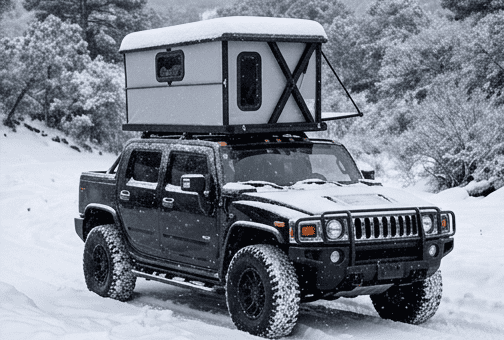
Essential pre-trip checklist:
- Confirm your vehicle’s static roof load rating and stay well below it.
- Monitor and clear snow from the tent roof regularly.
- Choose campsites with natural wind protection when possible.
- Pack a shovel, roof brush, and tarp for snow management.
- Carry a CO detector, first-aid kit, and extra warm layers.
In deep snow, position the vehicle as a windbreak. Deploy the tent carefully to avoid ice buildup on zippers. A quick morning routine — opening vents, wiping surfaces, and fluffing sleeping bags — helps maintain comfort and loft.
At higher elevations, reduced oxygen can affect both people and heater performance. Test your full winter configuration on a local overnight trip and adjust based on real results.
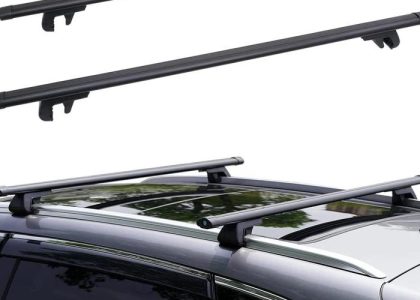
For important guidance on vehicle compatibility and load limits, read How Much Weight Can a Roof Rack Hold?.
FAQ
Can I leave my roof top tent mounted on the vehicle throughout winter?
Yes, especially with hard-shell models. Inspect regularly for snow and ice buildup, check mounting hardware, and consider a protective cover for extended stationary periods. Remove the mattress if prolonged dampness is a concern.
How much snow accumulation is safe on a roof top tent?
Clear snow before it reaches 6–8 inches of heavy, wet accumulation. Always respect your vehicle’s roof load limits. Excessive snow can shift the center of gravity and affect driving stability.
What is the lowest temperature achievable in a roof top tent without any heater?
With excellent insulation and a high-quality sleeping bag, experienced campers report comfortable nights at -20°C to -25°C (-4°F to -13°F). Results vary based on wind protection and layering. Below that range, most add safe supplemental heat.
Do inflatable or hybrid roof top tents handle winter differently?
Inflatable models may lose air pressure in extreme cold due to material contraction. Hybrids follow similar insulation principles. Traditional hard- and soft-shell tents remain more common for demanding winter use due to their proven durability.
How should I dry a roof top tent after a snowy multi-day trip?
Fully open the tent in a dry, breezy, or sunny location as soon as possible. Thoroughly wipe all interior surfaces and maximize airflow. Low-heat fans or dehumidifiers can help. Never store the tent while damp or wet.
What post-winter maintenance is recommended for a roof top tent?
Clean and completely dry the tent, including all seams and zippers. Inspect mounting hardware for wear or corrosion. Reapply waterproof treatments if performance has declined. Check the mattress for moisture damage and store components in a cool, dry place.
How do children or pets affect winter roof top tent camping?
Extra occupants increase internal moisture and heat, which can raise condensation levels. Children lose body heat faster, so prioritize their insulation and layers. Pets may need booties for snow and additional blankets. Maintain strong ventilation and monitor CO levels if using any heat source.
Conclusion
Roof top tent winter camping becomes comfortable and rewarding with thoughtful preparation. Strong floor insulation, effective condensation management, safe heating choices, and thorough testing allow you to enjoy warm nights amid stunning snowy landscapes.
Start with shorter local outings to refine your system. Over time, you will develop a setup tailored to your vehicle, climate, and preferences. The elevated comfort and quick deployment of a well-prepared RTT often make winter expeditions more enjoyable than many initially expect.
Stay safe, monitor conditions, and embrace the unique quiet beauty of cold-weather overlanding.
About Everlead Outdoor
Everlead Outdoor is a specialized China-based manufacturer of professional-grade rooftop tents and vehicle-mounted shelters. As a direct OEM/ODM partner, the company offers flexible solutions with minimum order quantities starting from just one unit and maintains in-stock inventory options in the U.S. to support efficient sourcing for quality outdoor equipment.