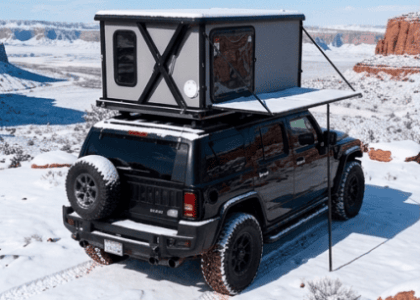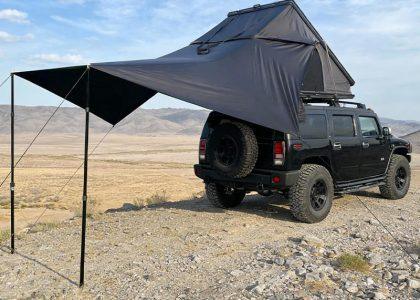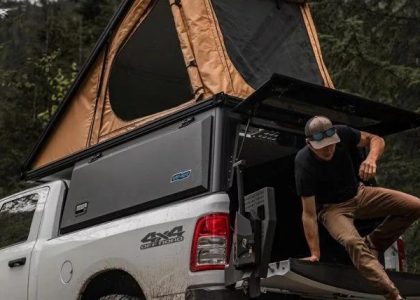
Choosing the right roof rack for your rooftop tent is just as critical as selecting the tent itself. A weak or mismatched rack can turn a great camping upgrade into a dangerous liability — loose bolts on corrugated roads, bent crossbars, damaged vehicle roofs, or even catastrophic failure at highway speeds. Many buyers focus only on the tent’s weight while ignoring dynamic load ratings, proper mounting points, and long-term vibration resistance.
The confusion is common: factory roof rails look sufficient until you add a 100–200 lb tent plus two people. Wind noise, fuel penalty, and handling changes catch people off guard. This guide gives you a clear, practical framework to choose a safe, durable roof rack system that matches your vehicle, your rooftop tent, and how you actually use it — whether weekend camping, overlanding, or daily driving in 2026.
Quick Answer
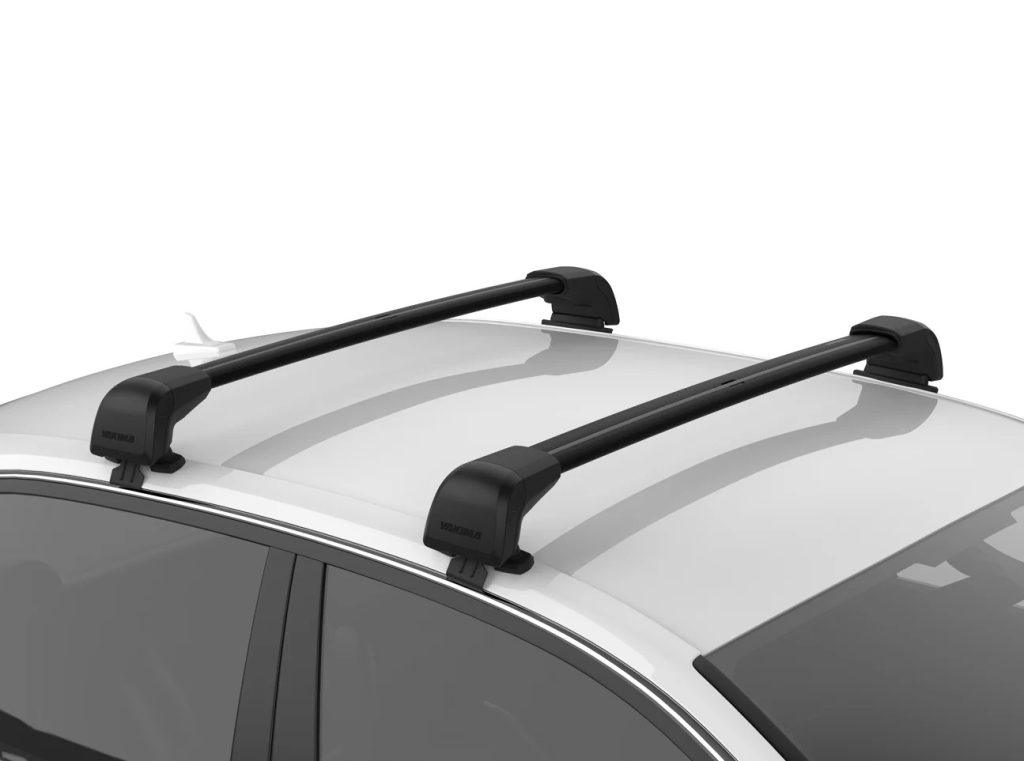
You need a roof rack (or bed rack) with a dynamic load rating of at least 150–300 lbs above your tent’s weight, depending on your vehicle and safety margin. For most rooftop tents, heavy-duty crossbars or full platform racks from Prinsu, Front Runner, or Rhino-Rack are safest. Always verify your vehicle’s official dynamic roof load limit first and never exceed it while driving.
Key Takeaways
- Dynamic load rating (while moving) matters far more than static rating for rooftop tents.
- Factory crossbars are rarely strong enough — aftermarket heavy-duty systems are almost always required.
- Platform racks provide better support, easier mounting, and superior accessory integration than basic crossbars.
- Truck owners often get better results with dedicated bed racks for improved weight distribution.
- Always build in a 20–50% safety margin when calculating total load.
- Proper torque, anti-vibration measures, and regular inspections prevent most long-term failures.
Why Roof Rack Choice Matters for Rooftop Tents
A rooftop tent adds significant weight, height, and wind resistance to your vehicle. The roof rack becomes the critical connection point between your tent and the vehicle structure. Choose poorly, and you risk roof damage, compromised handling, increased fuel consumption, and dangerous swaying at speed.
In real-world overlanding, the difference shows quickly. On washboard roads in Baja or forest service roads in the Rockies, weak racks develop rattles within weeks and can loosen critical mounting bolts. A properly engineered rack distributes weight evenly, reduces vibration transfer, and maintains structural integrity for thousands of miles. It also affects aerodynamics — low-profile designs create noticeably less wind noise and drag than tall, bulky systems.
For a deeper understanding of rooftop tent fundamentals, see our roof top tent guide.
Static vs Dynamic Load Ratings Explained
This is the most misunderstood aspect of roof rack selection.
Static Load Rating — The maximum weight the rack can support when the vehicle is parked (e.g., with people sleeping inside the tent). Many racks advertise high static ratings (500–1,000+ lbs).
Dynamic Load Rating — The maximum weight the rack (and vehicle roof) can safely handle while the vehicle is moving. This is the number that actually matters for rooftop tents.
How to Calculate Safely Tent weight + two adults (approx. 400 lbs total) + safety margin (20–50%).
Example:
- Tent weight: 130 lbs
- Two adults: 400 lbs
- Total: 530 lbs
- With 30% safety margin: ~690 lbs dynamic capacity needed
Always check both your vehicle’s official dynamic roof load limit and the rack’s rating. Never exceed the lower of the two while driving.
Our How Much Weight Can a Roof Rack Hold guide provides more detailed calculations.
Types of Roof Racks for Rooftop Tents
Different rack systems offer distinct advantages depending on your vehicle and use case.
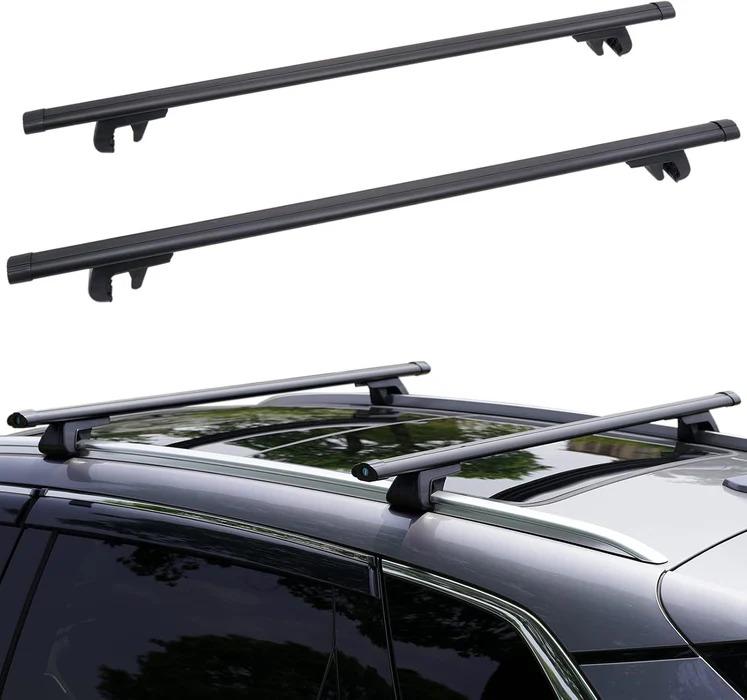
Heavy-Duty Crossbars Simple, affordable, and widely compatible. Good for lighter tents but offer limited mounting points and less even weight distribution. Best for occasional use on vehicles with raised rails.
Full Platform Racks The most popular choice for serious RTT users. Provide a solid, level mounting surface with multiple attachment points. Excellent for distributing tent weight and adding awnings, solar panels, or recovery boards. Slightly higher wind resistance but far more capable.
Low-Profile Rails & Tracks Minimalist systems designed for modern vehicles with flush rails. Lower wind noise and better aesthetics, but may have lower overall load capacity.
Truck Bed Racks For pickup trucks, dedicated over-bed or cab-mounted racks often provide better balance and easier ladder access than traditional roof racks.
Here’s a quick comparison:
| Rack Type | Weight Distribution | Accessory Mounting | Wind Noise | Best For | Relative Cost |
|---|---|---|---|---|---|
| Heavy-Duty Crossbars | Fair | Limited | Low | Light tents, occasional use | Low |
| Full Platform Racks | Excellent | Excellent | Medium | Most RTT setups | Medium-High |
| Low-Profile Rails | Good | Good | Very Low | Modern vehicles, daily use | Medium |
| Truck Bed Racks | Excellent | Very Good | Medium | Pickups & overlanding | Medium-High |
How to Match a Roof Rack to Your Vehicle
Vehicle design heavily influences the best rack choice:
- Raised Rails (common on older SUVs and some trucks): Easiest compatibility. Most aftermarket racks clamp directly onto the rails.
- Flush Rails (many modern crossovers and SUVs): Require specific low-profile tracks or adapters.
- No Rails / Naked Roof (some trucks, vans, and newer models): Need bolt-on or permanent mounting solutions.
- Trucks: Consider whether to mount on the cab roof or use a dedicated bed rack. Bed racks often provide better weight distribution and preserve bed usability.
Special cases include vehicles with panoramic glass roofs or electric vehicles, where manufacturers often impose stricter load limits. Always consult your owner’s manual first, then cross-reference with the rack manufacturer’s vehicle-specific fitment guide.
Top Considerations When Buying a Roof Rack for Your RTT
- Load Capacity with Margin — Prioritize dynamic rating and add safety buffer.
- Mounting Point Spacing — Must align with your tent’s mounting feet for even load distribution.
- Material & Durability — Aircraft-grade aluminum resists corrosion better than steel in most environments.
- Wind Deflection — Aerodynamic profiles reduce noise and fuel penalty on long highway drives.
- Corrosion Resistance — Critical for coastal areas or winter road salt exposure.
- Ease of Installation & Removal — Some owners prefer modular systems they can take off when not using the tent.
Installation Tips and Long-Term Maintenance
Proper installation is non-negotiable. Use thread-locking compound on all bolts and torque to manufacturer specifications. On off-road vehicles, re-check torque every 1,000 miles or after major corrugation sections.
Add anti-vibration pads or rubber isolators where possible. For long-term use, inspect welds, bolts, and mounting points every season. In salty or coastal environments, rinse the rack regularly to prevent corrosion.
For detailed installation steps, see our guide on install roof top tent.
FAQ
Can I use my factory roof rails and crossbars for a heavy rooftop tent?
Rarely. Most factory systems have low dynamic ratings and are not designed for the constant vibration and weight of a rooftop tent. Upgrading to aftermarket is strongly recommended for safety.
How does adding a roof rack and tent affect my vehicle’s warranty or insurance?
Most manufacturers state that properly installed aftermarket racks do not void warranties if they don’t damage the vehicle. However, always confirm with your dealer. Insurance may classify the rack and tent as aftermarket accessories.
What’s the difference in wind noise and fuel economy between crossbars and platform racks?
Platform racks usually create more wind noise and slight fuel penalty due to larger surface area, but the difference is often minor compared to the tent itself. Low-profile aerodynamic platforms perform best.
Do I need a wind deflector when mounting a rooftop tent?
A wind deflector can significantly reduce buffeting and noise when the tent is mounted directly behind the cab or on certain vehicles. It’s especially useful on trucks and taller SUVs.
How often should I check the bolts and torque on my roof rack with a tent installed?
Check torque after the first 100 miles, then every 1,000 miles or after aggressive off-road driving. Many experienced users inspect before and after major trips.
Can I mount a rooftop tent on a truck with a tonneau cover or bed liner?
Yes, but you’ll likely need a specialized over-bed rack system. Some tonneau covers must be removed or modified for proper rack installation.
Are there specific roof racks recommended for electric vehicles or panoramic glass roofs?
Yes. Many EVs and glass-roof vehicles have stricter load limits. Look for lightweight, low-profile systems specifically rated for your model and always verify manufacturer guidelines.
Conclusion
Selecting the right roof rack for your rooftop tent is a safety and performance decision, not just an accessory purchase. By understanding dynamic load ratings, matching the rack to your specific vehicle, and choosing a system built for real-world vibration and use, you’ll enjoy safer, quieter, and more reliable adventures for years to come.
Take the time to measure, calculate your actual loads with a safety margin, and invest in quality components. A well-chosen roof rack and rooftop tent combination can transform how comfortably and confidently you travel.
Safe travels, and may your rack stay solid and your campsites peaceful.
About Everlead Outdoor – Your Rooftop Tent Partner
At Everlead Outdoor, we specialize in manufacturing high-quality vehicle rooftop tents for overlanders, truck campers, and outdoor enthusiasts worldwide. As a dedicated factory-direct producer based in Dongguan, China, we focus on building durable, well-engineered rooftop tents that perform reliably under real trail conditions.
What sets us apart is our flexibility for customers: we accept a minimum order quantity of just one unit, making it easy for individual buyers, small shops, or first-time overlanders to get started without large commitments. We also maintain ready in-stock inventory in the U.S., allowing for faster shipping and lower lead times for North American customers.
Whether you’re pairing your new tent with the perfect roof rack or building a complete overland setup, Everlead Outdoor delivers reliable rooftop tents backed by strict quality control. Explore our full range and helpful resources, including our roof top tent guide and best roof top tent recommendations.