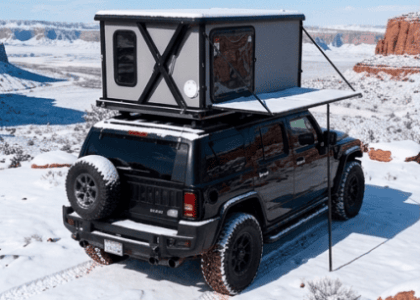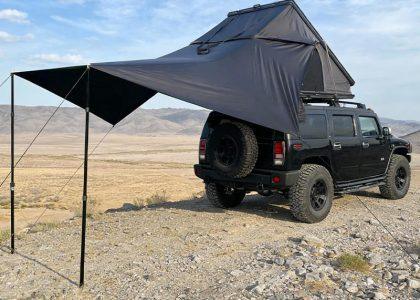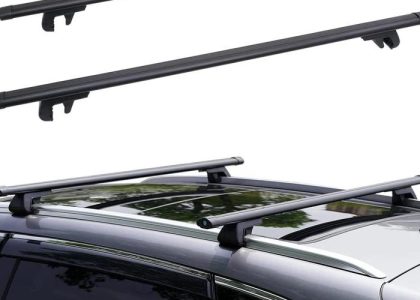
Rooftop tents look incredible in Instagram photos — elevated sleeping with epic views, setup in under a minute, and no more wrestling stakes in the mud. But the price tag often starts at $1,500 and climbs past $4,000, plus you have to factor in roof racks, mounting hardware, added vehicle weight, and potential fuel penalties. Many buyers end up wondering if they overspent on hype or genuinely upgraded their camping game.
The confusion is real. Weekend car campers see the convenience and wonder if it’s worth the investment. Serious overlanders debate whether the daily ease justifies the long-term costs and vehicle modifications. Ground-tent loyalists argue you can achieve similar comfort for a fraction of the price. This guide cuts through the noise with a balanced, experience-based analysis — including quantified costs, real-user data from overlanding communities, and clear decision frameworks — so you can confidently decide if a rooftop tent makes sense for your style of camping or overlanding in 2026.

Quick Answer
Yes, rooftop tents are worth it for frequent overlanders, dispersed campers, and anyone who moves camp often and values speed, comfort, and protection from ground hazards. They are usually not worth it for occasional car campers, budget travelers, or those who mostly stay at developed campgrounds with flat sites and minimal setup hassle.
Key Takeaways
- Rooftop tents shine when you relocate camp daily — setup drops from 10–15 minutes to under 60 seconds in many models.
- Fuel economy typically drops 10–17% at highway speeds; the penalty adds up on long trips but is minimal for low-speed off-road use.
- Total cost of ownership often breaks even after 15–30 nights compared to premium ground-tent setups when you value time and comfort.
- They excel in bad weather, buggy areas, or uneven terrain but can feel limiting for families or those who want maximum interior space.
- Hard-shell or hybrid designs generally deliver better long-term value than soft-shells for frequent users.
- The “worth it” decision depends far more on your travel style and annual camping nights than on the tent itself.
The Real Pros of Rooftop Tents
The biggest advantage is speed and convenience. After a long day on rough roads in Baja or the Rockies, you pull into a dispersed site, climb the ladder, and you’re set up in 30–90 seconds. No hunting for flat ground, no stakes in rocks or mud, and no worrying about flooding if it rains overnight.
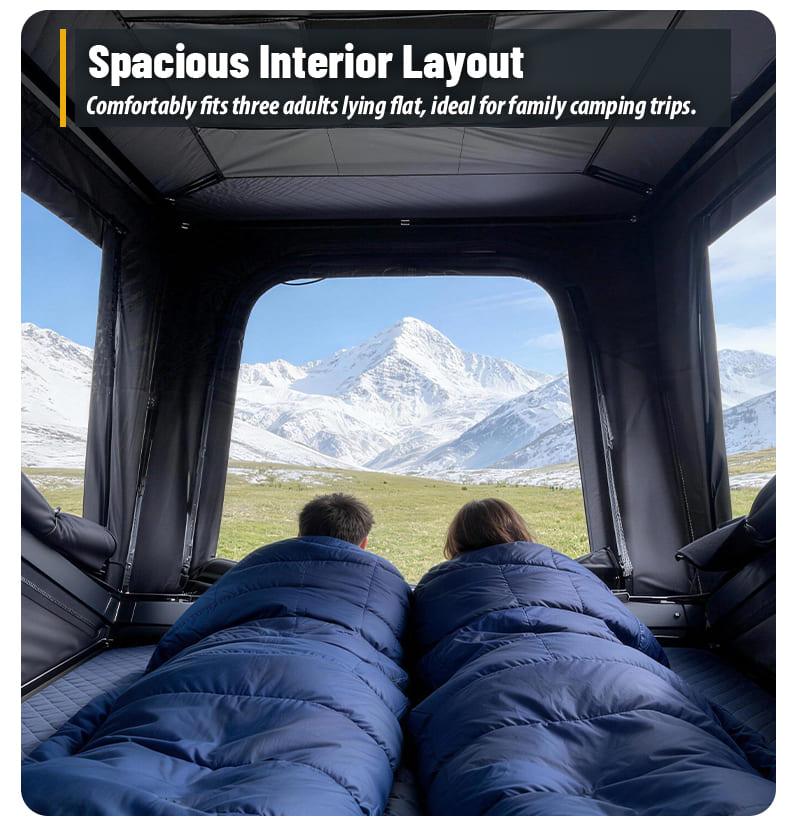
Elevation brings real benefits. You sleep well above rocks, water, snakes, scorpions, and most ground moisture. In buggy seasons or after heavy rain, that difference is huge — many users report drier sleeping bags and fewer bites. The built-in mattress is usually more comfortable than a backpacking pad on the ground, and panoramic windows or stargazer panels make for memorable nights.
For overlanders who move frequently, the ability to break camp quickly in the dark or bad weather saves hours over a trip. Gear stays locked on the roof, out of reach of animals, and you gain a sense of security that ground tents can’t match.
For a deeper understanding of rooftop tent fundamentals, check our comprehensive roof top tent guide.
The Honest Cons & Hidden Costs
The upfront investment is the most obvious drawback. A quality hardshell or hybrid starts around $2,000–$4,000, and you’ll likely need a compatible roof rack plus mounting hardware. That total can exceed $5,000 before you add accessories.
Fuel economy takes a hit. Real-world tests show a 10–17% drop at highway speeds due to aerodynamic drag. On a 5,000-mile overland trip, that can mean $300–$800 extra in fuel. Weight on the roof also raises your center of gravity, which affects handling on technical trails or in crosswinds.
Other practical downsides include ladder access at night, a “trapped” feeling if you need to get up frequently, and added maintenance — checking straps, cleaning fabric, and monitoring for leaks or UV damage.
Total Cost of Ownership Breakdown
Looking beyond sticker price reveals the true economics. Here’s a simplified 3-year comparison assuming 20–40 camping nights per year:
| Category | Rooftop Tent Setup | Premium Ground Tent Setup | Notes |
|---|---|---|---|
| Initial Cost | $3,000–$5,500 | $400–$1,200 | RTT includes mattress |
| Fuel Penalty (3 years) | $600–$2,400 | $0 | Depends on miles & speed |
| Campsite Savings | $400–$1,200 | $400–$1,200 | Faster setup = more dispersed sites |
| Maintenance & Repairs | $150–$400 | $100–$300 | Fabric & hardware checks |
| Resale Value (after 3 yrs) | 60–75% retained | 40–60% retained | Quality RTTs hold value better |
| Total 3-Year Cost | $2,150–$5,100 | $100–$1,300 | RTT wins if you value time |
Who Rooftop Tents Are Actually Worth It For
Rooftop tents are highly worth it for serious overlanders who relocate camp daily, dispersed campers in rough or buggy terrain, and couples or solo travelers who prioritize quick setup and elevated comfort.
They are usually not worth it for weekend warriors who camp only 5–10 nights a year at developed sites, families needing lots of interior space, or budget-conscious beginners.
The sweet spot is 15–40+ nights per year with frequent camp moves.
Rooftop Tent vs Alternatives
Vs Ground Tents — Ground tents win on price and space. Rooftop tents win on setup speed, weather protection, and convenience when moving often.
Vs Truck Bed Platforms — Bed platforms offer more storage but limit bed access. Rooftop tents work on almost any vehicle with a roof rack.
Vs Vans or Small RVs — Vans provide standing room but cost far more and limit where you can go. Rooftop tents keep your vehicle lighter and more trail-capable.
For a detailed head-to-head, see our guide: Rooftop Tent vs Ground Tent.
Real-World Overlanding & Camping Experiences
After years of feedback from overlanding communities, owners who use their RTT 30+ nights a year rarely regret the purchase. Those who use it fewer than 10 nights often wish they had spent less.
Common regrets include buying too heavy a tent for their vehicle or underestimating fuel costs on long highway legs. Success stories usually involve hard-shell or hybrid models paired with a quality rack and practical upgrades like anti-condensation mats.
How to Decide If a Rooftop Tent Is Worth It for You
Ask yourself these questions:
- How many nights per year will I actually sleep in it?
- How often do I move camp versus basecamp?
- What vehicle do I drive and what is its roof load rating?
- Am I willing to accept the fuel and handling trade-offs?
If the answers lean toward frequent use and mobility, a rooftop tent can dramatically improve your experience. If not, a good ground tent will serve you better.
FAQ
How much does a rooftop tent really affect insurance rates or vehicle warranty?
Most insurers treat RTTs like roof racks — rates may rise slightly ($50–150/year). Warranties are rarely voided if installed within roof-load limits, but always confirm with your dealer.
Can you safely drive off-road with a rooftop tent installed long-term?
Yes — many overlanders run them for thousands of miles. Use a dynamic-rated rack, secure straps, and drive conservatively on rough terrain.
What’s the resale value of a used rooftop tent after 2–3 years?
Quality brands often retain 60–75% of value if well-maintained. Clean condition and low mileage help the most.
Are rooftop tents safe and practical with kids or dogs?
They can be, but ladder access requires extra caution. Some owners add ramps or use ground tents for pets.
How do rooftop tents perform in extreme weather like high winds or heavy snow?
Well-designed hard-shell models handle high winds and snow load better than most ground tents when properly secured.
Do rooftop tents work well on smaller vehicles like a Subaru Outback or Jeep Wrangler?
Yes, with lightweight low-profile models. Always verify your vehicle’s dynamic roof-load rating first.
What maintenance is required to keep a rooftop tent in good condition over 5+ years?
Clean fabric annually, apply UV protectant, check mounting hardware every 1,000 miles, and store dry when not in use.
Conclusion
Rooftop tents are not a magic solution for everyone, but for the right person — someone who camps frequently, moves sites often, and values speed and elevated comfort — they can transform how enjoyable camping feels. The key is honest self-assessment of your needs, budget, and travel style.
If your answers align with frequent, mobile camping, a quality RTT is likely worth the investment. If you camp occasionally or prioritize low cost and flexibility, a good ground tent remains the smarter choice.
Whatever you decide, the best gear is the gear you actually use and enjoy. Safe travels, and may your campsites always come with a great view — whether from the roof or the ground.
About Everlead Outdoor – Your Rooftop Tent Supplier
At Everlead Outdoor, we specialize in manufacturing high-quality vehicle rooftop tents for overlanders, campers, and outdoor brands worldwide. As a factory-direct producer based in Dongguan, China, we focus exclusively on designing and building reliable hard-shell, hybrid, and soft-shell rooftop tents that deliver real-world performance on the trail.
What sets us apart is our flexibility and service: we offer a minimum order quantity of just one unit, making it easy for individuals, small shops, or first-time buyers to get started without large commitments. We also maintain ready inventory in the U.S., so you can receive your tent faster with lower shipping times and costs.
Whether you’re looking for your next personal rooftop tent or sourcing reliable stock for resale, Everlead Outdoor provides durable, well-engineered tents backed by strict quality control and practical features that matter most to serious users. Explore our latest models and resources, including our roof top tent guide and best roof top tent recommendations.