I. Introduction: Why the Right Awning Matters
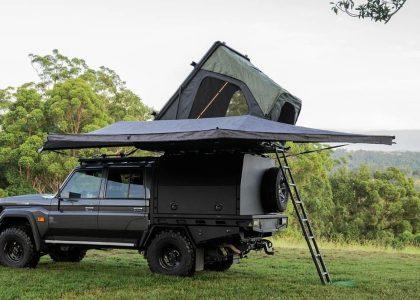
For any overlander, camper, or road-trip enthusiast, a reliable vehicle awning is more than just a piece of fabric; it’s an essential extension of your living space. It transforms a simple parking spot into a comfortable, protected base camp, offering critical shelter from scorching sun, sudden rain, and even light snow.
However, navigating the wide range of available models—from simple straight pull-outs to complex 270° wings—can be confusing. Choosing the wrong one can lead to frustrating setups, poor durability, and inadequate coverage.
This guide simplifies the decision-making process by focusing on the four key areas you must evaluate before making a purchase: Type, Size, Materials, and Installation.
II. Step 1: Determining the Optimal Coverage Type
The first and most critical choice is deciding how much coverage you need. The awning type determines the total protected area and the parts of your vehicle it shields.
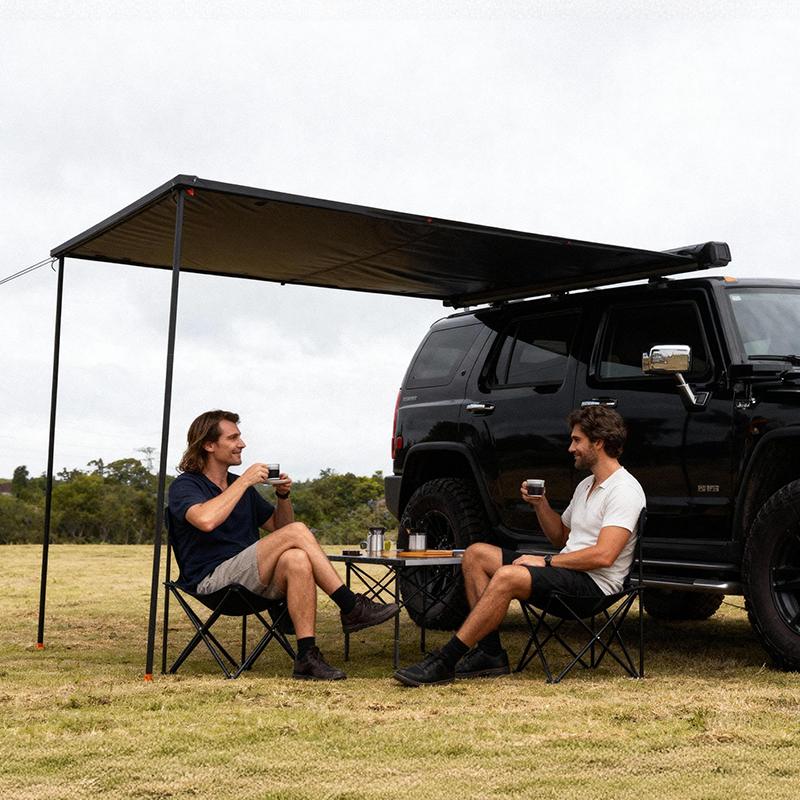
A. Straight/Linear Pull-out Awnings (90°)
These are the most common and simplest type. They extend horizontally, creating a rectangular roof parallel to the vehicle side.
- Ideal for: Quick roadside stops, midday breaks, or minimal sun protection.
- Pros: Fastest setup, lightest weight, lowest cost.
- Cons: Limited coverage; offers no protection to the front or rear of the vehicle.
B. 180° Awnings
These models extend along the side and then curve to cover a portion of the vehicle’s rear or front.
- Ideal for: SUVs, vans, or trucks where the rear hatch is used as a kitchen or gear storage area. They provide more protection when accessing the back of the vehicle.
- Pros: Better overall coverage than a straight awning, particularly useful around the tailgate.
- Cons: Can be more complex to set up than a linear model.
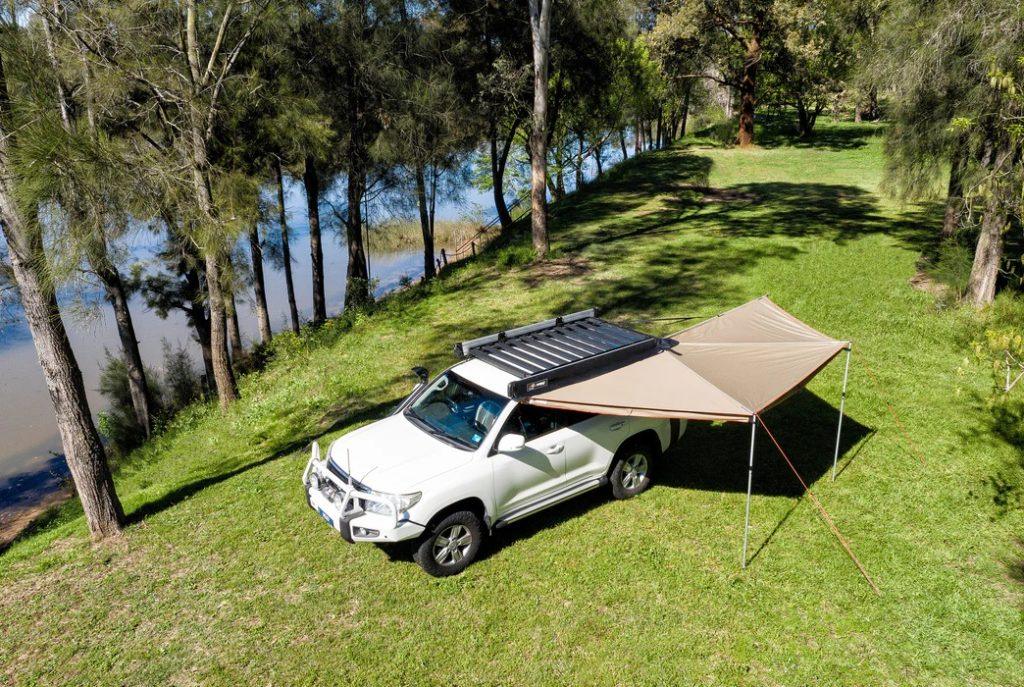
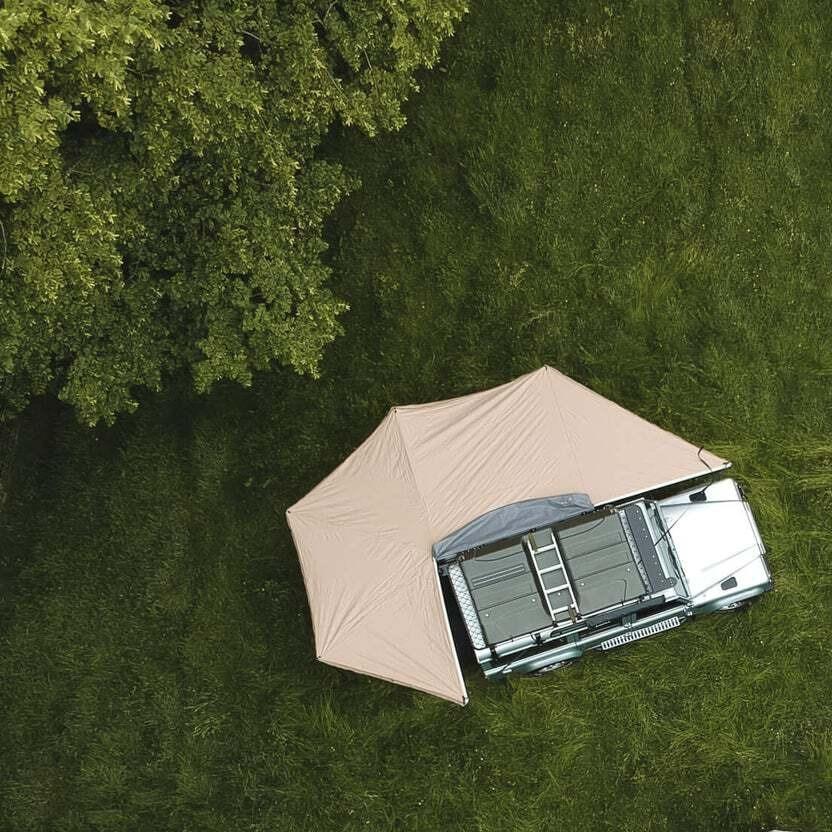
C. 270° Awnings (Batwing Style)
The ultimate solution for comprehensive coverage, these systems wrap around two sides of the vehicle, often forming an L-shape or C-shape.
- Ideal for: Extended base camps, large groups, or areas that require protection from sun exposure throughout the day.
- Crucial Consideration: Due to their size and cantilevered design, 270° awnings demand a robust, heavy-duty, freestanding frame construction to ensure stability without relying heavily on support poles (though poles should always be used in wind).
III. Step 2: Size, Scalability, and Mounting Compatibility
An awning must fit both your vehicle and your camping lifestyle.
A. Selecting the Right Length
The awning’s length is primarily determined by your vehicle’s roof rack system.
- Vehicle Fit: The awning should generally not cantilever significantly beyond the ends of your existing roof rack. Exceeding the support points puts stress on the frame and mounting brackets. Standard lengths typically range from 2.0m to 2.5m.
- Usage Fit: Consider your primary use. If you need space for a large table and a cooking station, opt for the longest compatible size.
B. Static and Dynamic Load
Ensure your roof rack system is up to the task.
- Dynamic Load: The maximum weight the rack can safely carry while driving.
- Static Load: The maximum weight the rack can support when the vehicle is stationary. Always confirm that the awning’s weight, plus any added wind load or enclosures, remains within the rack manufacturer’s static load limit.
C. Modularity and Expandability
A smart purchase is one that is future-proof.
- Look for models that allow for the simple attachment of optional accessories such as side walls, mosquito mesh rooms, or full-enclosures. This modularity allows you to adapt the awning from a simple sunshade to a weather-proof living space.
IV. Step 3: Material and Quality – The Longevity Factors
This is where the difference between a durable product and one that will fail in the first severe storm becomes apparent. Focus on the technical specifications of the materials.
A. The Awning Fabric
The fabric must withstand constant UV exposure, high winds, and heavy rain.
- Ripstop Materials: Choose high-density fabrics, often polyester or polycotton, utilizing a Ripstop weave. This pattern minimizes the spread of small tears or punctures.
- Waterproof Rating (Hydrostatic Head): Check the Hydrostatic Head (HH) rating, measured in millimeters. An HH of 2000mm or higher is essential for reliable storm protection. This rating confirms the pressure required for water to penetrate the fabric.
- UV Protection (UPF): A high UPF rating (50+ is ideal) is crucial. It protects you from the sun’s rays and, equally important, prevents the fabric itself from degrading, fading, and becoming brittle over time.
B. Frame and Pole Construction
The frame provides the structure and must resist bending and corrosion.
- Weight vs. Strength: Prioritize strength-to-weight ratio. Look for aerospace-grade aluminum alloys (such as T5 or T6). These materials offer exceptional rigidity, minimal weight, and superior corrosion resistance compared to standard steel or cheaper aluminum.
- Fittings and Hinges: Inspect all moving parts. Robust, non-corroding materials like stainless steel or high-grade, UV-stabilized plastic should be used for hinges, sliders, and locking mechanisms.
C. Workmanship
The quality of assembly dictates the awning’s lifespan.
- Seams: The awning must feature double stitching and all critical seams must be professionally seam-sealed or taped to prevent water infiltration during rain. A failure in the seam is the most common point of awning leakage.
V. Conclusion: Your Pre-Purchase Checklist
Choosing the perfect vehicle awning requires balancing convenience with durability. By carefully evaluating the intended coverage type, verifying material specifications (especially T6 aluminum and UPF 50+ fabrics), and confirming compatibility with your vehicle’s mounting system, you ensure a sound investment.
A high-quality awning is a reliable piece of gear that will provide comfortable, guaranteed shelter for years of adventure, allowing you to focus on the journey, not the weather.
Why Choose a Manufacturer that Understands Quality?
We are Everlead Outdoor, an ISO 9001-certified OEM/ODM manufacturer of premium vehicle awnings. Our commitment to quality is evident in our use of aerospace-grade T6 aluminum for superior frame integrity and high-performance, UPF 50+ fabrics. As your dedicated manufacturing partner, we ensure absolute consistency through a 100% full-unit in-house QC inspection on every single awning, guaranteeing the durability your brand demands.