Sleeping in a rooftop tent sounds like a dream — elevated views, no ground critters, and setup in under a minute. But many owners discover the reality on night one: a rock-hard factory mattress, condensation dripping from the roof, freezing shoulders while your feet sweat, or that constant “am I going to roll off” feeling.
The good news? These issues are fixable. Most discomfort comes from using the tent exactly as it comes out of the box instead of treating it like a real sleep system. This guide shares proven, field-tested strategies from thousands of nights on the road — from Baja washboards to Rocky Mountain winters — so you can wake up rested instead of exhausted.
Quick Answer
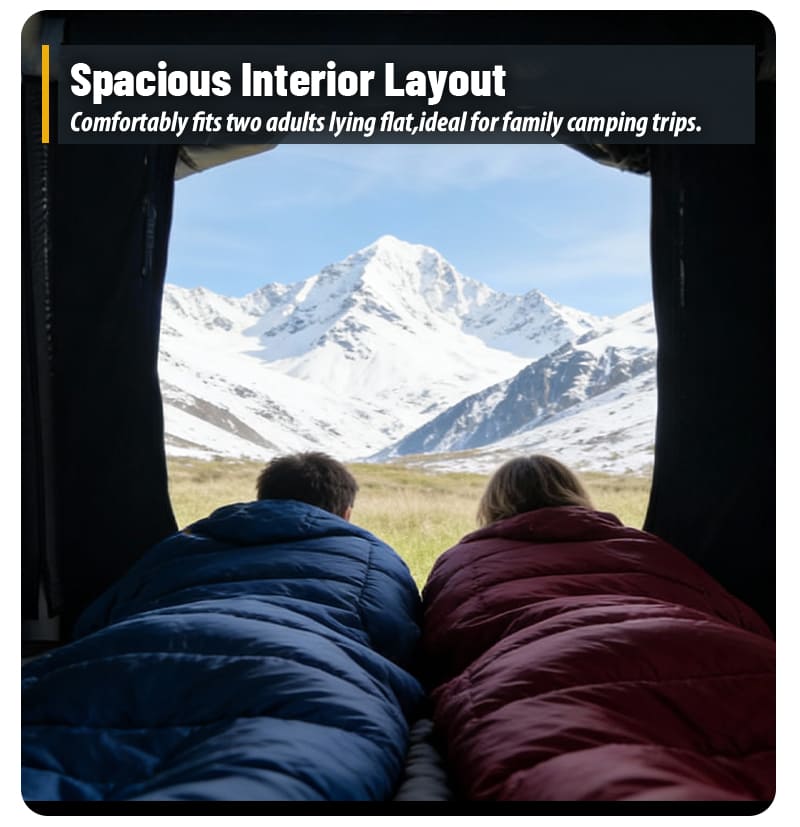
Sleep comfortably in a rooftop tent by adding a 3–4 inch high-density memory foam or hybrid topper (R-value 4+ in cold weather), installing a vapor barrier under it, maximizing ventilation every night, and layering a quality sleeping bag with a liner. Most owners report dramatically better sleep after these four upgrades — often within the first night.
Key Takeaways
- The factory mattress is the #1 reason people sleep poorly — a quality topper usually solves 70% of complaints.
- Condensation is physics, not a leak — control it with ventilation and a vapor barrier instead of fighting it.
- Temperature swings on the roof are extreme — you need a layered sleep system, not just a thicker sleeping bag.
- Small upgrades (pillow, blackout curtain, earplugs) deliver surprisingly big improvements.
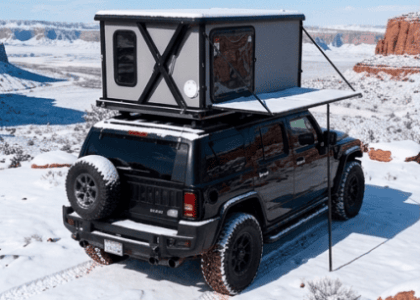
- Hardshell tents are generally quieter and more stable for sleep than softshells.
- A proper routine turns an RTT from “tolerable” into genuinely comfortable for weeks at a time.
Why Sleeping in a Rooftop Tent Feels Different
Rooftop tents sit 4–6 feet off the ground, changing everything about how your body experiences sleep. You feel every gust of wind, the roof radiates heat or cold more intensely, and condensation forms on the ceiling inches from your face.
Height also creates a subtle sense of motion — even on a calm night the tent can sway slightly on its rack. Add a thin factory mattress and many people wake up with sore hips, cold shoulders, or damp sleeping bags. Understanding these physics is the first step to fixing them.
The Foundation – Choosing the Right Mattress & Topper
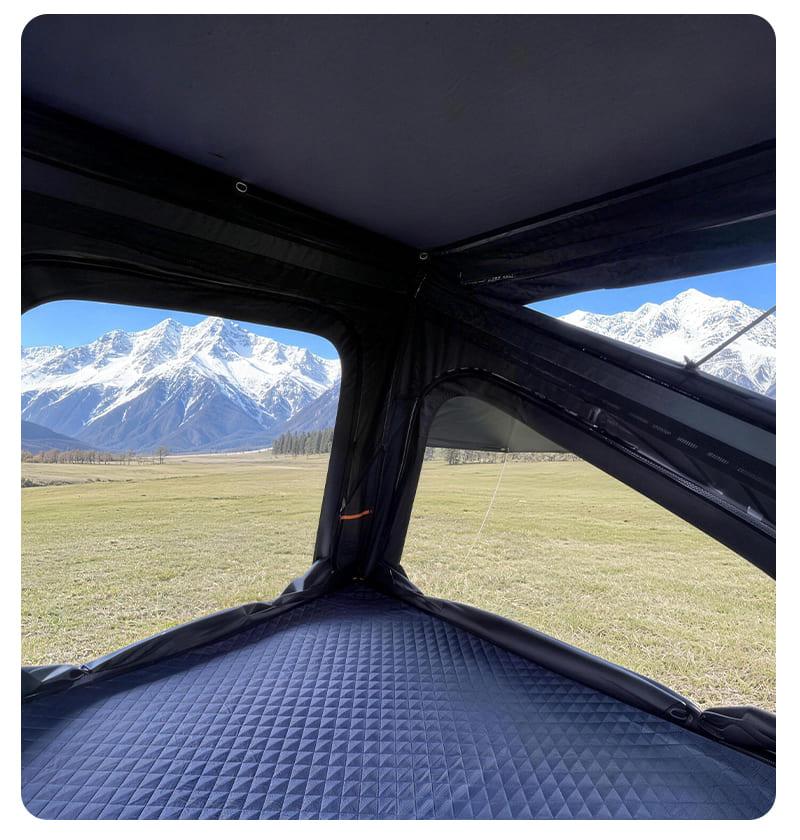
The stock mattress that comes with most rooftop tents is thin (usually 1.5–2 inches) and firm, designed to save weight and pack small — not to help you sleep well.
Best solutions that actually work in 2026:
- 3–4 inch high-density memory foam or hybrid topper (most popular upgrade)
- Closed-cell foam + inflatable pad combo for extreme weight-conscious users
- Self-inflating camp mattress with high R-value for winter
Recommended Topper Comparison
| Option | Thickness | R-Value | Best For | Approx. Cost | Real-User Feedback |
| High-density memory foam | 3–4″ | 4–5 | Most users, all seasons | $80–$150 | “Night-and-day difference” |
| Hybrid foam + coils | 3″ | 4+ | Back/side sleepers | $120–$180 | Excellent pressure relief |
| Closed-cell foam pad | 2.5″ | 5–6 | Winter & minimalists | $60–$100 | Very durable, less plush |
Add a thin waterproof mattress protector — it prevents sweat and spills from ruining the topper.
Mastering Condensation Control
Condensation forms when warm, moist air inside the tent meets the cold roof. It’s not a leak — it’s physics.
Proven system that works reliably:
- Create airflow — Crack roof vents and windows on opposite sides before bed.
- Use a vapor barrier — Place a lightweight reflective blanket or dedicated vapor barrier under the mattress.
- Manage moisture sources — Dry boots and wet clothes outside or in the annex; avoid breathing directly upward into the roof.
- Morning routine — Open everything wide for 15–20 minutes as soon as you wake up.
Hardshell tents stay drier than softshells because the rigid roof holds less surface moisture.
Temperature Regulation for All Seasons
The roof amplifies temperature swings more than a ground tent.
Winter strategy
- Layer a 0°F or 20°F sleeping bag + fleece liner
- Use an R-value 4+ topper or pad
- Add a small 12V blanket or hot water bottle at your feet
Summer strategy
- Choose a lightweight 40–50°F quilt or bag
- Maximize cross-ventilation
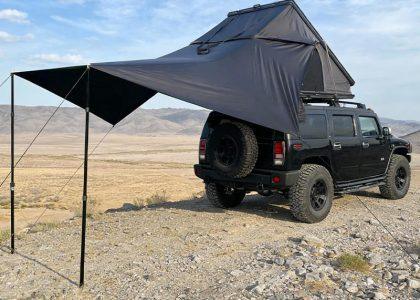
- Park in shade and use a reflective wind deflector or annex for extra airflow
Real-world tip: In desert heat many owners sleep better by opening the tent completely and using only a sheet until the temperature drops.
Small but Powerful Comfort Upgrades
These low-cost additions often improve sleep more than expensive gear:
- Supportive pillow — Inflatable or memory-foam camp pillow (avoid bulky home pillows)
- Blackout curtain or eye mask — RTTs get bright at sunrise
- Earplugs or white noise — Wind and rain sound louder on the roof
- Headlamp with red light — Preserves night vision for midnight bathroom trips
- Small fan (USB or 12V) — Circulates air and masks noise
Many experienced users also add a thin rug or foam mat on the floor for changing clothes comfortably.
Setup Routine for the Best Night’s Sleep
A consistent routine turns good sleep into great sleep:
- Park slightly angled so the tent slopes toward the ladder (helps condensation run off).
- Open vents and windows while setting up dinner.
- Lay out the topper and sleeping bag early so they reach room temperature.
- Do a quick moisture check and wipe any visible condensation before climbing in.
Morning: Open every vent and door immediately — this prevents mildew and makes packing much easier.
Long-Term Sleep Optimization & Common Mistakes
After 10–15 nights most owners notice their sleep system needs only minor tweaks. Track what works in a small notebook or phone note.
Common mistakes to avoid
- Using the tent exactly as delivered without upgrades
- Ignoring condensation until it soaks your bag
- Over-relying on a thick sleeping bag instead of a proper layered system
- Forgetting to re-check mounting straps after rough roads (adds motion that disrupts sleep)
FAQ
Is it safe to sleep in a rooftop tent during a thunderstorm or high winds?
Yes, as long as the tent is properly mounted and you follow manufacturer guidelines. Most quality hardshell tents handle 50–60 mph gusts well. In extreme weather, park in a sheltered spot and secure extra guy lines.
How do you keep a rooftop tent clean and free of dirt when sleeping inside?
Remove shoes before climbing the ladder, use a small rug at the entrance, and shake out the topper regularly. A removable mattress protector makes cleaning much easier.
Can you use a regular home mattress or air mattress in a rooftop tent?
Home mattresses are usually too heavy and thick. Most air mattresses work but lose air overnight in cold weather. A dedicated camp topper is almost always better.
How do pets or kids affect sleeping comfortably in an RTT?
Pets need training to use the ladder and may add extra movement. Kids often love the elevated “fort” feeling but require safety rails or an annex for middle-of-the-night access.
Does sleeping in a rooftop tent help with back pain compared to ground tents?
Many people report less back pain because the elevated, level surface reduces pressure points and ground moisture. A quality topper makes the biggest difference.
What’s the best way to deal with motion sickness or height anxiety the first few nights?
Park on flat ground, use a lower-profile tent if possible, and give yourself 2–3 nights to adjust. A dim red light and familiar pillow help the brain relax faster.
How much does a full sleep system (topper + bag + liner) typically cost?
Expect $150–$350 total for a solid setup that lasts years. It’s one of the highest-ROI upgrades you can make to a rooftop tent.
Conclusion
Sleeping comfortably in a rooftop tent is less about buying the most expensive gear and more about building a smart, layered sleep system that works with the unique environment of being elevated on your vehicle.
Start with a good mattress topper and vapor barrier, then fine-tune ventilation and layering for your climate. Within a few trips you’ll develop a routine that turns your rooftop tent from a novelty into your favorite place to sleep outdoors.
The view from the roof is already incredible — with the right setup, your sleep can match it.
Safe travels and restful nights.
About Everlead Outdoor – Your Rooftop Tent Manufacturer
At Everlead Outdoor, we specialize in manufacturing high-quality vehicle rooftop tents for overlanders, truck campers, and outdoor enthusiasts worldwide. As a dedicated factory-direct producer based in Dongguan, China, we focus on building durable, well-engineered hard-shell, hybrid, and soft-shell tents that perform reliably in real conditions.
What sets us apart is our customer-friendly flexibility: we accept a minimum order quantity of just one unit, making it easy for individuals or small businesses to get exactly what they need. We also maintain ready in-stock inventory in the U.S., so you can receive your tent faster with shorter lead times and lower shipping costs.
Whether you’re upgrading your own rig or sourcing quality tents for resale, Everlead Outdoor delivers reliable products backed by consistent quality control. Explore our resources, including our roof top tent guide and best roof top tent recommendations.