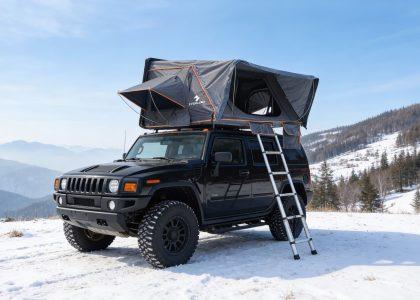
Are you looking to elevate your overlanding experience without the physical strain of a manual setup? An automatic roof top tent is a premium camping solution that uses integrated electric motors or gas struts to deploy your sleeping quarters in seconds, offering a significant upgrade in convenience and comfort for frequent travelers. This article will explore whether these high-tech shelters are worth the investment, how they compare to manual models, and what you should look for before making a purchase.
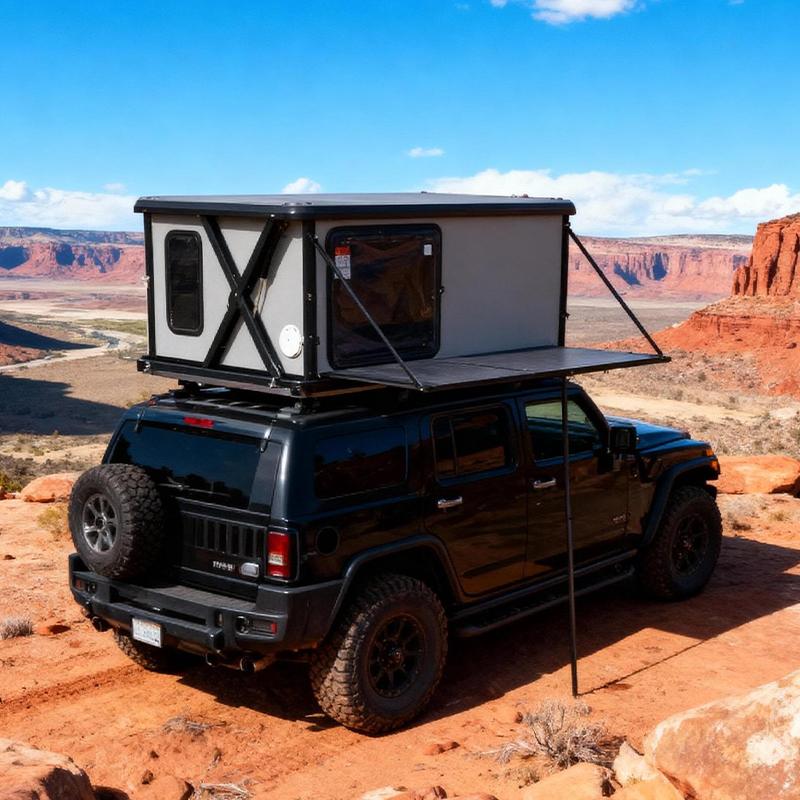
Table of Contents
- What exactly is an automatic roof top tent?
- Are automatic roof top tents worth the extra cost?
- What are the pros and cons of electric versus manual deployment?
- How do you maintain an automatic roof top tent for longevity?
- Who is the ideal candidate for an automatic roof top tent?
What exactly is an automatic roof top tent?
An automatic roof top tent is a vehicle-mounted sleeping system that utilizes an internal motorized mechanism or advanced hydraulic struts to open and close with minimal human effort. Unlike traditional soft-shell tents that require manual unfolding and pole setting, these units typically activate via a remote control or a single push-button, reaching full deployment in under 60 seconds.
These tents are almost exclusively housed in a “hard shell” casing made of fiberglass, ABS plastic, or aluminum. This design not only protects the tent fabric during transit but also provides a sturdy aerodynamic profile. Inside, you will find a pre-installed foam mattress and integrated LED lighting, powered by a 12V connection to your vehicle or a portable power station.
- Key Components:
- Electric Actuators: The “muscles” that lift the shell.
- Remote Control: Allows for operation from inside or outside the vehicle.
- Hard Shell Exterior: Provides weatherproofing and durability.
- 12V Power Lead: Connects the tent to the vehicle’s battery.
Are automatic roof top tents worth the extra cost?
Automatic roof top tents are worth the investment for campers who prioritize setup speed and physical ease, as they eliminate the labor-intensive process of manual pitching. While they carry a higher price tag than manual models, the value is found in the ability to set up camp in inclement weather or late at night without breaking a sweat.
For many, the “worth” comes down to how often they move camp. If your itinerary involves daily travel to new locations, the 30-second setup of an automatic tent saves hours of labor over a week-long trip. Additionally, the hard-shell design often provides better insulation and wind resistance, contributing to a more restful night’s sleep.
| Feature | Manual Soft-Shell | Automatic Hard-Shell |
| Setup Time | 5–15 Minutes | 30–60 Seconds |
| Physical Effort | High (Unfolding/Zipping) | Minimal (Button Press) |
| Durability | Moderate | High (Protective Shell) |
| Price Point | Budget to Mid-Range | Premium/High-End |
What are the pros and cons of electric versus manual deployment?
The primary advantage of electric deployment is unparalleled convenience and accessibility, whereas manual deployment offers better reliability through simplicity and a lower overall weight. Electric models remove the need for climbing around the vehicle to tuck in fabric, while manual tents are generally lighter and immune to electrical failures or battery drains.
While the “cool factor” of a remote-controlled tent is high, users must consider the weight. Electric motors and battery systems add significant mass to the roof, which can impact vehicle handling and fuel economy. However, for those with limited mobility or those who camp in rainy climates, the ability to stay dry while the tent does the work is a decisive benefit.
Pros of Automatic Tents:
- Effortless setup and pack-down.
- Superior protection against wind and rain.
- Sleek, aerodynamic profile when closed.
- Higher resale value due to premium features.
Cons of Automatic Tents:
- Heavier than manual alternatives.
- Reliance on a power source.
- Higher initial purchase price.
How do you maintain an automatic roof top tent for longevity?
To maintain an automatic roof top tent, you must regularly inspect the electrical connections for corrosion, lubricate the moving struts or hinges, and ensure the fabric is completely dry before long-term storage. Routine maintenance prevents motor strain and ensures that the electronic components remain responsive even after exposure to dust, mud, and vibration during off-road travel.
It is a best practice to check the wiring harness every few months to ensure no wires have frayed due to wind resistance. If the tent uses gas-assist struts alongside the motor, these should be wiped clean of debris to prevent seal failure. Always carry a manual override tool, as most high-quality automatic tents include a way to close the unit manually if your vehicle battery dies.
- Clean the Shell: Wash away salt and road grime to prevent exterior degradation.
- Dry the Canvas: Open the tent after trips to let moisture escape and prevent mold.
- Check 12V Ports: Ensure the power plugs are tight and free of debris.
- Lubricate Moving Parts: Use a silicone-based lubricant on hinges and tracks.
Who is the ideal candidate for an automatic roof top tent?
The ideal candidate for an automatic roof top tent is a solo traveler, a couple, or a camper with physical limitations who seeks a “plug-and-play” outdoor experience. It is particularly suited for overlanders who change campsites frequently and those who own larger SUVs or trucks where reaching the roof to manage manual straps would be difficult.
If you enjoy the technical side of camping gear and don’t mind the extra weight on your roof rack, the automatic tent offers a futuristic, streamlined workflow. It transforms the vehicle into a mobile hotel room, making it perfect for weekend warriors who want to maximize their relaxation time and minimize their “work” time at the campsite.
Conclusion
Automatic roof top tents represent the pinnacle of camping convenience. By automating the most tedious part of the outdoor experience—the setup—they allow travelers to focus on the journey rather than the chore of pitching camp. While they require a larger upfront investment and attention to electrical health, the benefits of speed, protection, and ease of use are unmatched in the overlanding world.
About Everlead Outdoor
As a leading manufacturer in the camping industry, Everlead Outdoor is dedicated to redefining the overlanding experience through innovation and superior craftsmanship. We specialize in high-quality automatic roof top tents that combine rugged durability with effortless technology, ensuring your basecamp is ready in seconds. With our robust R&D capabilities and a focus on premium materials, Everlead Outdoor provides adventurers worldwide with reliable, comfortable, and sophisticated gear that stands up to the toughest environments.