Is a clamshell roof top tent the ultimate upgrade for your overlanding setup, or is it an unnecessary luxury? A clamshell roof top tent is widely considered the superior choice for serious travelers because it offers the fastest setup time on the market, exceptional weather resistance, and a slim aerodynamic profile that minimizes fuel drag. This article will delve into the mechanics, value proposition, and practical considerations of owning a clamshell model to help you decide if it fits your adventure lifestyle.
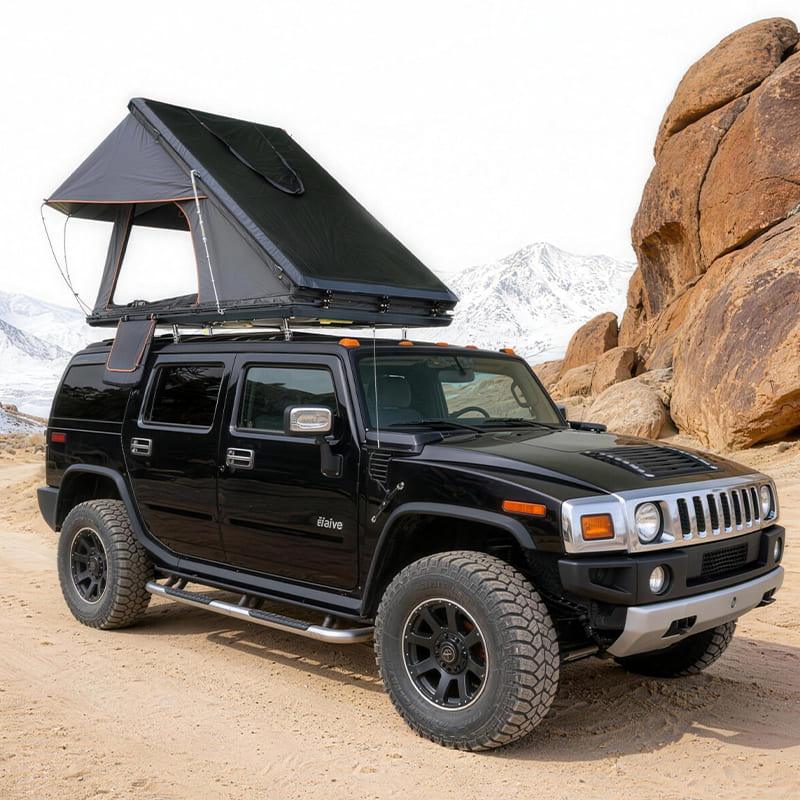
Table of Contents
- What is a clamshell roof top tent?
- Are clamshell roof top tents worth the investment?
- How does a clamshell tent compare to a soft-shell tent?
- What are the primary advantages and disadvantages?
- How do you set up and install a clamshell roof top tent?
- What factors are critical when choosing a clamshell model?
What is a clamshell roof top tent?
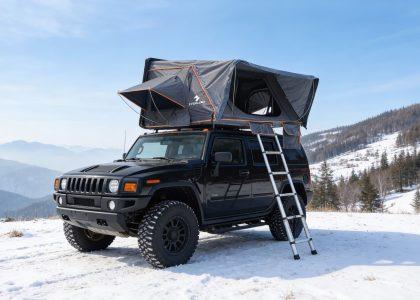
A clamshell roof top tent is a hard-shell camper that opens from one side using a hinge mechanism, creating a wedge shape that mimics the opening of a clam. Unlike pop-up tents that lift vertically at all four corners, the clamshell design utilizes gas-assisted struts to pivot the upper shell upwards instantly, allowing for a setup time that is typically under one minute.
This design is characterized by a rigid top and bottom shell, usually constructed from fiberglass, ABS plastic, or aluminum. When closed, these shells lock together to form a protective, weather-tight box that safeguards the tent fabric, mattress, and bedding during transit.
- Key Design Features:
- Wedge Shape: Provides excellent wind deflection when positioned correctly.
- Gas Struts: Facilitate automatic or semi-automatic opening.
- Hard Shell: Offers superior protection against branches and debris.
Are clamshell roof top tents worth the investment?
Yes, clamshell roof top tents are worth the investment for overlanders who move campsites frequently and prioritize rapid deployment over living space. While they are significantly more expensive than soft-shell models, the ability to set up camp in under 30 seconds and the extended lifespan of the hard-shell materials provide long-term value that offsets the initial cost.
The value proposition shifts depending on your travel style. If you stay in one spot for a week, the setup speed is less critical. However, for those on expeditions where you camp in a different location every night, the cumulative time saved is substantial. Furthermore, the robust nature of the shell means these tents hold their resale value better than fabric-heavy alternatives.
- Investment Analysis:
- High Upfront Cost: Premium materials and mechanisms increase the price.
- Longevity: Hard shells degrade slower than exposed fabric covers.
- Fuel Economy: Lower profile reduces wind drag, saving gas money over time.
How does a clamshell tent compare to a soft-shell tent?
The main difference is that clamshell tents prioritize speed, aerodynamics, and durability, whereas soft-shell tents offer a larger sleeping footprint and a lower price point. Clamshells are confined to the dimensions of the vehicle’s roof, making them more compact, while soft-shells fold out to double their size, providing more room for families but requiring a tedious manual setup.
The choice between the two often comes down to the trade-off between convenience and space. Clamshells are “park and sleep” solutions, while soft-shells are “park, unfold, and build” solutions.
| Feature | Clamshell (Hard Shell) | Traditional Soft-Shell |
| Setup Time | 30–60 Seconds | 5–15 Minutes |
| Wind Noise | Low (Aerodynamic) | High (Boxy/Flapping cover) |
| Durability | High (Rigid casing) | Moderate (PVC cover) |
| Sleeping Area | Limited to roof footprint | Expands beyond roof width |
| Bedding Storage | Can often store pillows/duvet inside | Must usually remove bedding to close |
What are the primary advantages and disadvantages?
The primary advantages of clamshell tents are their incredibly fast setup, slim profile, and ability to store bedding inside, while the disadvantages include a higher price tag, heavier weight, and a fixed sleeping footprint that cannot accommodate large families. They are the ideal solution for solo travelers or couples but may feel restrictive for those accustomed to spacious ground tents.
Understanding these trade-offs is essential for a satisfactory purchase. The weight factor is particularly important, as a heavy clamshell can raise a vehicle’s center of gravity.
Advantages:
- Rapid Deployment: Often just two latches and a push.
- Weather Protection: The hard top acts as a solid roof against rain and hail.
- Stealth: Less conspicuous and quieter in windy conditions.
- Storage: Many models allow you to mount solar panels or racks on top of the shell.
Disadvantages:
- Cost: often 2-3 times the price of a soft-shell.
- Fixed Length: Tall campers must ensure the wedge offers enough foot room.
- Weight: Can weigh between 120 lbs to 180 lbs (55-80 kg).
How do you set up and install a clamshell roof top tent?
Setting up a clamshell tent involves simply undoing the locking latches and allowing the internal gas struts to push the upper shell open, a process that takes mere seconds. Installation requires mounting the tent rails to the vehicle’s roof rack or crossbars using heavy-duty brackets, ensuring the weight is evenly distributed and the tent is centered for vehicle stability.
While the daily setup is effortless, the initial installation is a two-person job due to the bulk of the unit. Once mounted, however, the tent remains on the vehicle, ready for instant use.
- Unlock: Release the safety latches or buckles on the shell.
- Push: Give the handle a gentle push; the gas struts will take over and lift the roof.
- Secure: Engage any safety locks on the struts (if applicable) to prevent accidental closing.
- Enter: Attach the telescoping ladder and climb in.
- Closing: Pull down the strap, tuck in the fabric sides, and re-latch.
What factors are critical when choosing a clamshell model?
When choosing a clamshell model, you must prioritize the shell material (aluminum vs. fiberglass), the quality of the gas struts, the thickness of the mattress, and the presence of accessory channels for mounting gear. It is also crucial to measure your vehicle’s roof load capacity to ensure it can support the dynamic weight of the tent and occupants without compromising safety.
The shell material is a major differentiator. Fiberglass is sleek and common, but aluminum is more rugged and allows for mounting heavy gear (like kayaks or bikes) directly on top of the tent.
- Shell Material: Aluminum offers higher utility; fiberglass offers better aesthetics.
- Tent Fabric: Look for high-GSM poly-cotton ripstop for waterproofing and breathability.
- Profile Height: thinner tents (under 7 inches) are better for fuel economy and parking garages.
- Insulation: Ensure the roof and floor are insulated to prevent condensation.
Conclusion
Clamshell roof top tents represent the pinnacle of efficiency for the modern explorer. By sacrificing a small amount of living space, you gain the ability to camp anywhere, anytime, with zero hassle. While the initial financial outlay is significant, the durability, ease of use, and fuel-saving aerodynamics make them a smart long-term investment for dedicated overlanders.
About Everlead Outdoor
At Everlead Outdoor, we understand that the best campsite is the one you can reach easily. As a premier manufacturer of camping gear, we specialize in engineering high-performance clamshell and hard-shell roof top tents tailored for the global market. Our state-of-the-art manufacturing facilities utilize advanced materials like aircraft-grade aluminum and reinforced ABS to create tents that are not only lightweight and aerodynamic but also built to withstand the harshest elements. Whether you are a brand looking for a reliable OEM partner or a retailer seeking top-tier outdoor equipment, Everlead Outdoor delivers quality that empowers adventure.