Quick Answer: Proper RTT maintenance requires cleaning with mild soap after every 3-5 trips, reapplying waterproof coating annually or after 30-40 nights of use, and storing completely dry in temperatures between 40-80°F with 30-50% humidity. Neglecting these steps causes mold growth within 2-3 weeks in damp conditions and reduces tent lifespan from 8-12 years to just 3-5 years.
Why RTT Maintenance Matters More Than Ground Tent Care
Roof top tents face harsher environmental conditions than traditional ground tents, making maintenance critical for longevity and performance. Elevated exposure to UV radiation degrades fabric coatings 40-60% faster than ground-level camping gear, while constant vehicle vibration during transport stresses seams and waterproof barriers. The average RTT represents a $1,500-3,500 investment, yet 35-40% of owners experience premature failure from inadequate maintenance rather than normal wear.
Mold and mildew pose the primary threat to stored RTTs, developing within 48-72 hours when fabric moisture content exceeds 20% in warm conditions above 70°F. Once established, mold colonies penetrate fabric weave and compromise waterproof coatings, creating permanent damage that reduces resale value by 50-70%. Professional mold remediation costs $200-400 when caught early, or requires complete fabric replacement at $800-1,200 for severe infestations affecting multiple panels.
Manufacturers like Everlead Outdoor engineer RTTs with premium materials including PU-silicone coated fabrics rated for 1,500-2,000mm waterproofing and marine-grade zippers designed for 5,000+ cycles. These quality components achieve their full 8-12 year service life only with proper maintenance protocols. Outdoor gear retailers report that customers following structured maintenance schedules experience 60-75% fewer warranty claims and enjoy significantly better camping experiences over the tent’s lifetime.
Cleaning Your RTT: Techniques for Soft-Shell and Hard-Shell Models
How often should you clean a roof top tent?
Clean your RTT after every 3-5 camping trips or whenever visible dirt, tree sap, bird droppings, or debris accumulates on fabric surfaces. Light cleaning takes 15-25 minutes and prevents grime from embedding into fabric weave where it attracts moisture and promotes mold growth. Deep cleaning should occur at season’s end before long-term storage, requiring 45-90 minutes depending on tent size and soil level. For overlanders camping monthly year-round, schedule thorough cleaning every 8-12 weeks to maintain waterproof coating integrity.
Environmental conditions accelerate cleaning frequency requirements. Beach camping introduces salt spray that degrades fabric and metal components 2-3 times faster than inland use, requiring freshwater rinse within 24-48 hours. Forest camping deposits tree sap, pollen, and organic debris that holds moisture against fabric, necessitating cleaning every 2-3 trips instead of standard 3-5 trip intervals. Desert environments create less frequent cleaning needs but require attention to fine dust that infiltrates zippers and ventilation systems.
What cleaning products are safe for RTT fabrics?
Use only mild, pH-neutral soaps specifically formulated for technical outdoor fabrics, avoiding household detergents that strip waterproof coatings. Nikwax Tech Wash ($12-15 per 10-ounce bottle) and Granger’s Performance Wash ($14-18 per 10-ounce bottle) maintain fabric integrity while removing soil and body oils. Mix 2-3 capfuls per gallon of lukewarm water (70-85°F) for hand washing. Never use bleach, fabric softener, or enzymatic detergents, as these chemicals permanently damage waterproof coatings and reduce fabric strength by 30-50%.
For stubborn stains like tree sap or bird droppings, apply isopropyl alcohol (70% concentration) directly to affected areas using cotton swabs or soft cloths. Let alcohol sit for 2-3 minutes to dissolve residue, then blot gently without scrubbing. Avoid petroleum-based solvents, acetone, or harsh degreasers that dissolve polyurethane coatings and create permanent waterproofing damage. For mildew spots caught early (within 1-2 weeks), use specialized tent cleaners like ReviveX Synthetic Fabric Cleaner ($8-12 per 10-ounce bottle) following manufacturer dilution ratios.
What’s the correct technique for washing RTT fabric without damage?
Set up your RTT fully deployed on the vehicle or supporting structure before cleaning to access all surfaces and ensure proper rinsing drainage. Use soft-bristle brushes (automotive wash brushes work well) or microfiber cloths, applying gentle circular motions without excessive pressure that can force dirt deeper into fabric weave. Start cleaning from top to bottom, allowing dirty water to flow downward away from already-cleaned sections. Rinse thoroughly with clean water, ensuring complete soap removal as residual detergent attracts dirt and compromises waterproofing.
Pay special attention to high-contact areas including entry zippers, window panels, and mattress covers where body oils and skin cells accumulate. These organic residues provide food sources for mold and mildew, creating colonies within 72 hours in favorable conditions. Clean aluminum frames and hinges using separate cloths to prevent cross-contamination of fabric with metal polish or lubricants. For hard-shell RTT exteriors (fiberglass or ABS), use automotive wash products applied with foam applicators, avoiding abrasive compounds rated above 2,000 grit that can scratch protective clear coats.
How do you dry an RTT properly to prevent mold?
Air-dry RTTs completely in full sun for 4-6 hours or in shade for 8-12 hours before closing or storage, ensuring all fabric surfaces, seams, and mattress foam reach less than 15% moisture content. Deploy tent fully open with all windows, doors, and vents accessible to airflow. Prop up the mattress vertically or at steep angles, rotating every 2-3 hours to expose all surfaces to air circulation. Use portable fans positioned 3-4 feet from tent openings to accelerate drying in humid conditions or when sunlight is unavailable.
Test for complete dryness by touching fabric surfaces, seams, and foam interior with dry hands—any cool sensation or visible darkening indicates remaining moisture requiring additional drying time. Corner seams and fabric pockets dry slowest, often retaining moisture 2-3 hours after main surfaces appear dry. Never close or fold a damp RTT, as trapped moisture creates ideal mold conditions (70-80°F with 60%+ humidity) where colonies establish within 24-48 hours. If weather forces storage before complete drying, re-deploy within 12-24 hours to finish the drying process.
Waterproofing and Coating Maintenance
When should you reapply waterproof coating to RTT fabric?
Reapply waterproof treatments when fabric no longer beads water effectively during rain, typically after 30-40 nights of use or annually for frequent campers. Perform the spray test by misting clean, dry fabric with water—properly waterproofed material forms distinct beads that roll off at 30-45 degree angles. When water soaks into fabric or spreads into flat patches within 5-10 seconds, waterproofing has degraded to 30-40% effectiveness and requires immediate retreatment. UV exposure accelerates coating breakdown by 15-20% per 100 hours of direct sunlight, making annual treatment essential even with limited camping.
Environmental factors compress retreatment intervals significantly. Coastal camping with salt spray exposure requires waterproofing renewal every 20-25 nights instead of standard 30-40 night intervals. High-altitude camping above 8,000 feet increases UV intensity by 8-10% per 1,000 feet elevation, accelerating coating degradation proportionally. For RTTs stored outdoors under covers rather than in climate-controlled spaces, apply waterproofing every 6-8 months regardless of usage to combat environmental weathering.
Which waterproofing products work best for RTT applications?
Choose spray-on waterproofing products specifically formulated for synthetic outdoor fabrics, avoiding wax-based treatments that add stiffness and weight to tent materials. Nikwax Tent & Gear SolarProof ($16-22 per 17-ounce spray bottle) provides UV protection plus waterproofing, covering 15-20 square feet per ounce. Granger’s Extreme Wash-In waterproofer ($18-24 per 10-ounce bottle) offers machine-washable application for removable fabric components, though hand application works better for installed tent bodies.
Apply waterproofing to clean, completely dry fabric in temperatures between 50-75°F for optimal absorption and curing. Spray product 6-8 inches from fabric surface using overlapping passes to ensure complete coverage without oversaturation that causes dripping or pooling. One 17-ounce spray bottle typically treats a standard soft-shell RTT (48×84 inches) with enough product remaining for spot retreatment of high-wear areas. Allow 24 hours curing time before exposing treated fabric to moisture, and avoid folding or compressing fabric for 48 hours to prevent coating transfer between surfaces.
How do you maintain zippers and keep them waterproof?
Clean zippers every 5-7 camping trips using soft toothbrushes dipped in mild soap solution, brushing along teeth and slider mechanisms to remove dirt, sand, and organic debris. Dry thoroughly, then apply zipper lubricant like McNett Zip Tech ($6-8 per 0.5-ounce tube) or silicone-based lubricants to teeth and sliders. Work zipper through 10-15 complete cycles to distribute lubricant evenly. Properly maintained zippers operate smoothly through 5,000+ cycles versus 2,000-3,000 cycles for neglected zippers that accumulate debris and binding.
Inspect waterproof zipper flaps and storm covers for damage or separation from fabric seams. These protective barriers prevent water infiltration around zipper teeth, and damaged flaps allow moisture penetration during moderate rain (0.5-1 inch per hour). Reattach loose flaps using seam sealer like Gear Aid Seam Grip ($8-10 per 2-ounce tube), applying thin beads along separation lines and clamping for 24 hours curing. Replace sliders showing visible wear or catching on teeth ($5-12 for quality YKK sliders) before complete failure creates emergency repairs during camping trips.
Long-Term Storage Best Practices
What’s the ideal storage environment for RTTs during off-season?
Store RTTs in climate-controlled environments maintaining 40-80°F temperature and 30-50% relative humidity, protecting fabric and foam components from degradation. Basement storage, heated garages, or climate-controlled storage units provide ideal conditions, while unheated sheds, attics, or outdoor storage accelerate material breakdown by 40-60%. Temperature fluctuations exceeding 30°F in 24-hour periods stress fabric coatings and adhesives, causing premature delamination and seam failures that appear after 2-3 seasons of poor storage.
Avoid storing RTTs in compressed or folded configurations for periods exceeding 4-6 weeks, as sustained compression damages foam mattresses and creates permanent creases in fabric that become stress concentration points. If space permits, store soft-shell RTTs partially deployed or suspended to eliminate compression stress. Hard-shell RTTs tolerate closed storage better but benefit from monthly opening for 2-3 hours to air out interior spaces and relieve mechanical stress on gas struts and hinges.
Should you remove RTTs from vehicles during storage periods?
Remove RTTs from roof racks during storage periods exceeding 3-4 months to eliminate compression stress on mounting hardware and reduce vehicle roof load exposure. Constant weight (120-200 lbs for typical RTTs) creates indentation stress on rubber mounting pads and gaskets, causing 15-20% compression set after 6 months of static loading. This compression reduces load distribution effectiveness and can transfer stress concentrations to vehicle roof panels, creating dimpling visible after 12-18 months of continuous mounting.
Store removed RTTs on dedicated storage stands constructed from 2×4 lumber creating support frames matching factory crossbar spacing (24-36 inches on center). Protect stored tents with breathable covers like Covercraft WeatherShield HP fabric ($80-120 for RTT-size covers) that block dust while allowing moisture vapor transmission. Never use plastic tarps or non-breathable covers, as trapped moisture creates condensation and mold growth within 2-3 weeks in temperatures above 60°F.
How do you prepare an RTT for several months of storage?
Begin storage preparation with thorough cleaning and complete drying as described previously, ensuring zero moisture remains in fabric, foam, or frame components. Apply waterproofing treatments during final setup before storage, allowing 48-72 hours curing time while tent remains deployed. This pre-storage treatment provides maximum protection against humidity exposure during storage months and ensures immediate readiness when camping season resumes.
Open all windows and vents to maximum positions before closing tent for storage, promoting air circulation that prevents musty odors and moisture accumulation. Place 200-400 gram rechargeable silica gel packs inside tent interior, replacing or recharging every 6-8 weeks during extended storage. Remove mattress foam and store separately in breathable cotton or mesh bags, preventing compression damage and allowing better air circulation around tent structure. Inspect and lubricate all hinges, gas struts, and latches with lithium grease or silicone spray, protecting mechanisms from corrosion during storage.
Addressing Mold, Mildew, and Fabric Damage
How do you treat mold that’s already growing on RTT fabric?
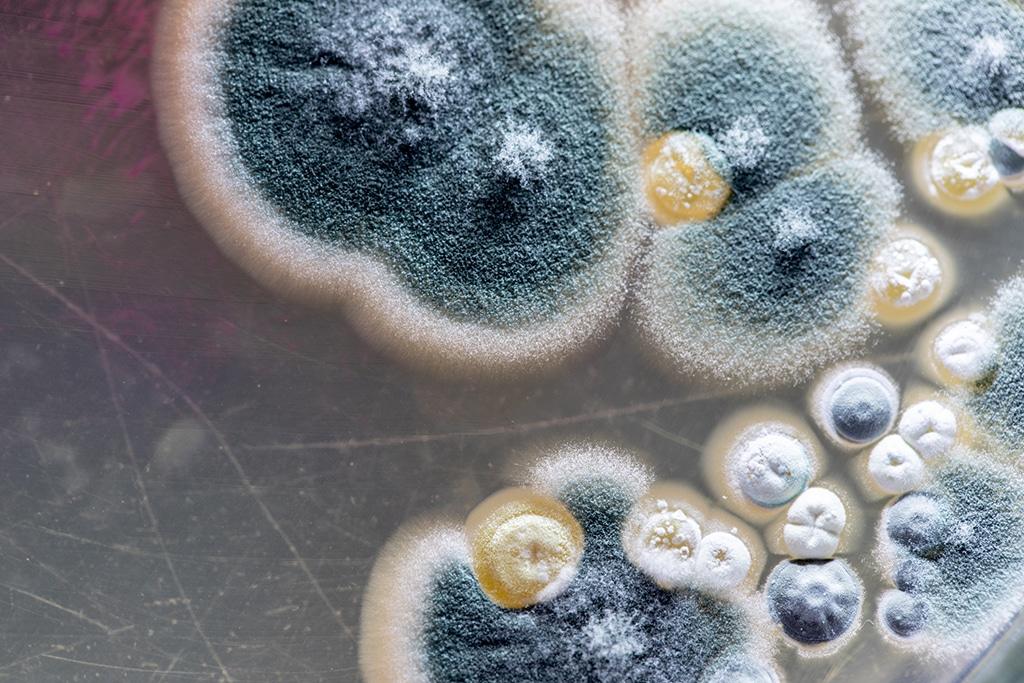
Address mold growth immediately upon discovery, as colonies spread rapidly and become increasingly difficult to remove after 7-10 days of growth. Mix commercial mold removal solutions like Concrobium Mold Control ($12-16 per quart) at full strength or create DIY treatment using 1 cup white vinegar per gallon of water. Apply solution generously to affected areas using spray bottles, allowing 10-15 minutes contact time for mold kill. Scrub gently with soft brushes, rinse thoroughly, and dry completely in direct sunlight (UV rays provide additional mold-killing benefit).
For severe mold infestations affecting areas larger than 2-3 square feet, consider professional treatment from tent repair specialists charging $150-300 for comprehensive mold remediation. Heavy mold growth penetrates fabric weave and compromises waterproof coatings, requiring reapplication of treatments after mold removal. Never use chlorine bleach on tent fabrics, as bleach destroys polyurethane coatings, weakens fabric fibers by 40-50%, and creates permanent discoloration. Persistent mold odors after cleaning indicate spores embedded in foam mattress requiring specialized treatment or replacement at $200-400 depending on RTT model.
Can you repair small tears or punctures in RTT fabric?
Repair small tears (under 2 inches) and punctures immediately using specialized fabric repair products before damage expands through use stress and weather exposure. Tenacious Tape fabric repair patches ($8-12 per 20×3-inch roll) provide permanent repairs for tears under 1 inch, while Gear Aid Seam Grip adhesive ($8-10 per 2-ounce tube) seals punctures and reinforces damaged areas. Clean repair area thoroughly, apply adhesive or patch following manufacturer instructions, and allow 24-hour curing before use.
For tears exceeding 2 inches or damage along seams and stress points, consult professional tent repair services specializing in outdoor gear. Repair costs range from $40-80 for straightforward patches to $150-250 for complex seam reconstruction or panel replacement. DIY repairs on major damage often fail within 5-10 uses due to insufficient reinforcement around damage edges. Maintain an RTT repair kit ($25-40) containing fabric patches, seam sealer, spare zipper sliders, and adhesive for emergency trail repairs preventing minor damage from becoming major failures during multi-day trips.
What regular inspections should you perform to catch problems early?
Conduct thorough RTT inspections every 15-20 camping nights or quarterly during active use seasons, examining fabric, hardware, and structural components systematically. Check all seams for separation, loose stitching, or coating delamination, addressing issues immediately before they expand. Inspect waterproof coatings by performing spray tests on 4-6 different fabric sections, particularly on roof panels and areas exposed to standing water. Examine zippers for smooth operation, missing teeth, or damaged sliders requiring repair or replacement.
Test all mechanical components including gas struts, hinges, latches, and ladder mechanisms for proper function and signs of wear or corrosion. Gas struts showing 20-30% reduced lift force indicate approaching failure (typical lifespan 5-7 years or 500-700 deployment cycles) and require replacement at $40-80 per pair before complete failure creates tent damage or injury risk. Document inspection findings in maintenance logs, tracking patterns that indicate accelerated wear requiring attention to usage patterns or environmental exposure factors.
Frequently Asked Questions
How long can I store an RTT without using it before problems develop?
Properly prepared and stored RTTs remain functional for 12-18 months without use when kept in climate-controlled environments at 40-80°F with 30-50% humidity. Monthly inspections and airing (opening tent for 2-3 hours) extend safe storage to 24+ months. RTTs stored in uncontrolled environments like outdoor sheds develop mold, fabric degradation, and mechanical issues within 6-9 months. Always redeploy and inspect stored tents 2-3 weeks before planned trips to identify and address any storage-related issues.
Can I use a pressure washer to clean my RTT faster?
Never use pressure washers on RTT fabrics, as water pressure above 500 PSI forces water through fabric weave and destroys waterproof coatings within seconds. Most pressure washers operate at 1,500-3,000 PSI, creating damage that requires complete fabric recoating ($200-400) or replacement ($800-1,200). Use garden hoses with standard nozzles providing 40-60 PSI for safe rinsing, or hand-apply water using buckets and cloths. Pressure washing aluminum frames is acceptable if nozzle distance exceeds 24 inches and pressure stays below 1,200 PSI.
What causes my RTT to smell musty even when it looks clean?
Musty odors indicate mold or mildew growth in hidden areas including mattress foam, seam channels, or fabric backing layers where visual inspection misses colonies. The odor threshold for mold detection is approximately 500-1,000 colony-forming units per cubic meter, appearing before visible growth. Treat with targeted application of white vinegar solution (1:4 vinegar to water ratio) or enzymatic odor eliminators like Revivex Odor Eliminator ($12-16 per 10-ounce bottle). Air mattress foam in direct sunlight for 6-8 hours, as UV exposure kills mold spores and neutralizes odors that survive liquid treatments.
How do I know when my RTT fabric is too damaged to repair?
Replace RTT fabric when waterproof coating failure exceeds 40-50% of surface area (water absorption across multiple panels despite retreatment), structural damage includes tears larger than 4-6 inches or multiple smaller tears totaling over 12 inches, or mold damage penetrates fabric backing causing visible thinning or holes. Professional assessment costs $50-75 and helps determine if $300-600 repair is worthwhile versus $800-1,200 fabric replacement. Consider replacement when repair costs exceed 50% of comparable replacement tent value, typically after 6-8 years of regular use or 3-5 years of heavy use with inadequate maintenance.
Should I leave my RTT mounted on my vehicle year-round or remove it seasonally?
Remove RTTs during non-use periods exceeding 2-3 months to prevent compression damage to mounting hardware, reduce aerodynamic drag costing 5-8% fuel efficiency, and protect tent from continuous UV exposure degrading fabric 40-60% faster. Year-round mounting works for frequent users (2+ camping trips monthly) who accept accelerated wear in exchange for convenience. Seasonal removal extends RTT lifespan from 8-10 years to 12-15 years by reducing UV exposure, mechanical stress, and environmental weathering. Removal and installation takes 30-45 minutes with two people using proper techniques.
Do hard-shell and soft-shell RTTs require different maintenance approaches?
Hard-shell RTTs require less frequent fabric maintenance (cleaning every 6-8 trips versus 3-5 trips for soft-shell) due to protective shells shielding fabric from environmental exposure. However, hard-shell models demand more mechanical maintenance including gas strut inspection every 3-4 months, hinge lubrication every 6 months, and shell exterior polishing every 12 months to prevent oxidation. Soft-shell RTTs need more attention to fabric waterproofing (annual treatment versus 18-month intervals for hard-shell) but have fewer mechanical failure points. Both types require identical mold prevention protocols and climate-controlled storage for optimal longevity.