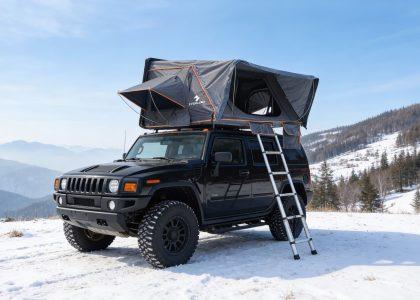
Quick Answer: A 4-person roof top tent measuring 84-96 inches long by 55-65 inches wide provides 32-43 square feet of sleeping space for families with children under 12 years old, costs $1,800-3,500 for quality models, and mounts on vehicles with 165-pound minimum dynamic roof load ratings. Setup takes 3-8 minutes and eliminates ground-level wildlife concerns while keeping families 4-5 feet above wet or uneven terrain.
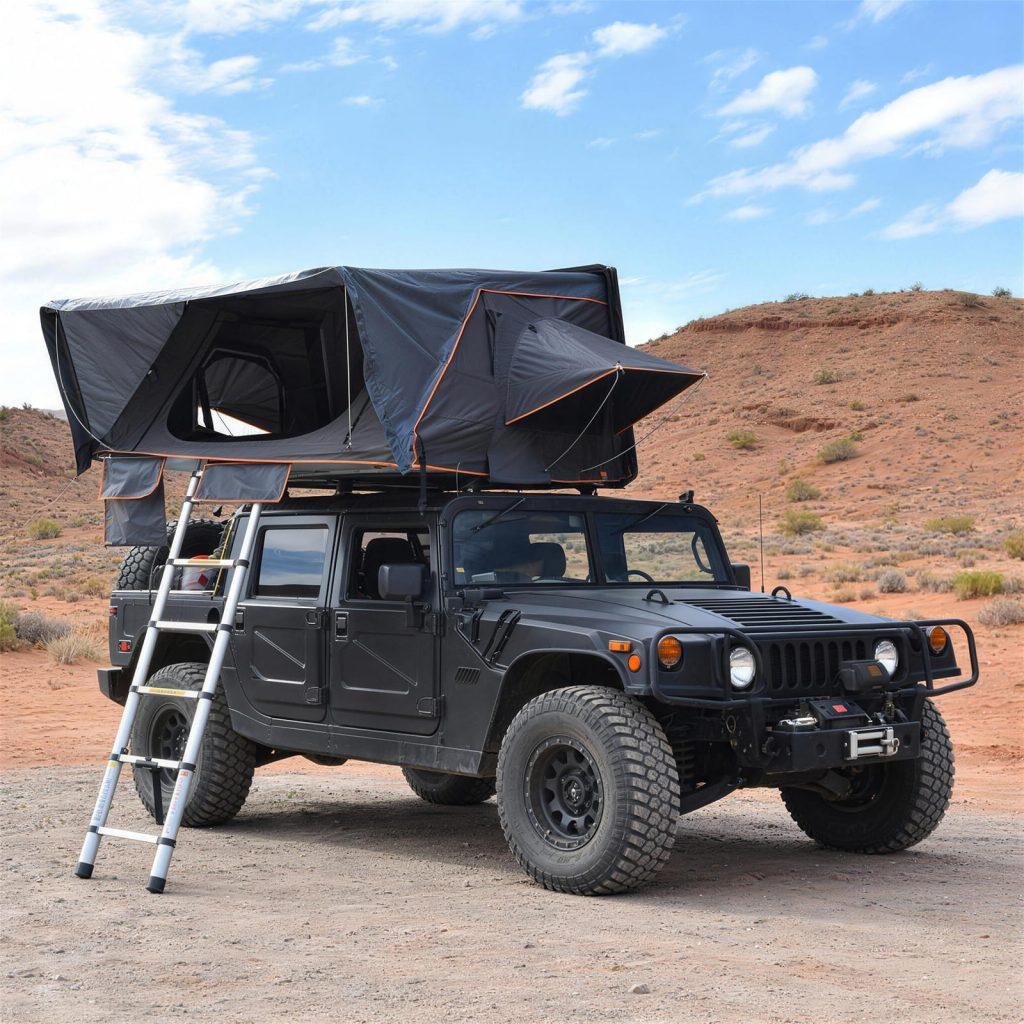
Why Families Are Moving From Ground Tents to Roof Platforms
Vehicle-mounted sleeping platforms transform family camping from a gear-intensive ordeal into a streamlined adventure. The 2025 North American camping industry reports show 47% growth in roof top tent sales among families with children ages 3-12, driven by setup time reductions and enhanced safety perceptions. Parents gain functional advantages that ground camping cannot deliver: instant setup on any terrain, elimination of crawling-in wet tent floors, and elevated sleeping positions that reduce anxiety about wildlife encounters during overnight hours.
The transition from ground tents requires understanding vehicle compatibility, weight distribution, and child safety considerations that differ substantially from traditional camping. A family of four sleeping in a roof top tent faces unique challenges including ladder access for young children, nighttime bathroom logistics, and temperature management in confined elevated spaces. However, families who make the switch report 60-70% reduction in camp setup stress and 40-50% improvement in sleep quality compared to ground tent experiences, according to 2024-2025 overlanding family surveys.
Financial investment reaches $2,500-4,500 for a complete system including tent, roof rack, and ladder when purchasing quality components designed for multi-season family use. This exceeds ground tent budgets by $1,800-3,200, but the durability and convenience factors deliver value over 6-8 years of regular weekend camping trips. Understanding whether your family’s camping patterns justify this investment requires examining specific use cases, vehicle requirements, and age-appropriate safety protocols.
Understanding 4-Person Roof Top Tent Dimensions and Layouts
What interior space do families actually need?
Interior floor dimensions directly determine sleeping comfort and whether your family configuration fits the tent platform. Standard 4-person roof top tents measure 84-96 inches in length, providing adequate space for two adults (72-76 inches tall) and two children under 12 years old sleeping perpendicular or in alternating head-to-foot arrangements. Width measurements of 55-65 inches create 32-43 square feet of total floor area, which accommodates sleeping bags or mattress pads with minimal gaps when properly arranged. Families with teenagers or children over 5 feet tall require 96-inch models to prevent foot contact with tent walls during sleep.
How do hard shell versus soft shell designs affect family use?
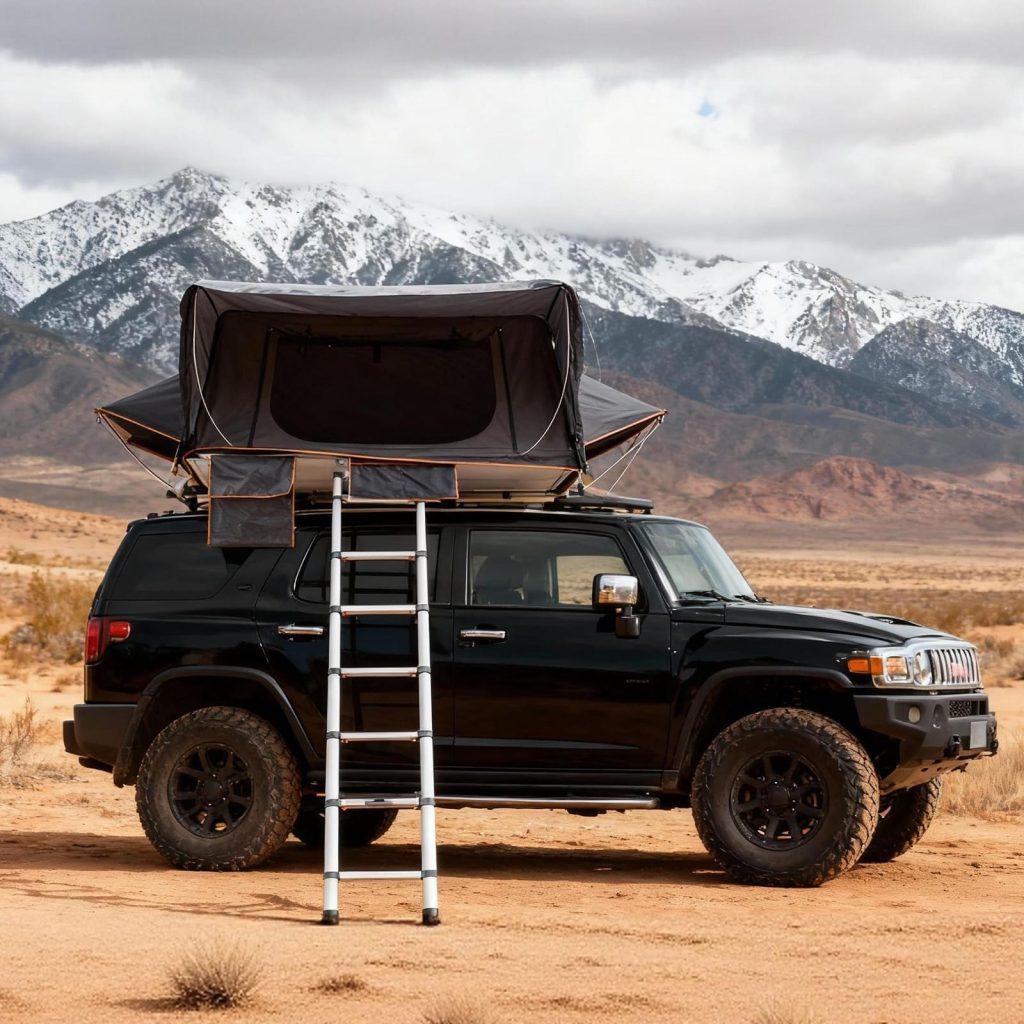
Hard shell roof top tents use fiberglass, ABS plastic, or aluminum covers that open via gas strut mechanisms in 45-90 seconds with minimal effort. These models measure 12-18 inches in closed height, creating 48-55 inches of usable sleeping space when deployed, and cost $2,200-3,800 for family-sized versions. The rigid construction provides superior insulation, with interior temperatures staying 8-12°F warmer than soft shell equivalents during cold-weather camping. Soft shell designs fold accordion-style from fabric and pole frames, requiring 5-8 minutes for setup but offering 55-65 inches of interior headroom when fully deployed at prices ranging $1,400-2,600. Families with children under 7 years old benefit from hard shell convenience since young kids cannot assist with complex tent deployment, while experienced camping families with older children find soft shell models provide better interior volume for the investment.
Vehicle Requirements and Roof Load Capacity
What vehicles can safely carry a family roof top tent?
Your vehicle’s dynamic roof load rating must exceed the combined weight of the roof rack (30-50 pounds), roof top tent (120-180 pounds for 4-person models), sleeping occupants (400-600 pounds for a family of four), and gear stored inside the tent (20-40 pounds). This totals 570-870 pounds, but most vehicles rate only 150-200 pounds for dynamic load capacity while driving. The critical distinction involves static load capacity when parked with the engine off, which typically allows 600-800 pounds for trucks and SUVs with factory crossbars or 800-1,200 pounds for vehicles with aftermarket roof rack systems engineered for roof top tent mounting.
Do you need to upgrade your roof rack system?
Factory roof racks on crossover SUVs and minivans typically support 150-165 pounds dynamic load, requiring aftermarket replacement with heavy-duty systems rated for 200-250 pounds dynamic capacity. Quality aftermarket roof rack systems from manufacturers like Thule, Yakima, or Front Runner cost $400-800 installed and use reinforced mounting points that distribute weight across multiple vehicle attachment locations. Full-length roof rack platforms measuring 50-60 inches wide by 84-110 inches long provide optimal load distribution and cost $600-1,200, creating stable mounting surfaces that reduce tent sway during wind and prevent point-load stress on vehicle roof structures.
Safety Considerations for Children in Elevated Tents
How do you safely get kids up and down the ladder?
Telescoping aluminum ladders included with roof top tents extend 55-72 inches depending on vehicle height and tent mounting position, creating 65-75 degree climbing angles that challenge children under 6 years old. Parents should practice ladder skills at home before trips, teaching hand-over-hand techniques and proper foot placement on 12-inch wide ladder rungs. Children ages 3-5 require direct adult assistance for every ladder transition, adding 2-3 minutes per bathroom trip during overnight hours. Installing portable step stools at ladder bases reduces the first step height from 18-24 inches to 8-12 inches, improving safety margins for shorter children.
What prevents children from rolling out during sleep?
Premium 4-person roof top tents incorporate 4-6 inch tall door sills and perimeter rails that create physical barriers preventing roll-out incidents. Interior sleeping arrangements should place children toward the tent center with adults positioned near door openings, creating human barriers for added safety. Some families install aftermarket safety netting or mesh panels across door openings, which maintain ventilation while providing psychological security for parents of active sleepers. The elevated platform height of 48-60 inches above ground creates serious fall risk, making these preventive measures essential for children under 10 years old who move during sleep.
Climate Control and Comfort in Confined Spaces
How do you manage temperature in a roof top tent with kids?
Roof top tent insulation properties vary significantly between hard shell models with rigid panels (R-value 2.5-4.0) and soft shell fabric designs (R-value 0.5-1.5). Hard shell tents maintain internal temperatures 10-15°F warmer than outside air in cold conditions, while soft shell models require supplemental sleeping bags rated 15-20°F below expected overnight lows. Four-season camping with children under 8 years old demands hard shell construction or soft shell tents with insulated rain flies and floor panels. Summer camping in temperatures above 75°F overnight requires roof top tents with 4-6 window panels providing cross-ventilation and mesh panels covering 30-40% of total wall surface area to prevent heat buildup.
What bedding setup works best for family sleeping?
Self-inflating mattress pads measuring 2-3 inches thick provide adequate cushioning for children while occupying minimal storage space when deflated. A family of four requires either two double-wide pads (50×80 inches each) or four individual pads (24×72 inches) to cover the tent floor completely. Sleeping bags rated for temperature zones 10-15°F below forecasted overnight lows ensure children stay warm, as kids regulate body temperature less effectively than adults. Families camping in temperatures below 40°F should add fleece liners inside sleeping bags, creating an additional 5-10°F of warmth retention for children’s comfort during overnight hours.
Practical Trip Planning: Where Roof Top Tents Excel and Struggle
What camping scenarios favor roof top tent families?
Beach camping, desert sites, and established campgrounds with gravel or hard-packed surfaces provide ideal conditions for roof top tent deployment. These locations allow parking within 10-15 feet of picnic tables and fire rings, creating functional outdoor living zones without extensive gear hauling. National park and state park campgrounds with designated vehicle camping spots accommodate roof top tent setups easily, as 85-90% of these sites provide level parking areas requiring minimal adjustment. Weekend trips lasting 2-4 nights where families move camp locations every 1-2 days benefit from 5-8 minute setup times compared to 15-25 minutes for equivalent ground tent configurations.
When do ground tents make more sense than roof platforms?
Backpacking-style campgrounds requiring 100+ yard walks from parking to campsites eliminate roof top tent advantages entirely, as you cannot drive to your actual sleeping location. Music festivals, group camping events, and locations where you need your vehicle during the day while leaving camp setup intact favor ground tent configurations. Families planning 5+ night stays in single locations find ground tent setups with separate dining flies and larger floor space (60-80 square feet versus 32-43 square feet) provide better livability for extended periods. Budget-conscious families camping fewer than 10 nights annually struggle to justify the $2,500-4,500 roof top tent investment when quality 4-person ground tents cost $300-700 and deliver adequate performance.
Budget Planning: Complete System Costs
What’s the total investment for a functional family setup?
A complete roof top tent camping system requires the tent unit ($1,800-3,500), heavy-duty roof rack ($400-1,200), mounting hardware and installation ($100-200), and ladder stabilizers or step stools ($50-120). Budget-conscious families can enter the category at $2,350-2,900 using soft shell tents on basic rack systems, while premium configurations with hard shell automatic tents and full-length platform racks reach $4,500-5,200. Factor additional costs for annex rooms ($400-800) if you want protected ground-level changing space, awnings for cooking coverage ($300-700), and upgraded mattress systems ($150-350) beyond included foam pads.
Do financing options exist for family roof top tent systems?
Major outdoor retailers offer 12-24 month interest-free financing on purchases exceeding $1,500, allowing families to spread the $3,000-4,000 investment across monthly payments of $125-333 depending on term length. Some specialized roof top tent manufacturers provide direct financing through partners like Affirm or Klarna with approval rates above 75% for applicants with 650+ credit scores. Used roof top tent markets offer 30-50% savings with 2-4 year old models selling for $1,200-2,000, though buyers sacrifice warranty coverage and must carefully inspect fabric condition, zipper function, and frame integrity before purchasing.
Maintenance and Longevity Expectations
How long do roof top tents last with regular family use?
Fabric components on quality roof top tents withstand 200-300 nights of use over 6-10 years before showing significant degradation from UV exposure and repeated folding cycles. Families camping 20-30 nights annually can expect 7-9 years of reliable service from premium models, while budget options may require fabric replacement or major repairs after 4-6 years. Zippers represent the most common failure point, with main entry zippers requiring replacement after 150-250 open/close cycles depending on quality. Hardware including gas struts on hard shell models, poles on soft shell designs, and ladder components typically outlast fabric by 3-5 years when properly maintained.
What maintenance tasks keep family tents functional?
Cleaning tent fabric after every 5-7 camping trips using mild soap and water prevents mold growth that destroys waterproof coatings within a single season if left unchecked. Apply UV protectant spray annually to extend fabric life by 20-30%, focusing on panels receiving direct sun exposure during storage. Reapply waterproof coating every 18-24 months using products rated for 3,000mm+ protection, as factory coatings degrade naturally over time. Lubricate zippers monthly during active camping season using silicone-based lubricant, which prevents binding and extends zipper life by 40-60% compared to unlubricated operation. Store tents completely dry in climate-controlled spaces when not in use, as moisture and temperature fluctuations during off-season storage cause 60-70% of premature fabric failures.
Frequently Asked Questions
Can toddlers safely sleep in roof top tents?
Children ages 2-4 can sleep safely in roof top tents with proper precautions including adult supervision during all ladder transitions and interior safety barriers preventing door access. Install mesh panels across door openings secured with heavy-duty hook-and-loop fasteners to prevent unsupervised exits during nighttime hours. Position toddlers in sleeping bags or bed rolls at tent center with adults flanking both sides, creating physical barriers. Families with children under 3 years old should practice ladder safety at home before trips and accept that bathroom breaks require waking both parents for assistance. Most families report roof top tent camping becomes practical when youngest children reach 3.5-4 years old and demonstrate reliable following of safety instructions.
How do you handle nighttime bathroom needs with kids in roof tents?
Install portable step stools at ladder bases to reduce climbing difficulty for children, cutting bathroom trip time from 8-10 minutes to 4-6 minutes per incident. Keep headlamps and flashlights within easy reach at tent entrance. Children ages 6-12 can descend ladders independently with proper training, while kids under 6 require adult assistance for each trip. Some families use designated bathroom containers inside tent vestibules for emergency nighttime needs, though this works only for #1 situations and requires immediate morning disposal. Campgrounds with bathroom facilities within 50-75 yards make nighttime logistics manageable, while remote camping locations require more planning and potentially limiting fluid intake 2 hours before bedtime.
What’s the weight limit for 4-person roof top tents?
Manufacturer specifications list sleeping capacity weight limits of 550-750 pounds for 4-person models, accounting for four occupants plus bedding and gear stored inside during sleep. A family consisting of two adults (320-380 pounds combined) and two children ages 4-10 (80-160 pounds combined) totals 400-540 pounds, leaving 150-210 pounds of margin for mattresses, sleeping bags, pillows, and personal items. Teenagers or larger families may exceed these limits with total occupant weight reaching 600-700 pounds, requiring tents rated for 800+ pound capacity. Static load limits when parked differ from dynamic driving limits – never drive with occupants in the roof top tent, as this violates safety standards and vehicle roof load ratings.
Do roof top tents work in winter camping conditions?
Hard shell roof top tents with insulated panels function effectively in temperatures down to 15-20°F when paired with 0-10°F rated sleeping bags and insulated sleeping pads rated R-4.0 or higher. Condensation management becomes critical below 35°F, requiring partially open vents to allow moisture escape while maintaining warmth. Soft shell tents struggle below 25°F unless equipped with dedicated winter insulation kits adding R-2.0 to R-3.0 thermal resistance at $200-400 additional cost. Families camping with children under 8 years old should limit winter roof top tent use to temperatures above 30°F overnight, as kids cannot safely navigate frozen ladders and frigid midnight bathroom trips create safety risks.
Can you leave the tent mounted during daily driving?
Roof top tents remain mounted permanently during multi-day camping trips, adding 8-14 inches to vehicle height and reducing highway fuel economy by 15-25% due to increased aerodynamic drag. Hard shell models create less wind resistance than soft shell designs, with fuel penalty differences of 3-5 mpg on highway speeds above 60 mph. Plan for reduced parking structure access, as most public garages limit height to 6 feet 6 inches to 7 feet, while vehicles with mounted roof top tents reach 7 feet 6 inches to 8 feet 6 inches total height. Remove tents for daily commuting to preserve fuel economy and maintain normal vehicle handling characteristics, as the elevated center of gravity affects cornering and emergency maneuver responsiveness.
How do you find level parking for roof top tent setup?
Carry a bubble level or use smartphone level apps to verify vehicle pitch stays within 3-5 degrees from horizontal, which prevents sliding during sleep and door function issues. Leveling blocks or ramps measuring 2-4 inches high correct most campsite slope problems when placed under low-side wheels. Park perpendicular to slope when possible rather than parallel, as side-to-side tilt creates more sleeping discomfort than front-to-back pitch. Scout campsites during daylight hours before committing to overnight setup, walking the area to identify the most level parking zone within your designated campsite boundaries. Most established campgrounds maintain parking pads level within 2-3 degrees, while dispersed camping requires more active site selection and potentially 10-15 minutes of positioning to achieve comfortable sleeping angles.