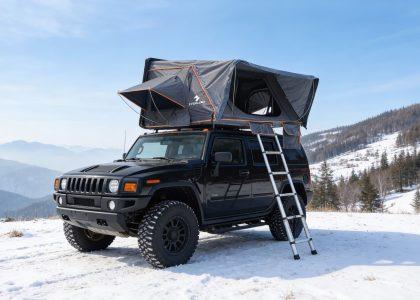
Quick Answer: Winter camping in rooftop tents requires thermal liners rated for temperatures 10-15°F below your expected low and diesel heaters producing 2,000-5,000 BTU output for safe sub-zero operation. Quality thermal liners add R-3 to R-5 insulation value, while properly vented diesel heaters consume 0.1-0.3 gallons of fuel per night, maintaining interior temperatures of 50-65°F even when exterior conditions drop to -20°F.
Understanding Cold Weather RTT Camping Challenges
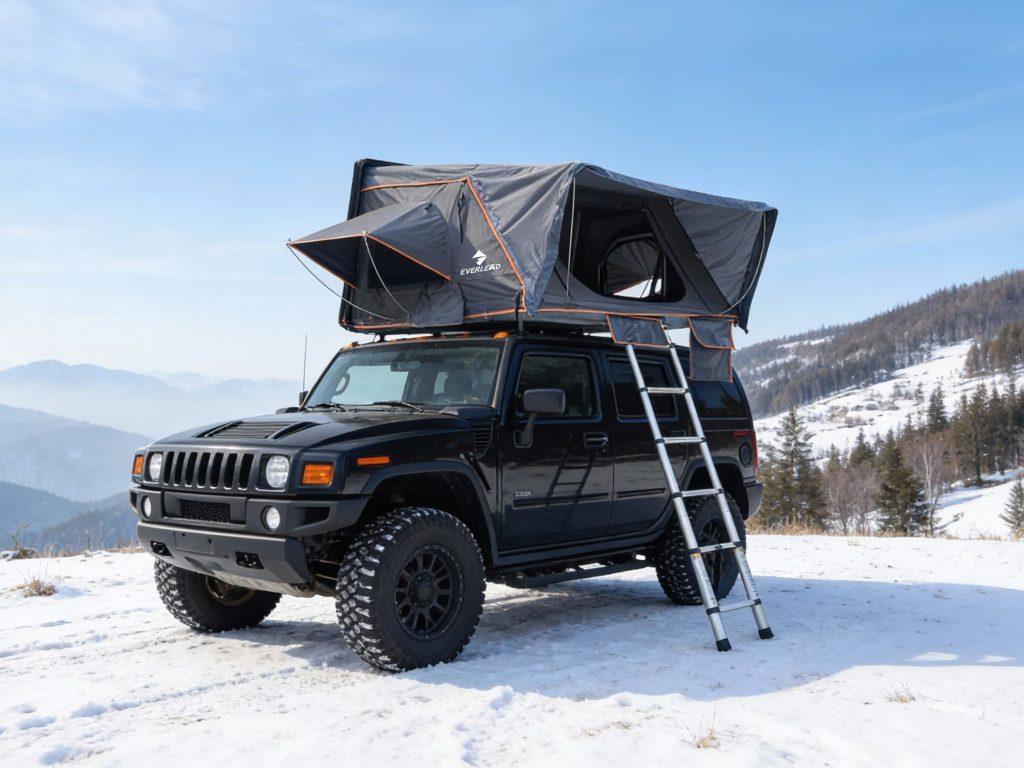
Winter overlanding in rooftop tents presents unique thermal management challenges that differ fundamentally from ground-based camping or summer RTT use. The elevated position of RTTs exposes all six surfaces to wind and cold, creating heat loss rates 40-60% higher than ground tents with insulated flooring contact. Without proper insulation and heating systems, interior RTT temperatures typically stabilize within 5-10°F of ambient conditions, making sub-zero camping uncomfortable and potentially dangerous.
Modern thermal management solutions transform RTTs into viable four-season shelters through strategic insulation and supplemental heating. Manufacturers like Everlead Outdoor now engineer winter-rated RTT models with integrated thermal liner channels and heater ports specifically designed for cold weather expeditions. The global overlanding market shows 35-40% of serious adventurers camp in conditions below 20°F, driving demand for proven cold-weather equipment solutions.
The key to successful winter RTT camping lies in understanding heat retention principles and implementing layered thermal protection systems. Proper equipment selection, installation techniques, and safety protocols enable comfortable camping in temperatures ranging from 20°F down to -30°F, expanding the seasonal window for outdoor retailers and creating year-round revenue opportunities in the adventure gear sector.
Thermal Liner Systems for RTT Insulation
What Are RTT Thermal Liners and How Do They Work?
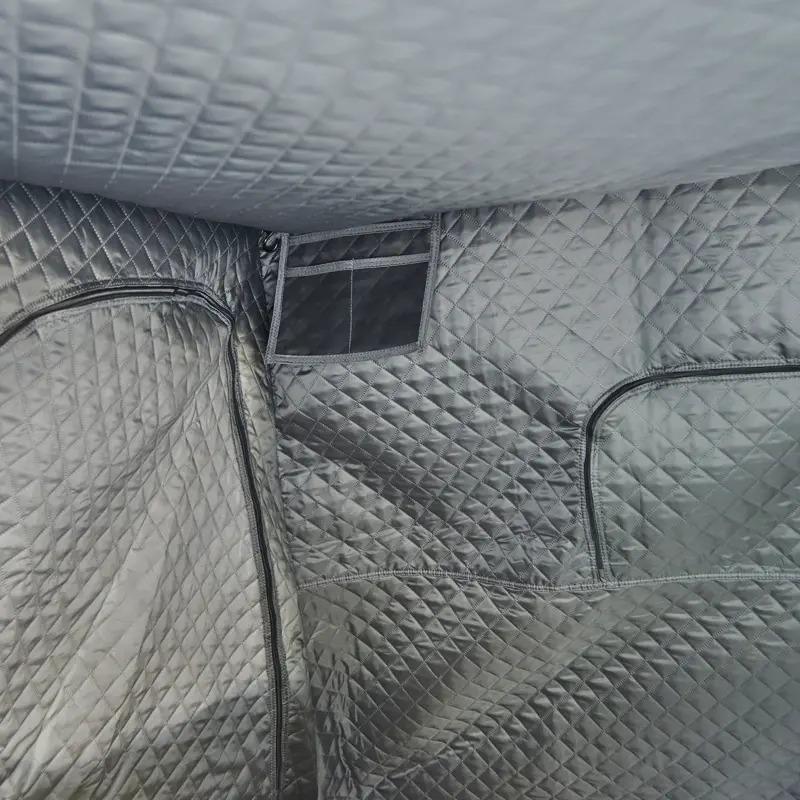
RTT thermal liners are removable insulation layers constructed from quilted fabrics with enclosed batting materials that attach to tent interior surfaces via zippers, velcro, or snap systems. Quality thermal liners use synthetic insulation materials like Primaloft or Climashield achieving R-values between R-3 and R-5, compared to standard tent fabric at R-0.5 to R-1. This insulation reduces radiative and conductive heat loss through tent walls by 60-75% in winter conditions.
Premium thermal liner systems feature multi-layer construction with reflective barriers, breathable outer shells, and moisture-resistant inner batting. The reflective layer (typically aluminum-coated polyester) bounces radiant body heat back into the living space, improving thermal efficiency by an additional 15-20%. Breathable construction prevents condensation buildup that can reduce insulation effectiveness by 30-40% when moisture saturates batting materials. For B2B buyers sourcing winter RTT packages, specify thermal liners with condensation-resistant materials rated for multi-day use.
How Do You Choose the Right Thermal Liner Configuration?
Select thermal liner configurations based on your lowest expected temperature and RTT design. Universal fit liners work with most soft-shell RTTs and cost $150-280 depending on size and insulation thickness. Custom-fit liners designed for specific RTT models provide 20-30% better thermal performance through precision coverage of all interior surfaces including angled walls and ceiling sections. These custom systems range from $280-450 but eliminate gaps where cold air infiltrates.
Modular thermal liner systems offer flexibility for changing conditions. Ceiling-only liners ($80-140) address the primary heat loss surface where warm air collects, suitable for temperatures down to 20-25°F. Full enclosure systems ($200-400) cover ceiling, walls, and floor, necessary for camping below 15°F. Hybrid configurations allow adding or removing panels based on forecast temperatures, optimizing pack weight and thermal protection. For retailers targeting four-season customers, stock modular systems that accommodate temperature ranges from 30°F to -20°F.
What Installation Techniques Maximize Thermal Efficiency?
Install thermal liners with attention to seam alignment and gap elimination to prevent thermal bridging. Begin with ceiling panels, ensuring insulation extends completely to wall junctions where 25-35% of heat loss occurs. Overlap seams by 2-3 inches rather than butting edges together, as even 1-inch gaps can reduce overall thermal efficiency by 10-15%. Use all attachment points provided by the manufacturer, as sagging insulation creates air gaps that nullify insulation value.
Address condensation management during installation by maintaining 1-2 inches of air space between thermal liner and tent fabric on walls. This air gap allows moisture vapor to migrate to tent surfaces where it can freeze rather than saturating insulation materials. Position any ventilation openings in thermal liners to align with tent vents, maintaining critical air exchange that prevents dangerous carbon monoxide accumulation. After 2-3 nights of use, inspect all attachment points for compression or separation caused by movement and body contact.
Diesel Heater Systems for RTT Winter Camping
Why Choose Diesel Heaters Over Propane or Electric Options?
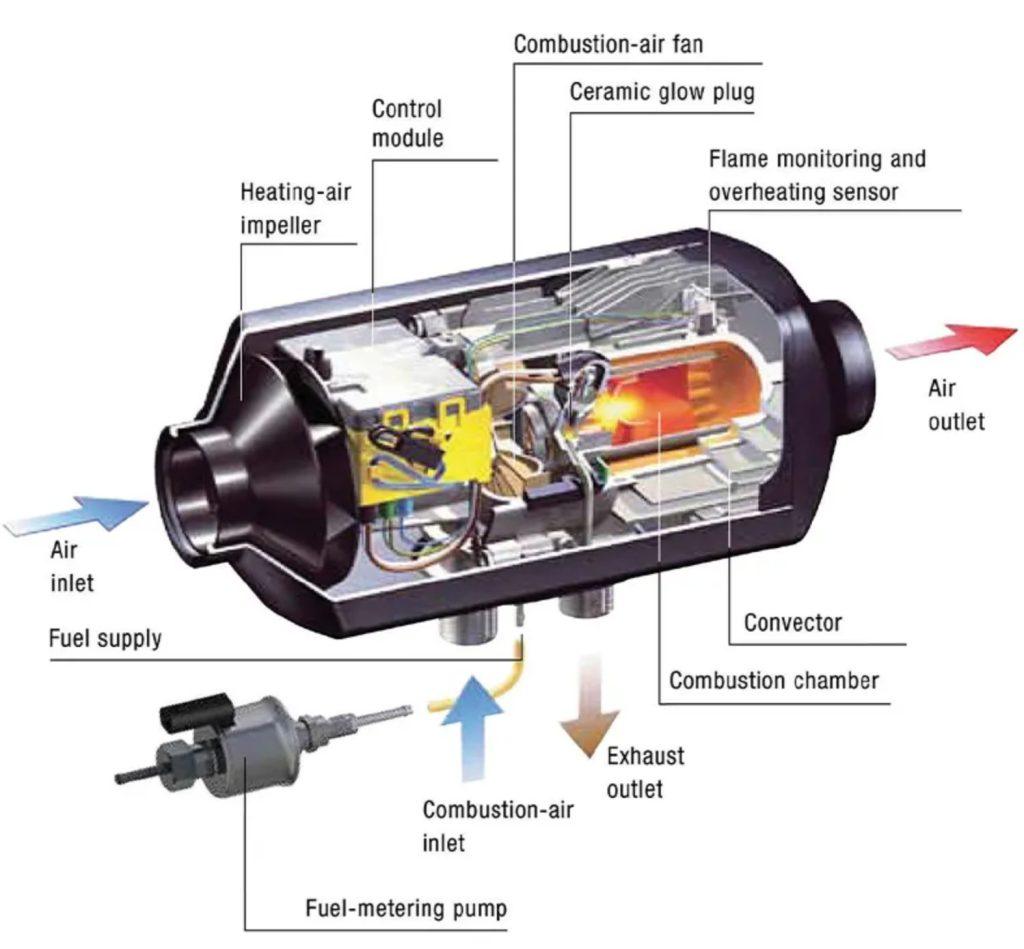
Diesel heaters provide superior runtime efficiency and safety characteristics for extended winter camping compared to propane or battery-electric alternatives. A 2kW diesel heater consumes 0.1-0.15 gallons per hour at half power, providing 8-12 hours of heat from a single gallon versus propane heaters requiring 2-3 one-pound bottles for equivalent runtime. Diesel heaters draw minimal electrical power (0.5-1.5 amps), preserving battery capacity for essential systems, while electric resistance heaters drain 40-80 amp hours per night.
Safety advantages of diesel heaters include sealed combustion chambers that isolate exhaust gases from living spaces and automatic altitude compensation for consistent performance from sea level to 12,000+ feet elevation. Carbon monoxide risk drops by 90-95% compared to catalytic propane heaters that consume interior oxygen. Diesel fuel remains liquid and pumpable down to -20°F without special additives, whereas propane pressure drops 40-60% below 20°F, reducing heater output when you need it most.
What Diesel Heater Specifications Suit Different RTT Sizes?
Match diesel heater output to RTT interior volume and expected temperature differential. Compact 2kW units (6,800 BTU) efficiently heat RTTs up to 70 cubic feet (typical hard-shell models) with 30-40°F temperature differential from ambient. Mid-size 3kW units (10,200 BTU) handle soft-shell RTTs of 90-120 cubic feet or maintain comfort in extreme cold below -10°F. Oversized 5kW units (17,000 BTU) suit family-size RTTs or expedition scenarios below -20°F but consume fuel 2-3 times faster than necessary for standard applications.
Physical dimensions matter for RTT installation constraints. Compact Chinese-manufactured units (Vevor, Hcalory brands) measure 13x5x6 inches and weigh 8-11 pounds, fitting easily in RTT annexes or exterior mounting boxes. Premium European units (Webasto, Eberspacher) offer quieter operation (35-40 dB versus 45-50 dB) but cost $800-1,200 compared to $150-300 for Chinese alternatives. For B2B retailers, budget-conscious customers accept higher noise levels in exchange for 60-75% cost savings on proven heating performance.
How Do You Install Diesel Heaters Safely in RTT Applications?
Mount diesel heaters outside the RTT sleeping compartment to minimize noise and eliminate any interior exhaust risk. Secure heaters in weatherproof enclosures attached to roof rack crossbars or RTT mounting platforms, ensuring 6-8 inches clearance from tent fabric to prevent melt damage. Route heated air through insulated 2-inch ducting into tent interior via reinforced port grommets, maintaining 4-6 feet of duct length to dissipate mechanical noise before air enters living space.
Install exhaust systems with proper termination away from air intake vents and tent openings. Position exhaust outlets 12-18 inches minimum from any tent surface and angle downward to prevent snow accumulation blocking flow. Use high-temperature silicone rated for 500°F on all exhaust connections, as standard automotive silicone fails at 300-350°F causing dangerous gas leaks. Include inline fuel filters on supply lines and mount fuel tanks below heater level, using 8mm fuel line rated for diesel service to prevent degradation and leaks.
What Safety Protocols Prevent Carbon Monoxide Poisoning?
Maintain continuous tent ventilation even when using sealed-combustion diesel heaters to prevent carbon monoxide accumulation from any potential system malfunction. Keep at least two opposing vents partially open (minimum 4-6 square inches total opening area) to ensure 2-3 air changes per hour. Install a battery-operated carbon monoxide detector with digital readout positioned at sleeping level, testing alarm function before each trip. Replace detector batteries every 6 months and replace entire units every 5-7 years per manufacturer specifications.
Monitor heater performance indicators including consistent flame color (blue-white, not yellow-orange), steady exhaust flow without excessive smoke, and normal operating temperatures on exterior housing (120-180°F). Unusual odors, soot accumulation, or flame irregularities indicate combustion problems requiring immediate shutdown and inspection. Never operate diesel heaters without proper exhaust routing, and inspect exhaust systems before each use for damage, blockages, or loose connections. These precautions reduce carbon monoxide risk to levels comparable to modern home furnaces when properly maintained.
Temperature Management Strategies for Extreme Cold
How Do You Layer Thermal Protection Systems Effectively?
Combine thermal liners with diesel heating for optimal temperature control in extreme conditions below 0°F. Start with full-coverage thermal liners providing R-4 to R-5 base insulation, then add supplemental heating to maintain 55-65°F interior temperature. This layered approach reduces heater runtime by 40-50% compared to heating alone, extending fuel economy from 8-10 hours per gallon to 15-20 hours per gallon. The insulation retains heat during heater cycling, preventing temperature swings that disrupt sleep.
Add reflective emergency blankets or foam sleeping pad sections to floor areas for additional R-2 to R-3 insulation from below. This floor insulation prevents 20-25% of total body heat loss through conductive contact with cold surfaces. Use draft stoppers or foam weatherstripping around door zippers and window openings, addressing the 15-20% of heat loss that occurs through air infiltration. For extreme expeditions below -15°F, consider auxiliary propane heaters as backup systems providing 2-3 hours emergency heat if diesel systems fail.
What Temperature Settings Optimize Comfort and Fuel Efficiency?
Program diesel heater thermostats to maintain 58-62°F for optimal balance between comfort and fuel consumption during sleep periods. This temperature range allows comfortable sleeping in 20°F-rated sleeping bags while minimizing heater cycling that wastes fuel. Set heaters 5-10°F warmer (65-70°F) during waking hours for comfort during gear changes and meal preparation. Avoid exceeding 72°F interior temperature, as this creates excessive moisture from body evaporation leading to condensation problems.
Implement temperature scheduling for unattended periods to conserve fuel. Reduce setpoints to 45-50°F during daytime excursions when the tent is unoccupied, preventing freeze damage to water bottles and electronics while consuming only 0.05-0.08 gallons per hour. Pre-warm tents to 68-70°F for 20-30 minutes before bedtime to drive off accumulated moisture, then reduce to sleeping temperature. This warm-up cycle costs 0.02-0.03 gallons but significantly improves comfort and reduces overnight condensation by 30-40%.
Condensation Control in Heated Winter RTTs
Why Does Condensation Increase With Heating Systems?
Heated RTTs experience elevated condensation because warm interior air holds 4-5 times more moisture vapor than cold air, and this moisture condenses rapidly when contacting cold tent surfaces. A sleeping person exhales 6-8 ounces of water vapor overnight through respiration, and this moisture immediately freezes on tent walls when interior temperature exceeds exterior by 40°F or more. Without proper ventilation, condensation accumulates as ice on tent fabric, adding 2-5 pounds of weight and degrading insulation materials.
The temperature gradient between heated interior air (60°F) and exterior tent fabric (-10°F) creates a 70°F differential that drives rapid condensation. Every 20°F temperature drop in air causes moisture carrying capacity to decrease by approximately 50%, forcing excess moisture out of suspension. This condensed moisture then freezes, creating frost layers 1/8 to 1/4 inch thick on tent ceilings. When morning sun warms the tent, this frost melts and drips, soaking sleeping bags and gear if not properly managed.
How Do You Prevent and Manage Winter Condensation?
Maintain active ventilation throughout heating periods to remove moisture-laden air before condensation occurs. Position one low vent near heater air intake and one high vent opposite to create natural convection flow, exhausting 8-12 cubic feet per minute of moisture-saturated air. This air exchange removes 60-70% of respiratory moisture before it can condense. Accept the 10-15% heat loss from ventilation as necessary cost for condensation control, as the fuel savings from preventing ice accumulation offset this loss.
Wipe down tent surfaces each morning using microfiber cloths to remove frost before it melts and drips. This daily maintenance takes 3-5 minutes but prevents moisture from saturating sleeping bags and clothing. Store wet items in sealed plastic bags rather than leaving them exposed in tent interior, as each wet garment releases 2-4 ounces of water vapor during warming. Use moisture-absorbing products like rechargeable silica gel packs (200-400 gram capacity) positioned near sleeping areas, replacing or recharging them every 2-3 nights as they saturate.
Equipment Maintenance and Troubleshooting
What Pre-Trip Maintenance Prevents Winter Failures?
Conduct thorough diesel heater testing 2-3 weeks before winter trips to identify performance issues while parts are available. Run heaters for 2-3 hours continuously, verifying consistent output, clean combustion, and proper thermostat function. Clean or replace fuel filters, glow plugs, and combustion chamber components per manufacturer schedules (typically every 100-150 hours operation). Test in cold conditions by operating heater when ambient temperature is below 40°F, confirming reliable cold-start performance and fuel delivery.
Inspect thermal liner attachment systems for worn velcro, broken snaps, or damaged zippers that compromise installation security. Replace attachment hardware showing 30-40% wear before failure occurs during use. Check insulation for compression, moisture damage, or tears that reduce thermal efficiency, as damaged sections lose 50-60% of insulation value. Seal any thermal liner repairs with fabric repair tape rated for sub-zero flexibility, as standard tape becomes brittle and fails below 20°F.
How Do You Diagnose Common Winter Heating Issues?
Address insufficient heating output by first verifying adequate fuel supply, unobstructed air intake, and clear exhaust routing. Blocked exhaust pipes cause 40-50% of winter heating failures, especially when snow accumulation or ice formation restricts flow. Check for kinked fuel lines or frozen fuel filters when heaters fail to start in extreme cold below -15°F. Switch to winter-blend diesel fuel or add anti-gel additives rated to -30°F for reliable cold-weather performance.
Troubleshoot excessive fuel consumption (more than 0.2 gallons per hour at medium settings) by examining combustion efficiency indicators. Black smoke or soot indicates incomplete combustion from dirty glow plugs, restricted air intake, or incorrect fuel mixture, reducing efficiency by 25-35%. Yellow-orange flames instead of blue-white indicate similar combustion problems requiring immediate service. Unusual operating noises (grinding, rattling, or squealing) suggest worn fan bearings or loose components that can cause complete failure if not addressed within 5-10 hours of operation.
Frequently Asked Questions
Can I safely sleep in an RTT with a diesel heater running all night?
Yes, when properly installed with sealed combustion and adequate ventilation. Quality diesel heaters isolate exhaust from living spaces and consume minimal oxygen. Always maintain two partially-open vents (4-6 square inches total area) and use a carbon monoxide detector positioned at sleeping level. Properly configured systems operate safely for 8-12 hour periods consuming 0.8-1.5 gallons of fuel while maintaining 55-65°F interior temperatures.
How much does it cost to heat an RTT for a weekend winter camping trip?
Weekend winter heating costs $15-30 in fuel depending on temperatures and RTT size. A typical 3-day trip in 10-20°F conditions consumes 3-5 gallons of diesel at $3-4 per gallon for continuous overnight heating. Adding quality thermal liners reduces fuel consumption by 40-50%, cutting costs to $10-18 per weekend. Initial equipment investment includes diesel heater ($150-300), thermal liners ($200-400), and installation materials ($50-80).
What’s the warmest temperature rating I need for sleeping bags when using heated RTTs?
Use sleeping bags rated 20-30°F warmer than exterior conditions when heating RTTs to 55-65°F interior temperature. For camping in 0°F conditions with heated RTT at 60°F interior, a 20-30°F comfort-rated bag provides adequate warmth. This approach costs less than ultra-cold bags rated to -20°F ($400-600) while maintaining comfort. Keep a backup -10°F bag for emergency scenarios if heating systems fail.
Do thermal liners work in soft-shell RTTs as well as hardshell models?
Thermal liners function effectively in both RTT types but require different installation approaches. Soft-shell RTTs benefit from custom-fit liners ($280-450) designed for specific models, providing 60-75% heat retention improvement. Hardshell RTTs accept universal liners ($150-280) more easily due to rigid wall structures. Both configurations achieve R-3 to R-5 insulation values. Soft-shell applications require more attachment points (12-16 versus 8-10) to prevent sagging in angled wall sections.
How long do diesel heater components last with regular winter use?
Diesel heater main components last 500-800 operating hours with proper maintenance, equivalent to 5-8 years of weekend winter camping (60-80 nights annually). Glow plugs require replacement every 100-150 hours ($15-25), fuel pumps last 300-500 hours ($40-60), and combustion chambers need cleaning every 200 hours. Total maintenance costs average $80-120 annually for active winter users. Premium European brands (Webasto, Eberspacher) offer 30-40% longer component life but cost 3-4 times more initially.
What backup heating options should I carry for emergency situations?
Carry catalytic propane heaters (1,500-3,000 BTU output, $40-80) as backup providing 2-4 hours emergency heat from single one-pound propane cylinders. These compact units (6×8 inches, 2-3 pounds) fit easily in RTT storage and operate without electrical power. Include chemical hand warmers (10-hour duration, $1-2 each) for immediate heat and emergency thermal blankets ($3-5) for worst-case scenarios. This backup kit costs $60-100 and handles heating failures during multi-day trips in remote locations.