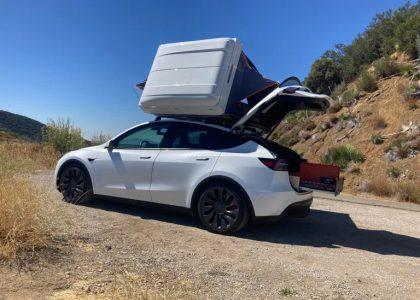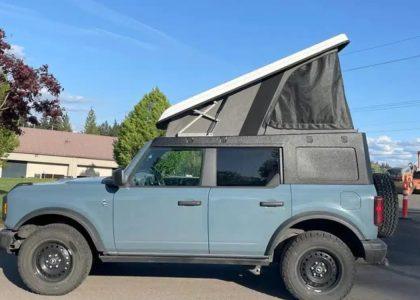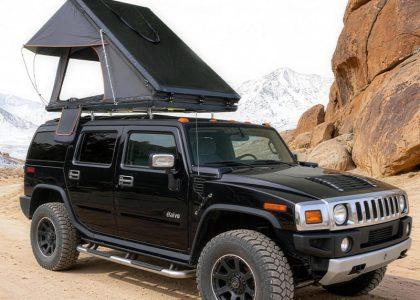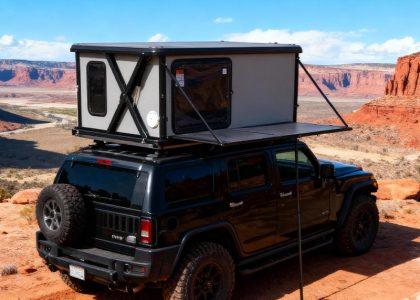
Thinking about buying a rooftop tent but worried whether it will actually fit your car—or survive daily driving? Questions about compatibility, speed limits, and even car washes stop many people from committing.
The short answer is this: most vehicles can safely use a rooftop tent if the correct roof rack is installed and basic usage limits are followed.
This guide explains vehicle compatibility, rack requirements, driving speed, installation difficulty, and everyday practicality so you know exactly what to expect.

Table of Contents
- Can you put a rooftop tent on any car?
- Do you need a roof rack for a rooftop tent?
- Are rooftop tents universal?
- How fast can you drive with a rooftop tent?
- Can you go through a car wash with a rooftop tent?
- Are rooftop tents hard to put on and take off?
- Can you leave bedding in a rooftop tent?
Can you put a rooftop tent on any car?
You can put a rooftop tent on most cars, but not all vehicles are suitable without upgrades or restrictions. Compatibility depends on roof load ratings, rack mounting points, and vehicle size rather than the brand of car itself.
What determines compatibility
- Dynamic roof load rating
- Availability of aftermarket roof racks
- Roof width and mounting spread
Vehicles that work best
- SUVs and crossovers
- Pickup trucks
- Wagons and some sedans
Very small cars or vehicles without rack mounting points may not be suitable.
Do you need a roof rack for a rooftop tent?
Yes, a roof rack is mandatory for installing a rooftop tent safely. Rooftop tents must be mounted to a load-rated rack system, not directly to the vehicle roof, to distribute weight and handle driving forces.
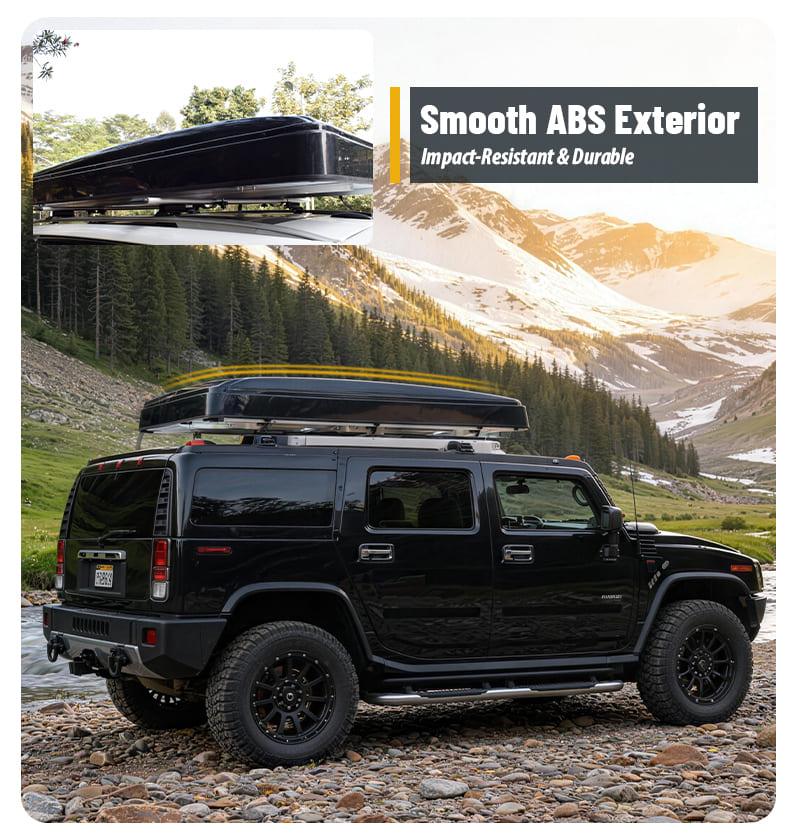
Rack requirements
- Vehicle-specific fitment
- Weight rating that exceeds tent weight
- Secure crossbar spacing
Rack types commonly used
- Steel or aluminum platform racks
- Heavy-duty crossbar systems
Using factory bars alone is often insufficient.
Are rooftop tents universal?
Rooftop tents are not fully universal, but most are designed to fit a wide range of vehicles and rack systems. The tent itself usually mounts universally, while compatibility is determined by the rack and vehicle setup.
What “universal” usually means
- Standard mounting rails or channels
- Adjustable clamping systems
- Compatibility with most aftermarket racks
Vehicle limitations matter more than tent brand in most cases.
How fast can you drive with a rooftop tent?
You can safely drive at highway speeds with a rooftop tent installed, typically up to 65–75 mph depending on vehicle and tent design. Aerodynamics, wind conditions, and rack quality play a major role in stability at speed.
Factors affecting safe speed
- Tent height and profile
- Vehicle handling and suspension
- Crosswinds and weather
Best practices
- Drive conservatively in high winds
- Avoid sudden lane changes
- Periodically check mounting bolts
Lower speeds improve fuel economy and safety.
Can you go through a car wash with a rooftop tent?
Most rooftop tents should not go through automatic car washes, especially brush-style systems. High-pressure water, rotating brushes, and clearance limits can damage the tent or mounting hardware.
Car wash guidelines
- Avoid automatic and touchless washes
- Use hand washing instead
- Remove the tent for frequent washing
Height restrictions alone prevent many rooftop tent vehicles from entering car washes.
Are rooftop tents hard to put on and take off?
Rooftop tents are not difficult to install, but removal usually requires two people and 20–40 minutes. Weight and roof height make solo handling challenging, especially with hard-shell models.
Installation difficulty factors
- Tent weight
- Vehicle height
- Rack type
Typical process
- Lift tent onto rack
- Align mounting rails
- Tighten hardware evenly
Many users leave tents mounted seasonally.
Can you leave bedding in a rooftop tent?
Yes, most rooftop tents are designed to store bedding inside when closed. Mattresses, sleeping bags, and pillows typically fit without affecting closure or tent structure.
Bedding storage tips
- Use compressible sleeping bags
- Avoid overstuffing
- Dry bedding before storage
Leaving bedding inside is one of the biggest convenience advantages of rooftop tents.
Conclusion
Rooftop tents fit most vehicles, handle highway speeds, and integrate well into daily driving when installed correctly. While they require a proper roof rack and some lifestyle adjustments—like avoiding car washes—they offer unmatched convenience and flexibility for travel-focused drivers. Compatibility comes down to preparation, not guesswork.
About Us: Designing Roooftop Tents That Fit Real Vehicles
Fit, usability, and daily practicality start at the design level—not after installation.
Everlead Outdoor specializes in OEM/ODM rooftop tent manufacturing with a focus on vehicle compatibility, aerodynamic performance, and user-friendly mounting systems. Our tents are engineered to work with common rack standards, store bedding efficiently, and remain stable at highway speeds.
With ISO 9001–certified production, in-house R&D, and 100% full-unit quality inspection, Everlead Outdoor helps brands deliver rooftop tents that don’t just fit vehicles—but fit real driving lifestyles.