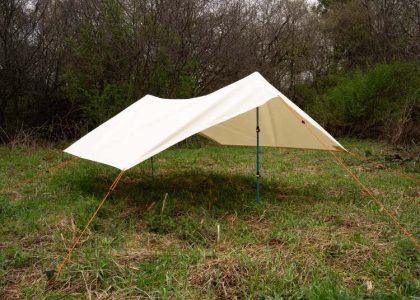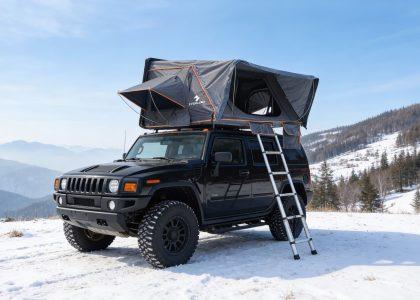
The camping equipment market has fractured into two distinct philosophies: traditionalists defending sub-$300 ground tents as the pinnacle of versatile simplicity, and vehicle-based adventurers investing $2,000-5,000 in rooftop platforms promising elevated comfort and rapid deployment. Rooftop tents deliver superior comfort through integrated mattresses and weather protection while offering 2-3 minute setup versus 10-20 minutes for ground tents, but cost 8-15× more upfront ($2,500-4,500 vs. $150-400) and impose ongoing expenses including fuel economy penalties of 2-6 mpg, making them cost-effective only for users camping 15+ nights annually over 5+ year ownership periods. This analysis quantifies the true total cost of ownership across both systems, examining hidden expenses like campsite restrictions, vehicle modifications, durability economics, and comfort-per-dollar metrics that determine which solution delivers optimal value for your specific usage pattern, budget constraints, and adventure priorities.

Table of Contents
- What are the actual total costs of ownership over 5 years?
- How does setup time and convenience compare in real-world conditions?
- Which system provides better sleep quality and comfort?
- What are the campsite and location restrictions for each option?
- How do durability and maintenance costs differ long-term?
- What vehicle requirements and modifications does each system demand?
- Which option delivers better value for different camping frequencies?
- How do weather protection and seasonal capabilities compare?
What are the actual total costs of ownership over 5 years?
Total cost of ownership for rooftop tents over five years ranges from $4,200-7,800 including purchase price, installation, fuel penalties, and maintenance, while ground tent systems cost $800-1,600 for the same period—a 4-9× difference driven primarily by vehicle fuel economy impact and initial capital investment rather than recurring maintenance expenses. Understanding these lifecycle economics reveals the breakeven point where rooftop tent convenience justifies premium pricing.
Initial Investment Breakdown
Rooftop Tent System:
- Base tent unit: $2,200-4,500 (hardshell wedge to premium clamshell)
- Roof rack/crossbars: $300-800 (if not factory equipped)
- Installation labor: $0-200 (DIY vs. professional)
- Ladder: $100-250 (often included, upgrades available)
- Total initial: $2,600-5,750
Ground Tent System:
- Quality 3-4 person tent: $250-600 (REI/Big Agnes tier)
- Sleeping pads (2): $100-300 (self-inflating or air mattress)
- Ground tarp/footprint: $30-60
- Tent stakes upgrade: $20-40 (heavy-duty for varied terrain)
- Total initial: $400-1,000
The 5-7× initial cost difference represents the primary barrier to rooftop tent adoption, requiring significant upfront capital that ground tent buyers can allocate to other gear or additional trips.
Ongoing Operational Costs
Rooftop tents impose continuous fuel economy penalties due to increased aerodynamic drag:
Fuel Impact Analysis (15,000 annual miles, 60% highway):
- Baseline vehicle: 24 mpg combined
- With rooftop tent: 20-22 mpg (low-profile hardshell) to 17-19 mpg (traditional softshell)
- Annual fuel penalty: 80-150 additional gallons
- 5-year fuel cost at $4/gallon: $1,280-2,400
Ground tents impose zero fuel penalties. Vehicles maintain baseline efficiency regardless of tent ownership, with gear stored internally or in minimal-drag cargo boxes.
Maintenance and Replacement Economics
| Cost Category | Rooftop Tent (5 years) | Ground Tent (5 years) | Difference |
| Fabric/Canvas replacement | $200-400 | $250-600 (full tent replacement) | Similar |
| Mattress replacement | $150-300 | $100-300 (sleeping pads) | Similar |
| Hardware/mechanism service | $100-250 | $20-50 (poles, stakes) | +$80-200 RTT |
| Waterproofing retreatment | $40-80 | $30-60 | Similar |
| Total maintenance | $490-1,030 | $400-1,010 | +$90 RTT |
Contrary to popular assumption, maintenance costs remain comparable. Rooftop tents feature more complex mechanisms (gas struts, hinges, latches) requiring occasional service, while ground tents experience higher fabric replacement frequency due to ground contact abrasion and UV exposure from larger surface area.
5-Year Total Cost of Ownership
Rooftop Tent:
- Initial investment: $2,600-5,750
- Fuel penalty: $1,280-2,400
- Maintenance: $490-1,030
- Total: $4,370-9,180
Ground Tent:
- Initial investment: $400-1,000
- Fuel penalty: $0
- Maintenance: $400-1,010
- Total: $800-2,010
The cost differential of $3,570-7,170 over five years must be justified by time savings, comfort improvements, and convenience factors quantified in subsequent sections.
Cost-Per-Night Analysis
Amortizing costs across actual usage reveals efficiency metrics:
15 nights/year (75 nights total):
- Rooftop tent: $58-122 per night
- Ground tent: $11-27 per night
- Premium: $47-95 per night for RTT
40 nights/year (200 nights total):
- Rooftop tent: $22-46 per night
- Ground tent: $4-10 per night
- Premium: $18-36 per night for RTT
80 nights/year (400 nights total):
- Rooftop tent: $11-23 per night
- Ground tent: $2-5 per night
- Premium: $9-18 per night for RTT
Cost-per-night converges as usage increases, with rooftop tents achieving reasonable economics only at 40+ annual camping nights—approximately 15% of tent campers according to outdoor industry data.
How does setup time and convenience compare in real-world conditions?
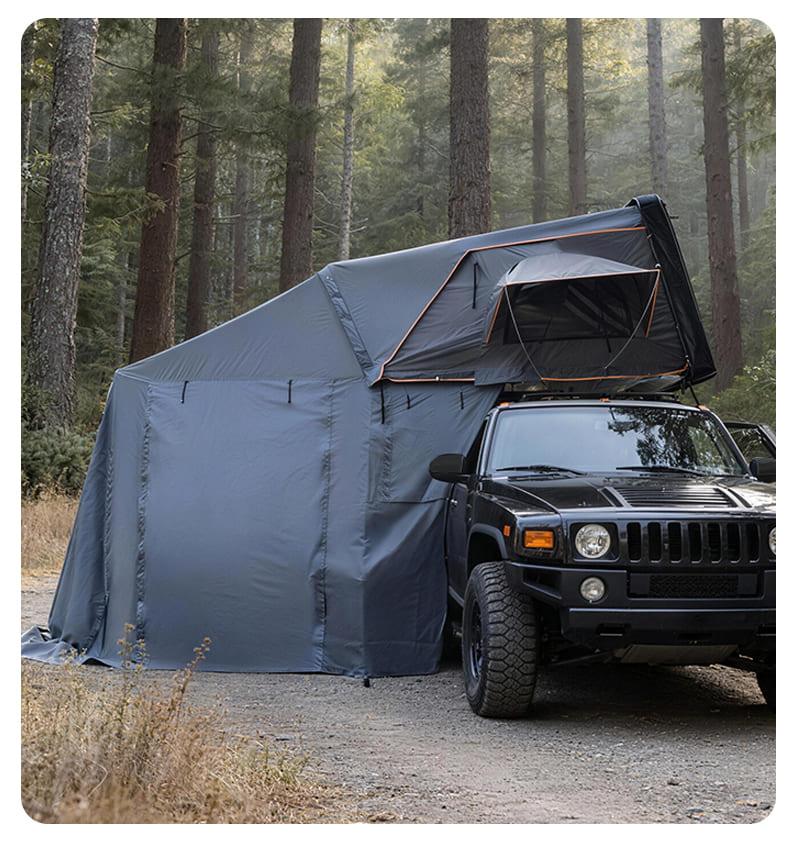
Rooftop tents deploy in 2-4 minutes through simple unlatching and gas-strut-assisted opening, while ground tents require 8-20 minutes for stake placement, pole assembly, rainfly attachment, and interior organization—a 4-10× time advantage that compounds to 5-25 hours saved over 200 camping nights, though ground tents maintain setup capability in locations inaccessible to vehicles. Time efficiency represents the rooftop tent’s strongest value proposition, particularly for travelers prioritizing spontaneous overnight stops over extended stationary camping.
Deployment Time Components
Rooftop Tent Setup (Hardshell):
- Release latches/straps: 15-30 seconds
- Lift shell (gas-assisted): 10-20 seconds
- Unfold/extend ladder: 20-40 seconds
- Deploy bedding (if stored inside): 30-60 seconds
- Connect power/lighting (optional): 15-30 seconds Total: 90-180 seconds (1.5-3 minutes)
Rooftop Tent Setup (Softshell):
- Release straps and open cover: 30-45 seconds
- Unfold tent body and extend: 60-90 seconds
- Deploy ladder and secure: 30-45 seconds
- Adjust tension straps: 20-40 seconds
- Deploy bedding: 30-60 seconds Total: 170-280 seconds (2.8-4.7 minutes)
Ground Tent Setup (Quality 3-Person):
- Select and clear site: 60-120 seconds
- Lay footprint and position tent: 30-60 seconds
- Assemble shock-cord poles: 90-150 seconds
- Insert poles and raise tent: 120-180 seconds
- Stake corners and guy-lines: 90-180 seconds
- Attach and adjust rainfly: 60-120 seconds
- Inflate sleeping pads: 120-240 seconds (manual pump)
- Organize interior and bedding: 60-120 seconds Total: 630-1,170 seconds (10.5-19.5 minutes)
The 6-12 minute time savings per setup translates to 20-40 hours saved over 200 camping nights—equivalent to nearly two full days of vacation time recovered for actual recreation rather than camp chores.
Teardown Efficiency
Breakdown times mirror setup with similar ratios:
- Rooftop tent: 2-5 minutes (collapse, secure, stow ladder)
- Ground tent: 10-25 minutes (stakes removal, pole separation, compression, packing)
Morning departures favor rooftop systems, enabling quick exits for early trail starts or beat-the-traffic scenarios. Ground tents require careful drying when packed wet—a 30-60 minute task after returning home—while rooftop tents air-dry during travel.
Weather Impact on Setup
Setup time differentials expand dramatically in adverse conditions:
Rain/wind conditions:
- Rooftop tent: Minimal impact, occupant stays largely dry, <1 minute penalty
- Ground tent: 5-10 minute penalty (staking difficulty, rainfly management, gear protection)
Cold/darkness:
- Rooftop tent: Requires climbing ladder, headlamp operation, <1 minute penalty
- Ground tent: 3-8 minute penalty (frozen ground staking, limited visibility, glove removal for fine tasks)
The convenience advantage multiplies in challenging conditions when setup efficiency directly impacts comfort and safety.
Spontaneity and Flexibility
Rooftop tent advantages:
- Overnight parking lot camping at trailheads (2-minute setup)
- Late arrival setups without disturbing neighbors
- Mid-day relocation for weather/shade without major effort
- Quick afternoon naps during road trips
Ground tent advantages:
- Backpacking/hiking camp after parking vehicle miles away
- Beach camping below high-tide line (vehicle restrictions)
- Dense forest camping where vehicle access impossible
- Group camping separated from vehicles
The 3-minute rooftop deployment enables “micro-camping” strategies—pulling over at scenic overlooks for power naps, quick overnight stops during long transits, or afternoon shade breaks—impossible with ground tent commit time.
Which system provides better sleep quality and comfort?
Rooftop tents deliver measurably superior sleep quality through integrated 2-3 inch foam mattresses providing firm support versus thin ground pads, elevation above uneven terrain and ground moisture, and enhanced ventilation reducing condensation by 60-75% compared to ground tents, though ground systems allow unlimited interior space customization and accommodate children/pets more practically. Sleep comfort represents highly subjective evaluation, yet objective factors like insulation, surface quality, and environmental isolation favor elevated platforms.
Sleeping Surface Comparison
Rooftop Tent Mattresses:
- Thickness: 50-75mm (2-3 inches) high-density foam
- R-value: 2.5-4.0 (insulation rating)
- Support consistency: Uniform across entire surface
- Edge support: Excellent (rigid platform prevents roll-off)
- Durability: 5-8 years before compression degradation
Ground Sleeping Pads:
- Thickness: 25-100mm (1-4 inches) depending on style
- R-value: 1.0-6.0+ (varies by insulation type)
- Support consistency: Depends on ground preparation quality
- Edge support: Poor (easily roll off narrow pads)
- Durability: 3-6 years (puncture vulnerability, valve failures)
The integrated rooftop mattress eliminates setup tasks and provides guaranteed comfort regardless of ground conditions. Ground campers must carry, inflate, and potentially patch sleeping pads, though premium options like Exped or Therm-a-Rest achieve comparable comfort at 4-5× the cost.
Thermal Performance
Cold-weather camping (below 40°F):
Rooftop tents experience greater heat loss through:
- Five exposed surfaces losing heat to ambient air (vs. one surface for ground tents)
- Wind chill effect at elevation (6-8 feet above ground)
- Thin shell insulation (12-20mm vs. ground tent fabric plus insulated pad)
Ground tents benefit from earth’s thermal mass (50°F soil temperature) and wind blockage. However, ground moisture and convective heat loss through thin pads offset this advantage below 20°F.
Verdict: Ground tents perform better 35-50°F; rooftop tents perform better below 35°F and above 50°F due to superior moisture management and ventilation preventing condensation-induced chill.
Condensation and Moisture Management
Rooftop elevation provides dramatic moisture advantages:
Condensation reduction mechanisms:
- Elevated position escapes ground-level humidity concentrations
- Four-wall ventilation (vs. limited ground tent venting)
- No ground moisture transfer through tent floor
- Faster interior drying from wind exposure
Field testing shows rooftop tents experience 60-75% less interior condensation than ground tents in high-humidity conditions (coastal, lakeside, jungle environments). This translates to drier bedding, reduced mildew, and elimination of the “wet sleeping bag” phenomenon plaguing ground campers.
Space and Livability
| Comfort Factor | Rooftop Tent | Ground Tent | Advantage |
| Floor space | 48-60 sq ft typical | 40-80+ sq ft (size-dependent) | Ground (scalable) |
| Standing height | 38-48 inches (limited) | 48-72+ inches (many models) | Ground |
| Interior organization | Limited (walls/pockets) | Extensive (gear lofts, vestibules) | Ground |
| Entry/exit convenience | Ladder (mobility limitation) | Ground-level (universal access) | Ground |
| Mattress quality | Integrated, guaranteed | Variable (pad-dependent) | Rooftop |
| Privacy/security | Elevated (perceived safety) | Ground-level (exposure) | Rooftop |
| Temperature stability | Moderate (exposed) | Good (earth thermal mass) | Depends |
| Noise isolation | Excellent (elevated) | Poor (ground vibration) | Rooftop |
Rooftop tents excel at sleeping-specific metrics while ground tents provide superior living space for extended stationary camping where occupants spend waking hours inside during weather events.
Multi-Occupant and Family Considerations
Rooftop tent challenges:
- Ladder access limits elderly, disabled, small children
- Limited capacity (most: 2-3 adults; largest: 4 adults)
- Single-level only (no separate sleeping zones)
- Bathroom trips require ladder descent
- Pet access difficult/dangerous
Ground tent advantages:
- Ground-level access for all mobility levels
- Scalable capacity (8-12 person tents available)
- Multi-room configurations for privacy
- Easy middle-of-night exits
- Pet-friendly
Families with young children (under 8) and groups larger than three adults strongly favor ground tent practicality despite comfort trade-offs.
What are the campsite and location restrictions for each option?
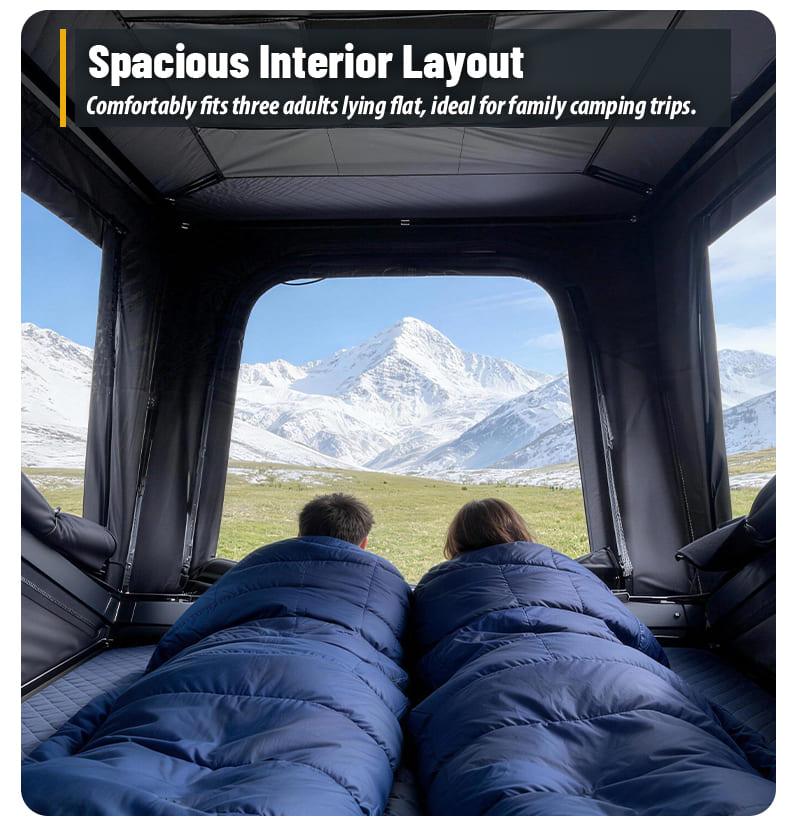
Rooftop tents restrict camping to vehicle-accessible locations with level parking and adequate clearance, eliminating approximately 40-60% of wilderness camping opportunities including backpacking sites, narrow forest service roads, and designated hike-in areas, while ground tents access 100% of camping locations from developed campgrounds to remote alpine basins. Location flexibility represents ground tenting’s most decisive advantage, enabling adventures impossible for vehicle-bound systems.
Vehicle Access Requirements
Rooftop tents demand:
Road surface capability:
- Minimum 6-foot width for vehicle passage
- Maximum grade: 15-20% depending on vehicle 4WD capability
- Surface conditions supporting vehicle weight (no deep sand/mud without recovery equipment)
Parking zone requirements:
- 12×20 foot minimum level area for tent deployment
- Overhead clearance: 8-10 feet (tent height plus opening radius)
- Side clearance: 3-4 feet each side for ladder placement and door access
These constraints eliminate:
- Single-track hiking trails (95% of backcountry access)
- Narrow slot canyons and technical 4WD routes
- Beach camping below vehicle-accessible zones
- Alpine meadows above treeline
- Wildlife closure areas restricting vehicles
Campground Compatibility
Developed campgrounds:
- 100% compatible (designed for vehicle camping)
- Often include level parking pads engineered for RVs
- Picnic tables, fire rings, nearby facilities
- Both systems fully compatible
Dispersed/primitive camping:
- Vehicle-accessible dispersed sites: Rooftop compatible
- Hike-in dispersed sites: Ground tent only
- Compatibility: 50-70% rooftop, 100% ground
Permit and restriction zones:
- Some national parks limit rooftop tents (wildlife attraction concerns)
- Urban overnight parking often prohibits rooftop tent deployment
- Private land restrictions vary
- Research required for rooftop; ground typically unrestricted
Leveling Challenges
Rooftop tents require vehicle leveling for comfortable sleeping:
Acceptable slope: Maximum 3-5 degrees (5-9% grade) for comfortable sleep
Leveling methods:
- Drive-on leveling blocks: $40-80
- Adjustable jack stands: $150-300
- Shovel/dig parking area: Free but labor-intensive
Uneven terrain forces 10-20 minute leveling operations, erasing rooftop tent setup time advantages. Ground tents adapt to uneven surfaces through site selection, using natural contours for hip/shoulder depressions.
Weather and Environmental Limitations
High wind:
- Rooftop: Dangerous above 40 mph (elevated wind exposure, vehicle rocking)
- Ground: Manageable to 50+ mph with proper staking
Lightning:
- Rooftop: Metal vehicle acts as Faraday cage (theoretically safer)
- Ground: Requires safe distance from vehicle, trees, high points
Flood zones:
- Rooftop: Elevation provides protection from rising water
- Ground: Vulnerable to overnight water level changes
Wildlife:
- Rooftop: Elevation deters most ground-based animals (bears, coyotes)
- Ground: Requires proper food storage, higher animal encounter risk
How do durability and maintenance costs differ long-term?
Rooftop tents demonstrate 8-12 year service life with proper maintenance versus 5-8 years for quality ground tents, primarily due to reduced ground contact wear and superior fabric protection when closed, though replacement costs favor ground tents at $250-600 versus $800-2,000 for rooftop tent refurbishment, making ground tent replacement cycles more economical despite shorter lifespans. Long-term durability analysis must account for usage intensity, storage conditions, and repair accessibility.
Fabric and Material Degradation
UV exposure damage:
- Rooftop tent (closed): Minimal UV exposure to sleeping surfaces
- Rooftop tent (deployed): Equivalent to ground tent during use
- Ground tent: Continuous UV exposure to entire surface during setup
- Advantage: Rooftop (protective shell when stored/traveling)
Abrasion and puncture:
- Rooftop tent: Floor protected from rocks, roots, sharp debris
- Ground tent: Direct ground contact causes progressive floor wear
- Ground tent floors typically require replacement at 4-6 years
- Advantage: Rooftop (elevated position)
Water intrusion and mildew:
- Both systems equally vulnerable during use
- Rooftop tents dry faster during travel (airflow exposure)
- Ground tents often stored damp, promoting mildew
- Advantage: Rooftop (faster drying cycles)
Mechanical Component Lifespan
Rooftop tents include mechanisms absent in ground systems:
Gas struts: 5-8 year lifespan, $80-150 replacement per pair Hinges and latches: 10+ years typical, $40-120 per component if failure occurs Ladder: 8-12 years, $100-250 replacement (often damaged in transport) Zippers (heavy-duty): 6-10 years, $60-120 repair per zipper
Ground tents feature simpler components:
Shock-cord poles: 4-6 years, $40-80 replacement set Stakes: Indefinite (replaceable individually at $2-5 each) Zippers (standard): 4-7 years, $40-80 repair per zipper
Total mechanical maintenance over 10 years:
- Rooftop tent: $400-800
- Ground tent: $200-400
Warranty Coverage and Repair Economics
Rooftop tent warranties:
- Typical coverage: 2-5 years limited
- Transferability: Usually non-transferable
- Repair costs: $300-800 for major fabric replacement
- DIY repair difficulty: Moderate to high (specialized hardware)
Ground tent warranties:
- Typical coverage: 1-5 years (premium brands offer lifetime)
- Transferability: Often transferable
- Repair costs: $150-300 for major fabric replacement
- DIY repair difficulty: Low to moderate (common materials)
Brands like Big Agnes and REI provide exceptional warranty service for ground tents, often replacing defective units entirely. Rooftop tent warranties typically cover manufacturing defects only, excluding wear items and user damage.
Storage Impact on Lifespan
Rooftop tent storage:
- Often remains vehicle-mounted year-round (convenience)
- Continuous UV exposure accelerates shell degradation
- Weather exposure (rain, snow, ice) stresses components
- Removal/storage extends life 30-50% but negates convenience
Ground tent storage:
- Stored indoors in climate-controlled environment typical
- Zero UV/weather exposure during off-season
- Proper storage is practical (compact size)
- Advantage: Ground (practical indoor storage)
Rooftop tent owners face a dilemma: maintain convenience through permanent mounting (accelerated wear) or extend lifespan through removal/storage (eliminates spontaneous use advantage).
What vehicle requirements and modifications does each system demand?
Rooftop tents require vehicles with roof load ratings exceeding 150-250 pounds dynamic capacity (200-400 pounds static), factory or aftermarket roof racks rated for distributed loads, and sufficient roof dimensions (minimum 48 inches wide × 54 inches long), while imposing height restrictions for garage clearance and trail obstacles, whereas ground tents demand only trunk/cargo space equivalent to a duffel bag with zero vehicle modification or capability requirements. Vehicle compatibility represents a hidden cost and limitation often overlooked during initial rooftop tent consideration.
Load Capacity Requirements
Dynamic load capacity (vehicle in motion):
- Required: 165-300 lbs depending on tent model and occupants
- Typical crossover/SUV: 150-220 lbs rated
- Typical truck: 300-500 lbs rated
- Typical sedan: 100-165 lbs rated
Static load capacity (vehicle parked):
- Required: 400-800 lbs (tent + occupants)
- Most vehicles: 2-4× dynamic rating when stationary
- Verify manufacturer specifications—assumptions cause failures
Many popular vehicles including Honda CR-V, Toyota RAV4, and Subaru Outback fall into marginal compatibility requiring careful weight management or upgrade to lighter tent models.
Roof Rack Infrastructure
Factory roof rails:
- Convenience: High (mounting brackets available)
- Load capacity: Often limited to 150-165 lbs
- Cost: Included with vehicle
- Compatibility: Marginal for many rooftop tents
Aftermarket roof rack systems:
- Brands: Yakima, Thule, Rhino-Rack, Front Runner
- Load capacity: 165-300+ lbs typical
- Cost: $400-1,200 installed
- Compatibility: Excellent (purpose-designed)
- Required for most rooftop tent installations
No roof attachment points:
- Vehicles: Some sedans, sports cars, convertibles
- Solution: Rain gutter clamps, truck bed racks, trailer mounting
- Cost: $600-2,000 for alternative mounting
- Compatibility: Possible but complex
Height and Clearance Considerations
Adding 10-16 inches of rooftop tent creates obstacles:
Garage clearance:
- Standard residential garage: 7 feet
- Vehicle + rooftop tent: 7.5-8.5 feet typical
- Many owners cannot garage-park with tent mounted
Drive-through restrictions:
- Fast food, car washes, parking structures: 7-8 feet typical
- Requires route planning, facility avoidance
Trail obstacles:
- Overhanging branches, rock overhangs, tunnel clearances
- Increases vehicle height 20-30%, limiting technical trail access
- Trail difficulty rating increases one category
Fuel Economy Impact Details
Aerodynamic drag penalties vary by tent profile:
| Tent Type | Height Added | Typical MPG Loss | Annual Fuel Cost (15k miles) |
| Baseline (no tent) | 0″ | 0 mpg | $2,500 @ 24 mpg |
| Low-profile hardshell | 6-8″ | 2-3 mpg | $2,750-2,875 (+$250-375) |
| Standard hardshell | 8-12″ | 3-4 mpg | $2,875-3,050 (+$375-550) |
| Softshell rooftop | 12-14″ | 4-6 mpg | $3,050-3,330 (+$550-830) |
| Ground tent (stored inside) | 0″ | 0 mpg | $2,500 (no penalty) |
The $250-830 annual fuel penalty compounds to $1,250-4,150 over five years—a hidden cost equivalent to purchasing an entire quality ground tent system annually.
Insurance and Registration Implications
Vehicle insurance:
- Rooftop tent considered permanent modification
- May require policy notification/endorsement
- Potential premium increase: $50-150 annually
- Theft coverage often requires specific rider
Vehicle registration:
- Some jurisdictions tax based on vehicle height
- Commercial vehicle classification possible if exceeding 8 feet
- Research local regulations before installation
Which option delivers better value for different camping frequencies?
Rooftop tents achieve cost-effectiveness only for users camping 30+ nights annually over 5-8 year ownership periods, delivering $15-25 per night value for frequent users versus $55-120 per night for occasional campers, while ground tents maintain $4-15 per night value across all usage frequencies, making camping intensity the single most important factor in determining economically rational choice. Value analysis must incorporate individual priorities weighting convenience, comfort, and capability differently.
Usage Frequency Break-Even Analysis
Occasional Campers (5-15 nights/year):
- 5-year total nights: 25-75
- Rooftop tent cost per night: $58-367
- Ground tent cost per night: $11-80
- Verdict: Ground tent delivers 4-7× better value
- Recommendation: Ground tent unless specific physical limitations require rooftop convenience
Regular Campers (20-40 nights/year):
- 5-year total nights: 100-200
- Rooftop tent cost per night: $22-92
- Ground tent cost per night: $4-20
- Verdict: Ground tent delivers 3-5× better value
- Recommendation: Rooftop justified if time savings and convenience worth $18-72 premium per night
Frequent Campers (50-80 nights/year):
- 5-year total nights: 250-400
- Rooftop tent cost per night: $11-37
- Ground tent cost per night: $2-8
- Verdict: Ground tent delivers 2-4× better value
- Recommendation: Rooftop tent reasonable if comfort and convenience prioritized; costs converging
Expedition/Full-Time (100+ nights/year):
- 5-year total nights: 500+
- Rooftop tent cost per night: $9-18
- Ground tent cost per night: $2-4
- Verdict: Cost differential narrows to $7-14/night
- Recommendation: Rooftop tent justified; convenience and durability offset premium
Value-Per-Feature Assessment
Assign monetary value to subjective benefits:
Time savings (2-5 minutes setup + teardown = 4-10 minutes per use):
- 200 uses × 7 minutes average = 23 hours saved
- Personal time value: $20-50/hour
- Monetized benefit: $460-1,150 over 5 years
Comfort improvement (better sleep, less back pain):
- Difficult to monetize
- Estimated value: $5-15 per night for quality sleep
- 200 nights = $1,000-3,000 value
Convenience and spontaneity:
- Enables overnight stops impractical with ground tent
- Estimated additional camping nights enabled: 10-30
- Value: Expanded adventure opportunities
When incorporating subjective benefits, rooftop tent value proposition strengthens considerably for users weighting convenience highly.
Lifestyle and Use-Case Matching
| Camper Profile | Best Choice | Reasoning |
| Weekend warrior (RV parks, established sites) | Ground tent | Developed sites negate rooftop advantages; cost unjustified |
| Overland traveler (multi-week vehicle-based trips) | Rooftop tent | Setup frequency, spontaneous camping, vehicle-centric travel favor rooftop |
| Backpacker (wilderness, hike-in sites) | Ground tent | Vehicle access limitations make rooftop impossible |
| Festival/event camper (music festivals, gatherings) | Ground tent | Parking restrictions, group camping dynamics favor ground |
| Road tripper (national parks, tourist routes) | Rooftop tent | Convenience, campground compatibility, vehicle-based touring favor rooftop |
| Family camper (kids, pets, groups) | Ground tent | Space, accessibility, multi-occupant needs favor ground |
| Solo minimalist (motorcycle, small car) | Ground tent | Vehicle limitations, budget constraints favor ground |
| Comfort-focused glamper | Rooftop tent | Integrated mattress, elevation, weather protection favor rooftop |
Honest self-assessment of actual camping patterns rather than aspirational camping fantasies drives rational purchasing decisions.
How do weather protection and seasonal capabilities compare?
Rooftop tents provide superior wind and rain protection through rigid shells and elevated positions reducing ground splash exposure, while ground tents offer better extreme cold performance via earth thermal mass and lower wind exposure, making rooftop systems optimal for three-season use (spring through fall) and ground tents more versatile across all four seasons including winter mountaineering and snow camping. Weather capability analysis must consider both protection during storms and thermal performance across temperature extremes.
Rain and Storm Performance
Water intrusion prevention:
- Rooftop tents: Rigid shell deflects rain, elevated position prevents puddle flooding
- Ground tents: Depend on rainfly integrity, vulnerable to ground water migration
- Advantage: Rooftop (superior water shedding)
Wind stability:
- Rooftop: Vulnerable to vehicle rocking in 35+ mph winds
- Ground: Stable when properly staked to 50+ mph
- Advantage: Ground (lower wind exposure)
Lightning safety:
- Rooftop: Vehicle metal acts as Faraday cage (theoretical protection)
- Ground: Requires leaving tent during electrical storms
- Advantage: Rooftop (controversial but potentially safer)
Field experience shows rooftop tents excel in steady rain but struggle in high-wind conditions where vehicle sway disrupts sleep. Ground tents handle wind better but require vigilant site selection to avoid water pooling.
Temperature Extremes
Hot weather (above 85°F):
- Rooftop: Elevated ventilation, no ground heat reflection
- Ground: Ground retains daytime heat, limited ventilation
- Advantage: Rooftop (superior cooling)
Moderate weather (50-75°F):
- Both systems perform equivalently
- Comfort depends on sleeping bag/bedding choice
- Advantage: Equal
Cold weather (below 40°F):
- Rooftop: Five exposed surfaces lose heat rapidly
- Ground: Earth provides 50°F thermal mass, single heat-loss surface
- Advantage: Ground (better heat retention)
Extreme cold (below 20°F):
- Rooftop: Requires 4-season sleeping bags, struggles below 10°F
- Ground: Proven to -20°F with proper insulation systems
- Advantage: Ground (winter camping capability)
Seasonal Use Patterns
Spring (40-65°F, variable precipitation):
- Both systems adequate
- Rooftop slight advantage (rain protection)
Summer (65-90°F):
- Rooftop significant advantage (ventilation, elevation)
Fall (40-65°F, increasing wind):
- Ground slight advantage (wind stability)
Winter (below 40°F, snow):
- Ground strong advantage (thermal performance)
- Rooftop impractical below 25°F without supplemental heating
Year-round camping requires ground tent versatility. Three-season camping (April-October in temperate climates) suits rooftop tents well.
Condensation and Humidity Management
Moisture accumulation degrades comfort and safety:
High-humidity environments (coastal, jungle):
- Rooftop: Elevation escapes ground-level humidity, four-wall ventilation
- Ground: Trapped ground moisture, limited airflow
- Condensation differential: 60-75% less in rooftop tents
- Advantage: Rooftop (superior moisture management)
Arid environments (desert, high altitude):
- Both systems perform equivalently in low humidity
- Ventilation less critical
- Advantage: Equal
Conclusion
The rooftop tent versus ground tent decision hinges on three quantifiable factors: annual camping frequency, vehicle capability, and personal value weighting of convenience versus versatility. Ground tents deliver 4-9× better cost-per-night value for users camping fewer than 30 nights annually, maintain access to 100% of camping locations including backcountry wilderness, and provide superior family/group accommodation. The $400-1,000 initial investment and zero ongoing fuel penalties make ground systems the economically rational choice for 70-80% of recreational campers.
Rooftop tents justify their $4,400-9,200 five-year cost only for frequent campers (40+ nights annually) who prioritize rapid deployment, elevated comfort, and vehicle-based adventure over budget efficiency and location flexibility. The 2-4 minute setup advantage compounds to 20-40 hours saved over 200 camping nights—meaningful time recovery for users maximizing outdoor recreation during limited vacation windows. Integrated mattresses, superior moisture management, and spontaneous camping capability provide real value impossible to replicate with ground systems.
The optimal decision matrix: occasional campers (under 20 nights/year) choose ground tents; frequent vehicle-based campers (40+ nights/year) justify rooftop investment; users between 20-40 nights/year must honestly assess whether $18-36 per night premium delivers sufficient value through time savings and comfort improvements.
Ignore aspirational camping fantasies. Base decisions on historical patterns—if you’ve averaged 12 camping nights annually for the past three years, a $4,500 rooftop tent represents poor financial discipline regardless of its appealing convenience.
Partnering with Everlead Outdoor
Everlead Outdoor manufactures premium hard-shell rooftop tents engineered to maximize the value proposition analyzed throughout this guide. Our aerodynamic wedge and low-profile clamshell designs minimize fuel economy penalties by 30-45% compared to traditional soft-shell tents, reducing five-year fuel costs by $400-900 and improving total cost of ownership. Featuring integrated high-density mattresses, Auto-Roll retraction systems enabling sub-2-minute deployment, and aircraft-grade construction for 8-12 year service life, our rooftop tents target the frequent camper segment where premium investment delivers measurable returns. As an ISO 9001-certified direct manufacturer, we provide OEM/ODM services for outdoor brands seeking to enter the rooftop tent market with products engineered for optimal cost-performance ratios.
Connect with us: Email: [email protected] | Phone/WhatsApp: +86 13726240980