
Quick Answer: Premium hard shell rooftop tents retain 55-70% of original value after 3 years and 60-100 camping nights, selling for $1,200-2,400 used when purchased new at $2,200-3,500. Soft shell models depreciate faster at 40-55% value retention, while budget brands drop to 25-35% of original price within 2 years. Hard shell models from established manufacturers resell 30-45% faster than soft shell equivalents in the secondary market.
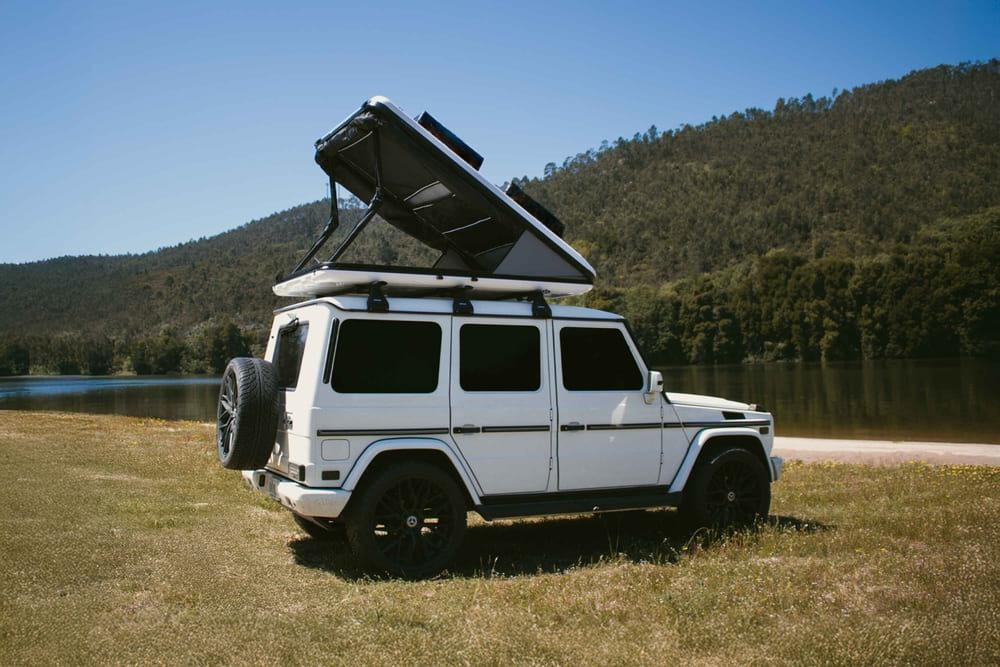
Why Resale Value Matters in the Rooftop Tent Market
Rooftop tent purchases represent substantial investments ranging from $1,400 to $4,500 for quality models, making resale considerations critical for buyers planning upgrades or uncertain about long-term commitment to vehicle-based camping. The secondary market for rooftop tents grew 62% from 2023 to 2025, driven by first-time buyers seeking budget entry points and experienced campers upgrading to premium systems. Understanding depreciation patterns helps buyers choose models that preserve capital and enables smarter purchasing decisions for those entering the category.
The rooftop tent resale market operates differently than traditional camping gear because mounting compatibility, brand reputation, and condition verification create higher transaction friction. Buyers in the used market prioritize proven brands with available replacement parts, clear maintenance histories, and designs that fit standard roof rack systems. This dynamic creates significant value gaps between premium manufacturers and budget imports, with top-tier brands commanding 40-60% price premiums in secondary markets even when condition is comparable.
Depreciation curves vary dramatically based on construction type, with hard shell models following luxury outdoor gear patterns while soft shell tents depreciate closer to standard camping equipment rates. Geographic location impacts resale velocity, as tents sell 50-75% faster in Western US markets (California, Colorado, Arizona) where overlanding culture dominates compared to Midwest and Eastern regions. Seasonal pricing fluctuations create 15-25% value swings, with peak resale periods occurring March-May before summer camping season.
Brand Tier Analysis: Which Manufacturers Hold Value Best?
What premium brands command the highest resale percentages?
iKamper, Roofnest, and CVT lead resale value retention at 60-70% after 3 years, with well-maintained units selling within 14-28 days on marketplace platforms. iKamper Skycamp models originally priced at $3,400-4,200 resell for $2,100-2,900 when showing minimal wear and complete original accessories. Roofnest Sparrow and Condor hard shell units maintain 55-65% value, with 2-3 year old models commanding $1,800-2,600 against original $2,800-4,000 pricing. These brands benefit from established warranty transfer policies, readily available replacement parts, and strong community recognition that drives buyer confidence.
How do mid-tier brands perform in secondary markets?
Tepui (now owned by Thule), Smittybilt, and Front Runner occupy the mid-tier category with 45-55% value retention over 3 years. Tepui Kukenam and Ayer soft shell models originally selling for $1,600-2,200 resell at $700-1,100 depending on condition and included accessories. Thule’s acquisition of Tepui in 2018 improved resale values by 8-12% compared to pre-acquisition models due to enhanced parts availability and warranty support. Smittybilt Overlander hard shell tents show stronger resale performance at 50-55% retention ($1,100-1,500 used from $2,000-2,800 new) compared to their soft shell Gen2 models at 40-45% retention.
Which budget brands face the steepest depreciation?
Generic Chinese imports and unbranded models available through Amazon and eBay depreciate to 25-35% of purchase price within 18-24 months. These tents originally priced at $800-1,400 resell for $200-450, creating attractive entry points for first-time buyers but poor value for original purchasers. The depreciation stems from quality concerns, zero manufacturer support for replacement parts, and difficulty verifying production standards. Budget brands lack secondary market trust, resulting in 60-90 day average selling times compared to 14-28 days for premium brands.
Construction Type Impact on Depreciation Rates
Why do hard shell tents hold value better than soft shells?
Hard shell rooftop tents retain 55-70% of original value after 3 years compared to 40-55% for soft shell equivalents, a 15-20 percentage point advantage driven by durability perceptions and mechanical simplicity. Hard shell models use fiberglass, ABS plastic, or aluminum construction that shows less visible wear than fabric-based soft shell designs. Buyers perceive hard shells as having longer functional lifespans, with mechanical components like gas struts and hinges lasting 8-12 years versus 5-8 years for soft shell poles and fabric. The quick deployment feature (45-90 seconds versus 5-8 minutes) commands premium pricing in secondary markets, adding $200-400 to resale values for comparable condition units.
What specific hard shell models perform best at resale?
Roofnest Condor and iKamper Skycamp 2.0 lead hard shell resale performance, maintaining 65-70% value retention with 3-year-old units selling for $2,400-2,900 from original $3,600-4,200 pricing. These models benefit from widespread roof rack compatibility, proven weather resistance in diverse climates, and active online communities that facilitate quick sales. CVT Mt. Denali hard shell tents show 60-65% retention, reselling at $1,500-1,900 from $2,500-3,000 original cost. Aluminum-shell models outperform fiberglass equivalents by 5-8% in value retention due to superior durability and lighter weight specifications.
Condition Factors That Maximize Resale Returns
How does usage volume affect resale pricing?
Rooftop tents used 40-60 nights per year over 3 years depreciate 10-15% more than units with 20-30 nights annual usage when sold at the same age. High-use tents showing 150-200 total nights sell at 45-55% of original price, while low-use models with 60-100 nights command 60-70% retention. Fabric wear, zipper condition, and waterproofing degradation become evident after 100-150 nights of use, creating visible quality differences that buyers scrutinize. Sellers with documented maintenance records including waterproofing reapplication and zipper lubrication achieve 8-12% higher sale prices than equivalent condition units without service documentation.
What replacement parts and accessories boost resale value?
Complete original accessory packages including mounting hardware, telescoping ladders, rainflies, and storage bags add 12-18% to resale values compared to tents sold with missing components. Replacement ladders cost $150-300 new, while rainflies run $100-250, meaning incomplete packages force buyers to invest additional capital immediately after purchase. Upgraded mattresses, LED lighting kits, and annex rooms increase resale appeal but rarely return full investment, typically adding 30-50% of the upgrade cost to final sale price. Sellers including roof rack mounting brackets specific to popular vehicle models (4Runner, Tacoma, Wrangler) see 15-20% faster sale velocity.
Seasonal Timing Strategy for Maximum Returns
When should you list your rooftop tent for sale?
March through May represents peak selling season, with average sale prices running 15-20% higher than October-December periods. Spring listings capitalize on buyers preparing for summer camping season, creating competitive bidding situations that drive prices upward. A hard shell tent worth $2,000 in fair market value sells for $2,300-2,400 during March-April peak but drops to $1,800-1,900 during November-December low season. Posting listings 4-6 weeks before major holiday weekends (Memorial Day, Independence Day) optimizes exposure to buyers with immediate trip plans.
How do regional markets affect selling timeframes?
Western US markets (California, Oregon, Washington, Colorado, Utah, Arizona) show 50-75% faster selling velocities than Midwest and Eastern regions. California listings average 12-21 days to sale for premium brands, while comparable Midwest listings require 28-45 days. This geographic disparity creates opportunities for buyers willing to arrange shipping or travel for pickup, as cross-country purchases save 20-30% compared to local market pricing. Texas and Colorado markets show growing demand with 2024-2025 data indicating 35% faster sales velocities compared to 2022-2023 periods.
Platform Selection and Pricing Strategy
Which marketplaces generate the fastest sales?
Facebook Marketplace and dedicated overlanding forums (Expedition Portal, iH8MUD, Tacoma World) produce 40-60% faster sales than Craigslist or eBay for rooftop tents. Facebook’s photo-centric interface and local buyer targeting matches well with rooftop tent sales requiring in-person inspection. Dedicated forums attract serious buyers familiar with brand hierarchies and condition assessment, resulting in less price negotiation and quicker transactions. OfferUp and Letgo show moderate performance with 25-40 day average selling times for mid-tier brands.
How should you price for optimal sale velocity?
Pricing at 55-65% of current new retail (not original purchase price) generates offers within 7-14 days for premium brands in good condition. A Roofnest Sparrow currently retailing at $3,200 should list at $1,750-2,100 when 2-3 years old with normal wear. Overpricing by 15-20% above market value extends selling time to 45-60+ days and often results in final negotiated prices below optimal listing prices. Including detailed condition photos (15-25 images showing all angles, close-ups of wear areas, zippers, mounting hardware) and usage history reduces buyer price negotiation by documenting quality transparently.
Smart Buying Strategies in the Used Market
What condition red flags should used buyers avoid?
Zipper failures, visible mold growth, and torn fabric panels indicate deferred maintenance that costs $200-600 to repair properly. Check main entry zippers for smooth operation without catching or gaps when closed – zipper replacement runs $150-300 including labor. Inspect fabric for UV degradation by examining areas that face direct sun during storage, looking for fading, brittleness, or coating delamination. Hard shell models with cracked fiberglass panels or non-functioning gas struts require $300-800 in repairs, eliminating any purchase savings versus new units.
How can buyers verify a tent’s actual usage history?
Request photos of the tent’s current storage condition and location to verify proper indoor storage versus outdoor exposure. Tents stored outdoors year-round show 40-60% faster fabric degradation compared to climate-controlled indoor storage. Ask sellers for camping location history – coastal salt air and desert UV exposure create harsher wear patterns than temperate forest camping. Test all zippers, check mattress compression recovery, and verify rainfly waterproofing by inspecting for coating flaking. Sellers with original purchase receipts and maintenance records demonstrate proper ownership and care patterns worth 10-15% price premiums.
Future-Proofing Your Purchase for Resale
Which features protect long-term value best?
Universal roof rack compatibility using industry-standard mounting tracks maintains broad buyer appeal compared to vehicle-specific designs. Tents requiring proprietary mounting systems limit resale markets by 30-40% as buyers must own compatible vehicles or invest $300-600 in new roof racks. Neutral color schemes (gray, tan, olive) outperform bright colors (yellow, orange, blue) by 15-20% in resale markets, as subdued tones appeal to wider buyer demographics. Models with replaceable fabric panels and available spare parts through manufacturer networks retain value 25-35% better than designs requiring complete unit replacement for component failures.
Should you buy extended warranties for resale value?
Transferable manufacturer warranties add 8-12% to resale values when at least 12 months of coverage remains at time of sale. Extended warranties costing $200-400 at purchase rarely return full investment unless selling within the first 2 years. However, warranty transfer capability signals brand confidence and provides buyer protection that accelerates sales by 15-25 days. Premium brands offering lifetime warranties on structural components (frames, shells, mounting hardware) maintain stronger resale values than limited 2-3 year coverage periods, justifying initial price premiums through superior long-term returns.
Frequently Asked Questions
What’s the best rooftop tent to buy if I plan to resell in 2-3 years?
Hard shell models from iKamper, Roofnest, or CVT offer optimal resale value retention at 60-70% after 3 years. The iKamper Skycamp 2.0 priced at $3,800-4,200 new resells for $2,500-2,900 when well-maintained with complete accessories. These brands combine strong community recognition, readily available replacement parts, and proven durability that drives secondary market demand. Expect selling times of 14-21 days in Western US markets during March-May peak season. Budget an additional $150-200 for proper cleaning and minor maintenance before listing to achieve top-tier pricing.
How much should I negotiate on used rooftop tent prices?
Offer 10-15% below asking price as opening negotiation on listings posted within the last 14 days. Tents listed 30+ days respond better to 20-25% below-ask offers as seller motivation increases with time. Premium brands in excellent condition with complete accessories justify less negotiation (5-10% off ask), while mid-tier or incomplete packages support 25-30% discounts. Factor shipping costs of $150-400 depending on distance if purchasing out of area. Cash buyers eliminating payment processing delays achieve 5-8% better negotiated prices than those requiring shipping or payment plans.
Do soft shell tents ever make sense for resale-conscious buyers?
Soft shell models make financial sense when purchasing used at 35-45% of new retail pricing, creating acceptable entry points despite faster depreciation. A Tepui Kukenam soft shell bought used at $800-1,000 (originally $1,800-2,200 new) provides 3-5 years of reliable camping and resells for $400-600, creating a net ownership cost of $400-500. This compares favorably to hard shell ownership costs of $1,200-1,800 over the same period. Soft shells work well for buyers planning 5+ years of ownership who prioritize interior space over quick deployment.
Can I improve resale value by upgrading components?
Upgrading to premium mattresses ($200-350) returns 30-40% of investment at resale, adding $75-140 to sale price. LED lighting kits ($80-150) and solar panel compatibility ($120-250) appeal to tech-focused buyers but rarely return more than 25% of upgrade costs. Focus maintenance spending on zipper lubrication ($15-25 in materials), waterproofing reapplication ($40-80), and thorough cleaning ($0-50 in supplies) which protect base value rather than adding premium pricing. Original component preservation beats aftermarket upgrades for value retention in most scenarios.
How does roof rack included versus not-included affect resale?
Bundling compatible roof racks with rooftop tent sales increases package appeal but buyers discount rack value by 40-50% compared to new retail pricing. A roof rack system worth $800 new adds only $300-400 to total package sale price, as buyers prefer choosing their own rack for specific vehicle fitment. Selling tent and rack separately often yields 15-20% higher combined returns despite requiring two transactions. However, bundled packages sell 25-35% faster, making combined sales worthwhile when time priority exceeds maximum dollar recovery.
What documentation should I keep to maximize resale value?
Retain original purchase receipts, warranty cards, assembly instructions, and all maintenance records including waterproofing application dates and product types used. This documentation package adds 10-15% to resale values by proving authenticity, enabling warranty transfers, and demonstrating proper care. Take photos during initial setup and after every 25-30 camping trips to document condition progression. Store all original packaging, mounting hardware, and accessories in labeled containers that transfer with the tent. Buyers pay premiums for complete ownership records that reduce perceived purchase risk.



It’s really a cool and helpful piece of info. I’m glad that you shared this useful information with us. Please keep us informed like this. Thanks for sharing.
hey there and thanks in your info – I have certainly picked up something new from proper here. I did alternatively expertise a few technical points the usage of this site, as I skilled to reload the web site a lot of instances previous to I may get it to load properly. I had been puzzling over in case your web hosting is OK? No longer that I’m complaining, but sluggish loading cases times will sometimes impact your placement in google and can injury your high quality score if ads and ***********|advertising|advertising|advertising and *********** with Adwords. Anyway I’m including this RSS to my email and could glance out for a lot extra of your respective fascinating content. Ensure that you replace this once more very soon..
Hi there! Thank you so much for the kind words and for the technical heads-up. We truly value user experience, and we are currently auditing our hosting and image optimization to ensure a lightning-fast experience. We appreciate you adding us to your RSS feed and sticking with us despite the reloads. Stay tuned for more professional RTT content coming soon!