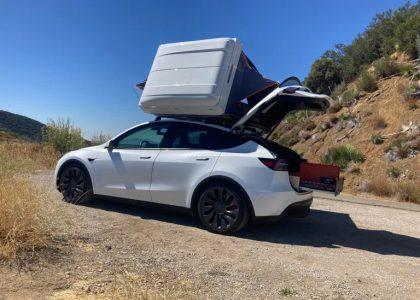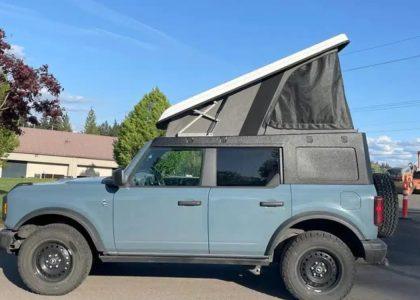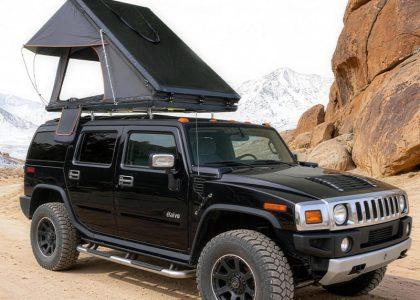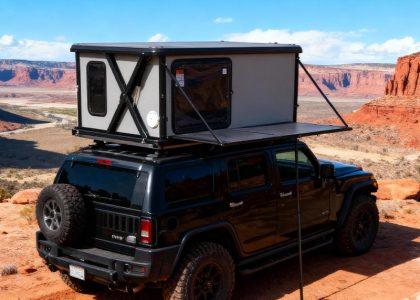
Sleeping on your car roof sounds adventurous—but is it actually comfortable night after night? Many people considering a rooftop tent wonder whether it’s warm enough, waterproof, breathable, or simply too cramped to enjoy.
The short answer is this: modern rooftop tents are generally comfortable, weather-resistant, and well-insulated when designed and used correctly.
This guide breaks down comfort, warmth, seasonal performance, waterproofing, ventilation, and long-term usability so you know exactly what to expect.
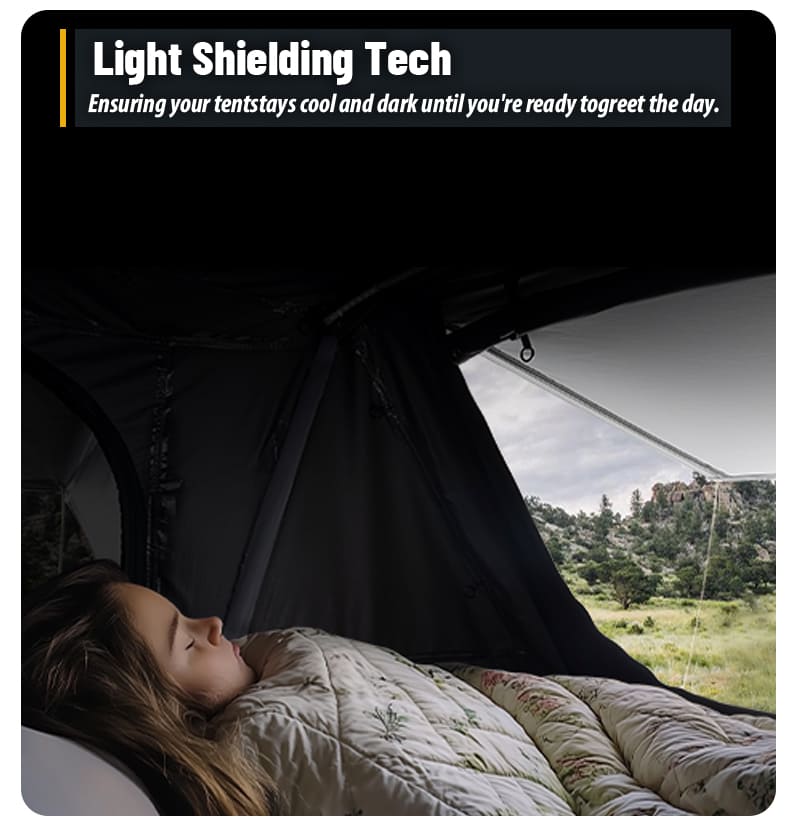
Table of Contents
- Are rooftop tents comfortable?
- Are rooftop tents warm?
- Are rooftop tents good in winter?
- Are rooftop tents hot in summer?
- Are rooftop tents waterproof?
- Are rooftop tents claustrophobic?
- Do rooftop tents get moldy?
Are rooftop tents comfortable?
Rooftop tents are comfortable for most users because they include built-in mattresses, flat sleeping platforms, and improved airflow compared to ground tents. Comfort levels often exceed traditional camping tents, especially on uneven or rocky terrain, as the elevated platform eliminates ground pressure points and moisture.
What contributes to comfort
- High-density foam or memory foam mattresses
- Rigid aluminum or composite base panels
- Stable sleeping surface regardless of ground conditions
Comfort considerations
- Mattress thickness varies by brand
- Side sleepers may prefer upgraded foam
- Ladder angle affects ease of entry
Overall, rooftop tents are designed for real sleep, not just survival camping.
Are rooftop tents warm?
Yes, rooftop tents are generally warm due to insulated fabrics, reduced ground heat loss, and enclosed designs that trap body heat. Being elevated off the cold ground helps retain warmth, making rooftop tents noticeably cozier than standard ground tents in cool conditions.
Why rooftop tents retain heat
- Multi-layer tent fabrics
- Insulated mattress base
- Smaller interior volume that heats quickly
Improving warmth
- Use insulated liners
- Add cold-weather sleeping bags
- Close vents partially in low temperatures
Warmth is one of the most commonly praised comfort benefits of rooftop tents.
Are rooftop tents good in winter?
Rooftop tents can be used in winter, but performance depends heavily on tent design, insulation, and weather conditions. Four-season or hard-shell models perform far better in snow, wind, and freezing temperatures than basic soft-shell designs.
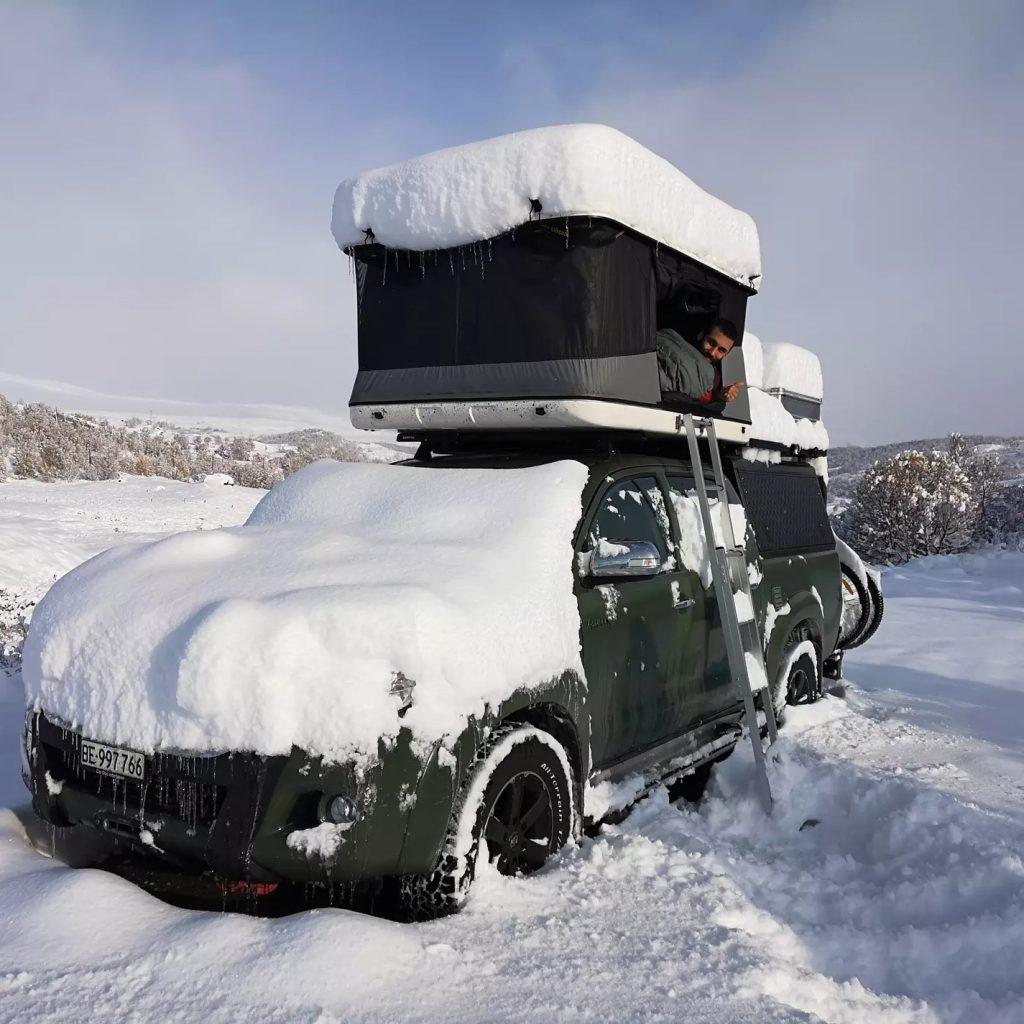
Winter performance factors
- Hard-shell tents resist wind and snow load
- Thicker fabrics reduce heat loss
- Condensation management becomes critical
When winter use works best
- Mild to moderate winter climates
- Dry cold rather than heavy snowfall
- Supplemental insulation or heaters
Rooftop tents are winter-capable, but not all models are winter-optimized.
Are rooftop tents hot in summer?
Rooftop tents can get hot in summer, but proper ventilation and fabric choice significantly reduce heat buildup. Elevated positioning actually helps airflow compared to ground tents, especially at night, when cooler air circulates more freely around the tent.
Managing summer heat
- Mesh windows on all sides
- Roof vents or skylights
- Light-colored or reflective fabrics
Additional cooling tips
- Park in shaded areas
- Orient windows toward prevailing wind
- Open rainfly vents overnight
With airflow managed properly, rooftop tents remain comfortable even in warm climates.
Are rooftop tents waterproof?
Yes, quality rooftop tents are designed to be waterproof and handle sustained rain when properly maintained. Most use coated fabrics, sealed seams, and waterproof rainflies to prevent leaks during storms.
Waterproof features
- PU or silicone-coated fabrics
- Taped or welded seams
- Integrated rainfly design
Maintenance matters
- Periodic seam inspection
- Proper drying before storage
- Reapplication of waterproof coatings if needed
A well-maintained rooftop tent remains reliably dry in heavy rain.
Are rooftop tents claustrophobic?
Rooftop tents generally feel less claustrophobic than ground tents due to large windows, higher ceiling height, and panoramic views. Many designs prioritize openness and visibility, reducing the boxed-in feeling common in smaller tents.
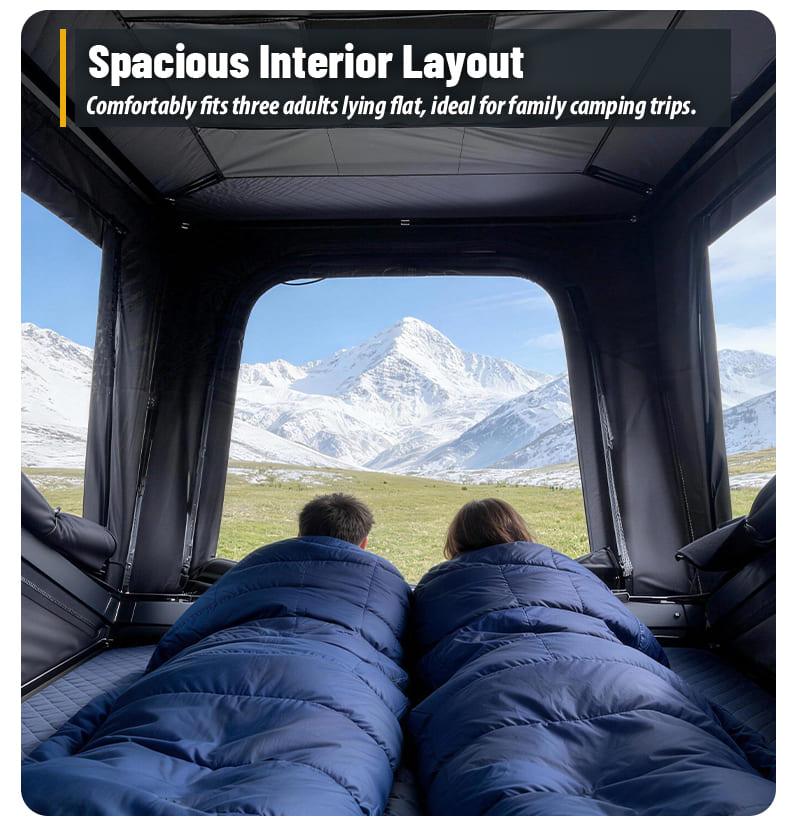
Design elements that reduce claustrophobia
- Oversized mesh windows
- Skylights or roof panels
- Wider sleeping platforms
Hard-shell pop-up tents tend to feel the most spacious, especially for taller users.
Do rooftop tents get moldy?
Rooftop tents can develop mold if stored damp, but proper drying and ventilation prevent this issue. Mold is not inherent to rooftop tents—it results from moisture being trapped during storage.
How mold forms
- Packing the tent while wet
- Long-term storage in humid environments
- Poor airflow during drying
Mold prevention tips
- Fully dry the tent before closing
- Open the tent periodically during storage
- Store in a dry, ventilated space
With basic care, mold is easily avoided.
Conclusion
Rooftop tents are comfortable, warm, waterproof, and breathable when chosen and used correctly. They outperform ground tents in sleep quality, insulation, and weather resistance, while requiring only basic care to stay dry and mold-free. For travelers who value comfort without sacrificing mobility, rooftop tents remain a reliable all-season solution.
About Us: Designing Rooftop Tents for Real Comfort
Comfort isn’t accidental—it’s engineered.
Everlead Outdoor specializes in OEM/ODM rooftop tent manufacturing with a strong focus on sleep comfort, climate performance, and long-term durability. From insulated hard-shell designs to breathable fabric systems and high-density mattresses, our rooftop tents are developed to perform across seasons and environments.
With ISO 9001–certified production, in-house R&D, and 100% full-unit quality inspection, Everlead Outdoor helps outdoor brands deliver rooftop tents that aren’t just weatherproof—but genuinely comfortable for real-world adventures.