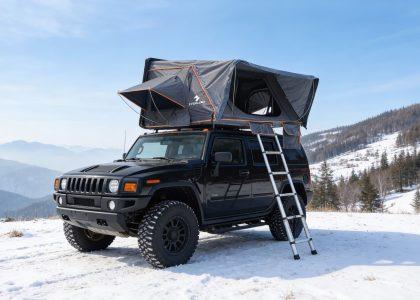
Deciding between mounting a tent on your roof or sleeping inside a capped truck bed is one of the most pivotal choices for overlanders and campers. A roof top tent (RTT) is generally better for those who prioritize sleep comfort and maximum cargo storage, while a camper shell is superior for stealth camping, aerodynamics, and security.
Choosing the wrong setup can lead to restless nights, frustrated packing, or wasted money on gear that doesn’t fit your lifestyle. This analysis will break down the debate by comparing cost, comfort, storage utility, and setup times to help you build the ultimate adventure rig.
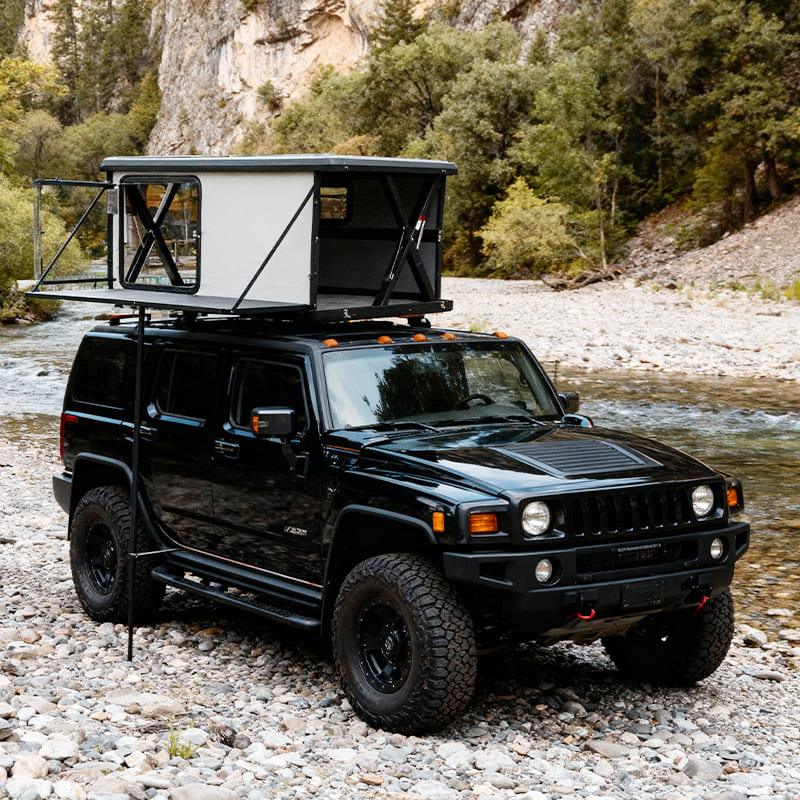
Table of Contents
- What is the main difference between a roof top tent and a camper shell?
- Which option offers better comfort and sleeping space?
- How do the costs compare between a roof top tent and a camper shell?
- Which setup is faster and easier to deploy?
- How do storage and vehicle utility differ?
- Which is better for off-roading and aerodynamics?
- Who should choose a roof top tent over a camper shell?
What is the main difference between a roof top tent and a camper shell?
The primary difference is that a roof top tent (RTT) mounts to crossbars above the vehicle to provide a dedicated, elevated sleeping platform, whereas a camper shell (truck topper) encloses the truck bed, requiring the user to sleep inside the cargo area. RTTs maximize cargo space by keeping sleeping quarters separate, while shells prioritize security and low-profile stealth.
While both transform a vehicle into a mobile basecamp, they utilize space differently.
- Roof Top Tents: These are self-contained units (fabric walls, mattress, and floor) that fold or pop up on top of a rack. They essentially add a second story to your vehicle.
- Camper Shells: Also known as canopies or toppers, these are fiberglass or aluminum caps that bolt onto the bed rails of a pickup truck. They turn the open bed into a weatherproof van-like interior.
The fundamental trade-off is between separation (RTT) and integration (Shell). An RTT keeps your dirty gear in the bed and your clean bed on the roof; a shell forces you to live where you store your gear.
Which option offers better comfort and sleeping space?
Roof top tents generally offer superior comfort due to built-in high-density mattresses, better ventilation, and the ability to sleep on a flat surface regardless of the terrain. Camper shells often require building a platform to clear wheel wells and can suffer from condensation and limited headroom compared to the spaciousness of an RTT.
If sleep quality is your main metric, the RTT usually wins.
The Comfort Factor:
- Airflow: RTTs, especially soft shells, have windows on all sides, catching breezes effectively. Shells can become stuffy ovens without installing expensive aftermarket fans or windoors.
- Level Sleeping: An RTT has a solid, flat floor. In a truck bed, unless you build a platform, you are sleeping between wheel wells on a corrugated metal floor that requires a thick pad to be comfortable.
- Headroom: Most RTTs allow you to sit up fully to change clothes. Most standard cab-height camper shells do not offer enough height to sit up straight, making them feel coffin-like to some users.
How do the costs compare between a roof top tent and a camper shell?
A new fiberglass camper shell is typically more expensive upfront, ranging from $2,000 to $4,000+, whereas a high-quality soft shell roof top tent can be acquired for $1,000 to $2,000. However, premium aluminum hard shell RTTs can rival or exceed the price of toppers, making the budget comparison dependent on specific features and materials.
Cost analysis must go beyond the initial purchase price to include necessary modifications.
Cost Breakdown:
| Feature | Roof Top Tent | Camper Shell |
| Entry Level Price | $800 – $1,500 (Soft Shell) | $1,500 – $2,500 (Basic Aluminum) |
| Premium Price | $2,500 – $4,500 (Hard Shell) | $3,500 – $5,000+ (Fiberglass/Reinforced) |
| Required Add-ons | Roof Rack/Bed Rack ($300-$1000) | Bed Platform/Drawers ($200-$1500) |
| Resale Value | High (Easy to remove and sell) | Moderate (Vehicle specific fitment) |
While a shell costs more initially, it is a permanent vehicle modification. An RTT requires a rack system to mount it, which can add to the total cost if your vehicle isn’t already equipped.
Which setup is faster and easier to deploy?
Hard shell roof top tents are the undisputed winners for speed, often deploying in under 60 seconds via gas struts or electric motors. Camper shells require zero external setup for stealth camping, but if you need to rearrange gear in the truck bed to make room for sleeping, the process becomes significantly slower and more tedious.
The “setup” conversation depends entirely on how you pack.
- The RTT Advantage: With a hard shell tent, you pull up to camp, undo two latches, and the tent pops up. Your bedding is already inside. It is instant.
- The Camper Shell Reality: While you can just crawl in the back, most people store camping bins, coolers, and tools in the bed. To sleep, you must unload this gear or shuffle it to the front seats. This “Tetris” game can be frustrating in the rain or dark.
However, soft shell RTTs are the outlier; they can take 10-15 minutes to unzip, unfold, and stake out windows, which is slower than managing a well-organized camper shell.
How do storage and vehicle utility differ?
Roof top tents are superior for storage because they leave the entire truck bed open for gear, tools, and coolers. Conversely, sleeping in a camper shell occupies the primary cargo area, forcing you to either sleep next to your gear or remove it before bed, significantly reducing the vehicle’s hauling utility during the trip.
This is often the deciding factor for those who carry lots of equipment (bikes, kayaks, recovery gear).
Utility Comparison:
- The “Double Decker” Effect: An RTT essentially gives you two floors. You have 100% of your truck bed for cargo and a separate penthouse for sleeping.
- The “Studio Apartment” Effect: A camper shell forces you to live in your storage unit. To make it work, many owners build drawer systems. While these organize gear, they permanently reduce the vertical cargo height, making it impossible to haul tall items like furniture or appliances without removing the platform.
Which is better for off-roading and aerodynamics?
Camper shells generally offer better aerodynamics and a lower center of gravity, resulting in less wind noise and better fuel economy. Roof top tents, particularly boxy soft shell models, create significant drag and raise the vehicle’s center of gravity, which can negatively affect handling on off-camber trails and highway driving.
Performance on the road and trail is critical for overlanders covering long distances.
Aerodynamics and Handling:
- Wind Resistance: An RTT is a large brick on your roof. Expect a loss of 1-3 MPG. A cab-height camper shell is streamlined and has a negligible impact on fuel economy.
- Center of Gravity (COG): Placing 150lbs (the tent) plus a 70lb rack at the highest point of the vehicle introduces body roll. On technical off-road trails, this high COG can make the vehicle feel tippy. A camper shell distributes weight lower and more evenly over the rear axle.
- Clearance: RTTs add height. You may not fit in parking garages or under low-hanging branches on tight trails.
Who should choose a roof top tent over a camper shell?
You should choose a roof top tent if you prioritize a comfortable mattress, quick setup, and need full use of your truck bed for cargo. Choose a camper shell if you require stealth for urban camping, need lockable security for expensive gear, or drive in areas with low overhead clearance and extreme winds.
The Verdict Checklist:
Get a Roof Top Tent If:
- You want a dedicated bedroom separate from your gear.
- You want the best possible views and ventilation.
- You drive a smaller SUV (where a shell isn’t an option) or need to maximize truck bed storage.
- You want to keep the “camp” mud and dirt out of your sleeping bag.
Get a Camper Shell If:
- You often camp in cities or parking lots (stealth).
- You want to secure expensive tools/gear inside a hard-locked shell.
- You are concerned about fuel economy and wind noise.
- You want protection from elements without any setup time.
Conclusion
The choice between a roof top tent and a camper shell ultimately depends on your balance of comfort versus utility.
If your goal is to maximize storage and sleep in luxury above the fray, the roof top tent is the clear winner. It separates your living space from your cargo space, providing a cleaner, airier experience. However, if your priority is a streamlined vehicle profile, stealth capabilities, and a lower center of gravity, the camper shell remains the pragmatic choice for the rugged traveler.
About Everlead Outdoor
For those who have decided that the elevated lifestyle is the right path, Everlead Outdoor is your trusted partner in manufacturing excellence. As a premier OEM/ODM manufacturer of camping gear, we specialize in high-quality Hard Shell Roof Top Tents and Vehicle Awnings.
Our products are engineered with robust aluminum shells and advanced auto-opening mechanisms, specifically designed to address the common aerodynamic and setup concerns of traditional tents. Whether you need a low-profile RTT to minimize drag or a rugged solution for global distribution, Everlead provides the ISO 9001 certified quality that modern adventurers demand.