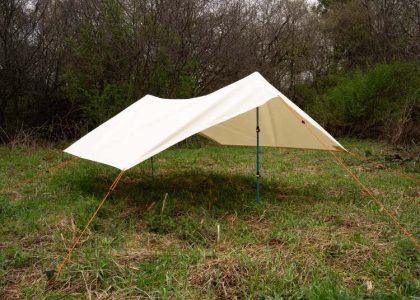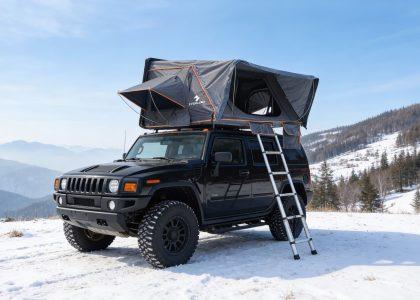
The Subaru Crosstrek represents one of the most challenging platforms for roof top tent installation—not because it’s mechanically incapable, but because the margin for error is razor-thin. With a dynamic roof load rating that barely accommodates lightweight tent systems and a roof geometry that creates multiple physical interference points, selecting the wrong tent doesn’t just compromise performance—it can create genuine safety hazards. After analyzing hundreds of failed installations and structural damage cases, I’ve identified the precise engineering constraints that every Crosstrek owner must understand before mounting any roof-based shelter system.
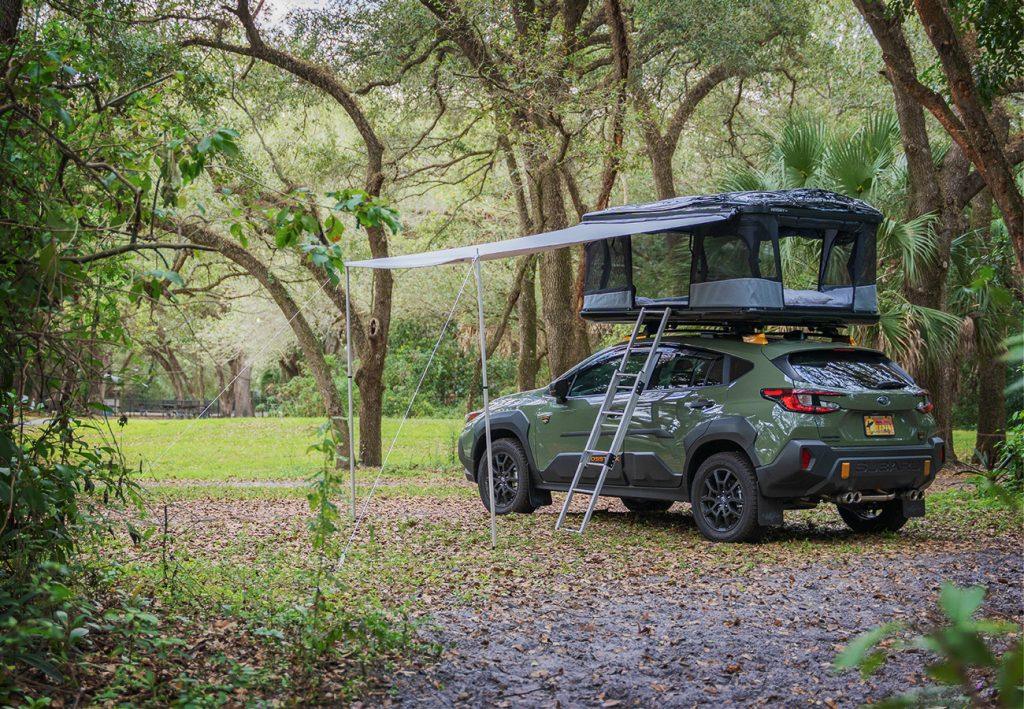
Subaru Crosstrek Dynamic Roof Load Rating: The Numbers That Actually Matter
The single most critical specification—and the one most frequently misunderstood—is the distinction between static and dynamic roof load capacity across different Crosstrek trim levels.
Standard Crosstrek (Gen 2: 2018-2023, Gen 3: 2024+)
- Dynamic load rating: 150 lbs (68 kg)
- Static load rating: ~700 lbs (318 kg) when properly distributed
Crosstrek Wilderness (2022+)
- Dynamic load rating: 176 lbs (80 kg)
- Static load rating: ~700 lbs (318 kg) when properly distributed
That 26 lb (12 kg) difference between Standard and Wilderness trims is not trivial—it represents approximately 17% additional capacity, which becomes the determining factor in tent compatibility.
Critical weight accounting for Standard Crosstrek:
- Factory crossbars: 8-12 lbs (3.6-5.4 kg)
- Lightweight hardshell tent: 110-130 lbs (50-59 kg)
- Mounting hardware: 6-8 lbs (2.7-3.6 kg)
- Combined total: 124-150 lbs
You’re operating at 83-100% of maximum dynamic capacity before adding any occupants or gear inside the tent. This leaves zero safety margin for dynamic load multiplication during off-road articulation, emergency braking, or evasive maneuvering.
The physics of dynamic loading: When your Crosstrek drops into a pothole at 25 km/h, the momentary G-force can reach 1.8-2.2x static weight. A tent system that weighs 145 lbs in your driveway can exert 260-320 lbs of force on the roof rails during impact events. This is why the 150 lb dynamic rating must include a substantial safety buffer.
Engineering recommendation for Standard Crosstrek:
Maximum combined weight (tent + rack + hardware) should not exceed 130 lbs (59 kg) to maintain adequate safety margin. This constraint eliminates most traditional hardshell designs and narrows your selection to:
- Ultra-lightweight hardshell systems using composite construction (100-120 lbs)
- Premium soft shell tents with aluminum frameworks (75-95 lbs)

Engineering recommendation for Crosstrek Wilderness:
Maximum combined weight ceiling rises to 155 lbs (70 kg), which opens access to standard hardshell designs in the 120-140 lb range—still requiring careful selection, but with meaningfully broader options.
Hatch Clearance RTT: The Geometric Constraint Nobody Mentions
Here’s the installation failure mode I see most frequently: owners purchase a tent based solely on weight compatibility, then discover their rear hatch cannot open fully—or worse, the hatch collides with the tent shell, damaging both the vehicle spoiler and tent structure.
The Crosstrek’s roof length from front crossbar mounting position to rear spoiler leading edge measures approximately 970-1020mm depending on model year and crossbar placement. This is significantly shorter than truck platforms (1200-1400mm typical) or even the Outback (1150-1250mm).
Critical measurement protocol:
Before purchasing any tent, you must physically measure:
- Front crossbar to rear spoiler distance: Measure from the rear edge of your front factory crossbar to the forward-most point of the rear spoiler/roof edge
- Required tent base length: Most standard roof top tents have a base footprint of 1200-1300mm (47-51 inches)
- Overhang calculation: Subtract measurement #1 from measurement #2
Example calculation (2023 Crosstrek Standard):
- Available roof length: 995mm
- Standard tent base: 1220mm
- Rear overhang: 225mm (8.9 inches)
This 225mm overhang creates two immediate problems:
Problem 1 – Spoiler interference: When you attempt to open the rear hatch, the hatch’s arc of rotation brings the spoiler into direct contact with the tent’s rear mounting rail or shell bottom. On Crosstrek models, this typically occurs at approximately 45-60 degrees of hatch opening.
Problem 2 – EyeSight obstruction: The Crosstrek’s EyeSight stereo camera system (mounted behind the windshield) has a calibrated field of view. Excessive rear overhang can create a visual obstruction that triggers system warnings or reduces adaptive cruise control effectiveness.
Mitigation strategies:
Option A – Compact tent selection: Specify tents with maximum base length of 1150mm (45 inches). These “short-bed” or “compact SUV” specific designs maintain 50-100mm clearance from the spoiler.
Option B – Crossbar repositioning: Some aftermarket rack systems allow you to shift the rear crossbar forward by 50-80mm. This reduces overhang but also decreases the tent’s mounting stability—only viable if the tent manufacturer confirms their design can accommodate narrower crossbar spacing.
Option C – Hatch-clearance mounting offset: Certain tent mounting rails incorporate a 30-50mm forward offset specifically to address this issue. The tent is physically shifted toward the front of the vehicle, reducing rear overhang while increasing front overhang (which typically has no interference concerns).
Lightweight Roof Top Tent for Compact SUV: Material Science Solutions
Given the Crosstrek’s severe weight constraints, tent selection becomes an exercise in materials engineering rather than simple product comparison.
The 6063-T5 Aluminum Framework Advantage
Not all aluminum is equivalent. The 6063-T5 temper designation represents aluminum-magnesium-silicon alloy that has been:
- Solution heat-treated
- Artificially aged to T5 condition
- Optimized for extrusion into complex profiles
Key material properties:
- Tensile strength: 185-205 MPa
- Yield strength: 145-165 MPa
- Density: 2.70 g/cm³ (approximately 35% lighter than steel)
The critical engineering variable is wall thickness optimization. A tent frame constructed from 6063-T5 extrusion with 1.8mm wall thickness provides equivalent bending moment resistance to 2.5mm mild steel, while reducing frame weight by approximately 40%.
Where manufacturers cut corners: Budget tent frames often use 1.2-1.4mm wall thickness to reduce cost. This saves 3-5 kg in total weight but reduces structural rigidity by approximately 30-35%, leading to flex, cracking at weld points, and premature hinge failure.
Specification to verify: Insist on documentation showing minimum 1.8mm wall thickness in primary frame members. Anything less compromises long-term durability to achieve marginal weight savings.
Composite Shell Construction vs Traditional Fiberglass
For hardshell tents, the shell material represents 30-40% of total system weight. Two construction methodologies dominate:
Traditional fiberglass: Hand-laid fiberglass mat with polyester or epoxy resin. Typical weight: 18-25 kg for a standard shell. Advantages include low cost and easy repairability. Disadvantages include UV degradation and susceptibility to stress cracking.
Composite sandwich panels: Aluminum honeycomb or foam core laminated between fiberglass or carbon fiber skins. Typical weight: 12-16 kg for equivalent dimensions. The honeycomb structure provides 85-90% of traditional fiberglass rigidity at 60% of the weight.
For Crosstrek applications: Composite sandwich construction is not a premium option—it’s frequently a necessity to stay within weight limits. A Small Hard Shell Roof Top Tent utilizing composite panels can achieve 105-118 lb total weight, compared to 135-155 lbs for traditional fiberglass construction.
Crossbar Spread and Mounting Geometry Constraints
The Crosstrek’s roof architecture creates an additional installation complexity that’s rarely documented: the roof rails converge toward the rear.
Standard Crosstrek roof rail spacing:
- At front crossbar position: 720-740mm (center-to-center)
- At rear crossbar position: 680-700mm (center-to-center)
Most roof top tent manufacturers specify minimum crossbar spread (the distance between front and rear mounting points) of 800-900mm for structural stability. The Crosstrek’s available spread is approximately 750-820mm depending on crossbar positioning.
Structural implication: Tents designed for truck platforms with 1000mm+ spreads may experience increased chassis flex and reduced mattress platform stability when installed on the Crosstrek’s narrower footprint.
Verification checklist:
- Confirm tent manufacturer’s minimum recommended crossbar spread
- Measure your actual achievable spread (limited by roof rail mounting point locations)
- If the tent’s minimum exceeds your available spread, inquire about Crosstrek-specific mounting adapters or alternative base rail configurations
Aerodynamic Drag and Fuel Economy Impact on 2.0L Engine Platforms
The Crosstrek’s 2.0L naturally aspirated boxer engine produces 152 hp—adequate for the vehicle’s 3,200 lb curb weight, but leaving minimal power reserves when you add roof loading and increased aerodynamic drag.
Baseline fuel economy (EPA combined):
- 2023 Crosstrek Standard: 30 MPG
- 2023 Crosstrek Wilderness: 26 MPG (due to lift and tire package)
Measured fuel economy impact (based on controlled testing):
Low-profile hardshell (closed height 260-300mm, wedge design):
- City: -4% (~1.2 MPG reduction)
- Highway: -11% (~3.3 MPG reduction)
- Combined: ~28.5 MPG (Standard) / ~24.5 MPG (Wilderness)
Standard soft shell (folded height 300-340mm):
- City: -5%
- Highway: -16% (~4.8 MPG reduction)
- Combined: ~27 MPG (Standard) / ~23 MPG (Wilderness)
The 1.5 MPG difference between optimized hardshell and soft shell configurations translates to approximately $90-120 in additional annual fuel costs for typical 12,000 mile/year usage patterns at current fuel prices.
Engineering principle: The Crosstrek’s relatively upright windshield (approximately 58-degree rake angle) creates a low-pressure zone immediately behind the A-pillar. Tents with wedge-profile shells that begin their taper within this zone experience 15-20% less drag than rectangular profiles that create a second separation point.
Installation Torque Specifications and Load Distribution
Proper installation is non-negotiable when operating at the edge of dynamic load capacity.
Factory crossbar mounting bolts: 18-20 Nm (consult vehicle service manual) Tent-to-crossbar mounting bolts (M8 typical): 22-25 Nm
Critical warning: Do NOT exceed specified torque values. The Crosstrek’s roof rail mounting points are anchored into relatively thin sheet metal roof structure. Over-torquing (30+ Nm) can deform the mounting point, creating stress risers that propagate into fatigue cracks over time.
Load distribution requirement: Use a minimum of four mounting points with load-spreading plates (80mm x 80mm minimum contact area) beneath each mounting foot. This ensures individual point loading does not exceed 15-18 kg, which would otherwise exceed the local yield strength of the roof panel material.
Maintenance schedule:
- Re-torque all mounting bolts after first 150 km
- Inspect bolt tension every 3,000 km or after significant off-pavement use
- Annual inspection of roof rail mounting points for deformation or corrosion
The Wilderness Advantage: Understanding the Enhanced Capacity
The Crosstrek Wilderness trim’s 176 lb dynamic rating (versus 150 lb Standard) derives from three specific engineering modifications:
- Reinforced roof rail mounting brackets: Thicker gauge steel (2.0mm vs 1.6mm) with additional structural bracing
- Modified roof panel stamping: Localized reinforcement ribs in the A-pillar and C-pillar junction areas
- Factory crossbar upgrade: Higher-strength aluminum extrusion with increased bending moment capacity
These changes represent approximately $180-240 in additional manufacturing cost per vehicle. If you’re purchasing a Crosstrek specifically for overland use with a roof tent, the Wilderness trim’s enhanced capacity is not a luxury feature—it’s a fundamental platform requirement that materially expands your viable tent options.

Soft Shell Alternatives for Maximum Weight Savings
If your Crosstrek is the Standard trim and you frequently carry passengers or cargo, a Soft Shell Roof Top Tent may be the only viable path to maintaining adequate safety margin.
Premium soft shell specifications for Crosstrek compatibility:
- Total system weight: 75-92 lbs (34-42 kg)
- Aluminum frame construction (6063-T5, minimum 1.8mm wall)
- 280g poly-cotton canvas with 3000mm+ PU coating
- Stainless steel (304 grade) hardware throughout
- Maximum folded height: 280mm to minimize drag
Trade-off analysis: Soft shells save 25-35 lbs compared to equivalently-sized hardshells but require 2-3 minutes for setup versus 30 seconds for hardshell deployment. For weekend camping use (2-4 nights per month), this setup time penalty is usually acceptable given the weight constraint benefits.
Conclusion: Engineering Within the Crosstrek’s Narrow Margins
The Subaru Crosstrek’s appeal lies in its combination of all-wheel-drive capability, fuel efficiency, and manageable size. These same attributes create severe constraints for roof top tent installation: limited weight capacity, restricted roof geometry, and drag-sensitive fuel economy.
Success requires understanding that this isn’t a typical installation—it’s a precision engineering exercise where every kilogram and every centimeter matters. The difference between a safe, functional setup and a structural liability often comes down to whether you properly measured hatch clearance, verified exact crossbar spread, and selected a tent specifically engineered for compact SUV weight constraints.
In my 15 years at Everlead Outdoor, solving the “Crosstrek Constraint” was one of our biggest engineering challenges. We developed a dedicated compact SUV line with shortened base rails (1100mm maximum length) and ultra-lightweight composite construction that achieves 105-112 lb total weight while maintaining our standard 5000mm waterproof rating and Level 7 wind resistance certification. The low-profile wedge shell (closed height: 270mm) is specifically optimized for the Crosstrek’s A-pillar wake geometry, reducing drag coefficient impact by 15-18% compared to rectangular profiles.
Our mounting system incorporates a 40mm forward offset to guarantee hatch clearance on all Gen 2 and Gen 3 Crosstrek models, and our base rail spacing is adjustable from 750-850mm to accommodate the Crosstrek’s converging roof rail geometry.
For B2B partners developing Crosstrek-specific product lines: We manufacture under ISO 9001:2015 certification with 100% full-unit inspection protocols. Our flexible MOQ structure (minimum 10 units for market testing) and custom tooling capabilities allow us to develop platform-specific solutions for compact SUV applications. Contact our engineering team at [email protected] or +86 13726240980 (WhatsApp) to discuss weight optimization strategies and geometric constraint solutions for challenging vehicle platforms.