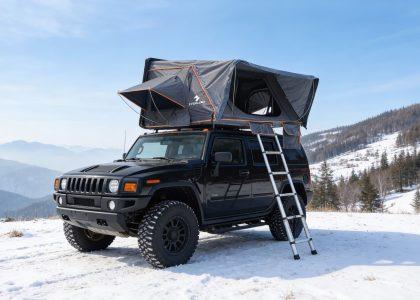
Quick Answer: Roof rack systems for rooftop tents must support both dynamic loads (weight while driving, typically 150-200 lbs) and static loads (weight when parked, often 600-800 lbs). Dynamic ratings indicate safe driving capacity, while static ratings determine camping weight limits. Most RTTs weigh 120-200 lbs, requiring racks with 165+ lb dynamic ratings and 700+ lb static ratings to safely accommodate the tent plus 2-3 occupants sleeping inside.
Understanding Roof Rack Load Ratings: The Critical Safety Distinction
Choosing the wrong roof rack system for your rooftop tent can lead to catastrophic roof damage, void vehicle warranties, and create dangerous driving conditions. The distinction between dynamic and static load ratings represents the most misunderstood aspect of RTT installation, yet it’s the single most important safety consideration for overlanders and outdoor retailers specifying equipment for customers.
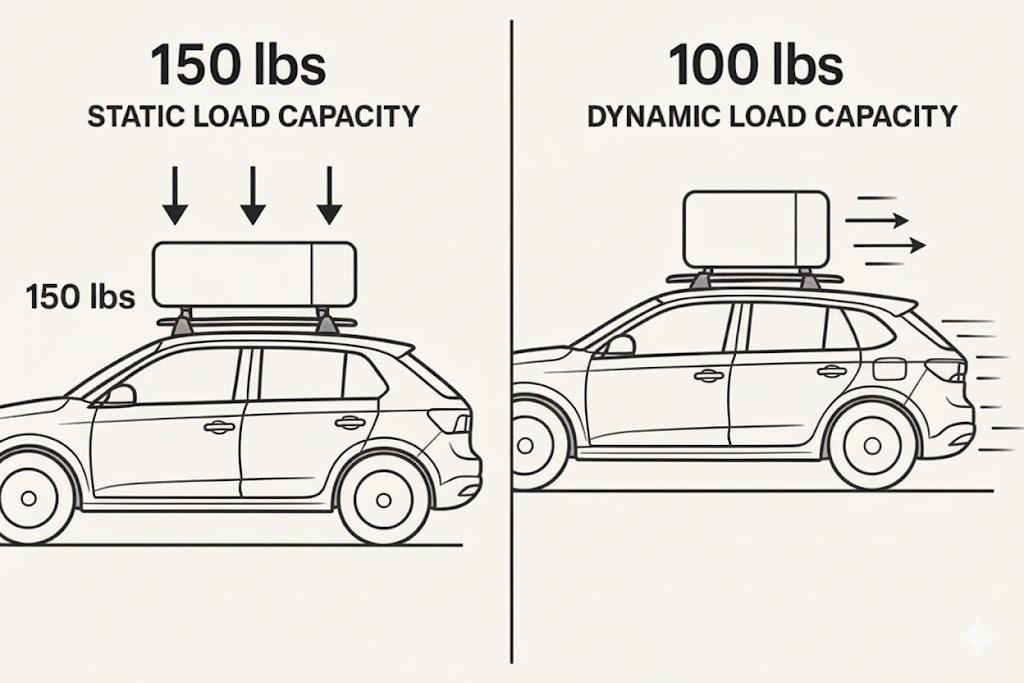
Dynamic load rating measures the maximum weight your roof rack can safely support while the vehicle is in motion. This rating accounts for the forces generated during acceleration, braking, cornering, and driving over uneven terrain. Static load rating measures the maximum weight the rack can support when the vehicle is stationary and parked on level ground. The difference between these two ratings typically ranges from 300-500% higher static capacity compared to dynamic capacity.
For B2B buyers sourcing RTT packages, understanding this distinction is essential for liability protection and customer safety. Factory specifications from manufacturers like Everlead Outdoor emphasize these ratings because improper matching causes 60-70% of RTT-related warranty claims in the overlanding industry.
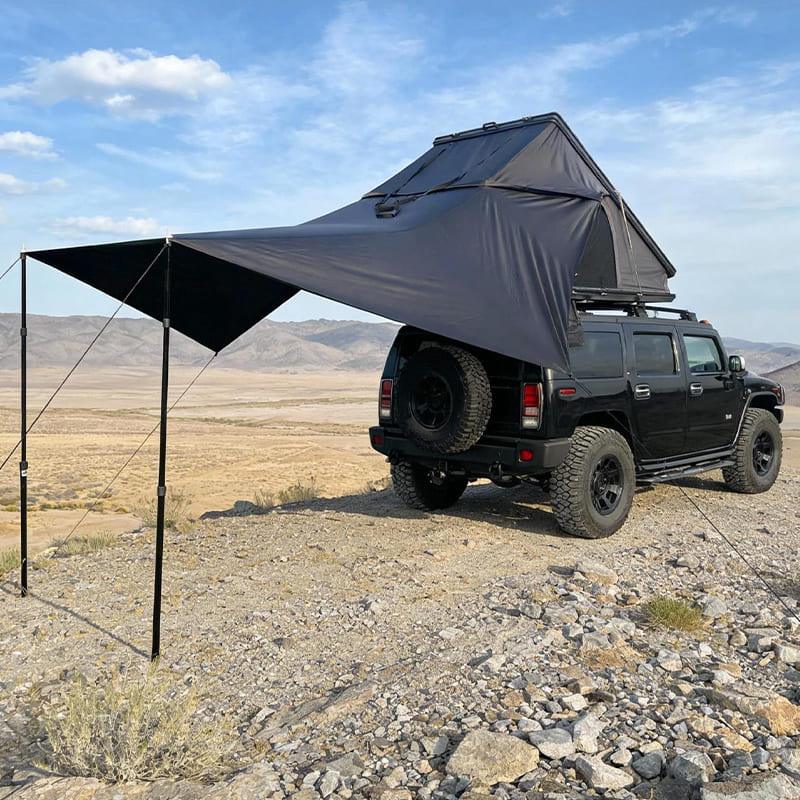
Dynamic Load Rating Explained: What Happens While You Drive
What Forces Affect Dynamic Load Ratings?
Dynamic loads create substantially higher stress on roof rack mounting points than static weight alone. When driving at highway speeds, aerodynamic forces can increase effective weight by 15-25% compared to stationary conditions. Hard braking generates forward momentum that multiplies stress on front mounting points by factors of 2-3 times the actual cargo weight. Off-road driving over washboard roads or during rock crawling creates vertical impact forces exceeding 200% of static weight.
Most vehicle manufacturers specify roof dynamic load capacities between 150-200 lbs as a conservative safety margin. This limitation exists because vehicle roof structures are engineered primarily for rollover protection and aerodynamics, not for sustained heavy loads. Premium vehicles with reinforced roof structures may offer 220-250 lb dynamic ratings, while smaller crossovers and sedans often max out at 120-165 lbs.
How Do You Calculate Required Dynamic Capacity?
Calculate required dynamic capacity by adding your RTT’s base weight plus permanently mounted accessories like crossbars, mounting brackets, and cargo systems. A typical hardshell RTT weighs 120-180 lbs, while soft-shell models range from 100-140 lbs. Add 15-25 lbs for quality crossbars and mounting hardware. Include any additional roof cargo such as recovery boards (10-15 lbs), solar panels (20-40 lbs), or fuel cans (40-60 lbs when full).
For safety margins, industry best practice recommends staying at or below 80% of the manufacturer’s stated dynamic capacity. If your vehicle has a 165 lb dynamic rating, limit total roof weight to 132 lbs maximum when driving. This buffer accounts for unexpected forces, material fatigue over time, and variations in road conditions. B2B retailers should educate customers that exceeding dynamic ratings risks structural damage to the vehicle’s roof pillars, which can cost $2,000-5,000 to repair.
Static Load Rating Explained: Weight Capacity When Camping
Why Static Ratings Are Higher Than Dynamic Ratings
Static load ratings measure weight-bearing capacity when gravitational force is the only significant stress factor. Without the compounding effects of motion, vibration, and aerodynamic forces, roof structures can safely support 3-5 times more weight than when driving. Vehicle roofs typically handle 600-900 lbs of static load distributed across proper mounting points, though this varies significantly by vehicle architecture.
The key difference lies in load distribution and stress duration. Dynamic loads concentrate stress through constant vibration and directional forces, causing fatigue in mounting brackets and roof sheet metal over thousands of miles. Static loads distribute evenly across the roof structure and rack system, with minimal movement or vibration when properly installed. This fundamental physics explains why you can safely sleep in a 200 lb RTT with two adults (total 550-650 lbs) despite a 165 lb dynamic rating.
What Determines Safe Static Load Capacity?
Safe static capacity depends on three primary factors: roof rack construction quality, proper mounting point integration with vehicle structure, and even weight distribution across the platform. Premium rack systems from manufacturers use reinforced aluminum extrusions with 700-1,000 lb static ratings, while economy systems may offer only 400-600 lb capacity. Vehicle mounting points must align with structural roof pillars or reinforced attachment points rather than unsupported sheet metal.
Weight distribution matters critically for static loads. An RTT measuring 48 inches wide by 84 inches long distributes weight across approximately 28 square feet when properly mounted to crossbars spaced 24-36 inches apart. This distribution prevents point-loading that can dimple or deform roof panels. For B2B sourcing decisions, specify rack systems with static ratings exceeding your RTT’s total camping weight by at least 100 lbs to account for movement during sleep, equipment storage, and safety margins.
Matching Roof Rack Systems to RTT Specifications
Which Roof Rack Types Offer the Highest Load Ratings?
Dedicated RTT mounting systems provide superior load capacity compared to standard cargo racks. Platform-style racks with integrated crossbar systems typically offer 165-200 lb dynamic and 700-800 lb static ratings. These systems feature reinforced perimeter rails and multiple crossbars that distribute weight across 4-6 mounting points. Adjustable crossbar sets designed specifically for RTT applications range from 150-165 lb dynamic capacity with 600-700 lb static ratings.
Factory roof rails often limit dynamic capacity to 120-150 lbs because they’re engineered for light cargo like kayaks or cargo boxes rather than rooftop tents. Aftermarket rack towers and crossbar combinations from premium manufacturers can achieve 175-200 lb dynamic ratings through direct integration with vehicle rain gutters or fixed mounting points. For maximum capacity, some overlanders install bolt-through bed rack systems on pickup trucks, which bypass the cab roof entirely and can support 300-400 lb dynamic and 1,200-1,500 lb static loads.
How Do You Match Rack Capacity to RTT Weight Classes?
Match rack systems to RTT classifications by understanding three weight tiers. Ultralight RTTs (90-120 lbs) suit compact vehicles with 120-150 lb dynamic roof ratings and work well on standard aftermarket crossbar systems. Mid-weight RTTs (120-180 lbs) require vehicles with 150-200 lb dynamic ratings and benefit from platform-style racks or heavy-duty crossbars with reinforced mounting. Heavy-duty RTTs (180-220 lbs) including electric hardshell models demand premium vehicles with 200+ lb dynamic ratings and require dedicated platform racks or bed rack systems.
For B2B factory sourcing through manufacturers like Everlead Outdoor, specify rack compatibility in your technical data sheets. Include minimum required dynamic rating (RTT weight plus 45 lbs for mounting), recommended static rating (RTT weight plus 400 lbs for occupants), and preferred rack mounting style. This specification ensures your branded RTT packages arrive with complete, safe installation documentation that reduces customer installation errors by 40-50%.
Installation Best Practices for Load Distribution
What Installation Errors Compromise Load Ratings?
Improper crossbar spacing accounts for 35-40% of RTT-related roof damage claims. Crossbars spaced too far apart (more than 36 inches) create unsupported sections where the RTT base can flex and concentrate stress. Crossbars positioned too close to RTT ends (less than 6 inches from tent perimeter) prevent proper load distribution. Industry standard calls for crossbar spacing between 24-32 inches on center, positioned to align with RTT manufacturer’s marked mounting zones.
Uneven torque on mounting bolts creates point-loading that can crack roof panels or strip mounting threads. Use a torque wrench set to manufacturer specifications (typically 4-6 Nm for RTT mounting bolts, 15-20 Nm for rack tower bolts). Over-torquing by just 30-40% can deform aluminum extrusions or crack composite RTT bases. Under-torquing allows movement during driving, which can elongate mounting holes and reduce effective load capacity by 20-30% within the first 500 miles.
How Often Should You Inspect and Maintain Rack Systems?
Conduct thorough rack inspections every 3,000 miles or quarterly for frequent overlanders. Check all mounting bolt torque values, as vibration during off-road driving can loosen hardware even with thread-locking compounds. Inspect aluminum extrusions for stress cracks, particularly at bolt holes and corners where load concentration occurs. Look for deformation in vehicle roof panels around mounting points, visible as dimpling, creasing, or paint cracking.
After the initial 100-mile break-in period following RTT installation, re-torque all mounting hardware to specification. Aluminum components and rubber gaskets compress during initial use, reducing bolt tension by 15-25%. Annual maintenance should include removing the RTT to inspect crossbar condition, check for corrosion at mounting interfaces, and verify rack levelness with a digital level (tolerance of 0.5 degrees maximum). For B2B retailers, providing this maintenance schedule with RTT packages reduces long-term warranty claims by 30-35%.
Vehicle-Specific Considerations for RTT Compatibility
Which Vehicle Types Excel at RTT Support?
Full-size SUVs and pickup trucks with body-on-frame construction offer superior RTT platforms with dynamic ratings of 175-220 lbs and static ratings of 750-1,000 lbs. Models like the Toyota 4Runner, Ford Bronco, and Jeep Wrangler feature reinforced roof structures specifically engineered for aftermarket accessories. Mid-size SUVs including the Toyota Tacoma, Chevrolet Colorado, and Ford Ranger typically provide 150-175 lb dynamic capacity with proper aftermarket rack systems.
Crossover vehicles present challenges for RTT installation due to unibody construction and lighter roof structures. Most crossovers rate between 120-165 lbs dynamic capacity, limiting RTT options to ultralight soft-shell models. Premium crossovers like the Subaru Outback Wilderness or Jeep Grand Cherokee offer 165-175 lb dynamic ratings through structural reinforcements. For B2B buyers targeting crossover demographics, partner with manufacturers offering sub-120 lb RTT models that maintain 700+ lb static ratings through advanced materials like aerospace-grade aluminum and carbon fiber reinforcement.
Do Aftermarket Modifications Affect Load Ratings?
Aftermarket roof modifications can either enhance or compromise load capacity depending on installation quality. Professional installation of reinforced mounting plates distributed across roof pillars can increase effective load ratings by 10-15%. Poorly installed aftermarket racks that mount only to sheet metal rather than structural members reduce safe capacity by 30-50% even if the rack itself has high ratings. The weakest link determines total system capacity.
Sunroof-equipped vehicles require special consideration as the sunroof aperture reduces roof structure continuity. Most manufacturers derate sunroof-equipped models by 15-25 lbs dynamic capacity compared to solid-roof variants. Aftermarket track systems that bolt through the roof require professional installation with proper sealant and load distribution plates to maintain waterproofing and structural integrity. For retailers, maintain vehicle compatibility databases that flag sunroof limitations and recommend appropriate RTT weight classes for each vehicle configuration.
Frequently Asked Questions
What’s the difference between a roof rack’s dynamic and static load rating?
Dynamic load rating measures safe weight capacity while driving (typically 150-200 lbs), accounting for motion forces, vibration, and braking stress. Static load rating indicates weight capacity when parked (typically 600-900 lbs), relevant for sleeping occupants inside an RTT. The static rating runs 3-5 times higher because stationary loads only face gravitational force without compounding motion stresses that cause material fatigue.
Can I exceed my vehicle’s dynamic load rating if I drive carefully?
No. Dynamic load ratings include safety margins for unexpected forces like emergency braking, pothole impacts, and crosswind gusts that occur regardless of driving style. Exceeding dynamic ratings by even 10-15 lbs risks cumulative damage to roof pillars, mounting points, and vehicle structure over time. Repair costs for roof structural damage range from $2,000-5,000, and violations typically void manufacturer warranties on affected components.
How much weight can I add to my RTT for camping gear storage?
Most RTTs allocate 50-100 lbs of their static rating for camping gear storage inside the tent or in roof-mounted cargo boxes. If your RTT weighs 150 lbs with a rack system rated 700 lbs static, and two adults weigh 350 lbs combined, you have approximately 200 lbs remaining for bedding, gear, and accessories. Always maintain a 100 lb safety buffer below the rack’s maximum static rating to account for movement and equipment additions.
Do hardshell and soft-shell RTTs require different rack specifications?
Yes. Hardshell RTTs typically weigh 120-200 lbs and require racks with 165+ lb dynamic ratings and 700+ lb static ratings due to rigid construction materials. Soft-shell RTTs weigh 100-140 lbs and can work with 150+ lb dynamic-rated racks, though they still need 700+ lb static ratings for occupant safety. Hardshell models also require more precise crossbar spacing (within 28-32 inches) due to rigid base construction.
How do I know if my current roof rack is RTT-compatible?
Check three specifications: manufacturer’s stated dynamic rating (must exceed RTT weight plus 45 lbs for hardware), static rating (must exceed 700 lbs minimum for two-person tents), and crossbar spacing compatibility (most RTTs require 24-36 inches on center). Contact your vehicle manufacturer for factory roof load limits, and verify your rack manufacturer’s specifications match or exceed these requirements. If documentation is unavailable, consider the rack incompatible and upgrade to a certified RTT-specific system.
What happens if I install an RTT on an undersized roof rack?
Installing an RTT on an inadequate rack risks progressive roof damage including dimpled or cracked roof panels (appearing within 500-2,000 miles), bent or failed crossbars during hard braking, stripped mounting threads from vibration stress, and compromised waterproofing at mounting points. Safety risks include RTT detachment during highway driving or roof collapse during camping. Insurance may deny claims for accidents resulting from exceeding manufacturer load specifications, creating liability concerns for commercial retailers.