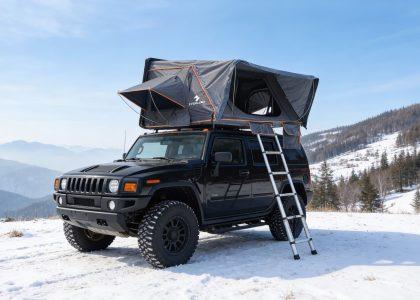
Adding a rooftop tent to your vehicle transforms it into a mobile basecamp, but before you make the purchase, understanding the weight implications is critical for safety and performance. Rooftop tents generally weigh between 100 pounds (45 kg) and 200 pounds (90 kg), with hard shell models typically being heavier than soft shell variations. This weight directly impacts your vehicle’s center of gravity, fuel economy, and roof load capacity.
This article provides a comprehensive weight analysis of rooftop tents, examining the differences between models and the vital safety ratings you must know before installation.
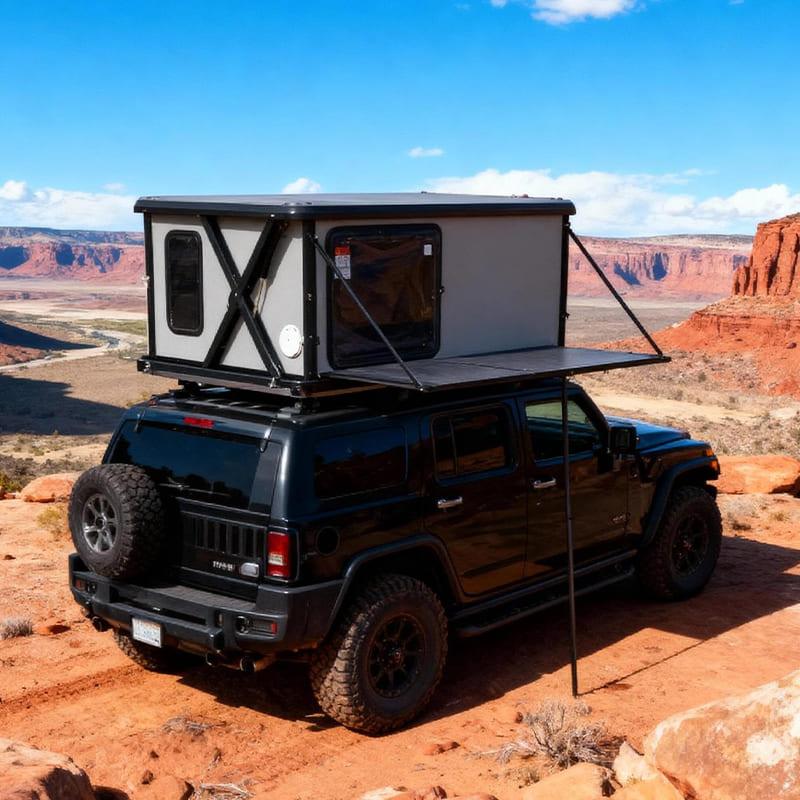
Table of Contents
- What is the average weight of a rooftop tent?
- Do hard shell tents weigh more than soft shell tents?
- What is the difference between dynamic and static roof load ratings?
- How does rooftop tent weight affect gas mileage and handling?
- Can any car support the weight of a rooftop tent?
- Are there lightweight rooftop tent alternatives available?
What is the average weight of a rooftop tent?
Rooftop tents typically weigh between 100 pounds (45 kg) and 200 pounds (90 kg), with the market average hovering around 140 pounds (64 kg). This weight variance is primarily dictated by the tent’s sleeping capacity (2-person vs. 4-person), construction materials, and the type of shell mechanism used.
When shopping for a tent, it is essential to look at the “net weight” listed by the manufacturer. This figure usually includes the ladder and mattress but excludes packaging.
Several factors contribute to this mass:
- Size: A 4-person family tent requires significantly more frame and fabric than a 2-person model.
- Mattress: High-density foam mattresses add comfort but also 10-15 pounds of weight.
- Ladder: A telescoping aluminum ladder typically accounts for 10-15 pounds of the total unit weight.
Do hard shell tents weigh more than soft shell tents?
Generally, hard shell rooftop tents are heavier than soft shell models due to their rigid fiberglass or aluminum casings, averaging 140 to 180 pounds. Soft shell tents, utilizing lighter canvas and PVC covers, typically range from 100 to 140 pounds, though premium heavy-duty soft shells can still rival hard shells in weight.
The trade-off between weight and convenience is the primary decision point here. Hard shells are heavier but set up in seconds. Soft shells are lighter but require more effort to deploy.
Weight Comparison by Type:
| Tent Type | Weight Range (lbs) | Weight Range (kg) | Primary Material Drivers |
| Soft Shell | 95 – 140 lbs | 43 – 63 kg | Canvas, Aluminum frame, PVC cover |
| Hard Shell (Pop-up) | 130 – 170 lbs | 59 – 77 kg | Fiberglass/ABS shell, Gas struts |
| Hard Shell (Clamshell) | 140 – 180+ lbs | 64 – 82 kg | Aluminum plate, Heavy-duty hinge |
| Hybrid | 120 – 160 lbs | 54 – 72 kg | Mix of rigid cover and fold-out canvas |
What is the difference between dynamic and static roof load ratings?
The dynamic load rating refers to the maximum weight your vehicle’s roof can support while the car is moving (driving stress), usually 165 lbs for many SUVs. The static load rating is the weight capacity when the vehicle is parked, which is significantly higher (often 600+ lbs), allowing it to support the tent plus occupants.
Understanding this distinction is non-negotiable for safety. If you confuse these numbers, you risk damaging your vehicle or causing an accident.
- Dynamic Load (Moving): This is the lower number. It accounts for wind resistance, braking forces, and cornering.Your tent’s weight must be lower than this number.
- Static Load (Parked): This is the higher number. It accounts for the structural strength of the car’s pillars when stationary. This number must exceed the weight of the tent + mattress + bedding + people sleeping inside.
How does rooftop tent weight affect gas mileage and handling?
Adding a rooftop tent increases aerodynamic drag and raises the vehicle’s center of gravity, typically reducing fuel efficiency by 10% to 20% depending on driving speeds. The added weight up top can also increase body roll during cornering and extend braking distances, requiring drivers to adjust their habits.
The impact on your vehicle goes beyond just the scale weight; it changes the physics of how the car drives.
Performance Impacts:
- Fuel Economy: Soft shell tents are often brick-shaped and cause more drag, hurting MPG more than the sleeker, aerodynamic hard shells, despite hard shells often being heavier.
- Center of Gravity: 150 pounds on the roof acts like a lever. Off-roading becomes more precarious as the vehicle becomes more top-heavy, increasing the risk of tipping on steep inclines.
- Wind Noise: The added bulk disrupts airflow, leading to noticeable wind noise at highway speeds.
Can any car support the weight of a rooftop tent?
Not every vehicle is suitable for a rooftop tent; compact cars with low dynamic roof load ratings (under 165 lbs) may be unsafe. While most SUVs, trucks, and crossovers are compatible, it is essential to verify that the vehicle’s roof rack system and crossbars specifically meet the dynamic weight requirement of the chosen tent.
Before purchasing, you must verify three separate weight capacities:
- The Vehicle Roof: Check the owner’s manual for the dynamic load rating.
- The Crossbars: Factory crossbars are often flimsy. You likely need aftermarket bars (like Thule or Yakima) rated for the weight.
- The Feet/Towers: The mechanism attaching the bars to the car must also be rated for the load.
If your car has a dynamic rating of 110 lbs (common in small sedans) and the tent weighs 130 lbs, you cannot safely install it.
Are there lightweight rooftop tent alternatives available?
Yes, manufacturers are increasingly producing “ultralight” rooftop tents weighing under 90 pounds (40 kg) using advanced materials like aluminum slats and lighter ripstop fabrics. These are designed specifically for smaller crossovers and hatchbacks that cannot support standard heavy-duty tents, though they often sacrifice some insulation and mattress thickness.
The industry is trending toward weight reduction to accommodate the rise of smaller, fuel-efficient crossovers and electric vehicles (EVs).
Strategies for weight reduction include:
- Material Swaps: Using 420D nylon instead of heavy canvas.
- Frame Design: Utilizing extruded aluminum slats rather than solid plates.
- Low Profile: Reducing the height of the shell to use less material.
Conclusion
The weight of a rooftop tent is a decisive factor that influences vehicle compatibility, safety, and driving performance. With most units falling between 100 and 200 pounds, buyers must ensure their vehicle’s dynamic roof load rating exceeds the weight of the tent. While hard shells offer durability and speed at the cost of weight, soft shells provide a lighter, more spacious alternative. Ultimately, selecting the right weight ensures a safe journey and a comfortable night’s sleep.
For businesses looking to offer optimized weight solutions to their customers, the engineering behind the product is paramount.
About Everlead Outdoor
At Everlead Outdoor, we recognize that weight management is a critical aspect of rooftop tent engineering. As a leading OEM/ODM manufacturer based in Dongguan, China, we specialize in balancing structural integrity with lightweight design.By utilizing aviation-grade aluminum alloys and advanced honeycomb composite structures, we produce hard shell and soft shell tents that maximize durability without overburdening the vehicle. Our in-house R&D team rigorously tests load ratings and aerodynamics to ensure every unit meets global safety standards. whether you need ultralight designs for compact SUVs or heavy-duty expedition tents, Everlead Outdoor provides the precision manufacturing required to elevate your brand’s product line.