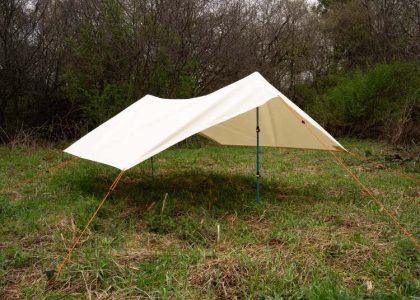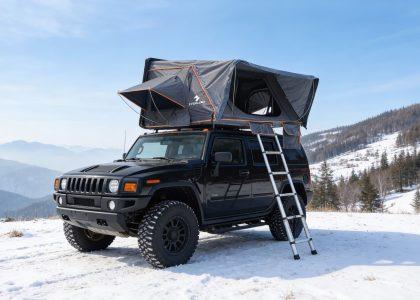
Investing in a cotton canvas tent is often a decision driven by a desire for comfort, breathability, and nostalgia, but a primary concern remains: durability. A high-quality cotton canvas tent will typically last between 15 to 20 years with proper maintenance and seasonal use, or approximately 30 to 50 weeks of continuous 24/7 outdoor exposure. However, this lifespan fluctuates significantly based on fabric weight, environmental conditions, and how diligent the owner is regarding storage and care.
This article provides an in-depth analysis of the lifespan of canvas tents, exploring the factors that degrade the fabric and how to maximize your investment.
Table of Contents
- What is the average lifespan of a cotton canvas tent?
- What factors damage canvas tents the most?
- How does canvas compare to polyester or nylon tents in durability?
- Can you leave a canvas tent up all year round?
- How do you maintain a canvas tent to extend its life?
- Is a cotton canvas tent worth the investment?
What is the average lifespan of a cotton canvas tent?
With regular seasonal use and proper dry storage, a well-made cotton canvas tent can easily last for 15 to 20 years, serving as a long-term investment. However, if pitched permanently outdoors without a flysheet or protection, the lifespan drops drastically to roughly 6 to 9 months due to the relentless degradation caused by UV rays and moisture.
When discussing lifespan, it is crucial to distinguish between “calendar years” of ownership and “days of use.” A family camping for two weeks every summer will see their canvas tent last for generations. Conversely, a glamping site leaving the tent erected continuously will see rapid aging.
Industry data suggests that the thickness of the canvas (measured in GSM or oz/yd²) plays a vital role. Heavy-duty canvas (300 GSM or higher) offers significantly more resistance to the elements than lighter variations. Longevity is not just about time; it is about exposure hours.
What factors damage canvas tents the most?
The two primary enemies of cotton canvas are UV radiation and moisture-induced rot. UV rays gradually degrade the cellulose fibers in the cotton, making them brittle and prone to tearing, while storing a tent wet leads to mold and mildew, which can permanently stain, smell, and structurally weaken the material within days.
While canvas is rugged, it is a natural fiber, making it biodegradable. This characteristic, while eco-friendly, means nature is constantly trying to break it down.
Key damaging factors include:
- UV Radiation: The sun acts as a slow bleach and weakener. Even treated canvas will eventually succumb to solar degradation.
- Rot and Mold: If a tent is packed away damp, fungus will grow. This is the number one cause of premature tent death.
- Bird Droppings and Tree Sap: These are acidic and can burn through waterproofing coatings and eventually the fabric itself.
- Wind Friction: Constant flapping in high winds can wear down stitching and thin the fabric at stress points.
How does canvas compare to polyester or nylon tents in durability?
Canvas is significantly more durable than synthetic materials, often outlasting polyester or nylon tents by a decade or more. While synthetics degrade quickly under UV light, becoming crunchy and brittle within a few seasons of heavy use, canvas is thicker, repairable, and maintains its structural integrity much longer, despite being heavier.
Synthetic tents are excellent for backpacking due to their weight, but they are generally considered semi-disposable in the long term compared to canvas. Canvas handles abrasion and UV exposure far better.
Comparison of Tent Materials:
| Feature | Cotton Canvas | Polyester / Nylon |
| Average Lifespan | 15–20 Years | 3–7 Years |
| UV Resistance | High (degrades slowly) | Low (degrades quickly) |
| Breathability | Excellent (natural airflow) | Poor (prone to condensation) |
| Repairability | High (can be stitched/patched) | Low (tape repairs only) |
| Weight | Heavy | Lightweight |
Can you leave a canvas tent up all year round?
Generally, standard cotton canvas tents are not designed for permanent, year-round outdoor setups without additional protection. Continuous exposure to the elements will accelerate wear, necessitating re-waterproofing every 12 to 24 weeks and potentially reducing the total lifespan to under a year unless a secondary roof or flysheet is utilized.
For those looking to set up semi-permanent glamping sites or base camps, specific precautions are necessary. A canvas tent left alone to fight the elements 365 days a year will lose its waterproofing capability rapidly.
To make a canvas tent viable for long-term pitching:
- Install a Flysheet: A secondary layer over the roof takes the brunt of the UV and rain damage.
- Build a Platform: Keeping the tent off the ground prevents rising damp and rot from the soil.
- Monitor Tension: Guy ropes slacken and tighten with humidity changes; they need weekly adjustment to prevent structural stress.
How do you maintain a canvas tent to extend its life?
To maximize longevity, always ensure the tent is bone dry before storing it to prevent mold formation. Regularly clean off bird droppings and dirt with a soft brush and water, and re-apply a waterproofing and UV-protectant treatment every 12 to 24 months, depending on the frequency of your outdoor excursions.
Maintenance is the difference between a tent that lasts 5 years and one that lasts 25. It requires a proactive approach rather than reactive repairs.
Essential Maintenance Steps:
- The “Bone Dry” Rule: Never store the tent wet. If you must pack up in the rain, unpack it and dry it out within 24 hours.
- Gentle Cleaning: Do not use harsh detergents. Use warm water and a specialized canvas cleaner or vinegar solution for mold.
- Conditioning: Canvas needs to be “weathered” (soaked and dried) when new to seal needle holes, and re-treated periodically as water beading diminishes.
- Zipper Care: Keep zippers clean of grit and lubricate them occasionally to prevent snagging and tearing the adjacent fabric.
Is a cotton canvas tent worth the investment?
Yes, a cotton canvas tent is worth the investment for campers prioritizing comfort, breathability, and long-term durability. Although the initial cost and weight are higher, the extended lifespan and superior insulation make it a cost-effective choice over time compared to replacing cheap synthetic tents repeatedly.
The value proposition of canvas lies in the quality of the experience. It stays cooler in the summer and warmer in the winter.
Pros:
- Longevity: One purchase can last decades.
- Climate Control: Superior breathability reduces condensation and humidity.
- Quiet: Canvas does not rustle loudly in the wind like polyester.
Cons:
- Weight: Not suitable for hiking or carrying long distances.
- Maintenance: Requires more care than a “shake and pack” synthetic tent.
- Cost: Higher upfront price tag.
Conclusion
The lifespan of a cotton canvas tent is directly correlated to the care it receives. While a tent left exposed to the elements may perish in under a year, a cherished canvas tent used seasonally and stored dry can easily serve a family for over two decades. The enemies are clear: UV rays and moisture. By mitigating these risks through the use of flysheets and strict drying protocols, canvas remains the gold standard for durable, comfortable outdoor living.
For businesses and brands looking to provide this level of durability to their customers, the manufacturing process is critical.
About Everlead Outdoor
At Everlead Outdoor, we understand that a tent’s lifespan is determined before it ever reaches the campsite—it begins on the factory line. As a premier OEM/ODM manufacturer based in Dongguan, China, we specialize in crafting high-performance canvas tents, roof top tents, and vehicle awnings that stand the test of time.
We utilize premium materials, such as heavy-duty poly-cotton ripstop fabrics and 304 stainless steel hardware, ensuring our products resist UV degradation and rot far better than standard market alternatives. With ISO 9001 certified quality control and over a decade of experience serving global outdoor brands, Everlead Outdoor is dedicated to engineering gear that turns a simple purchase into a lifelong investment. Whether you need custom designs or reliable mass production, we build the durability your brand reputation depends on.