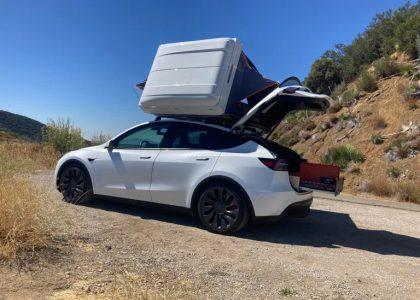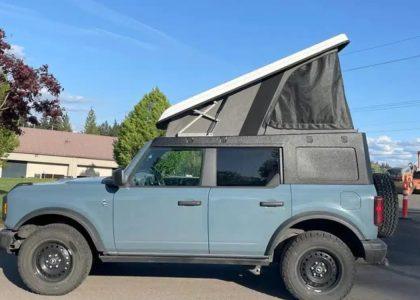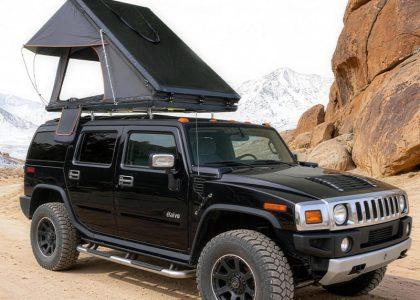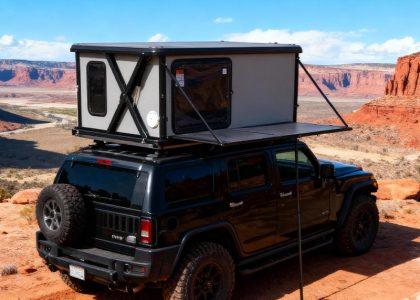
Choosing between a hard shell and a soft shell rooftop tent can feel overwhelming—especially when prices, features, and use cases vary so widely. Many buyers wonder if the premium for a hard shell is really justified, or if a soft shell does the job just as well.
The short answer is this: hard shell rooftop tents are better for speed, aerodynamics, and all-weather performance, while soft shell tents offer better value and interior space.
This guide compares performance, pros and cons, family use, and alternatives to help you decide which rooftop tent style fits your needs best.
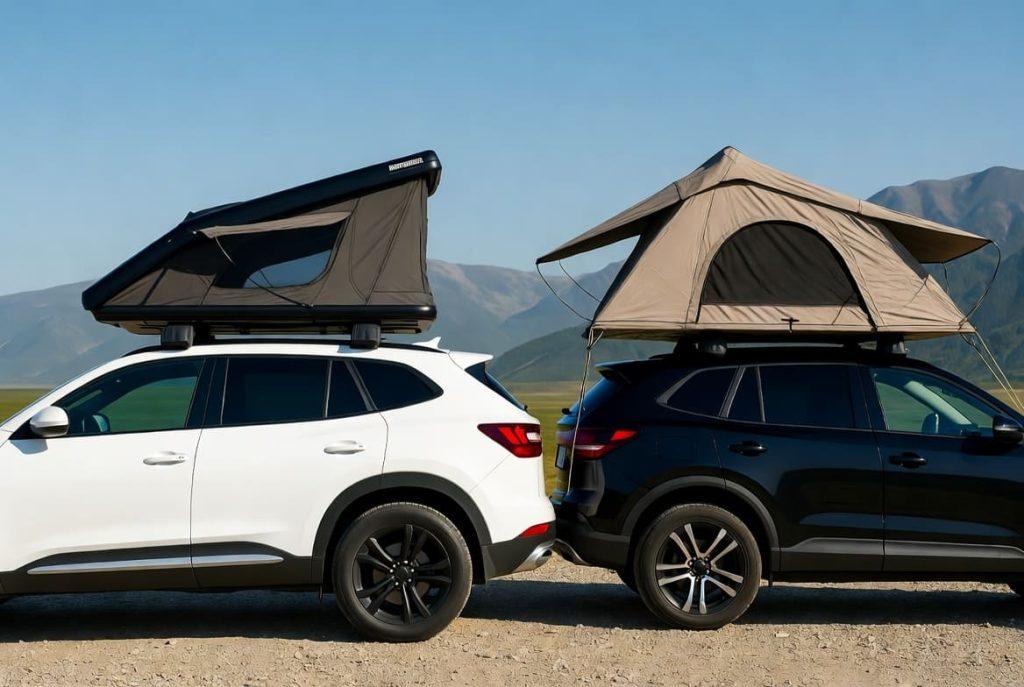
Table of Contents
- Are hard shell rooftop tents better?
- What are the pros and cons of rooftop tents?
- Are rooftop tents better than ground tents?
- Are rooftop tents good for families?
- Are inflatable rooftop tents any good?
Are hard shell rooftop tents better?
Hard shell rooftop tents are better for users who prioritize fast setup, better aerodynamics, and improved performance in wind and rain. Their rigid shell design allows for one-minute deployment, lower driving drag, and greater durability, making them ideal for frequent travelers and long-distance road trips.
Why hard shell tents stand out
- Faster setup and teardown
- Better fuel efficiency than bulky soft shells
- Improved wind resistance and noise reduction
When soft shell may be better
- Lower upfront cost
- Larger sleeping footprint
- Better value for occasional campers
“Better” depends on how often and how far you travel.
What are the pros and cons of rooftop tents?
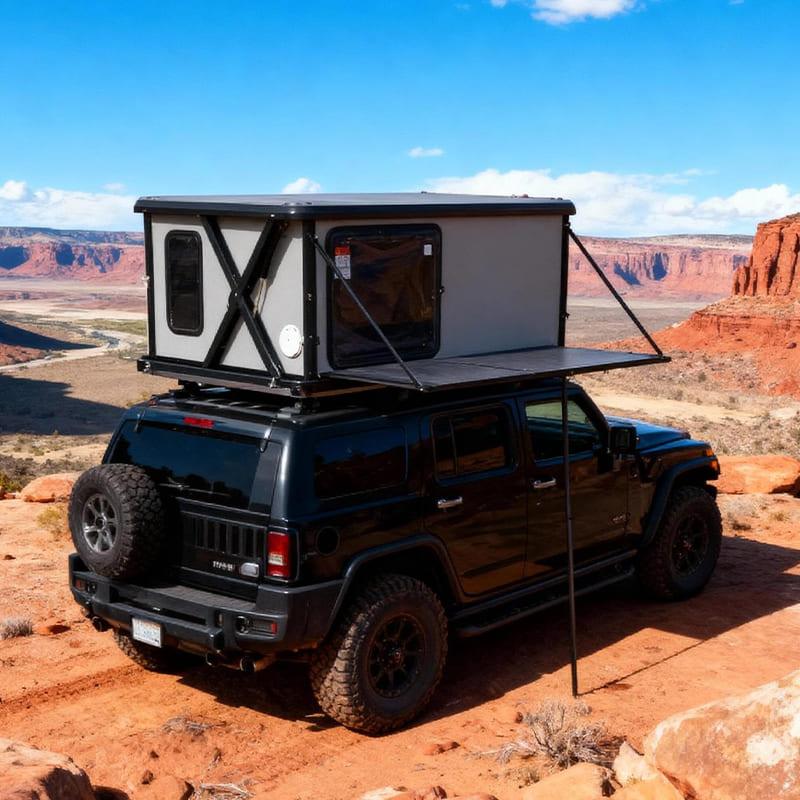
Rooftop tents offer excellent comfort, convenience, and campsite flexibility, but they come with higher cost, added vehicle weight, and reduced fuel economy. Compared to ground tents, they trade simplicity and price for speed and consistency.
Pros
- Elevated, flat sleeping surface
- Fast setup compared to ground tents
- Reduced exposure to ground moisture and pests
Cons
- Higher upfront cost
- 10–25% fuel economy loss
- Requires a compatible vehicle and roof rack
Rooftop tents reward frequent use more than occasional trips.
Are rooftop tents better than ground tents?
Rooftop tents are better than ground tents for travelers who move often, camp on uneven terrain, or value consistent sleep comfort. However, they are not objectively better for all campers, especially those focused on minimal cost or hiking-based trips.
Rooftop tents excel at
- Road trips and overlanding
- Quick overnight stops
- Poor or rocky ground conditions
Ground tents still win for
- Backpacking and remote hiking
- Large group camping
- Budget-focused users
The “better” option depends on travel style, not just comfort.
Are rooftop tents good for families?
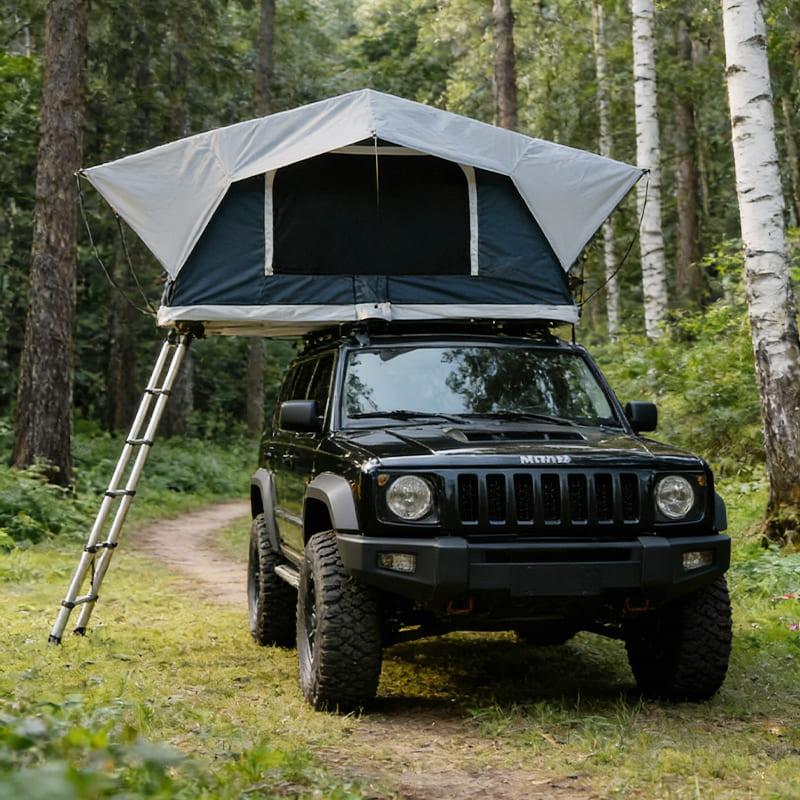
Rooftop tents can work for families, but soft shell models are usually better suited than hard shells. Soft shell tents often provide larger sleeping areas, making them more practical for parents camping with children.
Family-friendly advantages
- Elevated sleeping keeps kids off the ground
- Fast setup reduces campsite stress
- Predictable sleep space each night
Limitations for families
- Ladder access for small children
- Limited capacity for larger families
- May require annex rooms for extra space
Families often combine rooftop tents with ground setups.
Are inflatable rooftop tents any good?
Inflatable rooftop tents can be good, but they are still a niche option with mixed practicality. While air-beam structures reduce weight and simplify setup, long-term durability and repair concerns make them less popular than traditional hard or soft shell designs.
Potential benefits
- Lightweight construction
- Compact storage when deflated
- No metal poles
Common drawbacks
- Vulnerability to punctures
- Less rigidity in strong wind
- Fewer proven long-term designs
Inflatable models suit experimental users more than mainstream buyers.
Conclusion
Hard shell and soft shell rooftop tents each excel in different areas. Hard shell tents are better for speed, efficiency, and weather resistance, while soft shell tents offer more space and better affordability. Neither is universally superior—the right choice depends on travel frequency, budget, and how you camp. Understanding these trade-offs ensures you invest in a rooftop tent that truly fits your lifestyle.
About Us: Helping Brands Build the Right Rooftop Tent
Choosing between hard shell and soft shell designs starts long before a customer compares features—it begins at engineering and manufacturing.
Everlead Outdoor specializes in OEM/ODM rooftop tent manufacturing across hard shell, soft shell, and hybrid designs, with a focus on real-world performance, structural reliability, and cost optimization. From aerodynamic hard shells to spacious family-friendly soft shells, we help brands match the right design to the right user.
With ISO 9001–certified production, in-house R&D, and 100% full-unit quality inspection, Everlead Outdoor supports outdoor brands in delivering rooftop tents that are not just different—but clearly better for their intended use cases.