
Is your canvas tarp stiff, dirty, or showing signs of mold after a season outdoors? Proper maintenance keeps canvas tarps functional, extends their life, and prevents costly replacements. Regular cleaning, safe mold removal, patching, and preventive care can keep a canvas tarp in good condition for years, avoiding damage from dirt buildup, mildew, or tears. This guide covers essential steps for cleaning, mold treatment, repairs, softening, and long-term prevention to help you maintain your tarps effectively.
Table of Contents
- How to clean a canvas tarp?
- How to clean canvas tarps?
- How to remove mold from canvas tarp?
- How to patch canvas tarp?
- How to soften canvas tarp?
- Preventive Maintenance: Keeping Your Canvas Functional for Years
How to clean a canvas tarp?
To clean a canvas tarp, lay it flat, brush off loose dirt, wash with mild soap and water using a soft brush, rinse thoroughly, and air dry completely in a shaded area to prevent damage or shrinkage. This gentle method removes grime without harming the fabric or any treatments.
Start by shaking or brushing away debris on a clean surface. Avoid harsh scrubbers that can weaken fibers.
For tougher spots:
- Mix mild detergent (like dish soap) with warm water.
- Apply with a sponge or soft brush in sections.
- Rinse well with a hose to remove all soap residue.
- Hang or lay flat to dry fully—never machine dry unless specified.
This routine prevents mildew and maintains water resistance.
How to clean canvas tarps?
Canvas tarps clean best with mild soap solutions and soft brushing; avoid bleach or strong chemicals on untreated canvas to preserve natural oils and coatings. Repeat the process seasonally or after heavy use for optimal results.
Lay the tarp on a flat, clean area like grass or concrete. Sweep or vacuum loose dirt first.
Steps for thorough cleaning:
- Hose off surface dirt.
- Prepare a bucket of warm water with mild soap.
- Scrub gently in circular motions.
- Rinse multiple times until no suds remain.
- Dry in indirect sunlight to avoid fading.
Spot clean stains immediately for easier removal.
How to remove mold from canvas tarp?
To remove mold from a canvas tarp, brush off visible growth, apply a solution of white vinegar and water (1:4 ratio) or a mild mildew remover, scrub gently, rinse thoroughly, and dry completely in sunlight to kill spores and prevent regrowth. This approach is effective and fabric-safe.
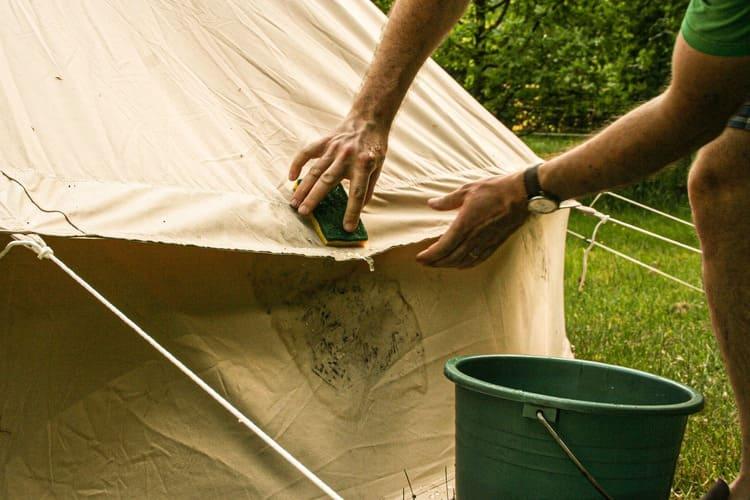
Mold thrives in damp, dark conditions—act quickly upon discovery.
Detailed process:
- Work outdoors in a well-ventilated area.
- Wear gloves and eye protection.
- Spray the solution liberally on affected spots.
- Let sit 15-30 minutes.
- Scrub with a soft brush.
- Rinse and repeat if needed.
- Air dry fully—sunlight helps kill remaining spores.
For stubborn cases, use a commercial canvas-safe mildew product.
How to patch canvas tarp?
To patch a canvas tarp, clean and dry the area, cut a patch larger than the tear (round corners for durability), apply strong adhesive or sew it on both sides if possible, and press firmly to create a waterproof seal. This repair restores strength and prevents further tearing.
Small holes can use adhesive tape; larger tears need sewn or glued patches.
Steps for a durable patch:
- Clean the tear and surrounding area with alcohol or soap.
- Cut canvas patch material 2-3 inches larger than damage.
- Apply adhesive (e.g., fabric glue or tarp cement) to both surfaces.
- Position patch over tear (cover both sides for best results).
- Press with a roller or heavy object; let cure 24 hours.
Reinforce edges with stitching for heavy-duty use.
How to soften canvas tarp?
To soften a stiff canvas tarp, wash it with warm water and mild soap or a vinegar solution (1:4 ratio) to remove starch buildup, then tumble dry on low heat or air dry while periodically stretching and flexing the fabric. This breaks in the material for easier handling.
New or stored tarps often stiffen from sizing or drying out.
Methods to try:
- Soak in warm water with fabric softener for 30 minutes.
- Machine wash on gentle cycle (if size allows) with vinegar to strip residue.
- Dry partially, then fold/unfold repeatedly while damp.
- Apply light oil (e.g., linseed) sparingly for added flexibility—test first.
Avoid over-softening, which can reduce water resistance.
Preventive Maintenance: Keeping Your Canvas Functional for Years
Preventive maintenance for canvas tarps involves regular inspections, proper cleaning after use, complete drying before storage, secure fastening to reduce wear, and periodic re-treatment with waterproofing to maintain performance over multiple seasons. Consistent care significantly extends lifespan.
Key habits:
- Inspect for tears, mold, or weak grommets after each use.
- Store rolled (not folded tightly) in a dry, ventilated bag or area.
- Avoid prolonged direct sun exposure when not in use.
- Reapply waterproofing spray annually.
- Use reinforcements like edge binding or extra grommets for high-stress areas.
These steps minimize damage from UV, moisture, and abrasion.
Conclusion
Effective canvas tarp maintenance—through gentle cleaning, prompt mold removal, solid patching, softening techniques, and consistent prevention—keeps your tarps reliable and extends their useful life far beyond basic care. As shown, simple routines prevent common issues like stiffness, mildew, and tears, ensuring dependable performance in outdoor or engineering applications.
In summary, proactive maintenance makes canvas tarps a durable, cost-effective choice. At Everlead Outdoor, we specialize in premium outdoor camping gear, including high-quality canvas tarps, roof top tents, and vehicle awnings engineered for lasting performance in tough conditions. With over 10 years of expertise, ISO 9001 certification, and full in-house production, our customizable solutions provide reliable protection for camping, overlanding, and projects. Visit everleadoutdoor.com to explore our range and discover durable tarps built to withstand the elements.