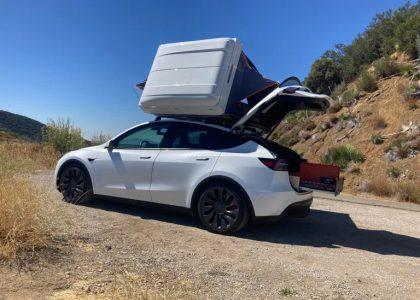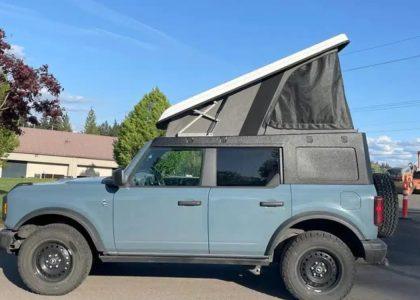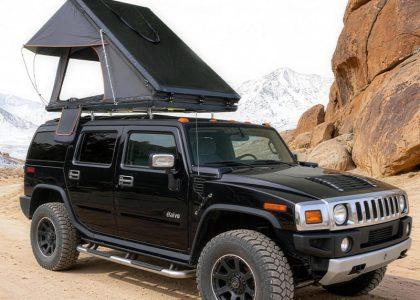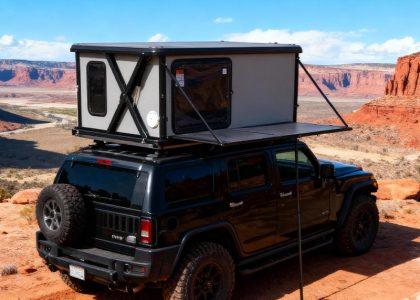
Rooftop tents have become a symbol of modern overlanding—but are they actually worth the money, fuel costs, and trade-offs? Many buyers hesitate when they see the price tag and hear about MPG loss.
The short answer is this: rooftop tents are worth it for travelers who value convenience, comfort, and flexibility more than upfront cost and fuel efficiency.
This guide breaks down cost, weight, fuel economy impact, and comparisons with trailers to help you decide.
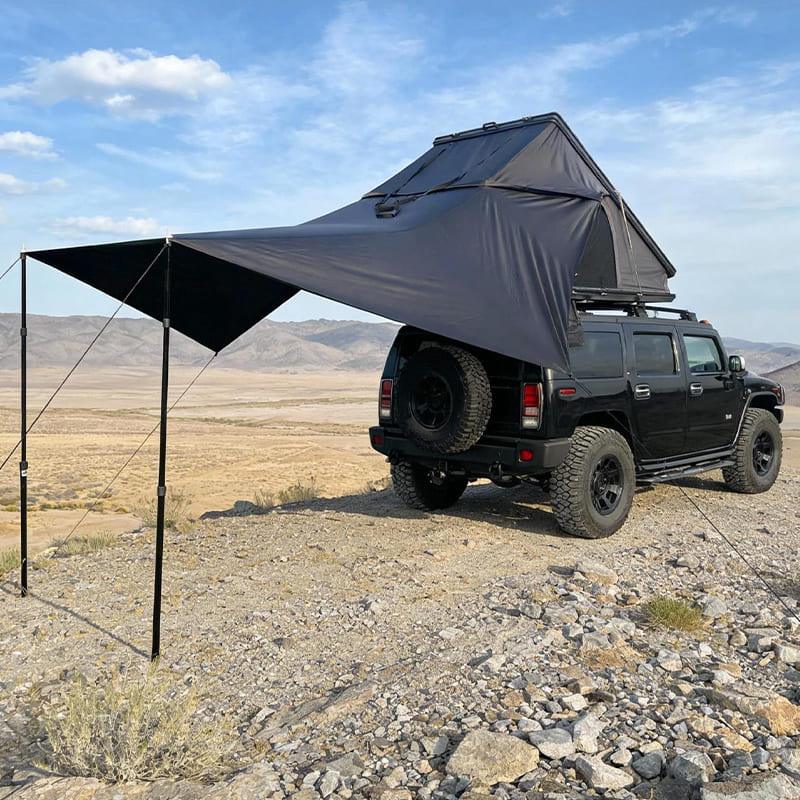
Table of Contents
- Are rooftop tents worth it?
- Why are rooftop tents so expensive?
- Do rooftop tents affect gas mileage?
- Are rooftop tents heavy?
- Are rooftop tents cheaper than trailers?
- Are hard shell rooftop tents worth the extra cost?
Are rooftop tents worth it?
Rooftop tents are worth it if you camp frequently, value fast setup, and prioritize comfort over minimal cost. They provide consistent sleep quality, off-ground safety, and the ability to camp almost anywhere your vehicle can reach, making them especially appealing for road trips and overlanding.
Who benefits most
- Frequent campers and overlanders
- Travelers moving locations daily
- Users camping on uneven or rocky terrain
When they may not be worth it
- Occasional campers
- Urban drivers with daily commutes
- Budget-focused users
Value depends heavily on how often you use it.
Why are rooftop tents so expensive?
Rooftop tents are expensive because they combine structural engineering, durable materials, and vehicle-rated safety systems into a single product. Unlike ground tents, they must withstand wind loads, highway speeds, and repeated vehicle mounting without failure.
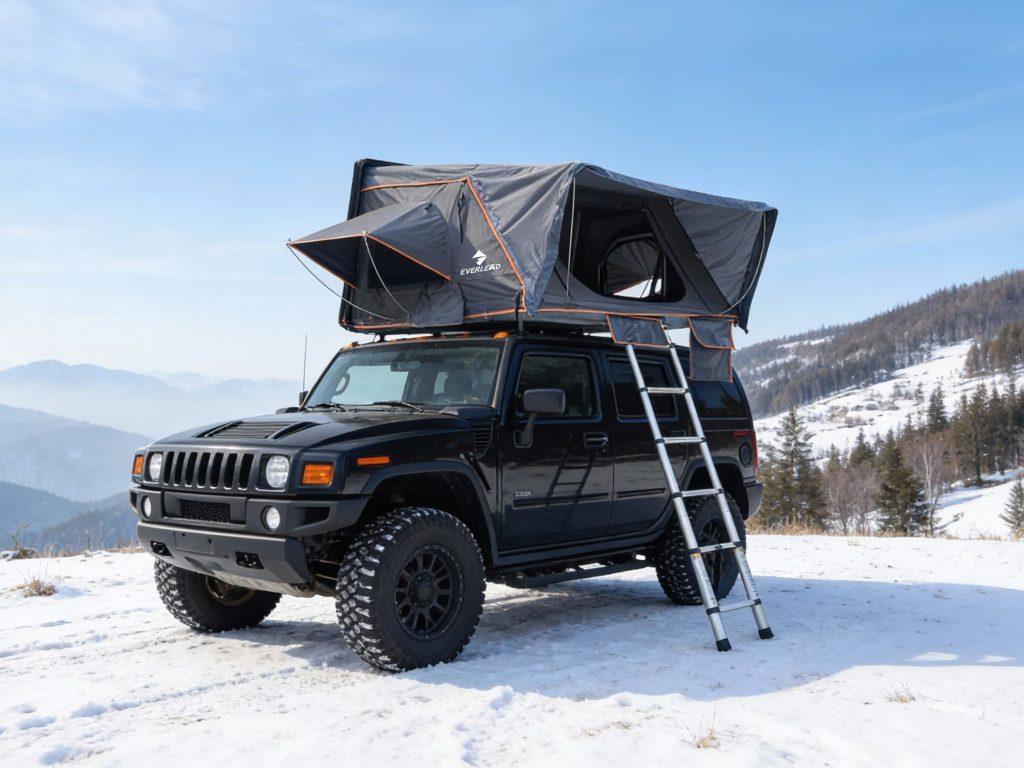
Cost drivers
- Reinforced aluminum or composite frames
- Weather-resistant, multi-layer fabrics
- Integrated mattresses and ladders
- Low-volume manufacturing compared to ground tents
What you’re paying for
- Long-term durability
- Faster setup and teardown
- Consistent comfort across environments
The price reflects engineering, not just branding.
Do rooftop tents affect gas mileage?
Yes, rooftop tents typically reduce fuel economy by 10%–25%, mainly due to increased aerodynamic drag. The impact is most noticeable during highway driving, where airflow disruption requires the engine to work harder to maintain speed.
Factors affecting MPG loss
- Tent size and profile
- Vehicle aerodynamics
- Driving speed
How to reduce MPG impact
- Choose low-profile hard-shell tents
- Drive under 65 mph
- Remove the tent when not in use
Fuel cost is a trade-off for convenience.
Are rooftop tents heavy?
Rooftop tents usually weigh between 100 and 180 lbs, which is manageable for most SUVs and trucks when paired with a proper roof rack. The more important limit is the vehicle’s dynamic roof load rating, not the tent’s static weight capacity.
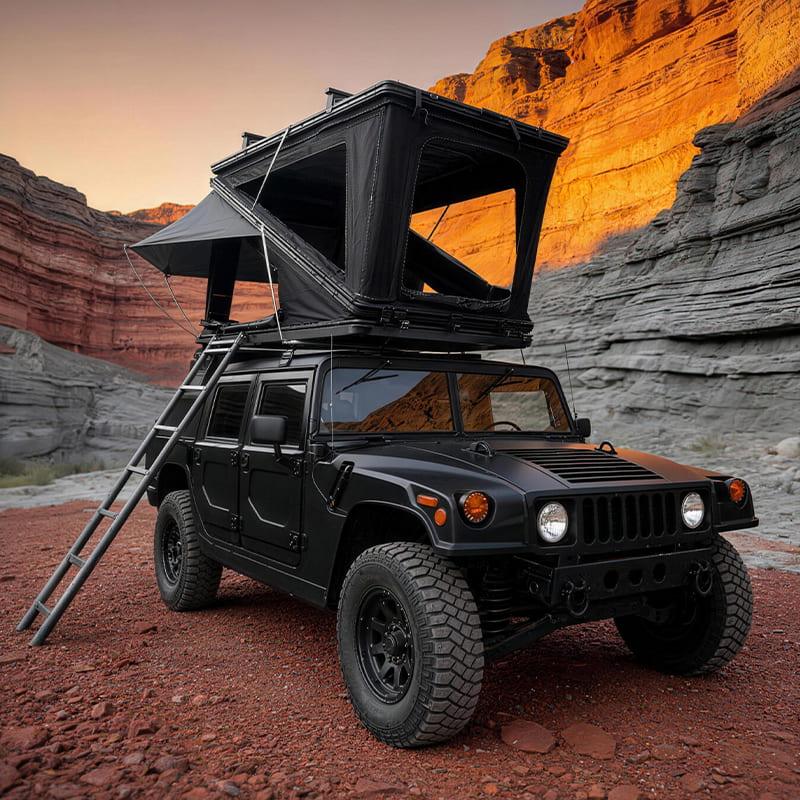
Weight considerations
- Soft-shell tents are usually lighter
- Hard-shell tents weigh more but sit lower
- Weight must be evenly distributed
Most modern vehicles can safely support rooftop tents with the right setup.
Are rooftop tents cheaper than trailers?
Rooftop tents are generally cheaper than camping trailers when considering total ownership cost. While initial prices may overlap, rooftop tents avoid registration fees, storage costs, and maintenance associated with trailers.
Cost comparison
| Feature | Rooftop Tent | Camping Trailer |
|---|---|---|
| Purchase cost | Medium | High |
| Storage | On vehicle | Requires space |
| Maintenance | Low | Moderate–high |
| Mobility | Excellent | Limited off-road |
For minimalist travelers, rooftop tents offer better value.
Are hard shell rooftop tents worth the extra cost?
Hard shell rooftop tents are worth the extra cost for users who camp often, drive long distances, or encounter varied weather conditions. They offer better aerodynamics, faster setup, and superior wind and rain performance.
Advantages of hard shell tents
- Improved fuel efficiency vs soft-shell
- One-minute setup
- Better insulation and noise reduction
When soft-shell makes sense
- Budget constraints
- Occasional camping
- Larger sleeping areas needed
Hard shells favor performance; soft shells favor space.
Conclusion
Rooftop tents are worth it for frequent campers who value speed, comfort, and versatility, even with higher upfront cost and MPG loss. They outperform ground tents in convenience and mobility while remaining more practical and affordable than trailers for many users. Choosing the right tent style determines whether the investment truly pays off.
About Us: Building Rooftop Tents That Deliver Real Value
A rooftop tent is only “worth it” if it delivers long-term comfort, safety, and reliability.
Everlead Outdoor specializes in OEM/ODM rooftop tent manufacturing with a focus on cost efficiency, aerodynamic design, and real-world durability. By optimizing materials, structural design, and production processes, we help brands create rooftop tents that balance price, performance, and fuel efficiency.
With ISO 9001–certified manufacturing, in-house R&D, and 100% full-unit quality inspection, Everlead Outdoor supports outdoor brands in delivering rooftop tents that customers truly feel are worth the investment.