Introduction
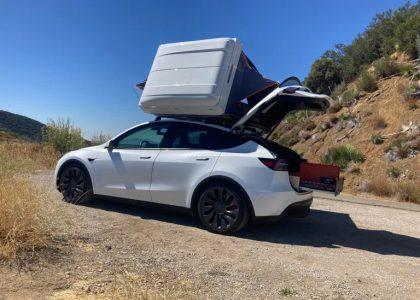
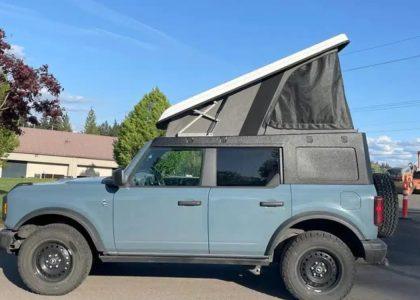
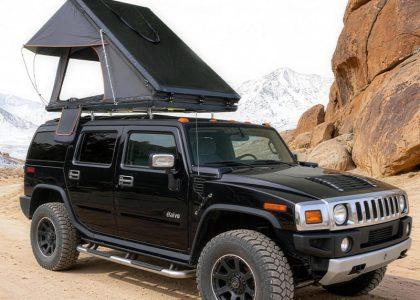
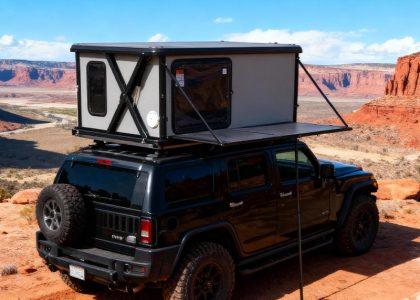
Rooftop tents look rugged and adventurous—but many drivers hesitate before mounting hundreds of pounds on their car roof. Are rooftop tents actually safe for your vehicle, or do they cause long-term damage and risk?
The short answer is this: rooftop tents are safe for your car when installed correctly, used within weight limits, and matched to the right vehicle and rack system.
This guide breaks down roof safety, weight limits, theft risks, wildlife concerns, and wind performance so you can make a confident decision.
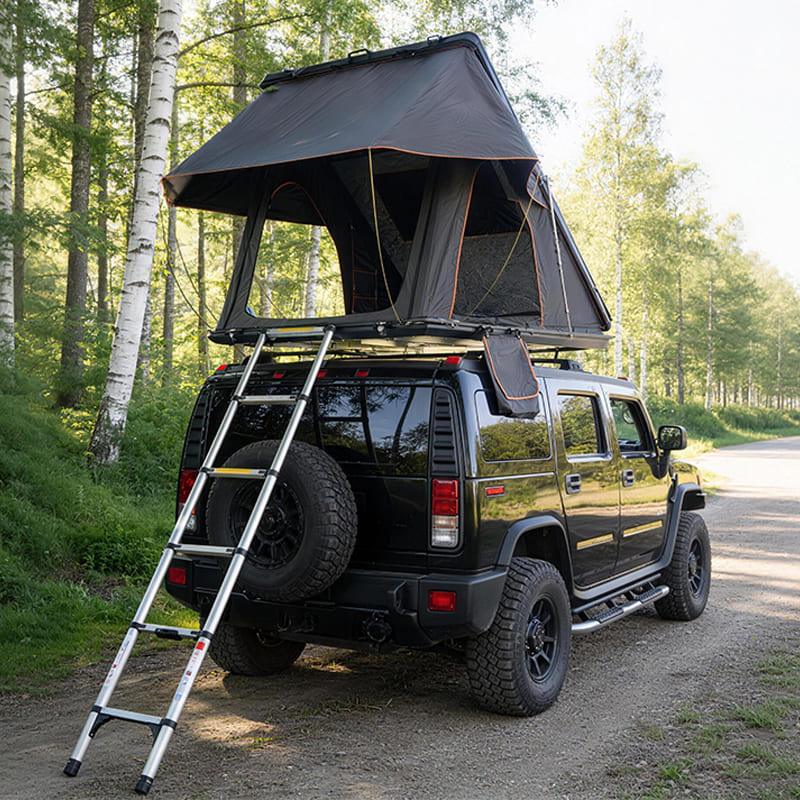
Table of Contents
- Are rooftop tents bad for your car?
- Do rooftop tents damage your car roof?
- Are rooftop tents safe?
- How much weight can a rooftop tent hold?
- Do rooftop tents get stolen?
- Are rooftop tents safe from bears?
- Are rooftop tents good in wind?
Are rooftop tents bad for your car?
Rooftop tents are not bad for your car if your vehicle, roof rack, and mounting system are properly rated and installed. Problems usually arise from exceeding load limits, using factory racks not designed for tents, or improper installation rather than from the tent itself.
Detailed explanation
A rooftop tent does place additional stress on your vehicle, but modern cars are engineered to handle roof loads when used correctly.
Key considerations include:
- Using a vehicle-specific roof rack
- Staying within dynamic and static load limits
- Distributing weight evenly across mounting points
When these conditions are met, long-term vehicle damage is rare.
Do rooftop tents damage your car roof?
Rooftop tents do not damage your car roof when mounted to a proper rack system rather than directly to the roof sheet metal. Damage typically occurs only when factory crossbars are overloaded or when mounts are improperly tightened.
How damage usually happens
- Exceeding factory roof load ratings
- Using low-quality or incompatible roof racks
- Uneven clamping pressure on rails or crossbars
How to prevent roof damage
- Install a steel or aluminum aftermarket rack
- Torque mounting hardware to specification
- Periodically inspect mounting points
A correctly mounted rooftop tent never touches the vehicle roof itself.
Are rooftop tents safe?
Yes, rooftop tents are safe for both vehicles and occupants when used as intended and under proper conditions. They are engineered to withstand highway speeds, overnight loads, and weather exposure when paired with the correct rack system.
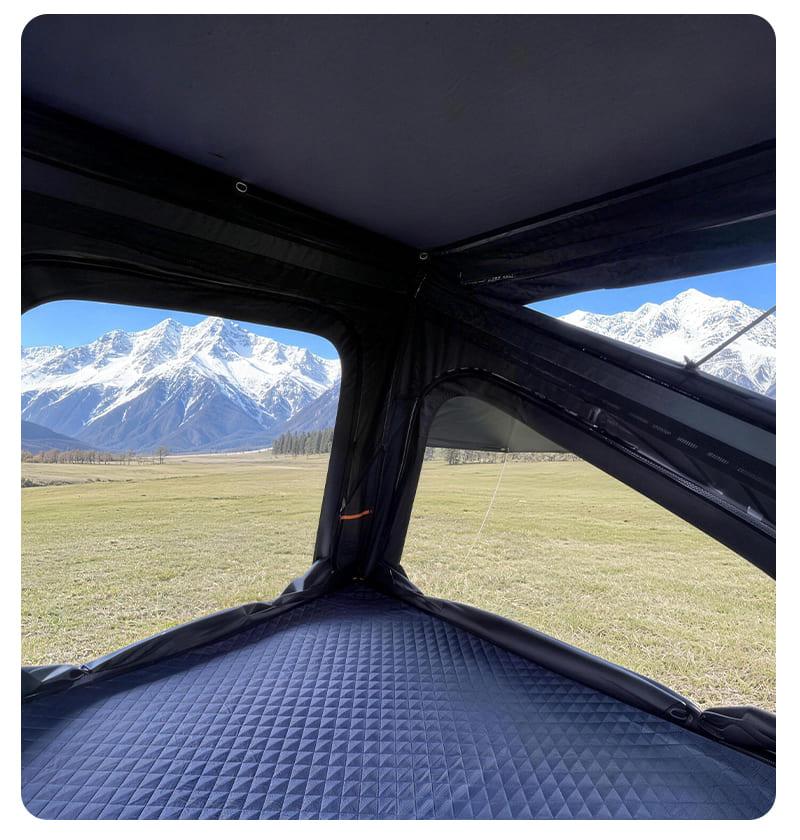
Safety factors built into modern rooftop tents
- Reinforced aluminum or steel frames
- Multi-point mounting brackets
- Load-tested hinges and ladders
- Weather-resistant materials
Most safety incidents are linked to user error, not product failure.
How much weight can a rooftop tent hold?
Most rooftop tents can safely support 600–900 lbs of static weight, including occupants and bedding. The critical limit is not the tent itself, but your vehicle’s roof rack and roof load rating.
Understanding weight limits
There are two key ratings:
| Weight Type | What It Means |
| Dynamic load | Weight the roof supports while driving |
| Static load | Weight supported when parked |
Typical ranges
- Dynamic roof limit: 150–220 lbs (varies by vehicle)
- Static roof limit: 3–5× dynamic rating
Because static loads are much higher, rooftop tents are safe to sleep in when parked.
Do rooftop tents get stolen?
Rooftop tents can be stolen, but theft is uncommon and preventable with proper security measures. Their size, weight, and mounting complexity make them difficult targets compared to other vehicle accessories.
How to reduce theft risk
- Use locking mounting brackets
- Park in well-lit or monitored areas
- Remove the tent during long-term urban parking
- Install security bolts or cable locks
Most rooftop tent thefts occur when vehicles are left unattended for extended periods.
Are rooftop tents safe from bears?
Rooftop tents offer better protection from wildlife than ground tents, but they are not bear-proof. Elevation reduces encounters, yet food storage and campsite behavior matter far more than tent height.
Wildlife safety best practices
- Store food away from your vehicle
- Avoid cooking near the tent
- Use bear-resistant containers where required
Rooftop tents reduce surprise encounters but should never replace proper wildlife precautions.
Are rooftop tents good in wind?
Rooftop tents are safe in wind when properly mounted, but strong gusts can affect comfort and stability. Hard-shell and low-profile designs perform significantly better than tall, soft-shell models.
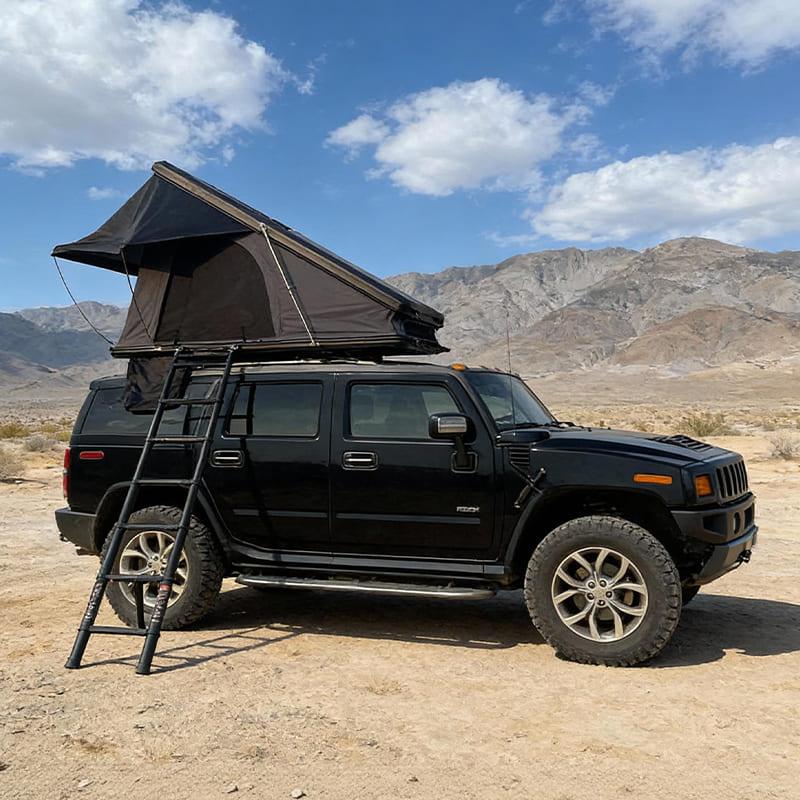
Wind performance by tent type
| Tent Type | Wind Stability |
| Wedge hard shell | Excellent |
| Pop-up hard shell | Good |
| Soft shell | Moderate |
Tips for windy conditions
- Park facing into the wind
- Use natural wind barriers
- Retract awnings during storms
Structural safety is rarely compromised; noise and movement are the main concerns.
Conclusion
Rooftop tents are safe for your car, secure in most environments, and structurally sound when used within rated limits. Issues like roof damage, theft, or wind instability are typically caused by poor installation or misuse—not the tent itself. With the right rack, proper weight management, and basic precautions, rooftop tents remain one of the safest and most versatile camping solutions available.
About Us: Engineering Rooftop Tents with Safety in Mind
Vehicle safety, weight distribution, and wind stability are not afterthoughts—they start at the design stage.
Everlead Outdoor is a dedicated OEM/ODM manufacturer specializing in professionally engineered rooftop tents and vehicle-mounted camping systems. With ISO 9001–certified production, in-house R&D, and 100% full-unit quality inspections, we focus on structural integrity, load safety, and real-world vehicle compatibility.
By using aviation-grade aluminum frames, reinforced mounting systems, and aerodynamically optimized designs, Everlead Outdoor helps brands deliver rooftop tents that are not only comfortable—but genuinely safe for both the vehicle and the people inside.