When browsing rooftop tents, most buyers focus on the mattress thickness or the window layout. But if you dig into the spec sheets of the most durable overland builds, you will notice a trend that has nothing to do with comfort and everything to do with chemistry.
The lifespan of a hard-shell rooftop tent is rarely dictated by the fabric. It is dictated by the shell.
For years, the industry relied on marine-grade Fiberglass to shape its tents. Today, however, we are seeing a massive shift toward Aluminum Honeycomb panels. Why are manufacturers and serious overlanders abandoning the classic smooth white shells for industrial-looking metal ones?
In this engineering deep dive, we compare Aluminum vs. Fiberglass (and ABS Plastic) to see which material actually survives the 10-year test.
The Contenders: A Material Breakdown
Before we crash test them, we need to define what these shells actually are.
- Fiberglass (FRP): The “Old Guard.” This is a composite made of glass fibers reinforced with a plastic resin and finished with a gel coat. It’s the same stuff used to make boat hulls and 1990s Corvette bodies. It allows for smooth, aerodynamic curves.
- ABS Plastic: The “Budget Choice.” Acrylonitrile Butadiene Styrene is a thermoplastic often used in luggage or car bumpers. It is vacuum-formed into shape. It is lightweight and cheap to manufacture but sensitive to temperature extremes.
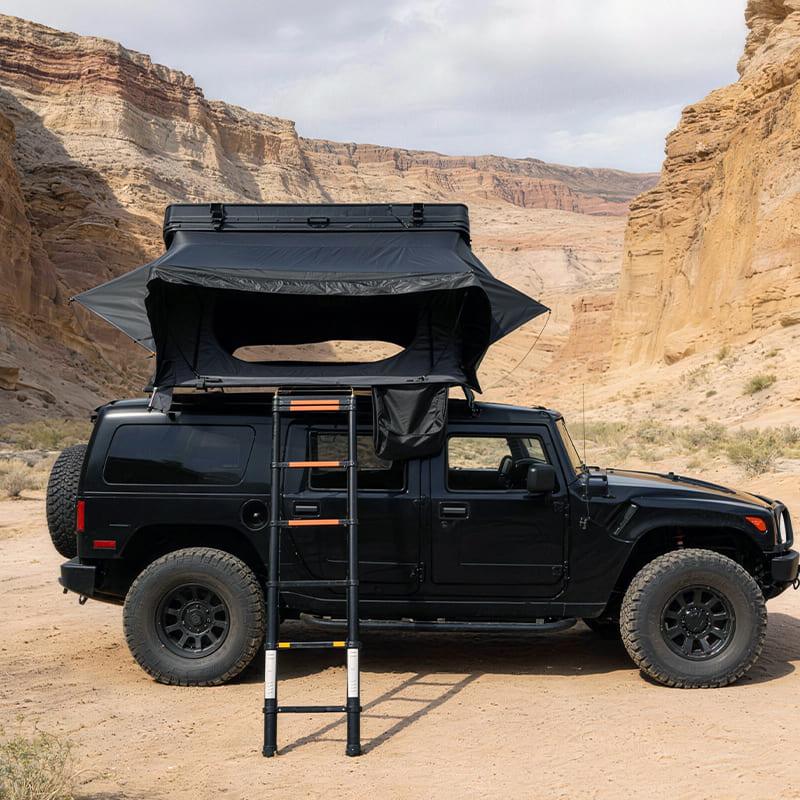
- Aluminum Honeycomb: The “Modern Standard.” This is a sandwich structure consisting of two thin aluminum alloy sheets bonded to an internal aluminum hexagonal grid (honeycomb core). It is flat, rigid, and incredibly strong relative to its weight.
Round 1: Durability & UV Resistance
The biggest enemy of a rooftop tent isn’t a tree branch; it’s the sun.
Fiberglass: Fiberglass relies on a “Gel Coat” to protect the fibers underneath. Over time, UV exposure causes this gel coat to oxidize. You’ve likely seen old boats that look chalky or yellow—that is UV damage. Once the gel coat becomes brittle, the vibrations from off-road driving can cause “spider cracks.” These hairline fractures allow moisture to seep into the resin, eventually delaminating the shell.

ABS Plastic: ABS is chemically susceptible to UV radiation unless heavily treated with stabilizers. In extreme heat (like the Arizona desert), thin ABS shells can warp or “oil can” (pop in and out). In extreme cold, they become brittle. If you hit a low-hanging branch in freezing temps, an ABS shell is liable to shatter like glass.

Aluminum Honeycomb: Aluminum is inorganic—it does not degrade under UV light. A powder-coated aluminum shell will look virtually the same in 10 years as it does today. Crucially, aluminum is ductile. If you slam a heavy tree branch into an aluminum tent, it might dent, but it won’t shatter or crack. A dent is a “battle scar” that doesn’t compromise the waterproofing; a crack in fiberglass is a structural failure.
Round 2: Load Bearing (Can you carry gear?)
This is where the utility gap widens significantly.
Fiberglass & ABS: Because these shells are molded into curved aerodynamic shapes, they generally lack flat surfaces or structural reinforcement for carrying loads. While some high-end fiberglass models have integrated racks, the material itself fatigues under dynamic weight. If you strap a 50lb kayak to a fiberglass shell and drive down a washboard road, the stress points around the bolts are prone to cracking.
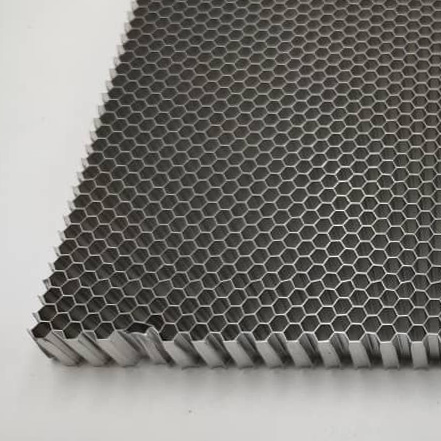
Aluminum Honeycomb: The “Sandwich” structure of aluminum honeycomb provides immense vertical compression strength. This allows manufacturers to install T-Slot rails directly onto the roof of the tent.
- The Utility Advantage: You can mount solar panels, recovery boards, surfboards, or even storage boxes directly on top of an aluminum tent.
- The Engineering: Because the top is flat and structurally rigid, it can handle dynamic loads (bouncing gear) without flexing, making it the only real choice for “gear-heavy” expeditions.
Round 3: Weight & Aerodynamics
For a long time, Fiberglass was king because it could be molded into wind-cheating shapes. But aluminum manufacturing has caught up.
While a raw aluminum sheet is heavy, Aluminum Honeycomb panels are roughly 95% air. This allows us to build a tent shell that is incredibly rigid but surprisingly light.
- Profile: Aluminum tents are typically built in a “Wedge” or “Clamshell” design with a flat profile. This “Zero-Profile” height (often under 7 inches closed) is critical for modern vehicles.
- EV Compatibility: For Electric Vehicle (EV) overlanders, drag is the enemy of range. A thin, flat aluminum tent disrupts airflow far less than a bulbous fiberglass dome.
The Verdict
If you are a weekend warrior camping twice a year in mild weather, an ABS or Fiberglass tent may serve you well for a few seasons.
However, for long-term ownership, Aluminum Honeycomb is objectively superior. It solves the three biggest failures of legacy tents: it doesn’t crack in the cold, it doesn’t chalk in the sun, and it allows you to carry gear on the roof.
Summary of the Winner (Aluminum):
- Longevity: 10+ Years (vs 3-5 for ABS).
- Repairability: High (Can hammer out dents).
- Utility: Excellent (Roof racks compatible).
Choosing the right shell material is the foundational step in identifying the best rooftop tents on the market. However, a durable shell is useless without a reliable mechanism. To see the full bill of materials that defines a premium build, check out our Manufacturer’s Guide to Quality & Specs.
About Everlead Outdoor
At Everlead Outdoor, we transitioned our primary production line to Aviation-Grade Aluminum Honeycomb years ago because we saw the data firsthand. We engineer tents that are designed to be field-repairable and expedition-ready. If you are a brand looking to source tents that won’t come back with warranty claims for cracked shells, our engineering team is ready to assist.